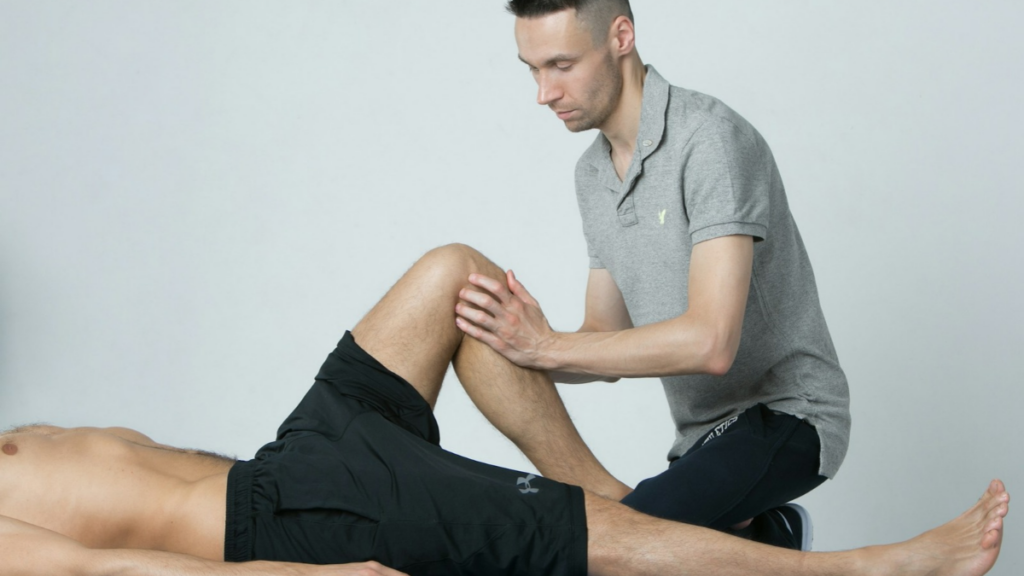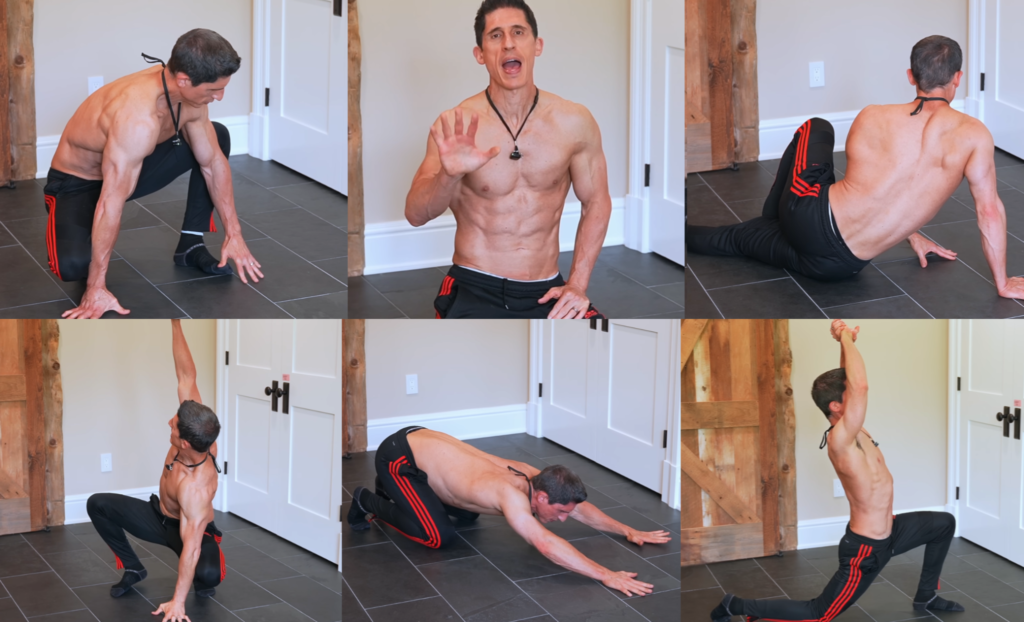


Movement plays a major role in keeping the body healthy. Walking, standing, stretching, and changing position help protect muscles, joints, circulation, and skin. When a person loses the ability to move freely, physical decline can begin in ways that are easy to miss.
Why Losing Mobility Can Become a Serious Health Risk
For active adults, mobility often means performance, flexibility, and strength. For older adults, injured people, or anyone confined to a bed or chair, it can mean safety. The ability to roll over, sit upright, stand, or shift pressure away from one area can help prevent pain, stiffness, weakness, and serious skin damage.


When the body remains still for long periods, pressure can build over the hips, tailbone, heels, elbows, shoulders, and back. If that pressure is not relieved, the skin and deeper tissue can become damaged. In severe cases, this can turn into an advanced wound that affects recovery, comfort, and overall health.
How Inactivity Affects Circulation and Tissue Health
The body depends on healthy blood flow to deliver oxygen and nutrients to the skin, muscles, and soft tissue. Even small actions, such as adjusting posture or shifting weight in a chair, can reduce pressure and support circulation.
When someone stays in one position for too long, blood flow may be restricted between bone and a firm surface. Over time, the affected area can become irritated, inflamed, and painful. Early signs may include redness, warmth, tenderness, or changes in skin texture.
This is why pressure injuries are a serious concern for people with limited mobility. They can develop in hospitals, nursing homes, rehabilitation centers, or at home when a person cannot move without help. The risk increases when immobility is combined with dehydration, poor nutrition, moisture, infection, or delayed medical attention.
Pressure-related skin damage should never be dismissed as a minor surface issue. By the time an open wound appears, deeper tissue may already be involved. Early recognition matters because advanced wounds can be painful, difficult to heal, and dangerous if infection spreads.
What Severe Pressure Damage Can Reveal About Care
A minor red patch and an advanced pressure wound are very different problems. Early irritation may improve with quick action, better positioning, and close monitoring. Severe wounds can involve deep tissue loss, drainage, dead tissue, exposed structures, infection, and intense pain.
People with limited mobility often rely on others to help them reposition, stay clean, remain hydrated, and receive proper nutrition. When those needs are ignored, pressure damage can progress. This is especially concerning for people who cannot clearly communicate discomfort, such as those with dementia, serious illness, or major physical weakness.

Families caring for a loved one with restricted movement may need to understand what a stage 4 bed sore looks like so they can recognize when skin damage has progressed beyond a minor wound and may require urgent medical attention.
A stage 4 pressure injury is one of the most severe forms of tissue damage. It can extend through layers of skin and soft tissue. In some cases, muscle, tendon, ligament, cartilage, or bone may be visible or affected. These wounds require medical evaluation and a clear treatment plan because they can lead to infection, sepsis, hospitalization, and a long recovery.
The Link Between Muscle Loss, Weakness, and Skin Breakdown
Muscle helps people move, stabilize themselves, and adjust their position. When strength declines, a person may struggle to stand, walk, roll over, or shift weight while seated. That loss of strength can increase the time spent resting on the same vulnerable areas.
This creates a harmful cycle. Less movement leads to muscle loss. As strength decreases, basic position changes become harder. Pressure then remains on the same parts of the body for longer, raising the risk of skin breakdown, especially when circulation or nutrition is poor.
For older adults, safe and consistent strength training for seniors can support balance, mobility, and the ability to move more easily throughout the day. Even simple strength work, done with proper guidance, can help preserve independence and reduce prolonged pressure on the body.
Strength does not remove every risk. A person recovering from surgery, illness, injury, or neurological decline may still need hands-on support. However, maintaining as much movement capacity as possible can help protect against the deeper effects of inactivity.
Warning Signs Families Should Take Seriously
Pressure injuries often become serious because early signs are missed or underestimated. Families, caregivers, and staff should watch the tailbone, hips, heels, ankles, elbows, shoulders, and back closely.
A warning sign may be skin that stays red after pressure is removed. The area may feel warm, firm, swollen, soft, or painful. Darker skin tones may show purple, blue, gray, or unusually shiny patches rather than bright redness. Any change that does not improve should be checked quickly.
Open wounds, blisters, drainage, odor, black tissue, deep red or purple discoloration, fever, swelling, or increasing pain may point to a more serious problem. A wound that grows larger, becomes deeper, or fails to heal needs prompt medical attention.
Behavior changes can also be important. A person may become restless, withdrawn, confused, or resistant to sitting or lying in a certain position because of pain. These signs matter, especially when the person cannot describe what they feel.
Practical Steps That Can Help Reduce Risk
Preventing severe pressure damage starts with movement and monitoring. People who cannot move independently should be repositioned on a consistent schedule. Caregivers should avoid leaving someone in the same position for extended periods, especially in bed or in a wheelchair.
Skin should be checked daily, with extra attention to pressure points. It should be kept clean and dry, while harsh rubbing should be avoided. Moisture from sweat, urine, or wound drainage can weaken the skin and increase the risk of breakdown.
Support surfaces may help. Pressure-relieving cushions, heel protectors, and specialized mattresses can reduce stress on vulnerable areas. These tools work best when paired with repositioning, good nutrition, hydration, and medical oversight.
Food and fluid intake also matter. Protein, vitamins, minerals, and adequate hydration support tissue repair. If a person is eating poorly, losing weight, or becoming dehydrated, families should ask how nutrition is being monitored and whether a dietitian or wound care specialist should be involved.
Legal Steps If Neglect May Be Involved
Severe pressure wounds can develop even when some care is being provided, but they should always raise questions about prevention, monitoring, and response. If a wound appears advanced, infected, unexplained, or poorly treated, families should take organized steps.
Start by documenting the injury. Take clear dated photos, write down when the wound was first noticed, and record changes in size, color, drainage, odor, and pain. Keep notes from conversations with staff, nurses, doctors, and administrators.
Request a medical evaluation. Ask whether a wound care specialist has examined the injury, whether infection has been ruled out, and what treatment plan is being followed. Families can also ask how often the person is being repositioned and whether hydration, nutrition, and pressure relief are being tracked.

Ask for records. Relevant documents may include repositioning logs, wound care notes, medication lists, nutrition records, hydration records, care plans, incident reports, and hospital transfer paperwork. Written records can help show whether the care plan matched the person’s condition.
Report concerns in writing to the facility administrator, nursing supervisor, or care manager. If the person is in a nursing home or long-term care facility and the injury is worsening, families may contact adult protective services, a long-term care ombudsman, or the state health department.
Preserve evidence before it disappears. Save emails, photos, discharge papers, hospital records, text messages, and written complaints. If the wound is severe or the explanation does not make sense, families may want to speak with a qualified legal professional who understands nursing home injury or neglect cases. This information is general and should not replace medical care or advice from a licensed attorney.
Why Fast Action Matters
Loss of mobility can affect the body in serious ways. Pressure, weakness, poor circulation, and slow recovery can combine into a dangerous health problem. Skin damage may start small, but it can progress quickly when warning signs are missed.
The safest approach is early action. Regular repositioning, daily skin checks, proper hydration, balanced nutrition, strength support, and timely medical care can reduce the chance of severe complications. Families and caregivers should treat skin changes seriously, especially when a person is older, frail, ill, injured, or unable to move without help.
Mobility supports comfort, independence, recovery, and dignity. When movement is limited, careful attention can make the difference between a manageable problem and a serious medical crisis.