

Turning 40 does not mean your best training years are behind you. In many cases, it means your training needs to become more intelligent. A strong back is one of the biggest indicators of long term physical function, posture, athleticism, and injury resistance. Yet many men over 40 either stop training hard altogether or continue using the same recovery crushing routines they followed in their 20s. Neither approach works well.
The body changes with age. Recovery becomes more important. Joint health matters more. Mobility can decline. Muscle mass naturally decreases over time in a process known as sarcopenia. Testosterone levels slowly fall, and years of sitting at desks or driving can create poor posture and chronic stiffness.


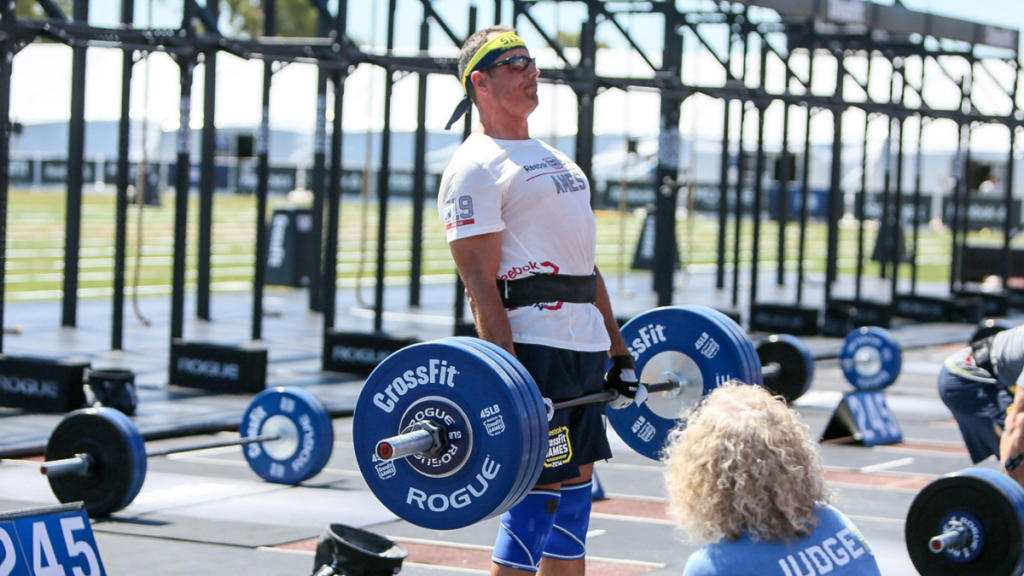
The solution is not to avoid hard training. The solution is to train smarter. Research consistently shows that resistance training remains one of the most effective ways to preserve muscle mass, maintain bone density, improve insulin sensitivity, support cardiovascular health, and improve quality of life as men age.
A properly designed back workout does more than build muscle. It improves posture, protects the spine, supports shoulder health, boosts athletic performance, and helps men stay strong and capable for decades.
Why Back Training Matters More After 40
Most men spend years focusing on mirror muscles like the chest, arms, and abs while neglecting the muscles of the upper and posterior body. That imbalance often catches up after 40. Weak back muscles contribute to:
- Rounded shoulders
- Neck tightness
- Shoulder pain
- Poor posture
- Lower back discomfort
- Reduced athletic performance
- Decreased pulling strength
At the same time, muscle loss accelerates with age. Studies show adults can lose approximately 3 to 8 percent of muscle mass per decade after age 30, with the rate increasing later in life. The good news is that resistance training remains highly effective well into older age. Research shows men over 40 can still build substantial muscle and strength when training is programmed correctly.
Strong back muscles improve:
- Posture
- Balance
- Spinal stability
- Shoulder function
- Grip strength
- Functional movement
- Athletic performance
- Daily quality of life
A stronger back also improves performance in almost every major compound exercise.
Understanding the Major Back Muscles
The back is not one muscle. It is a large network of muscles working together to stabilize the spine, move the shoulders, and support posture. Understanding these muscles helps improve exercise selection and training quality.
Latissimus Dorsi
The latissimus dorsi, commonly called the lats, are the large muscles running down the sides of the upper body. The lats are responsible for shoulder extension, adduction, and internal rotation. They play a major role in:
- Pull ups
- Rows
- Pulldowns
- Deadlifts
Well developed lats improve both upper body strength and physique.
Trapezius
The traps span the upper and middle back. The upper traps elevate the shoulders while the middle and lower traps stabilize and retract the shoulder blades. Strong traps are essential for posture and shoulder mechanics.
Rhomboids
The rhomboids sit between the shoulder blades. These muscles help retract the scapula and maintain upright posture. Weak rhomboids are common in men who spend long hours sitting.
Erector Spinae
The erector spinae muscles run along the spine and help maintain spinal extension and stability. These muscles are heavily involved in deadlifts, carries, and hip hinge movements.
Rear Deltoids
Although technically shoulder muscles, the rear delts contribute heavily to upper back strength and posture. They are often underdeveloped compared to the front delts.
Rotator Cuff
The rotator cuff muscles stabilize the shoulder joint. Keeping these muscles strong becomes increasingly important with age to reduce injury risk and maintain healthy shoulder function.
The Best Back Exercises for Men Over 40
These exercises combine effectiveness, safety, and long term sustainability.
Trap Bar Deadlift
The trap bar deadlift is one of the best strength exercises for men over 40. Compared to conventional deadlifts, the trap bar variation often reduces spinal stress while still allowing heavy loading.
Benefits
- Builds total body strength
- Trains the posterior chain
- Improves grip strength
- Supports bone density
- Reinforces functional movement patterns
Why It Works Well After 40
The more upright torso position reduces lower back strain for many lifters. Research shows trap bar deadlifts may reduce lumbar stress while still producing high force output.
How to Perform It
- Stand inside the trap bar
- Brace the core
- Push through the floor
- Keep the chest tall
- Lock out by driving the hips forward
Programming
- 4 sets
- 4 to 6 reps
- Rest 2 to 3 minutes
Chest Supported Row
Chest supported rows are one of the best upper back exercises for older lifters. The chest support removes unnecessary lower back fatigue while heavily targeting the lats, rhomboids, and traps.
Benefits
- Excellent upper back activation
- Reduced spinal loading
- Improved posture muscles
- Lower injury risk
Programming
- 4 sets
- 8 to 12 reps
Pull Ups or Assisted Pull Ups
Pull ups remain one of the best relative strength exercises in existence. Even if strict pull ups are difficult, assisted variations still provide tremendous benefits.
Benefits
- Develops the lats
- Builds grip strength
- Improves shoulder stability
- Trains the core
- Enhances upper body control
Tips for Men Over 40
Use assistance bands or assisted pull up machines if needed. Controlled movement quality matters more than forcing sloppy reps.
Programming
- 3 sets
- 6 to 10 reps
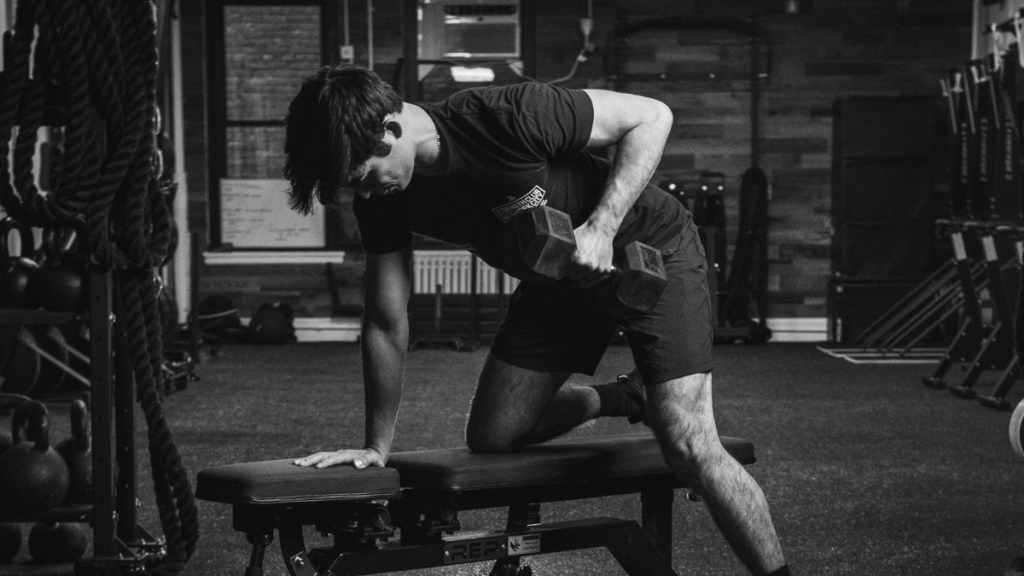
Single Arm Dumbbell Row
Single arm rows help correct muscular imbalances and allow a natural pulling motion. They also challenge the core and improve shoulder stability.
Benefits
- Improves unilateral strength
- Targets the lats and rhomboids
- Supports shoulder health
- Allows a large range of motion
Programming
- 3 sets per arm
- 8 to 12 reps
Lat Pulldown
Lat pulldowns are highly effective for men who cannot yet perform multiple pull ups. They allow progressive loading with controlled technique.
Benefits
- Builds lat strength
- Supports shoulder function
- Easier to recover from than heavy pull ups
- Highly scalable
Programming
- 3 sets
- 10 to 12 reps
Face Pull
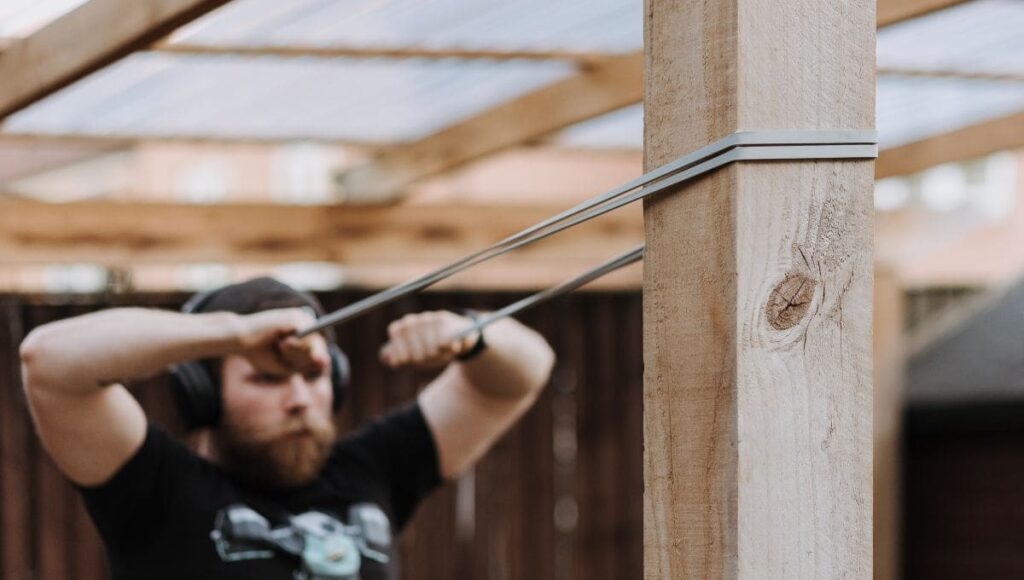
Face pulls are one of the most valuable exercises for shoulder health and posture. Most men over 40 spend too much time internally rotated from desk work, driving, and excessive pressing exercises. Face pulls directly strengthen the muscles responsible for healthier shoulder positioning.
Benefits
- Strengthens rear delts
- Improves scapular control
- Supports rotator cuff health
- Counters rounded shoulders
Programming
- 3 sets
- 12 to 15 reps
Farmer Carry
Loaded carries are often overlooked but extremely effective. Farmer carries train grip strength, posture, core stability, traps, and conditioning simultaneously.
Benefits
- Improves grip strength
- Strengthens postural muscles
- Builds work capacity
- Reinforces spinal stability
Grip strength itself is strongly associated with healthy aging and long term health outcomes.
Programming
- 3 rounds
- 30 to 60 seconds
Back Extension
Back extensions strengthen the spinal erectors and glutes while improving lower back endurance.
Benefits
- Improves posterior chain strength
- Supports spinal stability
- Enhances hip extension mechanics
Programming
- 2 to 3 sets
- 12 to 15 reps
The Best Complete Back Workout for Men Over 40
This workout balances muscle growth, strength, posture, and recovery. It is designed specifically for long term sustainability.
Warm Up
Spend 8 to 10 minutes preparing the body. Warm up sequence:
- Cat camel x 10
- Band pull apart x 15
- Thoracic rotation x 10 each side
- Glute bridge x 12
- Light rowing x 2 minutes
Main Workout
- Trap Bar Deadlift
- 4 sets
- 5 reps
- Chest Supported Row
- 4 sets
- 10 reps
- Pull Up or Assisted Pull Up
- 3 sets
- 6 to 8 reps
- Single Arm Dumbbell Row
- 3 sets per side
- 10 reps
- Face Pull
- 3 sets
- 15 reps
- Back Extension
- 2 sets
- 15 reps
- Farmer Carry
- 3 rounds
- 40 seconds
How Often Should Men Over 40 Train Their Back?
Most men over 40 recover best with one or two dedicated back sessions weekly. Research suggests training muscle groups at least twice weekly may support hypertrophy, but recovery quality matters more than blindly increasing frequency. A balanced weekly split may look like this:
- Monday: Upper body
- Tuesday: Lower body
- Thursday: Back focused session
- Saturday: Conditioning and mobility
The ideal frequency depends on:
- Sleep quality
- Nutrition
- Stress levels
- Training age
- Injury history
- Overall recovery ability
Four Week Progression Plan
Week 1
Focus on technique and controlled reps.
Week 2
Increase weight slightly on compound lifts.
Week 3
Add one rep to accessory exercises.
Week 4
Reduce volume slightly while maintaining intensity.
This approach helps manage fatigue while still driving progress.
Final Thoughts
The best back workout for men over 40 is not about destroying yourself in the gym. It is about building strength, muscle, posture, and resilience in a sustainable way.
A properly designed back training program can improve athletic performance, reduce injury risk, support healthy aging, and dramatically improve quality of life. Focus on compound pulling movements, train consistently, prioritize recovery, and avoid unnecessary ego lifting.
The body remains remarkably adaptable after 40. With intelligent training and long term consistency, men can continue building muscle, improving strength, and staying athletic for decades.
Key Takeaways
| Topic | Key Point |
|---|---|
| Back Training Importance | Strong back muscles improve posture, spinal support, and athletic performance |
| Best Compound Exercise | Trap bar deadlifts build total body strength with reduced spinal stress |
| Best Upper Back Exercise | Chest supported rows effectively target posture muscles with less fatigue |
| Shoulder Health | Face pulls improve scapular control and rotator cuff strength |
| Training Frequency | Most men over 40 recover best with one or two back sessions weekly |
| Recovery Priority | Sleep, protein intake, hydration, and stress management are essential |
| Protein Recommendation | Approximately 1.6 to 2.2 grams per kilogram daily supports muscle growth |
| Best Supplement | Creatine monohydrate remains one of the most evidence based supplements |
| Common Mistake | Excessive volume and poor recovery often limit progress |
| Long Term Success | Consistency and smart programming beat extreme training approaches |
References
- American College of Sports Medicine. (2009) ‘Progression models in resistance training for healthy adults’, Medicine and Science in Sports and Exercise, 41(3), pp. 687 to 708.
- Candow, D.G. and Chilibeck, P.D. (2008) ‘Differences in size, strength, and power of upper and lower body muscle groups in young and older men’, Journals of Gerontology Series A: Biological Sciences and Medical Sciences, 63(4), pp. 337 to 343.
- Chodzko Zajko, W.J. et al. (2009) ‘Exercise and physical activity for older adults’, Medicine and Science in Sports and Exercise, 41(7), pp. 1510 to 1530.
- Dankel, S.J. et al. (2017) ‘Frequency: The overlooked resistance training variable for inducing muscle hypertrophy’, Sports Medicine, 47(5), pp. 799 to 805.
- Fragala, M.S. et al. (2019) ‘Resistance training for older adults: Position statement from the National Strength and Conditioning Association’, Journal of Strength and Conditioning Research, 33(8), pp. 2019 to 2052.
- Grgic, J. et al. (2018) ‘Effects of resistance training performed to repetition failure or non failure on muscular strength and hypertrophy’, Journal of Sport and Health Science, 10(3), pp. 275 to 283.
- Hughes, D.C. et al. (2018) ‘Resistance training and healthy aging: The role of nutrition and exercise’, Biogerontology, 19(1), pp. 19 to 37.
- Hunter, G.R., McCarthy, J.P. and Bamman, M.M. (2004) ‘Effects of resistance training on older adults’, Sports Medicine, 34(5), pp. 329 to 348.