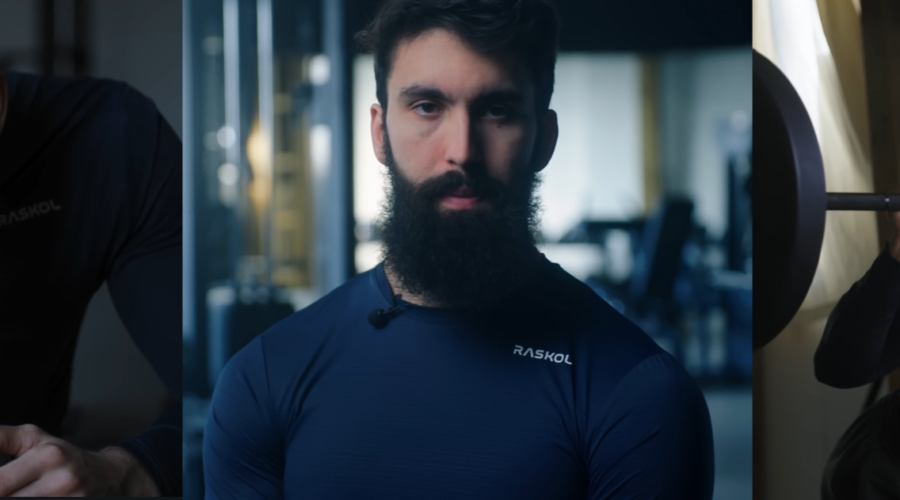


Many lifters put plenty of thought into their training program but give little attention to what they eat before a workout. According to sport scientist and natural bodybuilder Dr. Milo Wolf, that may be costing them performance and potentially muscle growth over time.
In a Youtube video, Wolf broke down the latest research on pre-workout carbohydrates and explained why consuming carbs before training can improve workout quality, particularly during longer and higher-volume sessions.


New Research Supports Pre-Workout Carbs
Wolf highlighted a 2026 meta-analysis that examined 30 studies on resistance training performance. The findings showed that consuming carbohydrates before training produced a small but meaningful improvement in workout performance.
While one workout is unlikely to change someone’s physique, Wolf emphasized the long-term impact of consistently better training sessions.
“One session won’t change your physique, but hundreds of slightly better sessions just might.”
According to Wolf, those small performance improvements can compound over months and years of training.

Why Do Carbs Improve Performance?
Wolf outlined four primary mechanisms that may explain the benefits of pre-workout carbohydrates.
1. Carbs Signal the Brain
Research has shown that even rinsing the mouth with carbohydrates can improve performance. The mouth detects carbohydrates and sends signals to brain regions associated with reward and motor control.
A 2025 meta-analysis found that carbohydrate mouth rinsing improved strength training performance across 24 studies, suggesting that the brain responds positively even before the carbs are digested.
2. Reduced Hunger
Training while hungry can negatively affect performance.
Wolf discussed studies showing that athletes who ate breakfast before training completed significantly more squat repetitions than those who only consumed water.
Additional research found that reducing hunger alone improved workout performance, even when calorie intake remained unchanged.
As Wolf explained, one practical lesson emerges from the research:
“Don’t start training hungry.”
3. Improved Blood Glucose Availability
When carbohydrates are consumed before training, digestion increases blood glucose levels. Working muscles can then use this fuel during demanding training sessions, helping support performance and output.
4. Preserving Muscle Glycogen
Although resistance training does not deplete glycogen to the same degree as endurance exercise, Wolf noted that individual fast-twitch muscle fibers can experience substantial glycogen depletion.
Research has shown some fibers lose more than 50% of their glycogen during hard training sessions, particularly the fibers most responsible for strength and hypertrophy.
When Carbs Matter Most
The research suggests that carbohydrate benefits become more noticeable during:
- Longer workouts
- Higher-volume training sessions
- Higher-repetition workouts
- Hypertrophy-focused programs
- CrossFit-style conditioning sessions
- Challenging lower-body workouts
Practical Carb Recommendations
Wolf recommends consuming carbohydrates anywhere from immediately before training up to two hours beforehand.
For most workouts, he suggests:
- 0.3 to 0.6 grams of carbohydrates per kilogram of body weight
For longer or more demanding sessions, especially leg days:
- 0.8 to 1.2 grams of carbohydrates per kilogram of body weight
Fruit, sports drinks, and other easily digested carbohydrate sources can all be effective options depending on timing and personal preference.
The Takeaway
Wolf’s conclusion is straightforward: most lifters would likely perform better with some carbohydrates before training. While the performance boost may seem small in a single session, consistently improving training quality could lead to greater muscle growth and better long-term results.
About the Author
Jeremiah Oliva

Jeremiah Oliva is a writer passionate about fitness, sports, and active living. He has experience in songwriting and managing content and social media for online radio and magazine platforms.
He covers HYROX, CrossFit®, and competitive fitness, with a focus on performance, mindset, and athlete development.
Outside of writing, Jeremiah trains in boxing, cycles, explores the outdoors with his kids, and plays the guitar.