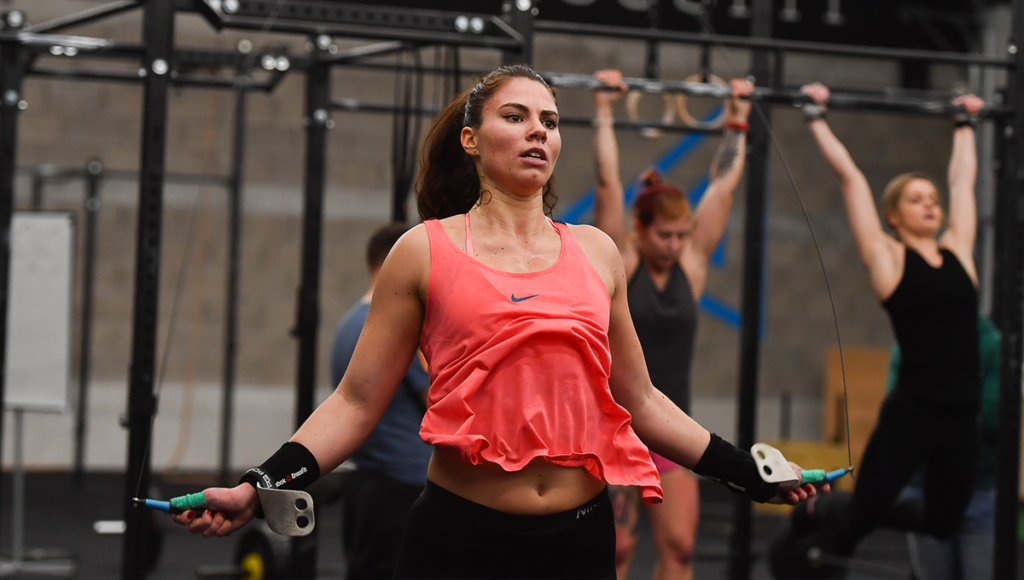


Many people judge their fitness by what they see in the mirror or the number on a scale. Others compare themselves to athletes on social media and assume they are falling behind. The reality is that fitness is much more than appearance. Exercise scientists and health researchers measure physical fitness using factors such as strength, endurance, cardiovascular health, mobility, and recovery rather than body weight alone.
This means you may already be in much better shape than you realize. Your body constantly gives you signals about your health and fitness, but they are often overlooked because they do not seem as exciting as visible abs or a personal best in the gym.



Research consistently shows that physical function predicts long term health better than aesthetics. Small improvements in everyday performance often reflect meaningful changes happening inside your muscles, heart, lungs, nervous system, and metabolism. These improvements reduce the risk of chronic disease, improve quality of life, and increase longevity.
Here are five science backed signs that suggest your fitness level may be better than you think.
Your Resting Heart Rate Has Gone Down
One of the clearest indicators of improving cardiovascular fitness happens when you are doing absolutely nothing.
Your resting heart rate measures how many times your heart beats per minute while your body is completely at rest. For most healthy adults, a normal resting heart rate falls between 60 and 100 beats per minute. Well trained endurance athletes often record values below 60 because their hearts have become more efficient.
Regular aerobic exercise strengthens the heart muscle. As your heart pumps more blood with each beat, it no longer needs to work as hard to supply oxygen throughout the body. The result is a lower resting heart rate.

This change does not happen overnight. It usually develops over weeks or months of consistent training. Walking, running, cycling, rowing, swimming, and high intensity interval training can all contribute to this adaptation. A lower resting heart rate has also been linked with better cardiovascular health and a lower risk of mortality in large population studies. While genetics, medications, and stress can influence heart rate, a gradual decrease alongside regular exercise is generally a positive sign.
Many smartwatches and fitness trackers automatically measure resting heart rate during sleep or quiet periods. Even if your body weight has not changed, seeing this number steadily decline often means your cardiovascular system is becoming more efficient.
Everyday Activities Feel Easier
One of the biggest mistakes people make is assuming that only gym performance reflects progress. In reality, your body is adapting every day in ways that matter much more. Think about carrying groceries, climbing several flights of stairs, chasing your kids around the park, walking long distances during vacations, or moving furniture around the house. If these tasks feel noticeably easier than they did a few months ago, your fitness has improved.
Best 5 Tips for Beginners that Want to Build Stronger Legs
Several physiological adaptations contribute to this change. Your muscles become stronger. Your heart delivers oxygen more efficiently. Your lungs improve their ability to exchange oxygen and carbon dioxide. Your nervous system becomes better at coordinating movement. Even your connective tissues adapt to repeated physical activity.
Researchers often measure functional fitness because it closely reflects how well people perform everyday tasks. Improvements in functional movement have been associated with better health outcomes across all age groups.
Many people overlook these victories because they happen gradually. You may suddenly realize that climbing stairs no longer leaves you breathing heavily or that a long day on your feet no longer feels exhausting. These are meaningful signs that your body is becoming more capable.
Interestingly, perceived effort often decreases before dramatic improvements in athletic performance appear. This means daily life can become easier even while your gym numbers are only improving slowly.
You Recover Faster After Exercise
Recovery is one of the most overlooked markers of physical fitness. Beginners often experience muscle soreness for several days after an unfamiliar workout. They may also notice elevated fatigue, slower movement, and reduced performance for longer periods.
As your body adapts to training, recovery becomes more efficient. Muscle tissue repairs itself more quickly. Inflammation becomes better regulated. Glycogen stores replenish faster. The nervous system becomes more resilient to repeated exercise. A classic example is delayed onset muscle soreness. Although soreness can still occur after particularly intense or unfamiliar sessions, experienced exercisers generally recover much faster than beginners performing the same workload.

Heart rate recovery also improves with increasing fitness. This measures how quickly your heart rate falls after exercise stops. Faster heart rate recovery reflects healthier autonomic nervous system function and has been associated with lower cardiovascular risk. Athletes often monitor recovery because it provides valuable information about training readiness. However, recreational exercisers can notice the same patterns.
If you can complete a challenging workout and feel ready to train again within a day or two instead of feeling exhausted for most of the week, your body has developed greater resilience.
Good sleep, proper nutrition, hydration, and stress management all contribute to recovery, but consistent training is one of the strongest drivers of long term improvements.
You Can Produce More Work Without Feeling Completely Exhausted
Fitness is not simply about how hard you can push yourself once. It is also about how much quality work you can perform before fatigue forces you to stop.
Exercise physiologists often refer to this as work capacity. Perhaps you now complete an extra set during strength training. Maybe you can jog continuously instead of alternating between running and walking. You may notice that you can finish an entire fitness class without needing frequent breaks. These changes reflect improvements in several systems simultaneously.
Your muscles store more glycogen. Your cardiovascular system transports oxygen more efficiently. Your mitochondria become better at producing energy. Your nervous system coordinates movement with less wasted effort.
Strength training also improves muscular endurance. Even if the amount of weight you lift has only increased slightly, performing more repetitions at the same weight demonstrates meaningful progress. Endurance exercise creates similar adaptations. Runners often notice they can maintain the same pace with a lower heart rate. Cyclists can produce the same power output while feeling less fatigued. CrossFit athletes often recover faster between rounds and maintain higher performance throughout longer workouts.
Scientists have repeatedly shown that exercise increases mitochondrial density inside muscle cells. Since mitochondria produce the energy required for muscular contraction, greater mitochondrial capacity allows the body to sustain activity for longer periods before fatigue develops.
If your workouts now feel challenging but manageable instead of overwhelming, your fitness is moving in the right direction.
Your Strength Is Increasing Even If Your Appearance Has Not Changed Much
Many people become discouraged when they do not immediately see physical changes. The problem is that strength gains usually happen much faster than visible muscle growth. During the first several weeks of resistance training, most improvements come from the nervous system rather than larger muscles. Your brain becomes better at activating muscle fibers, coordinating movement, and generating force.
This process is called neural adaptation. As a result, you can often lift heavier weights, perform more repetitions, or complete more difficult body weight exercises before your physique changes dramatically.
Research consistently shows that beginners experience rapid strength gains through improved neuromuscular efficiency. Muscle hypertrophy develops later as consistent training continues. This explains why someone can become significantly stronger while wearing the same clothing size.

Strength itself is also one of the strongest predictors of long term health. Higher levels of muscular strength have been associated with lower risks of cardiovascular disease, disability, and premature death. Maintaining strength becomes increasingly important with age because it supports balance, bone density, independence, and metabolic health.
Progress is not limited to barbells. Perhaps push ups that once seemed impossible now feel comfortable. Maybe carrying luggage no longer strains your back. Opening heavy doors or lifting household objects feels easier than before.
These everyday improvements reflect meaningful increases in functional strength.
Why We Often Underestimate Our Own Fitness
Humans naturally compare themselves with others. Modern social media makes this tendency even stronger. We constantly see elite athletes, fitness influencers, and highly edited images that create unrealistic expectations.
This comparison hides an important truth. Health researchers evaluate fitness based on measurable physiological improvements rather than appearance alone. Lower blood pressure, improved insulin sensitivity, increased aerobic capacity, stronger muscles, better mobility, and faster recovery all indicate meaningful progress even when your reflection appears similar.
Fitness also develops at different rates depending on age, genetics, training history, nutrition, sleep, and lifestyle. Someone returning to exercise after years away may experience enormous health improvements before looking noticeably different. Likewise, an individual maintaining healthy habits over many years may not achieve dramatic body composition changes, yet still possess excellent cardiovascular fitness and muscular strength.
The body rewards consistency much more than perfection. Small improvements repeated week after week produce major health benefits over time.
Focus on Performance Instead of Appearance
One of the healthiest mindset shifts is learning to measure progress by what your body can do rather than how it looks. Instead of focusing exclusively on the scale, pay attention to your resting heart rate, workout recovery, energy levels, strength, endurance, and ability to move comfortably throughout the day.
These are objective signs that your body is adapting in positive ways. Exercise scientists consistently emphasize that regular physical activity reduces the risk of heart disease, type 2 diabetes, certain cancers, depression, and premature death even in people who lose very little weight. In other words, becoming fitter does not always require becoming dramatically leaner.
The strongest evidence continues to show that regular movement, progressive strength training, cardiovascular exercise, adequate recovery, and long term consistency deliver the greatest improvements in health. If you recognize several of these five signs in your own life, there is a good chance you are in better shape than you have been giving yourself credit for.
Key Takeaways
| Sign | What It Suggests | Why It Matters |
|---|---|---|
| Lower resting heart rate | Improved cardiovascular efficiency | Associated with better heart health and lower disease risk |
| Everyday activities feel easier | Better functional fitness | Daily movement requires less effort and fatigue |
| Faster recovery | Improved adaptation to training | Supports consistent exercise and better long term progress |
| Greater work capacity | Improved endurance and energy production | You can sustain more activity before tiring |
| Increasing strength | Better neuromuscular function and muscle performance | Stronger muscles support health, mobility, and longevity |
References
- American College of Sports Medicine (2021) ACSM’s Guidelines for Exercise Testing and Prescription. 11th ed. Philadelphia: Wolters Kluwer.
- Blair, S.N., Kohl, H.W., Paffenbarger, R.S., Clark, D.G., Cooper, K.H. and Gibbons, L.W. (1989) ‘Physical fitness and all cause mortality. A prospective study of healthy men and women’, JAMA, 262(17), pp. 2395 to 2401.
- Booth, F.W., Roberts, C.K. and Laye, M.J. (2012) ‘Lack of exercise is a major cause of chronic diseases’, Comprehensive Physiology, 2(2), pp. 1143 to 1211.
- Cadore, E.L. and Izquierdo, M. (2018) ‘Muscle power training. A hallmark for muscle function retaining in frail clinical setting’, Journal of the American Medical Directors Association, 19(3), pp. 190 to 192.
- Carnethon, M.R., Gulati, M. and Greenland, P. (2005) ‘Prevalence and cardiovascular disease correlates of low cardiorespiratory fitness in adolescents and adults’, JAMA, 294(23), pp. 2981 to 2988.
- Ehsani, A.A., Ogawa, T., Miller, T.R., Spina, R.J. and Jilka, S.M. (1991) ‘Exercise training improves left ventricular systolic function in older men’, Circulation, 83(1), pp. 96 to 103.
- Garber, C.E., Blissmer, B., Deschenes, M.R., Franklin, B.A., Lamonte, M.J., Lee, I.M., Nieman, D.C. and Swain, D.P. (2011) ‘Quantity and quality of exercise for developing and maintaining cardiorespiratory, musculoskeletal, and neuromotor fitness in apparently healthy adults’, Medicine & Science in Sports & Exercise, 43(7), pp. 1334 to 1359.
- Gibala, M.J., Little, J.P., Macdonald, M.J. and Hawley, J.A. (2012) ‘Physiological adaptations to low volume, high intensity interval training in health and disease’, The Journal of Physiology, 590(5), pp. 1077 to 1084.
- Holloszy, J.O. (1967) ‘Biochemical adaptations in muscle. Effects of exercise on mitochondrial oxygen uptake and respiratory enzyme activity’, The Journal of Biological Chemistry, 242(9), pp. 2278 to 2282.
- Myers, J., Prakash, M., Froelicher, V., Do, D., Partington, S. and Atwood, J.E. (2002) ‘Exercise capacity and mortality among men referred for exercise testing’, The New England Journal of Medicine, 346(11), pp. 793 to 801.