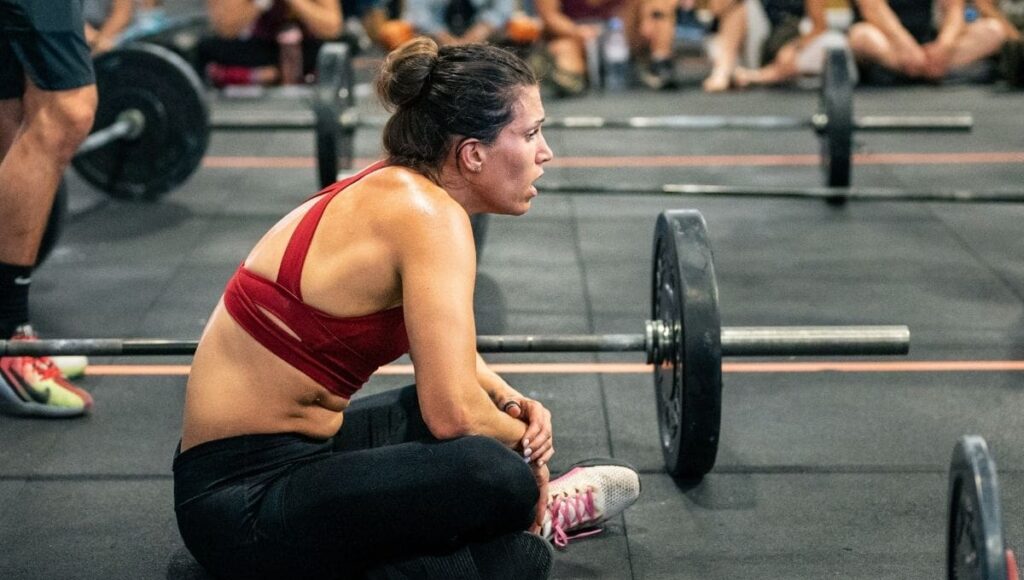


Recovery used to sit quietly in the background. You trained hard, ate what you could, slept as much as life allowed, and hoped your body would be ready for the next session. That approach is starting to feel outdated.
Athletes now pay closer attention to what happens between workouts, especially when training volume is high, and progress gets harder to earn. CrossFit athletes, HYROX competitors, lifters, and endurance-focused gym-goers are looking beyond basic rest days and asking a sharper question: what actually helps the body come back stronger?

That shift has brought a new wave of recovery services into focus. Some are useful. Some are overhyped. The best ones help athletes manage soreness, movement quality, fatigue, and consistency without pretending to replace the fundamentals.
1. Assisted Mobility and Stretching Sessions
Stretching has a mixed reputation in performance circles, often because athletes use it at the wrong time, for the wrong reason, or with expectations that are far too high. A few half-hearted stretches after a brutal session will not undo poor programming, bad sleep, or weeks of built-up fatigue.
Assisted mobility sessions work differently when they are done well.
Instead of guessing which muscles feel tight, an athlete works with a practitioner who can assess range of motion, tissue restrictions, joint control, and movement patterns. For lifters, that might mean improving shoulder position for overhead work, hip rotation for deeper squats, or thoracic mobility for a stronger front rack. For runners and HYROX athletes, it could mean addressing ankle stiffness, hip flexor tension, or poor trunk control under fatigue.
The aim is not to become flexible for its own sake. It is to move better under load, feel less restricted after hard sessions, and reduce the small compensations that can turn into bigger problems over time.
The most useful services support the same fundamentals of elite athlete recovery: movement quality, sleep, nutrition, hydration, soft-tissue care, and smart fatigue management. A good mobility session should help athletes return to better training, not just make them feel relaxed for an hour.

The catch is that mobility work still has to be specific. A generic stretch session might feel good, but a targeted session built around your sport, injury history, and training demands is far more useful. The best practitioners will not promise instant fixes. They help athletes understand where they move well, where they lose efficiency, and what they can do between appointments to keep progress moving.
2. Recovery Lounges and Wellness Clinics
Recovery lounges once felt like a luxury add-on. Now they are becoming a normal part of how serious athletes manage high training volume, especially when sessions are stacked across strength work, conditioning, intervals, and sport-specific practice.
These spaces can include compression boots, red light therapy, sauna protocols, cold exposure, body composition scans, massage, breathwork, and guided downtime. Some options have stronger evidence than others, but the appeal is clear: athletes want structured support that is easier to repeat than guessing what to do after every hard workout.
The strongest recovery lounges are built around consistency. They help athletes create routines, track how they feel, schedule sessions around demanding training days, and avoid treating soreness like an emergency that only gets attention once it becomes a problem.
As recovery lounges add body composition scans, red light therapy, sauna protocols, and wellness consultations, the best medspa software helps keep scheduling, intake forms, treatment notes, and follow-ups connected behind the scenes.
For athletes, the takeaway is simple: a polished recovery service should feel calm, clear, and professional. If the session feels rushed, the claims sound exaggerated, or the provider cannot explain how the service fits your training, it is worth being skeptical.
3. Data-Led Recovery Testing
Athletes like numbers when those numbers make training feel more precise. That is why recovery testing has moved from elite sport into regular gyms, wearable apps, and specialist clinics.
Heart rate variability, resting heart rate, sleep scores, movement screens, body composition scans, and readiness tests can all give athletes useful signals. None should control every decision, but they can reveal patterns that are easy to miss when soreness is the only feedback.
This matters for athletes who train hard several times per week. A poor night of sleep, heavy squats, a stressful workday, and a hard conditioning workout can stack up quickly. Testing gives those athletes a clearer reason to adjust intensity, add low-stress movement, or take a proper rest day before fatigue becomes a bigger setback.
The danger is treating every metric like a command. A low readiness score does not always mean you should skip training, and a strong score does not mean you are bulletproof. The smartest athletes use data as feedback, then combine it with feel, performance, mood, appetite, motivation, and training quality.
Good testing should clarify training decisions, not make them more obsessive.
What Athletes Should Be Careful About
The recovery space has plenty of useful services, but it also attracts big promises. Athletes should be wary of any provider who claims that one session can erase fatigue, prevent injury, or replace the habits that actually drive adaptation.
A good service should have clear pricing, clean facilities, qualified staff, and a simple explanation of how the treatment fits into training. If the pitch sounds vague, the room looks poorly maintained, or the provider cannot explain who the service is best for, that is a red flag.

Recovery should make training more sustainable, not turn into another expensive thing athletes feel pressured to chase. The best services give you a clearer plan, better feedback, or a routine you can repeat. They should never make sleep, food, hydration, and smart programming feel optional.
The Basics Still Matter Most
Recovery services can be useful, but they work best when the foundation is already in place. No massage, cold plunge, or scan can fully compensate for poor sleep, low protein, dehydration, rushed warm-ups, or training blocks that never include easier days.
This is where many athletes make recovery harder than it needs to be. They chase advanced tools before fixing the habits that affect every session. A consistent sleep schedule, enough food, smart programming, and regular low-intensity movement will usually do more than an expensive add-on used once in a while.
That does not make recovery services pointless. It means they should support the plan, not rescue it. Assisted mobility can help an athlete move better. Recovery lounges can make structured downtime easier to repeat. Testing can reveal patterns in fatigue. But the basics decide whether those services have anything solid to build on.
For athletes who feel stiff, sore, or run down between sessions, active recovery is often a better first step than doing nothing or adding another hard workout. Walking, easy cycling, swimming, mobility work, and light movement can help the body recover without adding more stress.
The smartest plan is rarely the flashiest one. It is the plan that an athlete can repeat consistently while still training hard enough to improve.
Conclusion
The recovery market is growing because athletes are asking better questions. They want to train hard, recover well, and stay consistent without guessing their way through soreness and fatigue.
Assisted mobility, recovery lounges, and data-led testing can all help when they support a sensible training plan. Problems start when athletes treat them as shortcuts instead of tools.
Build the basics first, then use the right services to sharpen the process. Recovery should help you train smarter, move better, and come back ready for the next session.