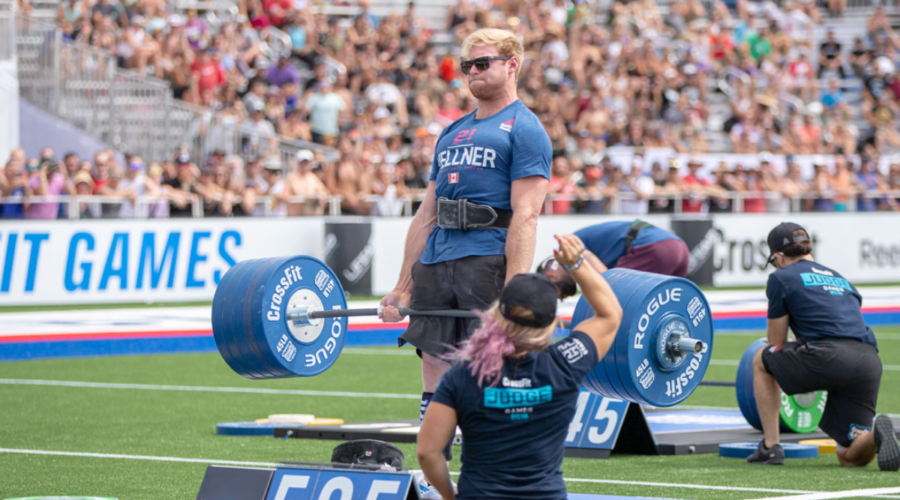


A 500lb deadlift is one of the most respected strength milestones in the gym. It does not matter whether you are a powerlifter, CrossFit athlete, bodybuilder, or recreational lifter, pulling five plates per side instantly puts you in serious strength territory. Very few people ever achieve it.
A 500lb deadlift is rarely the result of one magical training cycle or one lucky max-out session. It is usually the product of years spent building specific strength qualities through progressive milestones. Before you ever lock out 500lb (227kg), there are four numbers you should be capable of hitting first.


The 4 Numbers
If your goal is a 500lb deadlift, these are the benchmarks you should aim for:
- 350lb x 16 reps
- 400lb x 8 reps
- 450lb x 4 reps
- 475lb x 2 reps
These numbers are based on widely used strength prediction formulas and represent the gradual progression from muscular endurance into elite-level maximal strength.
If you can hit these numbers with solid technique, your 500lb deadlift is likely much closer than you think.
Why These Benchmarks Matter
A true 500lb deadlift requires far more than brute force.
It demands:
- Strong posterior chain development
- Efficient pulling mechanics
- Elite grip strength
- High neurological output
- Mental resilience under heavy loads
Each benchmark develops a different piece of that puzzle. Together, they create the foundation needed for a successful 500lb pull.
350lb x 16: Building the Foundation
Most lifters want to skip straight to heavy triples and singles. That is often why progress stalls early. Pulling 350lb for 16 reps demonstrates:
- Excellent work capacity
- Strong posterior chain endurance
- Efficient deadlift mechanics under fatigue
- Mental toughness
High-rep deadlifts are brutally uncomfortable.
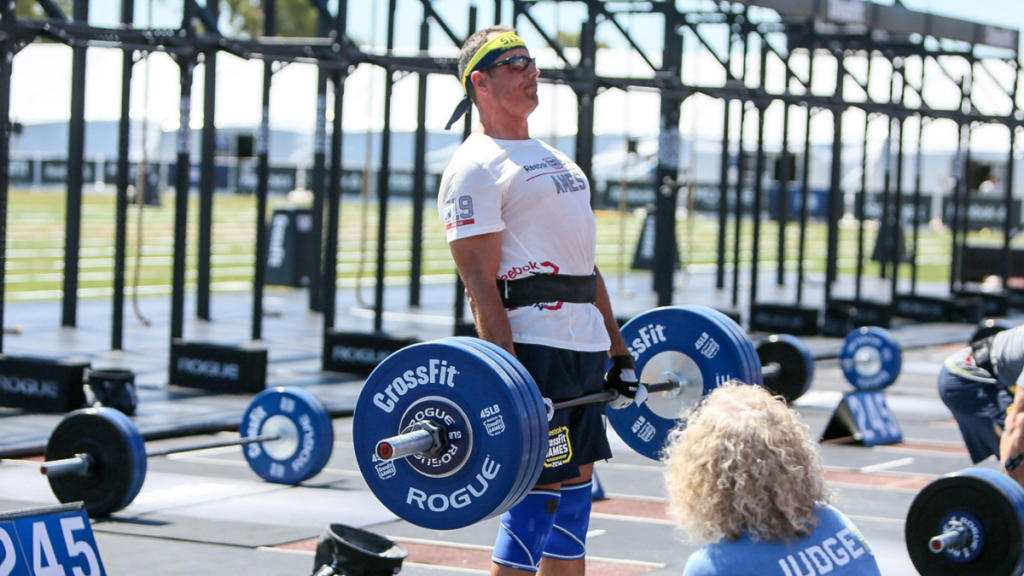
Your lungs burn, your grip starts failing, and your lower back gets tested hard. But this phase builds the muscular foundation needed for heavier pulls later. This is where many lifters develop the durability that separates strong deadlifters from injured deadlifters.
400lb x 8: Entering Serious Strength Territory
Eight reps at 400lb is already impressive strength. At this stage, the deadlift becomes much more neurological and technical. This milestone proves that you can:
- Generate repeated force under heavy load
- Maintain positioning throughout long sets
- Recover from demanding training sessions
- Stay technically efficient as fatigue builds
This is also where weaknesses become obvious.
- If your grip fails first, grip strength is likely holding you back.
- If your hips rise too early, your quads may be lagging.
- If lockout becomes difficult, your glutes or upper back might need more work.
Rep work exposes problems long before a max attempt does.
450lb x 4: The Bridge to Elite Pulling
Four reps at 450lb places you very close to a 500lb deadlift already. Now the challenge becomes heavily neurological. Heavy sets at this level demand:
- Exceptional bracing
- Efficient bar path mechanics
- Strong lat engagement
- Aggressive force production
This is also where lifters learn how genuinely heavy weights feel. That matters more than people realize.
The psychological shock of heavy loading can destroy confidence if you are not prepared for it. Exposure to near-maximal weights teaches your nervous system how to stay composed under serious load.
475lb x 2: The Final Checkpoint
If you can deadlift 475lb for a clean double, 500lb is usually within reach. Doubles are brutally honest. You cannot fake them with adrenaline alone. A strong double proves that:
- Your maximal strength is developed
- Your technique holds up near your limit
- Your nervous system can tolerate elite-level loading
- You are mentally prepared
For many lifters, this is where the barrier finally breaks psychologically. Once 475lb moves confidently, adding another 25lb suddenly feels realistic.

The Biggest Mistakes Lifters Make Chasing 500lb
1. Pulling Heavy Too Often
Deadlifts are incredibly taxing on the nervous system and recovery. Constant maxing out usually leads to:
- Fatigue accumulation
- Lower back irritation
- Stalled progress
- Poor technique habits
Most strong deadlifters spend far more time building volume than testing maxes.
2. Ignoring Technique
Small technical improvements can add huge weight to your pull. Common problems include:
- Loose lats
- Poor bracing
- Starting too far from the bar
- Hips positioned incorrectly
- Weak lockout mechanics
Efficiency matters massively in the deadlift.
3. Neglecting Accessories
Big deadlifts are built with:
- Romanian deadlifts
- Rows
- Hamstring curls
- Glute work
- Core training
- Heavy carries
Your deadlift is only as strong as the muscles supporting it.
4. Underestimating Recovery
A stronger deadlift requires more than hard training. You also need:
- Sleep
- Food
- Smart programming
- Deload periods
- Recovery management
Many lifters train hard enough for 500lb but fail to recover hard enough for it.
Why the 500lb Deadlift Is So Respected
Unlike many gym lifts, the deadlift has very little room for hiding weaknesses. It exposes:
- Poor positioning
- Weak grip
- Lack of bracing
- Mental hesitation
- Insufficient strength
That is why a 500lb deadlift still carries serious respect across almost every strength sport. It represents raw, full-body force production in one of its purest forms.
Final Thoughts
A 500lb deadlift is not built through random max attempts. It is built progressively through measurable strength milestones. If you can hit:
- 350lb x 16
- 400lb x 8
- 450lb x 4
- 475lb x 2
…then your 500lb deadlift is probably much closer than you realise.
Train patiently, build strength methodically, and remember: The strongest deadlifts are earned long before the PR attempt ever leaves the floor.
Want to Squat Double Bodyweight? Here are 4 Numbers You Need to Hit First