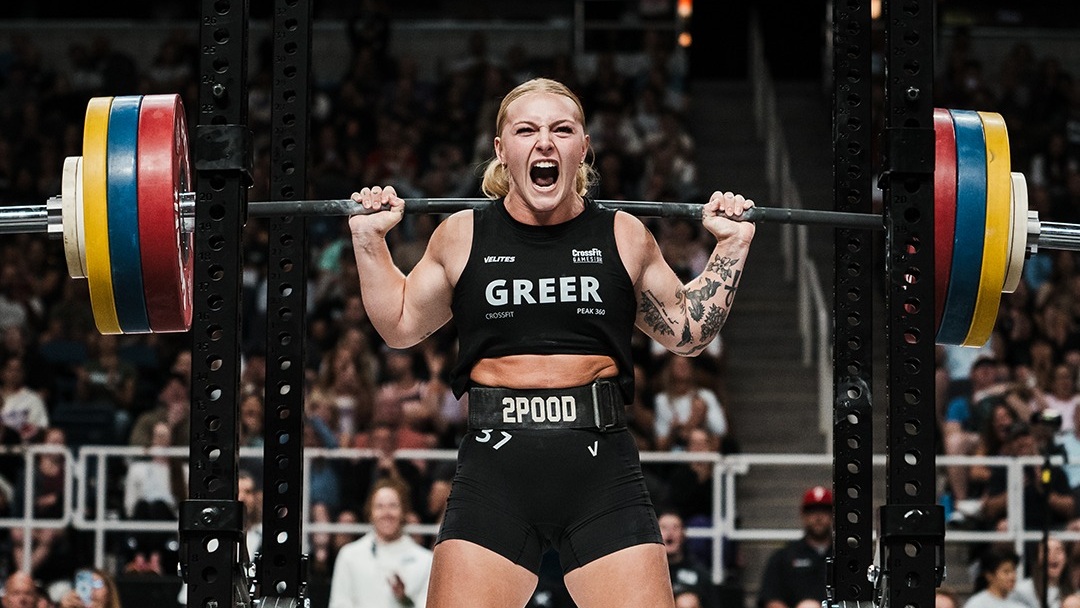


A double bodyweight squat is a clear signs of real lower-body strength. It is not just impressive inside the gym, it represents years of consistent training, strong movement mechanics, and serious physical capability.
Big squats are built through predictable strength milestones. Before you ever load up a true double bodyweight attempt, there are four numbers that strongly suggest you are ready for it. These numbers are guidelines, and indications of periodization.


The 4 Numbers
If your goal is to squat double bodyweight, these are the benchmarks you should aim to hit first:
- 1.4x bodyweight x 16 reps
- 1.6x bodyweight x 8 reps
- 1.8x bodyweight x 4 reps
- 1.9x bodyweight x 2 reps
These numbers are based on widely used strength prediction formulas and represent progressive stages of muscular endurance, technical efficiency, and maximal strength development. In simple terms, if you can hit these numbers cleanly, a double bodyweight squat is probably much closer than you think.

Example Numbers
For an 80kg athlete aiming for a 160kg squat:
- 112kg x 16
- 128kg x 8
- 144kg x 4
- 152kg x 2
For a 90kg athlete chasing a 180kg squat:
- 126kg x 16
- 144kg x 8
- 162kg x 4
- 171kg x 2
And for a 100kg athlete targeting the iconic 200kg squat:
- 140kg x 16
- 160kg x 8
- 180kg x 4
- 190kg x 2
1.4x Bodyweight x 16: Building the Engine
Most people underestimate how important high-rep squats are for building elite strength. Heavy sets are essential, but volume creates the foundation.
Squatting 1.4 times your bodyweight for 16 reps demonstrates:
- Excellent leg endurance
- Strong work capacity
- Technical consistency under fatigue
- A solid muscular base
High-rep squats are brutally demanding. Your lungs burn, your core gets tested, and your legs feel like they are on fire. But that discomfort develops the physical and mental resilience needed for heavier loading later. This phase builds the engine.
1.6x Bodyweight x 8: Entering Serious Strength Territory
Eight reps with 1.6 times your bodyweight is where things start getting real. At this point, strength matters far more than conditioning. This milestone shows that you can:
- Produce force repeatedly under heavy load
- Maintain squat depth and positioning
- Keep your torso stable throughout the set
- Recover from demanding training
This stage also exposes weaknesses quickly.
- If your knees collapse inward, your glutes may need strengthening.
- If you lose torso position, your core or upper back could be limiting you.
- If depth disappears as fatigue builds, mobility or technical efficiency might be the issue.
Rep work tells the truth long before max attempts do.
1.8x Bodyweight x 4: The Strength Bridge
Four reps at 1.8 times bodyweight puts you extremely close to a double bodyweight squat already. Now the challenge becomes neurological as much as muscular. Heavy quadruples demand:
- Efficient bracing
- Strong bar path control
- Explosive force production
- Confidence under serious weight
This is the stage where many lifters stop “training” and start learning how to handle genuinely heavy loads. That experience matters. A heavy bar on your back changes how your body and mind respond. Exposure teaches confidence, stability, and aggression.
1.9x Bodyweight x 2: The Final Test
If you can squat 1.9 times your bodyweight for a clean double, you are likely ready for the full milestone. Doubles are brutally honest. You cannot rely purely on adrenaline or luck.
A strong double proves that:
- Your maximal strength is highly developed
- Your mechanics stay stable near your limit
- Your nervous system tolerates heavy loading
- You are mentally prepared
For many lifters, this is the moment the psychological barrier breaks. Once 1.9x bodyweight moves well, doubling your bodyweight no longer feels impossible. It feels inevitable.
Why These Numbers Matter
Strength prediction formulas are not perfect, but they are surprisingly accurate when paired with proper technique and real effort. More importantly, these benchmarks ensure that your strength is not just theoretical. Anyone can have a “good day” and grind out a sloppy max attempt.
But being able to move heavy weights across multiple rep ranges shows durable, repeatable strength. That is what elite lifting is built on.
The Biggest Mistakes Lifters Make
1. Maxing Out Too Often
Heavy singles are exciting, but constantly testing your limit destroys recovery and slows progress. Most strong squatters spend far more time accumulating quality volume than maxing out.
2. Ignoring Mobility
Limited ankle, hip, or thoracic mobility can ruin squat mechanics. Poor mobility often leads to:
- Forward torso collapse
- Knee cave
- Loss of depth
- Lower back compensation
Good movement quality matters.
3. Neglecting Accessories
Big squats are supported by:
- Bulgarian split squats
- Romanian deadlifts
- Front squats
- Leg presses
- Hamstring work
- Core training
Your squat is only as strong as the muscles stabilising it.
4. Not Eating Enough
Building elite squat strength usually requires muscle mass. A larger muscle cross-sectional area generally improves force production, especially in the quads, glutes, and spinal erectors. Many lifters trying to squat double bodyweight simply underfuel their progress.
How Long Does It Take to Squat Double Bodyweight?
It depends entirely on your training age, bodyweight, recovery, and consistency. For beginners, it may take years. For intermediate lifters already squatting 1.5–1.7x bodyweight, it could happen within a focused training cycle. The key is understanding that strength progression is rarely linear.
You will experience:
- Fast early gains
- Plateaus
- Fatigue phases
- Sudden breakthroughs
The athletes who eventually reach elite milestones are usually the ones who stay patient through all of them.
Final Thoughts
A double bodyweight squat is not achieved by accident. It is built progressively through measurable milestones.
If you can hit:
- 1.4x bodyweight x 16
- 1.6x bodyweight x 8
- 1.8x bodyweight x 4
- 1.9x bodyweight x 2
…then your double bodyweight squat is likely within reach. Trust the process and train intelligently.
Want to Bench Press 100kg / 220lbs? Here Are 4 Numbers You Need to Hit First