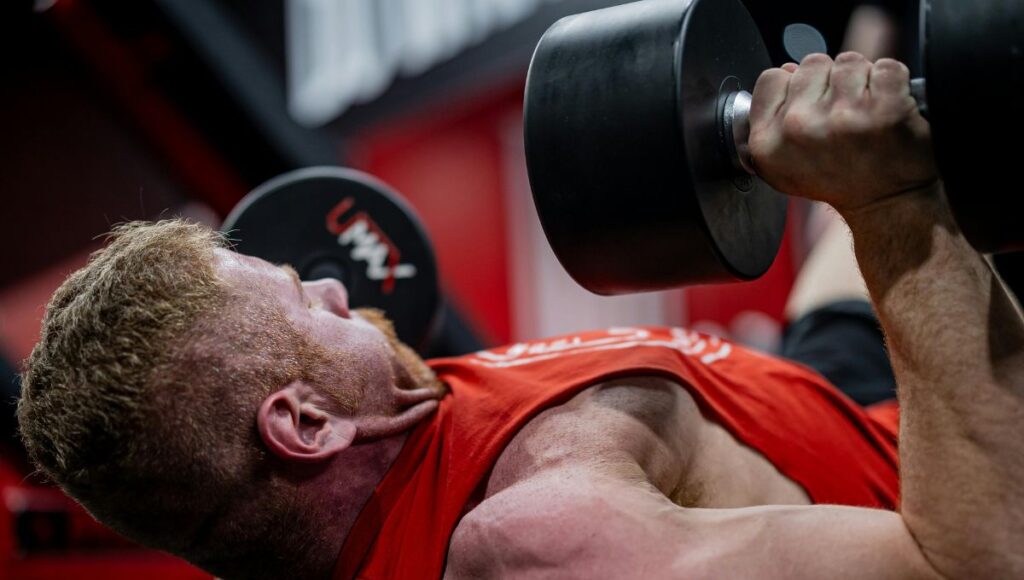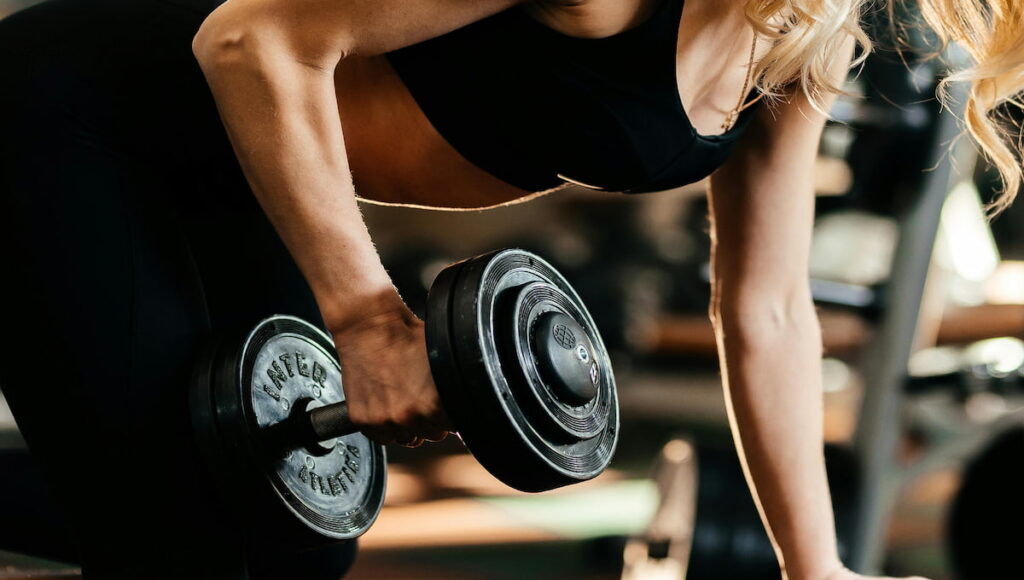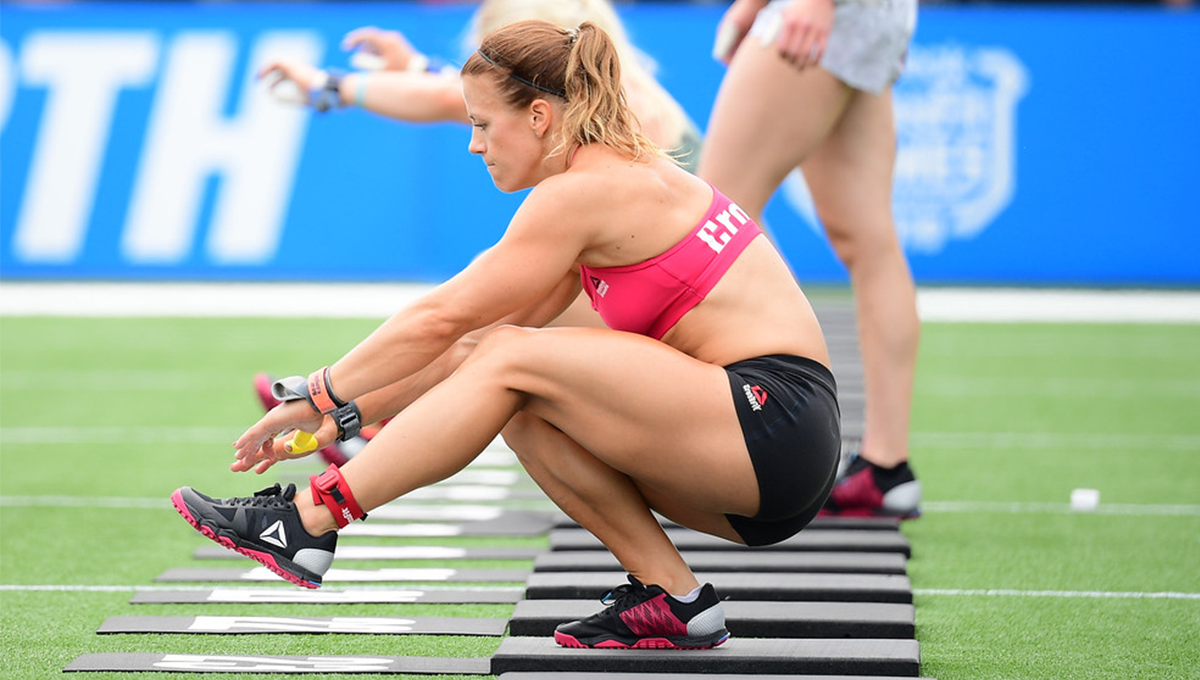


Building strength is one of the most effective ways to improve long term health, maintain independence, and enhance athletic performance. At the same time, many people worry that lifting weights or exercising intensely will damage their joints. The scientific evidence tells a different story.
Research consistently shows that appropriately loaded exercise improves joint health by strengthening muscles, tendons, ligaments, cartilage, and bone. Regular resistance training can reduce pain, improve function, enhance mobility, and even help protect against age related declines in musculoskeletal health. The key is choosing exercises that develop strength while promoting healthy movement patterns.



The best exercises for strength and joint health share several characteristics. They train multiple muscle groups, encourage natural movement mechanics, improve stability, and allow progressive overload without excessive joint stress. These exercises also strengthen the tissues surrounding the joints, helping improve resilience and reduce injury risk.
Here are the 10 best exercises that combine strength development with long term joint health.
Why Strength Training Supports Joint Health
Before looking at the exercises themselves, it is important to understand why resistance training is beneficial for the joints.
Articular cartilage depends on movement and loading to receive nutrients. Muscles surrounding joints act as shock absorbers, reducing mechanical stress on passive structures. Resistance training also increases bone mineral density, improves tendon stiffness, and enhances neuromuscular control.
Studies involving people with osteoarthritis, older adults, and athletes have repeatedly shown that properly prescribed strength training improves joint function and reduces pain rather than worsening it. Even populations with existing knee and hip issues often experience significant improvements through structured resistance exercise.
The following exercises stand out because they provide substantial strength benefits while supporting healthy joint function throughout the body.
1. The Goblet Squat

Why It Works
The goblet squat is one of the most accessible lower body exercises available. Holding a dumbbell or kettlebell against the chest encourages a more upright torso position, reducing stress on the lower back while promoting healthy squat mechanics.
The movement strengthens the quadriceps, glutes, hamstrings, and core. At the same time, it improves ankle, knee, and hip mobility through a large range of motion.
Research has shown that squatting can enhance cartilage health by exposing the joint to controlled loading. Stronger quadriceps are also associated with improved knee function and reduced risk of knee pain.
Joint Health Benefits
The goblet squat distributes forces effectively across the hips, knees, and ankles. It teaches coordination between major lower body joints and improves movement quality in everyday activities such as sitting, standing, and climbing stairs.
2. The Romanian Deadlift
Why It Works
The Romanian deadlift targets the posterior chain, including the glutes, hamstrings, spinal erectors, and upper back. Unlike conventional deadlifts, the Romanian variation emphasizes hip hinging and controlled eccentric loading.
Strong posterior chain muscles help support the spine, pelvis, hips, and knees. Many individuals with knee discomfort benefit from improving hamstring and glute strength because these muscles help manage forces during movement.
Joint Health Benefits
The exercise improves hip function while strengthening tissues that stabilize the knee and lower back. It also develops resilience in tendons through controlled loading, which is important for injury prevention and healthy aging.
3. The Split Squat

Why It Works
The split squat trains one leg at a time, increasing demands on balance, coordination, and stabilization. It develops strength in the quadriceps, glutes, and adductors while exposing each leg to substantial loading.
Unilateral exercises are particularly valuable because they address strength imbalances that may contribute to inefficient movement patterns.
Joint Health Benefits
The split squat improves hip stability and knee control. It also allows individuals to train the lower body intensely with relatively lighter loads compared with bilateral exercises, reducing overall joint stress while maintaining a strong training stimulus.
4. The Farmer’s Carry
Why It Works
The farmer’s carry involves walking while holding heavy weights at the sides. Although it appears simple, it challenges nearly every major muscle group.
The exercise strengthens the hands, forearms, shoulders, core, hips, and legs while improving posture and gait mechanics.
Joint Health Benefits
Carrying exercises improve shoulder stability and trunk strength, both of which are essential for healthy movement. Research suggests loaded carries can enhance functional capacity and support musculoskeletal resilience through whole body loading.
The farmer’s carry also strengthens grip, which has been linked to overall health outcomes and functional independence.
5. The Push Up

Why It Works
The push up is one of the most effective upper body exercises ever studied. It develops the chest, shoulders, triceps, and core without requiring specialized equipment.
Unlike some machine based exercises, push ups encourage coordinated movement across multiple joints.
Joint Health Benefits
The movement promotes scapular control and shoulder stability. Healthy shoulder function depends heavily on coordinated movement between the shoulder blade and upper arm.
Because the hands remain fixed against the ground, push ups often feel more natural and comfortable for individuals who experience shoulder irritation during pressing exercises.
6. The Pull Up
Why It Works
Pull ups build strength throughout the upper back, lats, biceps, and grip. They are among the most effective exercises for developing relative strength.
Many people spend significant portions of the day sitting and working at computers. Pull ups help counteract some of the muscular imbalances associated with prolonged sitting.
Joint Health Benefits
The exercise strengthens the muscles responsible for stabilizing the shoulder complex. Strong upper back muscles contribute to improved posture and shoulder mechanics.
When performed with proper technique and appropriate progression, pull ups can improve shoulder function while developing impressive upper body strength.
7. The Hip Thrust
Why It Works
The hip thrust directly targets the gluteal muscles through a large range of motion. Strong glutes are critical for efficient movement and lower body joint health.
Research has shown that glute weakness is associated with altered lower limb mechanics that may increase stress on the knees and hips.
Joint Health Benefits
By improving hip extension strength, the hip thrust supports better movement patterns during walking, running, jumping, and lifting.
The exercise places relatively little stress on the knees while providing substantial benefits for lower body strength and performance.
8. The Overhead Press
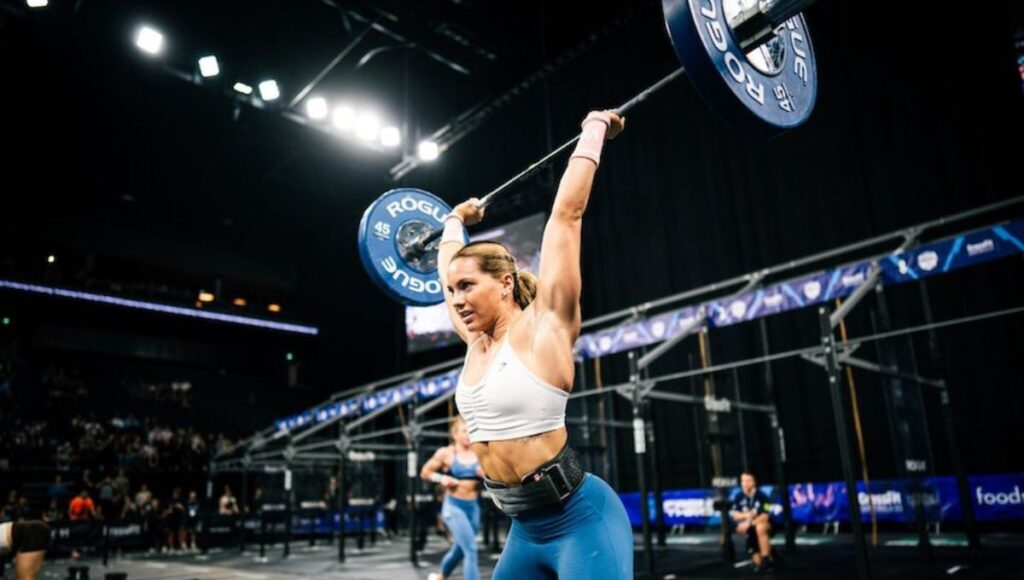
Why It Works
The overhead press develops strength in the shoulders, triceps, upper chest, and core. Unlike many isolation movements, it requires full body coordination and stabilization. The movement challenges the body to create stability while producing force through the upper extremities.
Joint Health Benefits
When performed correctly, the overhead press can improve shoulder mobility, stability, and strength. The exercise strengthens the rotator cuff and surrounding musculature that support healthy shoulder function. Proper progression is important because shoulder mobility limitations can affect technique.
9. The Step Up
Why It Works
Step ups closely mimic daily activities such as climbing stairs and stepping onto elevated surfaces. They train the quadriceps, glutes, hamstrings, and calves while improving balance.
Because each leg works independently, step ups can help identify and address side to side strength differences.
Joint Health Benefits
Research has shown that functional lower body exercises improve mobility and reduce fall risk, especially among older adults. The controlled nature of step ups allows individuals to build strength while minimizing excessive impact forces on the joints.
10. The Sled Push
Why It Works
The sled push has become increasingly popular among athletes and general fitness enthusiasts. It develops lower body strength, cardiovascular fitness, and work capacity simultaneously.
Unlike many traditional exercises, sled pushing involves concentric muscle actions with minimal eccentric stress.
Joint Health Benefits
Because eccentric loading is limited, sled pushes often produce less muscle soreness and lower joint irritation compared with some other exercises.
The movement allows individuals to train intensely while reducing mechanical stress on the joints. This makes it especially useful during rehabilitation and for people seeking lower impact training options.
How to Use These Exercises Effectively
Selecting the right exercises is only part of the equation. Training volume, intensity, recovery, and technique all influence outcomes.
Most people benefit from performing resistance training two to four times per week. Research indicates that consistent moderate to high intensity resistance training improves strength, physical function, and musculoskeletal health across a wide range of populations.
Progressive overload remains essential. Gradually increasing resistance, repetitions, or training volume stimulates adaptation while allowing tissues to strengthen over time.
Technique should always take priority over load. Poor movement patterns can increase stress on joints, whereas sound mechanics help distribute forces efficiently throughout the body.
Common Myths About Strength Training and Joint Health
Myth 1: Squats Are Bad for the Knees
Research does not support this claim. Healthy squatting strengthens the muscles surrounding the knee and exposes cartilage to beneficial loading. In many cases, stronger quadriceps are associated with reduced knee pain and improved function.
Myth 2: Lifting Weights Causes Arthritis
Current evidence suggests the opposite. Regular resistance training supports joint health and helps maintain function as people age. Physical inactivity appears far more problematic for long term joint health than appropriately prescribed exercise.
Myth 3: Joint Pain Means You Should Stop Training
Temporary discomfort does not always indicate injury. Many individuals with chronic joint conditions benefit from structured exercise programs. Persistent or worsening pain should be evaluated by a qualified healthcare professional, but avoiding movement altogether is rarely the best solution.
Final Thoughts
The strongest bodies are often the most resilient bodies. Strength training does much more than build muscle. It improves joint function, enhances mobility, supports healthy aging, and reduces the risk of injury.
The goblet squat, Romanian deadlift, split squat, farmer’s carry, push up, pull up, hip thrust, overhead press, step up, and sled push represent some of the best exercises available for simultaneously building strength and supporting joint health.
When performed with proper technique and progressed appropriately, these movements strengthen the muscles and connective tissues that protect your joints while improving overall physical performance. The result is a body that is not only stronger, but also more capable of moving well for decades to come.
Key Takeaways
| Exercise | Primary Strength Benefit | Joint Health Benefit |
|---|---|---|
| Goblet Squat | Lower body strength | Supports knee, hip, and ankle function |
| Romanian Deadlift | Posterior chain development | Improves hip and lower back resilience |
| Split Squat | Unilateral leg strength | Enhances knee stability and balance |
| Farmer’s Carry | Full body strength | Improves shoulder and core stability |
| Push Up | Upper body pressing strength | Promotes healthy shoulder mechanics |
| Pull Up | Upper back strength | Supports shoulder stability and posture |
| Hip Thrust | Glute development | Improves hip function and lower limb mechanics |
| Overhead Press | Shoulder and triceps strength | Builds shoulder stability and mobility |
| Step Up | Functional lower body strength | Enhances balance and joint control |
| Sled Push | Strength and conditioning | Provides low impact joint friendly loading |
References
• Aagaard, P., Suetta, C., Caserotti, P., Magnusson, S.P. and Kjaer, M. (2010) ‘Role of the nervous system in sarcopenia and muscle atrophy with aging: strength training as a countermeasure’, Scandinavian Journal of Medicine & Science in Sports, 20(1), pp. 49-64.
• Fransen, M., McConnell, S., Hernandez Molina, G. and Reichenbach, S. (2015) ‘Exercise for osteoarthritis of the knee’, Cochrane Database of Systematic Reviews, 1, pp. 1-146.
• Kell, R.T., Bell, G. and Quinney, A. (2001) ‘Musculoskeletal fitness, health outcomes and quality of life’, Sports Medicine, 31(12), pp. 863-873.
• Kraemer, W.J. and Ratamess, N.A. (2004) ‘Fundamentals of resistance training: progression and exercise prescription’, Medicine & Science in Sports & Exercise, 36(4), pp. 674-688.
• Lauersen, J.B., Bertelsen, D.M. and Andersen, L.B. (2014) ‘The effectiveness of exercise interventions to prevent sports injuries: a systematic review and meta analysis of randomised controlled trials’, British Journal of Sports Medicine, 48(11), pp. 871-877.
• Mangione, K.K., Miller, A.H. and Naughton, I.V. (2010) ‘Cochrane review: improving physical function and performance with progressive resistance strength training in older adults’, Physical Therapy, 90(12), pp. 1711-1715.
• Messier, S.P., Loeser, R.F., Miller, G.D., Morgan, T.M., Rejeski, W.J., Sevick, M.A., Ettinger, W.H., Pahor, M. and Williamson, J.D. (2004) ‘Exercise and dietary weight loss in overweight and obese older adults with knee osteoarthritis’, Arthritis & Rheumatism, 50(5), pp. 1501-1510.
• Muehlbauer, T., Gollhofer, A. and Granacher, U. (2015) ‘Associations between measures of balance and lower extremity muscle strength and power in healthy adults’, Journal of Strength and Conditioning Research, 29(11), pp. 3200-3205.
• Peterson, M.D., Rhea, M.R. and Sen, A. (2010) ‘Resistance exercise for muscular strength in older adults: a meta analysis’, Ageing Research Reviews, 9(3), pp. 226-237.
• Segal, N.A., Glass, N.A., Torner, J., Yang, M., Felson, D.T., Sharma, L., Nevitt, M. and Lewis, C.E. (2010) ‘Quadriceps weakness predicts risk for knee joint space narrowing in women in the MOST cohort’, Osteoarthritis and Cartilage, 18(6), pp. 769-775.
• Westcott, W.L. (2012) ‘Resistance training is medicine: effects of strength training on health’, Current Sports Medicine Reports, 11(4), pp. 209-216.
• Wyndow, N., Collins, N., Vicenzino, B., Tucker, K. and Crossley, K. (2016) ‘Is there a biomechanical link between gluteal muscle weakness and lower extremity injury?’, Gait & Posture, 44, pp. 93-99.