How Much Should You Be Able to Deadlift Based on Your Age?


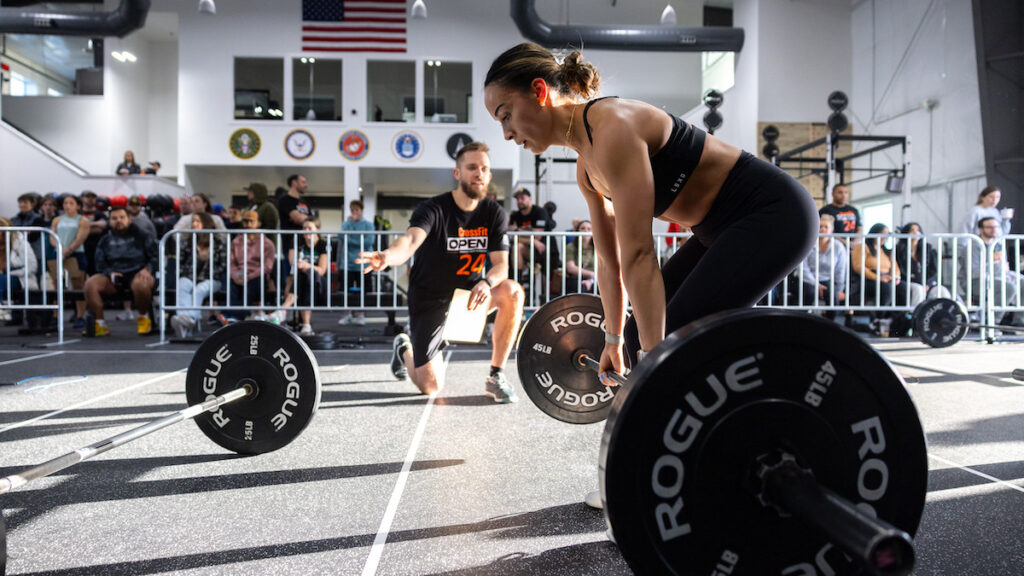
The deadlift is one of the best exercises for measuring full body strength. It challenges nearly every major muscle group, including the glutes, hamstrings, quadriceps, spinal erectors, upper back, core, and grip. Unlike many gym lifts that isolate one area, the deadlift reflects how well your entire body works together to produce force.
One of the most common questions people ask is whether they are lifting enough for their age. The answer is more complicated than a single number because deadlift performance depends on body weight, training history, sex, technique, injury history, and overall health. Age also plays an important role, but perhaps not in the way many people expect.


Research consistently shows that muscle strength generally increases through early adulthood, peaks somewhere between the late twenties and late thirties, remains relatively stable through middle age with continued training, and gradually declines later in life. However, resistance training can dramatically slow this decline and allow many older adults to remain exceptionally strong.
This article explains what you should realistically expect from your deadlift at different ages, why strength changes across the lifespan, and what science says you can do to keep improving.
Why Age Affects Deadlift Strength
Strength depends on several biological factors that change throughout life.
Muscle mass is one of the biggest contributors. During adolescence and early adulthood, testosterone, growth hormone, and insulin like growth factor help increase muscle size and strength. Neural adaptations also improve rapidly, allowing the nervous system to recruit muscle fibers more efficiently.
As people move into middle age, hormone levels gradually decline. Recovery also becomes slower because muscle protein synthesis becomes less responsive to training and nutrition. Connective tissues become less elastic, making injury prevention increasingly important.

After approximately age 50, many adults begin losing muscle mass through a process called sarcopenia. Research estimates that adults lose roughly 3 percent to 8 percent of muscle mass per decade after age 30, with the rate accelerating after age 60. Strength usually declines even faster than muscle size because of changes in the nervous system.
Fortunately, resistance training remains highly effective throughout life. Numerous studies have shown that adults in their seventies, eighties, and even nineties can significantly increase muscle mass, improve strength, and enhance functional independence through properly designed strength training programs.
What Makes a Good Deadlift?
Comparing yourself with elite powerlifters is rarely helpful. Instead, coaches often evaluate strength using multiples of body weight. For healthy adults with good technique, these are commonly accepted benchmarks.
- A beginner can usually deadlift around half of their body weight.
- An intermediate lifter often reaches approximately 1.25 to 1.5 times body weight.
- An advanced recreational lifter commonly pulls between 1.75 and 2 times body weight.
- Highly competitive powerlifters frequently exceed 2.5 times body weight, with elite athletes reaching even higher numbers.
These standards assume proper technique and consistent training rather than occasional gym sessions.
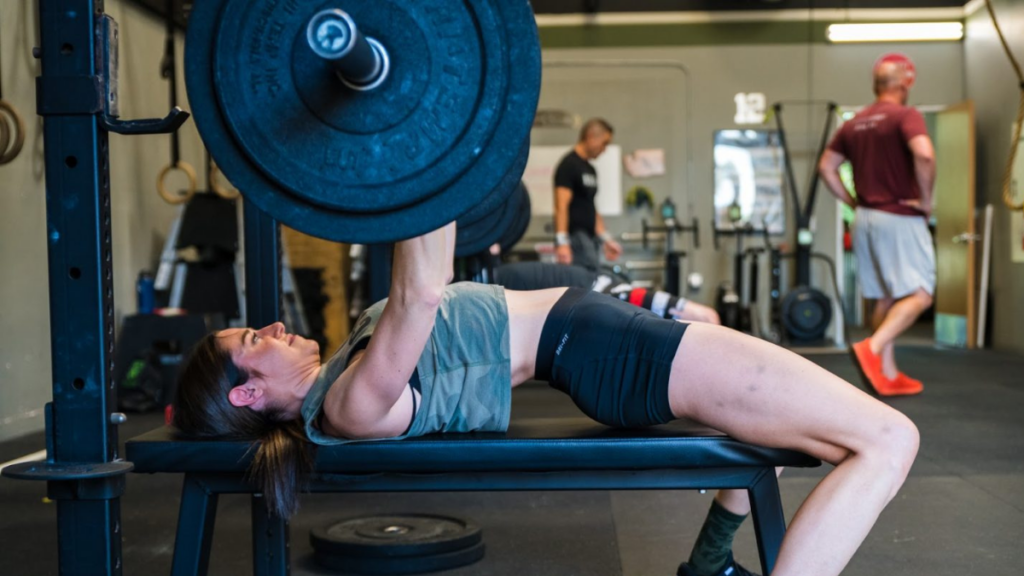
Is the Bench Press the Perfect Chest Exercise for Stronger Pecs?
Deadlift Expectations in Your Teens
Teenagers experience some of the fastest strength gains because of rapid physical development. Most teenagers should focus on learning movement quality rather than chasing maximum weight. Research consistently shows that properly supervised resistance training is both safe and effective for adolescents. It improves muscular strength, athletic performance, bone health, and confidence while carrying a very low injury risk when qualified supervision is provided.
By the late teenage years, many males can deadlift their body weight with solid training. Female teenagers often reach between 0.75 and 1.25 times body weight depending on experience and athletic background.
Athletes involved in football, wrestling, rugby, rowing, or track and field often develop higher levels of pulling strength because their sports emphasize explosive hip extension.
The priority during this stage should be mastering technique and gradually increasing training loads rather than testing one repetition maximums too frequently.
Deadlift Expectations in Your Twenties
The twenties represent the period when many people approach their highest lifetime strength potential. Hormone levels remain high, recovery is generally fast, and muscle building capacity is excellent. Beginners often see dramatic improvements during their first two years of structured strength training because neural adaptations occur quickly.
For recreational lifters in their twenties, deadlifting 1.5 times body weight represents an excellent achievement. Reaching twice body weight usually requires several years of disciplined training, intelligent programming, consistent nutrition, and quality sleep.
Athletes who specialize in powerlifting may continue improving throughout this decade because technical skill becomes increasingly important as strength levels rise.

This is also the age when many people make the mistake of believing they are invincible. Research shows that poor lifting mechanics, excessive training volume, and inadequate recovery increase injury risk regardless of age.
Deadlift Expectations in Your Thirties
Many people assume strength declines sharply after age 30, but this is not supported by evidence. For individuals who continue resistance training, maximal strength often remains remarkably stable throughout their thirties. Some powerlifters actually record their best performances during this decade because years of technical practice compensate for small physiological changes.
Recovery may require slightly more attention than it did during the twenties. Sleep quality, nutrition, stress management, and planned recovery become increasingly important for maintaining performance. A recreational lifter in their thirties should still be capable of deadlifting around 1.5 to 2 times body weight if they have trained consistently.
This decade is often when consistency becomes more valuable than intensity. Avoiding injuries allows long term progress to continue.
Deadlift Expectations in Your Forties
The forties often bring noticeable lifestyle challenges. Career demands, family responsibilities, and reduced recovery capacity can all affect training consistency. However, research continues to show that resistance training remains extremely effective for maintaining both muscle mass and maximal strength.
Strength losses are often caused more by inactivity than by aging itself. Many experienced lifters continue deadlifting well above twice their body weight throughout their forties. Recreational athletes who remain active often maintain nearly all of the strength they developed during earlier decades.
Mobility work, longer warm ups, and careful load management become increasingly valuable. Recovery strategies also deserve more attention than they did earlier in life.
Deadlift Expectations in Your Fifties
After age 50, physiological changes become more noticeable. Muscle mass gradually declines, connective tissue becomes less resilient, and recovery usually slows further. Despite these changes, resistance training remains one of the most powerful interventions available for healthy aging.
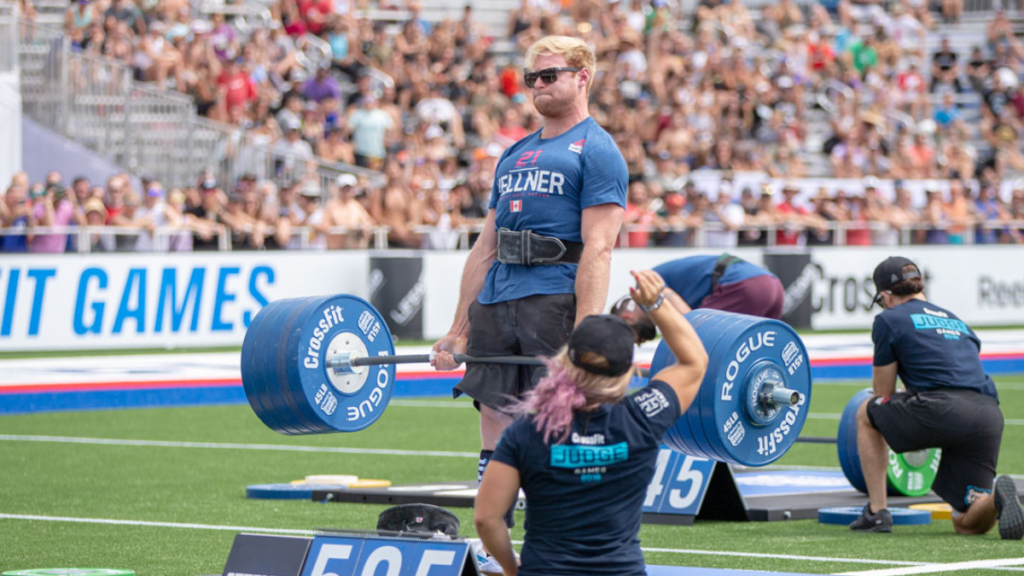
Studies repeatedly show significant improvements in muscle strength, walking speed, bone density, balance, and quality of life among older adults who perform progressive strength training. Many healthy adults in their fifties can still deadlift between their body weight and 1.5 times body weight depending on training history.
The exact number matters less than maintaining strength relative to your own capabilities. Preserving muscle function dramatically reduces the risk of falls, disability, and loss of independence later in life.
Deadlift Expectations After Age 60
After age 60, the goal gradually shifts from maximizing strength toward preserving functional capacity. That does not mean heavy lifting should disappear. Research consistently demonstrates that older adults tolerate relatively heavy resistance training remarkably well when exercise programs are individualized and properly supervised.
Deadlifts can improve everyday activities such as standing from chairs, climbing stairs, carrying groceries, and maintaining balance. Many healthy adults over 60 comfortably deadlift their own body weight after several years of consistent training. Experienced masters powerlifters often achieve much higher numbers despite their age.
The most important comparison is not with younger lifters. It is with your own previous performance. Remaining strong into older age provides substantial health benefits that extend well beyond the gym.
Factors That Matter More Than Age
Although age influences strength, several other factors have an even greater impact.
Training experience is perhaps the biggest predictor. Someone who has lifted consistently for ten years will almost always outperform someone who recently started, regardless of age. Body weight also affects absolute strength. Larger individuals generally lift heavier weights because they possess more muscle mass.
Nutrition is equally important. Adequate protein intake supports muscle maintenance and recovery, particularly in older adults who experience anabolic resistance. Sleep quality strongly influences recovery, hormone production, and athletic performance. Chronic sleep restriction reduces strength gains and increases fatigue.
Technique deserves equal attention. Efficient lifting mechanics allow greater force production while reducing injury risk. Small technical improvements often produce larger increases than adding extra exercises. Finally, consistency remains the most powerful variable. Strength develops over months and years rather than weeks.
Should You Worry if You Lift Less Than Average?
Absolutely not. Strength standards provide useful reference points, but they should never become sources of frustration. Many healthy individuals train primarily for fitness, health, or enjoyment rather than competitive strength. Someone recovering from injury, managing arthritis, or beginning resistance training later in life may have very different goals than an experienced powerlifter.
Scientific evidence consistently shows that even modest improvements in muscular strength reduce mortality risk, improve metabolic health, enhance bone density, increase mobility, and lower the risk of disability. The greatest health benefits come from becoming stronger than you were yesterday, not from matching someone else’s numbers.
Final Thoughts
Your age certainly influences your deadlift potential, but it is only one piece of the puzzle. Training history, body composition, nutrition, recovery, and technical skill often matter just as much.
For most people, maximal strength develops through the twenties and thirties, remains surprisingly stable through middle age with consistent training, and gradually declines later in life. However, research leaves little doubt that regular resistance training dramatically slows this decline and allows adults to maintain impressive levels of strength well into older age.
Instead of focusing exclusively on age based expectations, concentrate on consistent progress, excellent technique, intelligent recovery, and long term health. Whether you are 18 or 80, becoming stronger is one of the most effective investments you can make in your physical function, athletic performance, and quality of life.
Key Takeaways
| Topic | Main Point |
|---|---|
| Peak strength | Most people reach their highest strength potential between their late twenties and late thirties with consistent training. |
| Body weight standards | Recreational lifters commonly aim for 1.5 to 2 times body weight as a strong deadlift. |
| Aging | Strength naturally declines with age, but resistance training greatly slows this process. |
| Teens | Technique and gradual progression should take priority over maximal lifting. |
| Middle age | Many adults maintain excellent deadlift strength through their forties with consistent training. |
| Older adults | Deadlifting can improve mobility, independence, balance, and overall health after age 60. |
| Recovery | Sleep, nutrition, and recovery become increasingly important as lifters get older. |
| Long term success | Consistency over many years has a greater impact than age alone. |
References
- American College of Sports Medicine. (2009). Progression models in resistance training for healthy adults. Medicine & Science in Sports & Exercise, 41(3), 687 to 708.
- Cruz Jentoft, A.J., Bahat, G., Bauer, J., Boirie, Y., Bruyère, O., Cederholm, T., Cooper, C., Landi, F., Rolland, Y., Sayer, A.A., Schneider, S.M., Sieber, C.C., Topinkova, E., Vandewoude, M. and Visser, M. (2019). Sarcopenia: Revised European consensus on definition and diagnosis. Age and Ageing, 48(1), 16 to 31.
- Fragala, M.S., Cadore, E.L., Dorgo, S., Izquierdo, M., Kraemer, W.J., Peterson, M.D. and Ryan, E.D. (2019). Resistance training for older adults: Position statement from the National Strength and Conditioning Association. Journal of Strength and Conditioning Research, 33(8), 2019 to 2052.
- Granacher, U., Lesinski, M., Büsch, D., Muehlbauer, T., Prieske, O. and Behm, D.G. (2016). Effects of resistance training in youth athletes on muscular fitness and athletic performance. British Journal of Sports Medicine, 50(13), 781 to 795.
- Peterson, M.D., Rhea, M.R. and Sen, A. (2010). Resistance exercise for muscular strength in older adults: A meta analysis. Ageing Research Reviews, 9(3), 226 to 237.
- Roberts, H.C., Denison, H.J., Martin, H.J., Patel, H.P., Syddall, H., Cooper, C. and Sayer, A.A. (2011). A review of the measurement of grip strength in clinical and epidemiological studies. Age and Ageing, 40(4), 423 to 429.
- Suchomel, T.J., Nimphius, S. and Stone, M.H. (2016). The importance of muscular strength in athletic performance. Sports Medicine, 46(10), 1419 to 1449.