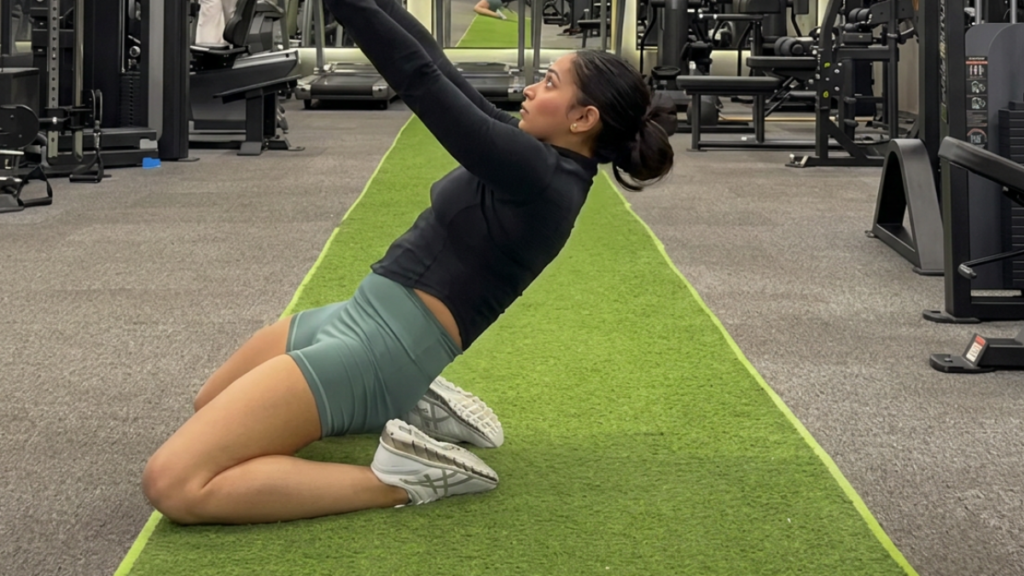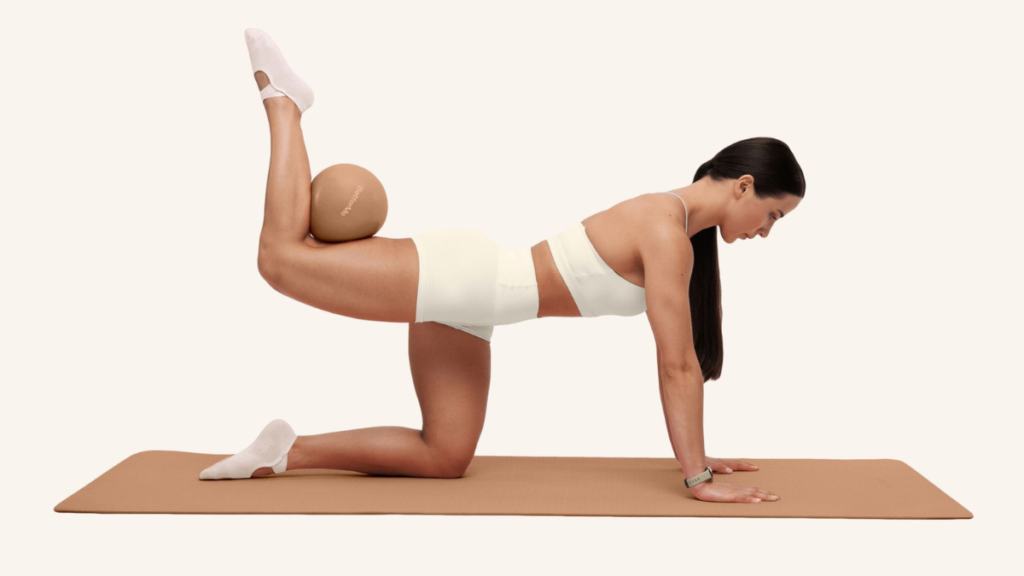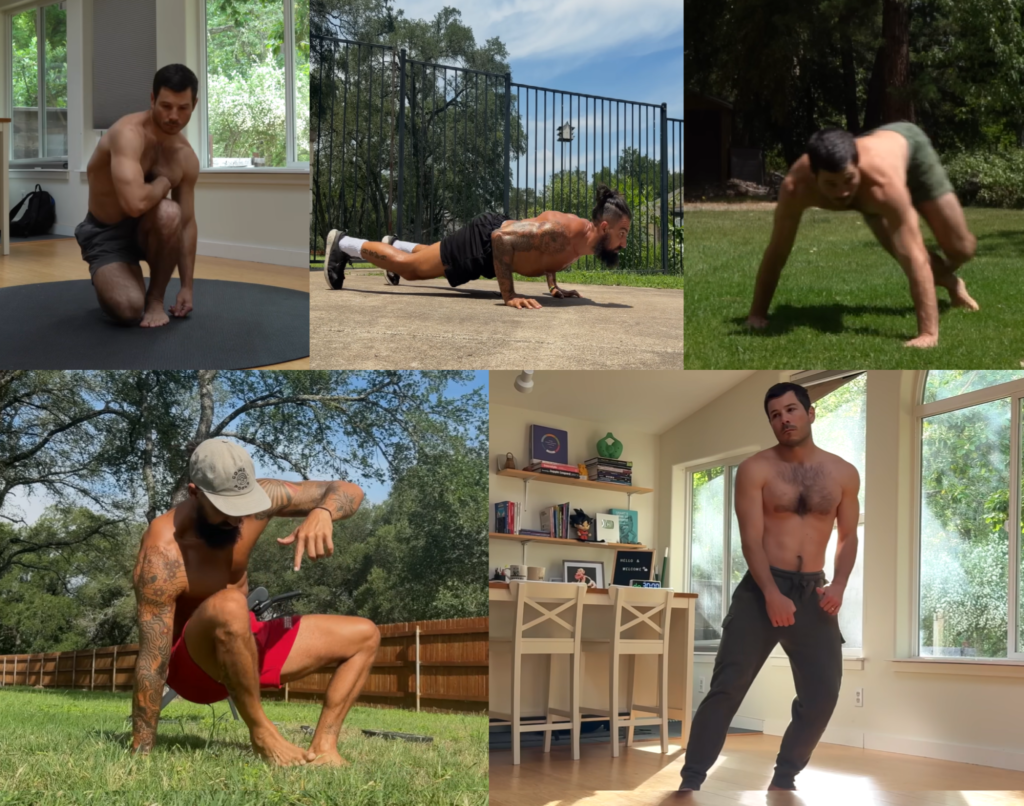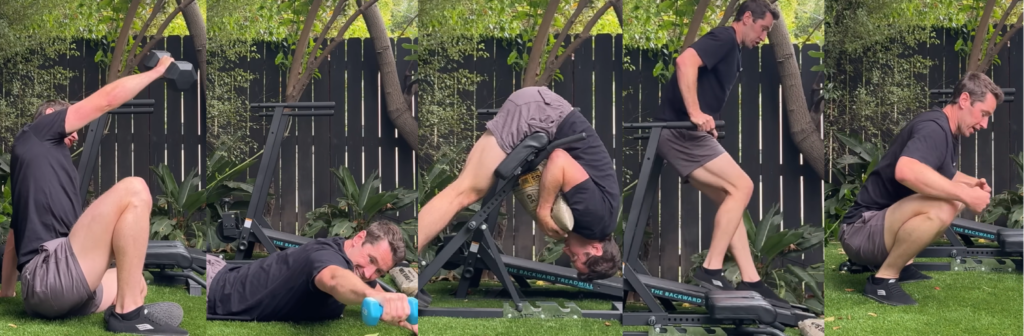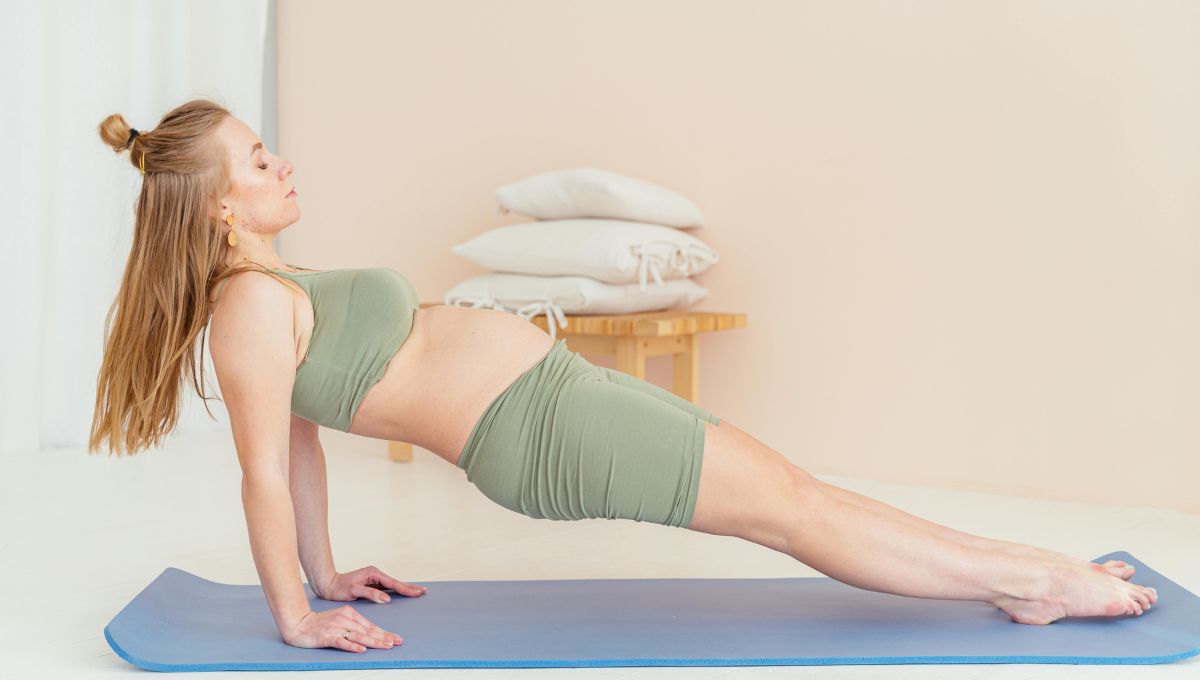


Hours spent sitting at a desk can gradually lead to rounded shoulders, tight hip flexors, weak glutes, and poor core function. According to Dr. Aaron Horschig, founder of Squat University, one simple exercise can help address many of those issues at once.
In a recent YouTube video, the physical therapist and strength coach breaks down the reverse plank, explaining why it is more than just the opposite of a traditional plank. By targeting the posterior chain while opening the front of the body, the movement can improve posture, strengthen the core, and counteract the effects of prolonged sitting.


Why the Reverse Plank Works
Horschig explains that prolonged sitting often shortens the hip flexors and chest muscles while weakening the glutes and postural muscles that support the spine.
Unlike a front plank, the reverse plank shifts the focus toward strengthening the glutes, spinal erectors, and deep core muscles while stretching the chest and encouraging better shoulder positioning.
“The reverse plank can actually be an excellent counter move to the poor postures many adopt when sitting all day,” Horschig said.
Test Your Shoulder Mobility First
Before performing the exercise, Horschig recommends a simple wall test to assess overhead mobility.
Stand with your hips and lower back against a wall, then raise your arms overhead as far as possible. Limited shoulder movement or excessive arching through the lower back may indicate restricted chest mobility or insufficient core stability.
Recording the movement before and after performing reverse planks can help reveal immediate changes in posture and movement quality.
How to Perform the Reverse Plank
To begin, sit on the floor with your legs extended and your hands positioned slightly behind your hips.
Rather than simply lifting your hips, Horschig encourages lifters to think about opening the chest while pulling the shoulder blades back and down. At the same time, squeeze the glutes and create a straight line from shoulders to heels.
One of the most common mistakes is allowing the chest to collapse or the hips to sag toward the floor.
For athletes with limited shoulder mobility, he suggests performing the movement from the forearms to reduce the extension demands on the shoulders while still training the same movement pattern.
What the Research Shows
Horschig also highlights research examining the reverse plank’s effect on posture.
Participants performed five sets of 30 second holds. Immediately afterward, muscles that are commonly underactive in people with rounded shoulders showed increased activation, while overactive muscles, including the pectorals and upper trapezius, became less active.
“You’re effectively resetting your nervous system for better posture after performing these.”
A Practical Tool for Better Posture
Horschig is careful to point out that the reverse plank is not a magic cure for poor posture. Instead, it is a practical exercise that can be added throughout the week as part of a warm up, workout finisher, or midday movement break.
Combined with consistent mobility work and strength training, the reverse plank offers a simple way to strengthen the muscles most affected by long hours of sitting while reinforcing healthier movement patterns.
About the Author

Jeremiah Oliva
Jeremiah Oliva is a writer passionate about fitness, sports, and active living. He has experience in songwriting and managing content and social media for online radio and magazine platforms.
He covers HYROX, CrossFit®, and competitive fitness, with a focus on performance, mindset, and athlete development.
Outside of writing, Jeremiah trains in boxing, cycles, explores the outdoors with his kids, and plays the guitar.