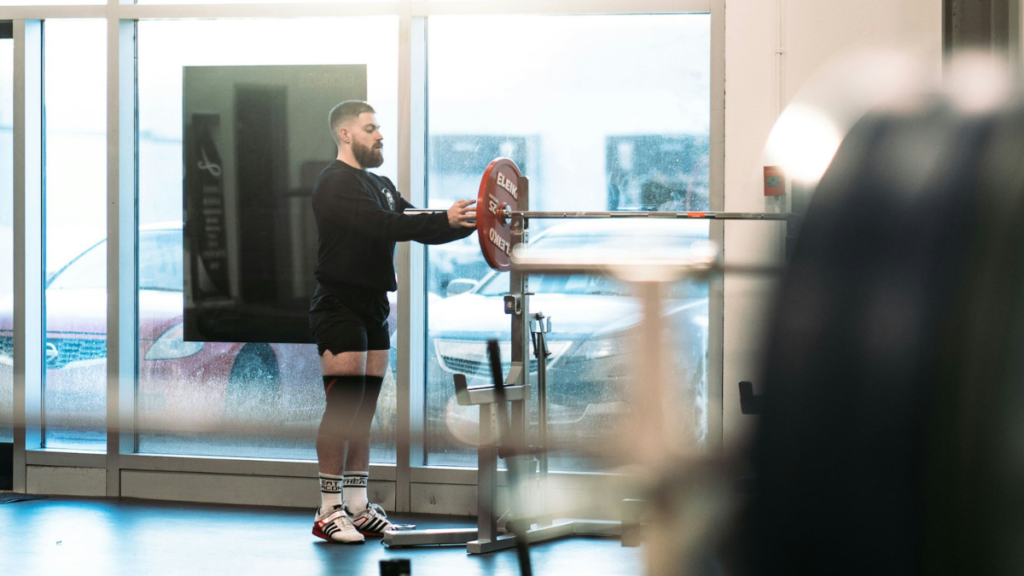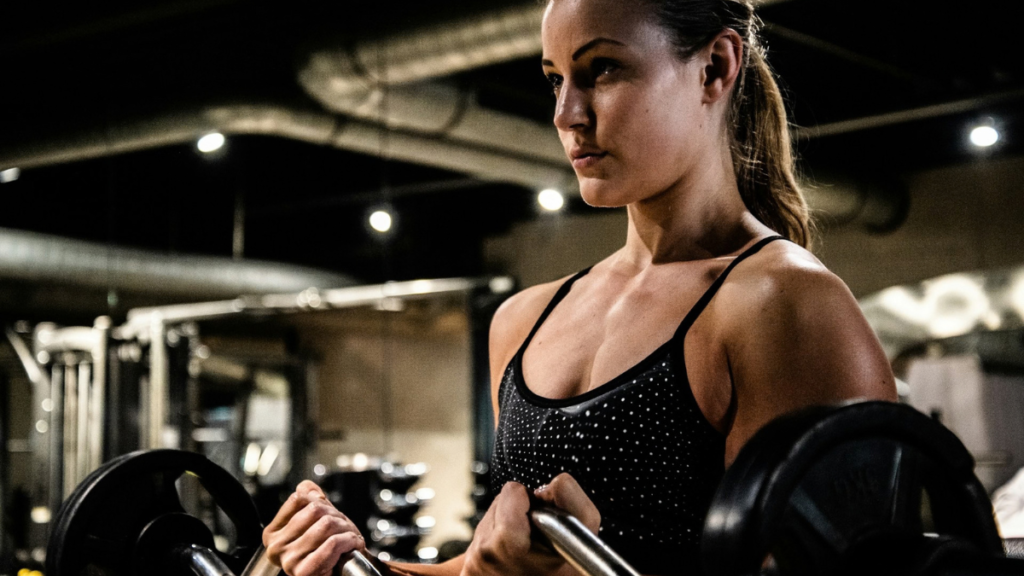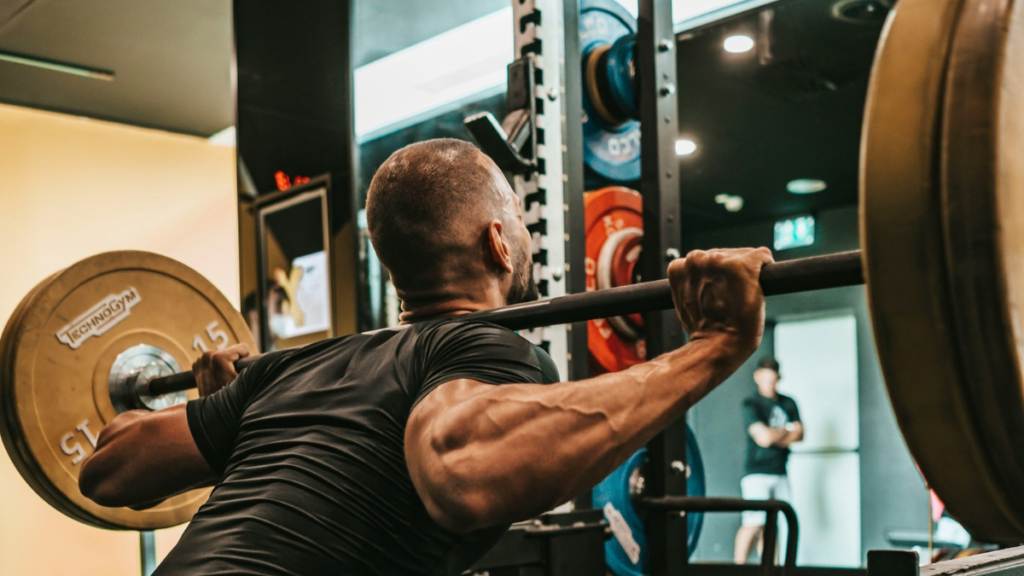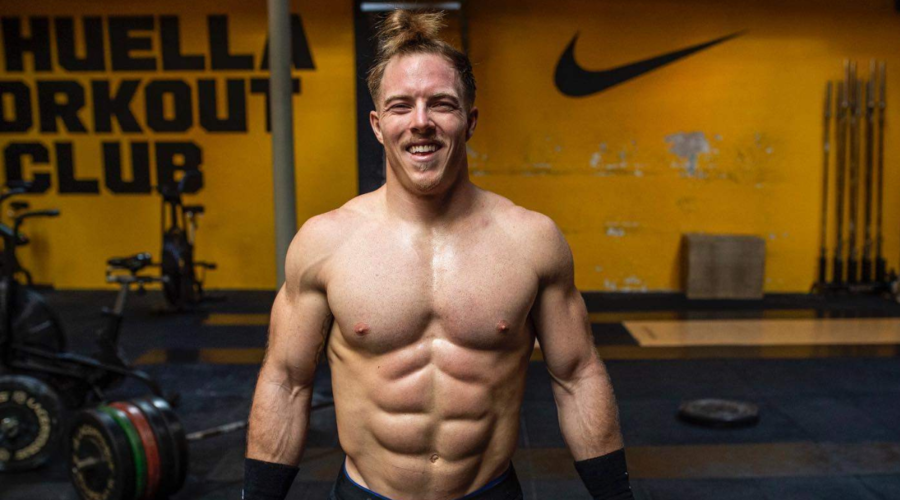


Being a busy dad does not mean you need to accept a body that feels weaker, softer, or less capable than you want. It means your training has to earn its place in a packed week. A good plan should build visible muscle, improve strength, and leave enough energy for work, family life, and sleep. It should also be simple enough that you can walk into the gym, do the work, and leave without spending half the evening deciding what to train.
This three day routine is built around that reality. Each session takes roughly 50 to 65 minutes once you know the exercises. You will train the major muscle groups hard enough to grow, while spreading the work across the week so one missed session does not ruin the plan. The target is not to live in the gym. The target is a stronger chest, broader shoulders and back, muscular arms, powerful legs, and the confidence that comes from feeling physically capable.


Why Three Days Can Build a Great Physique
Muscle growth comes from consistently challenging a muscle with enough hard training, then recovering and repeating that process over time. Research shows that resistance training increases muscle size and strength across a wide range of programs, and that multiple weekly sets per muscle group are important for maximizing hypertrophy. More training can help, but only if you can recover from it and keep doing it for months.
For a dad with limited time, three well planned sessions often beat an ambitious six day routine that lasts two weeks. Training each major muscle group about twice per week is a practical way to distribute quality work without cramming an exhausting amount into one session. The routine below uses a push day, a lower body and pull day, and a full body upper body emphasis day. Across the week, every major area receives repeated high quality stimulation.
You do not need to train to failure on every set. Stopping with roughly one to three good repetitions still available usually allows you to train hard while preserving technique and managing fatigue. Save genuine all out effort for the final set of a safe exercise, such as a machine press, cable curl, or leg extension, if you enjoy it. Heavy barbell lifts demand more restraint because poor form under fatigue is not a badge of honor.
The Weekly Schedule
Train on three nonconsecutive days where possible. Monday, Wednesday, and Friday works very well, but Tuesday, Thursday, and Saturday is equally effective. If life gets in the way, keep the sessions in order and do the next one when you can. Consistency across the month matters far more than whether you train on the perfect weekday.
Before each workout, spend five to eight minutes warming up. Walk on an incline treadmill, row easily, or use a bike, then complete one or two lighter practice sets for your first two exercises. The warm up should make you feel ready, not tired. Rest for about two minutes after demanding compound lifts and 60 to 90 seconds after smaller isolation exercises. Those rest periods help you maintain performance and accumulate productive training volume.
Day One: Chest, Shoulders, and Triceps
Start with the barbell bench press. Complete three sets of six to eight repetitions. Lower the bar with control, keep your upper back tight against the bench, and press with a stable path. The bench press is an efficient way to challenge the chest, front shoulders, and triceps with loads that are easy to track over time.
Next, perform the incline dumbbell press for three sets of eight to 12 repetitions. Use a moderate bench angle and allow the dumbbells to travel through a comfortable range. This provides more chest and shoulder volume without requiring another very heavy barbell movement.
Move to a seated dumbbell shoulder press for three sets of eight to 12 repetitions. Keep your ribs down and avoid turning the movement into an exaggerated back bend. Strong shoulders make the upper body look more athletic, but they also contribute to pressing strength and overhead confidence in everyday life.
Finish the main shoulder work with cable or dumbbell lateral raises for three sets of 12 to 20 repetitions. Lift with control and do not chase heavy weights by swinging your torso. The side delts respond well to consistent work through a controlled range, and building them creates a wider looking upper body.
End with two sets of cable triceps pressdowns for 10 to 15 repetitions and two sets of overhead cable triceps extensions for 10 to 15 repetitions. The triceps are a large portion of the upper arm, so direct work makes a noticeable difference to arm size while supporting your pressing.
Day Two: Legs, Back, and Biceps
Begin with the squat variation you can perform confidently. A barbell back squat, front squat, hack squat, or leg press are all useful choices. Complete three sets of six to 10 repetitions. Use a range of motion you can control, keep the knees tracking naturally over the feet, and progress slowly rather than forcing a personal record when you are tired.
Follow it with Romanian deadlifts for three sets of eight to 10 repetitions. Push your hips backward, keep the weight close to your legs, and maintain a braced torso. This exercise trains the hamstrings and glutes while teaching a useful hip hinge pattern.
For the back, use a pull up, assisted pull up, or lat pulldown for three sets of eight to 12 repetitions. Think about driving your elbows down rather than simply pulling with your hands. Vertical pulling develops the lats, which help create the broad upper back that makes the waist appear smaller.

Add a chest supported row or seated cable row for three sets of eight to 12 repetitions. Rows give the middle back and rear shoulders direct work, and the chest supported option is especially useful after leg training because it limits unnecessary strain on the lower back.
Finish with leg curls for two sets of 10 to 15 repetitions, then dumbbell curls for three sets of eight to 12 repetitions. Perform the curls with your elbows relatively still and lower the weight slowly. You do not need endless arm exercises when your pulling work is solid, but a few focused sets help build the arm size most men want.
Day Three: Full Body With an Upper Body Focus
The third workout gives you another opportunity to train the muscles that most shape a visibly jacked physique, while still keeping leg development moving forward. Begin with a deadlift variation, such as trap bar deadlifts, conventional deadlifts, or a machine based hinge, for three sets of five to eight repetitions. Choose the version you can perform consistently without it dominating your recovery. Trap bar deadlifts are a particularly practical option for many lifters because they can allow a more upright torso and may be easier to learn.
Next, do weighted push ups, machine chest presses, or dumbbell bench presses for three sets of eight to 12 repetitions. This is your second weekly chest press. Use a variation that lets you work hard through a comfortable range and makes it easy to add repetitions or load over time.
Perform a one arm dumbbell row for three sets of eight to 12 repetitions on each side. Keep your torso steady and let the shoulder blade move naturally as you reach and row. Pair this with three sets of 12 to 20 repetitions of rear delt cable flyes or reverse pec deck work. These muscles are often neglected, yet they improve the balanced, three dimensional look of the shoulders.
For legs, use Bulgarian split squats or walking lunges for two sets of eight to 12 repetitions per leg. Single leg work builds the quads and glutes with less loading than a second heavy squat session, and it can expose side to side strength differences that deserve attention.
Close the session with two sets of 10 to 15 repetitions each for cable curls and rope triceps pressdowns. If time is short, alternate the two movements with minimal rest. This is a sensible place to save time because the exercises are stable and do not require the long rest periods needed for compound lifts.
How to Progress Without Living in the Gym
The plan works only if you progress. Keep a note of the load and repetitions used for every exercise. Use a simple double progression method. If an exercise calls for eight to 12 repetitions, stay with the same weight until you can complete 12 controlled repetitions on every prescribed set. Then increase the load by the smallest available amount and build back up again.
This approach turns training into a series of small wins. Adding one repetition to a set, improving your range of motion, or using a slightly heavier dumbbell is progress. Studies comparing different resistance training loads show that a broad range of loads can build muscle when sets are performed with sufficient effort. That means you can make excellent progress with the equipment available in a normal gym rather than chasing a complicated, perfect program.
3 Best Beginner Exercises for Wider and More Muscular Pecs
After six to eight hard weeks, take one easier week if your joints ache, your performance has stalled, or normal weights feel unusually heavy. Reduce your usual sets by about half and stop well short of failure. A short reduction in fatigue can make the following block far more productive.
Food, Sleep, and the Dad Reality
Training creates the signal to build muscle, but food and recovery support the result. A daily protein intake around 1.6 grams per kilogram of body weight is an effective target for many adults training to gain or preserve muscle, with slightly higher intakes sometimes useful during fat loss. Divide it across meals in a way that fits family life. Greek yogurt, eggs, lean meat, fish, beans, tofu, protein shakes, and cottage cheese are all practical options.

If you want to look leaner as well as more muscular, aim for a modest calorie deficit rather than a crash diet. Rapid weight loss makes hard training and family life more difficult, and it can increase the risk of losing lean mass. Keep protein high, continue lifting, eat fruit and vegetables regularly, and make most meals filling enough that you can stick to the plan.
Sleep is not optional recovery theater. Short sleep can reduce training performance, affect appetite regulation, and make consistent exercise harder. Parents do not always control the night, so focus on what you can control: a consistent bedtime when possible, a dark room, less late screen time, and a plan that does not demand you train at dawn after a terrible night. Three effective sessions done consistently will change your body more than a heroic routine that repeatedly collapses.
The Standard That Actually Matters
An attractive physique is built by accumulating boring, effective weeks. Show up three times. Train with focus. Add a small amount of progress whenever you can. Eat enough protein. Protect your sleep where life allows. Do that for a year and you will not just look more muscular. You will be stronger, more resilient, and better equipped for the physical demands that come with being a dad.
References
- Schoenfeld, B.J., Ogborn, D. and Krieger, J.W. (2017) ‘Dose response relationship between weekly resistance training volume and increases in muscle mass: A systematic review and meta analysis’, Journal of Sports Sciences, 35(11), pp. 1073 to 1082.
- Schoenfeld, B.J., Grgic, J., Ogborn, D. and Krieger, J.W. (2019) ‘Strength and hypertrophy adaptations between low versus high load resistance training: A systematic review and meta analysis’, Journal of Strength and Conditioning Research, 33(Suppl 1), pp. S120 to S129.
- Grgic, J., Schoenfeld, B.J., Davies, T.B., Lazinica, B., Krieger, J.W. and Pedisic, Z. (2018) ‘Effect of resistance training frequency on gains in muscular strength: A systematic review and meta analysis’, Sports Medicine, 48(5), pp. 1207 to 1220.
- Grgic, J., Schoenfeld, B.J., Skrepnik, M. and Davies, T.B. (2021) ‘Effects of rest interval duration in resistance training on measures of muscular strength: A systematic review’, Sports Medicine, 51(4), pp. 687 to 708.
- Grgic, J., Schoenfeld, B.J., Orazem, J., Sabol, F., Smajić, M. and Pedisic, Z. (2022) ‘Effects of resistance training performed to repetition failure or non failure on muscular strength and hypertrophy: A systematic review and meta analysis’, Journal of Sport and Health Science, 11(2), pp. 202 to 211.
- Morton, R.W., Murphy, K.T., McKellar, S.R., Schoch, R.D., Henselmans, M., Helms, E., Aragon, A.A., Devries, M.C., Banfield, L., Krieger, J.W. and Phillips, S.M. (2018) ‘A systematic review, meta analysis and meta regression of the effect of protein supplementation on resistance training induced gains in muscle mass and strength in healthy adults’, British Journal of Sports Medicine, 52(6), pp. 376 to 384.
- Helms, E.R., Aragon, A.A. and Fitschen, P.J. (2014) ‘Evidence based recommendations for natural bodybuilding contest preparation: Nutrition and supplementation’, Journal of the International Society of Sports Nutrition, 11, 20.
- Fullagar, H.H.K., Skorski, S., Duffield, R., Hammes, D., Coutts, A.J. and Meyer, T. (2015) ‘Sleep and athletic performance: The effects of sleep loss on exercise performance, and physiological and cognitive responses to exercise’, Sports Medicine, 45(2), pp. 161 to 186.
Key Takeaways
| Focus | What to do | Why it matters |
|---|---|---|
| Training frequency | Complete the three sessions in order each week | Repeated quality work builds muscle without requiring daily gym visits |
| Main lifts | Progress the squat, press, hinge, pull, and row patterns | These exercises train the most muscle in limited time |
| Effort | Finish most sets with one to three repetitions still possible | This supports hard productive training while managing fatigue |
| Progression | Add repetitions first, then add a small amount of load | Small measurable improvements drive long term results |
| Recovery | Prioritize protein, sensible nutrition, and sleep | Training progress depends on recovery as well as gym effort |