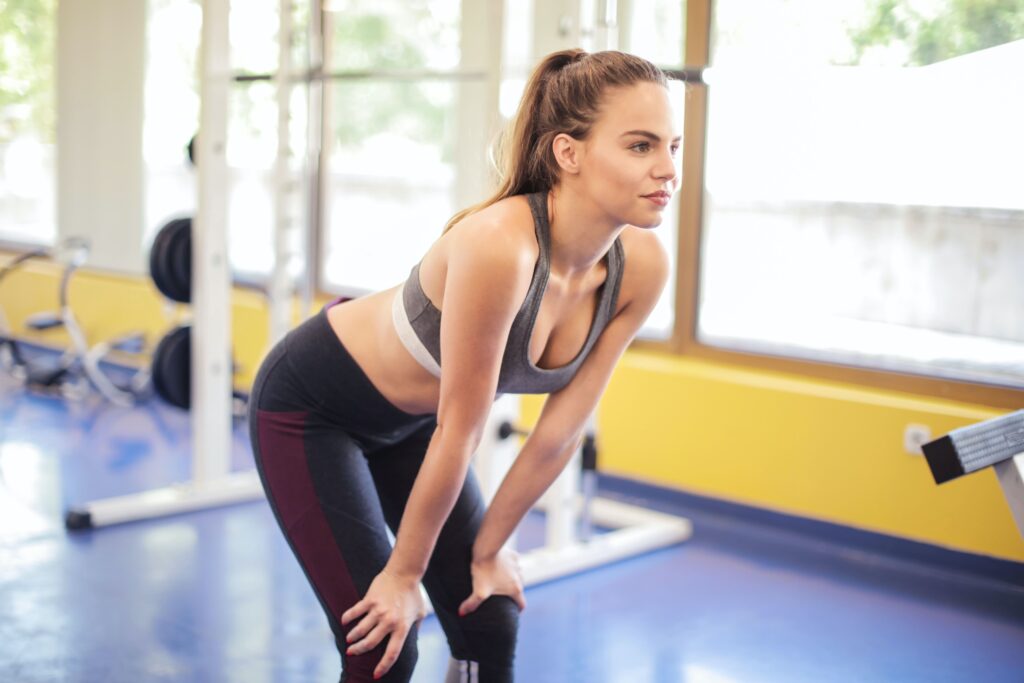


Starting to lift is exciting because improvement comes quickly, but that can also make it hard to know what success actually looks like. The best beginner goals are not about copying an advanced lifter’s numbers or rushing toward a personal record. They are practical milestones that show you are building strength, control, confidence, and a training habit that can last.
Strength training improves muscular strength, physical function, and several markers of health when it is performed consistently. The biggest early opportunity is learning to repeat sound movement patterns under gradually increasing challenge. That is why the milestones below include bodyweight skills, simple free weight exercises, and habits that make future progress possible.


What Makes a Useful Beginner Milestone?
A useful milestone is specific enough to guide your training but flexible enough to fit your body size, training history, equipment, and injury background. The number on the bar matters, but it is never the whole story. A controlled repetition through a comfortable range of motion is more valuable than a heavier repetition achieved by changing the movement beyond recognition.
Resistance training research consistently supports progressive overload. In plain terms, your body needs a gradually larger challenge to keep adapting. That challenge can come from more load, more repetitions with the same load, improved range of motion, better control, or an additional set. Beginners do not need to chase every variable at once. Keep the exercise stable long enough to improve it, then make a small and deliberate change.
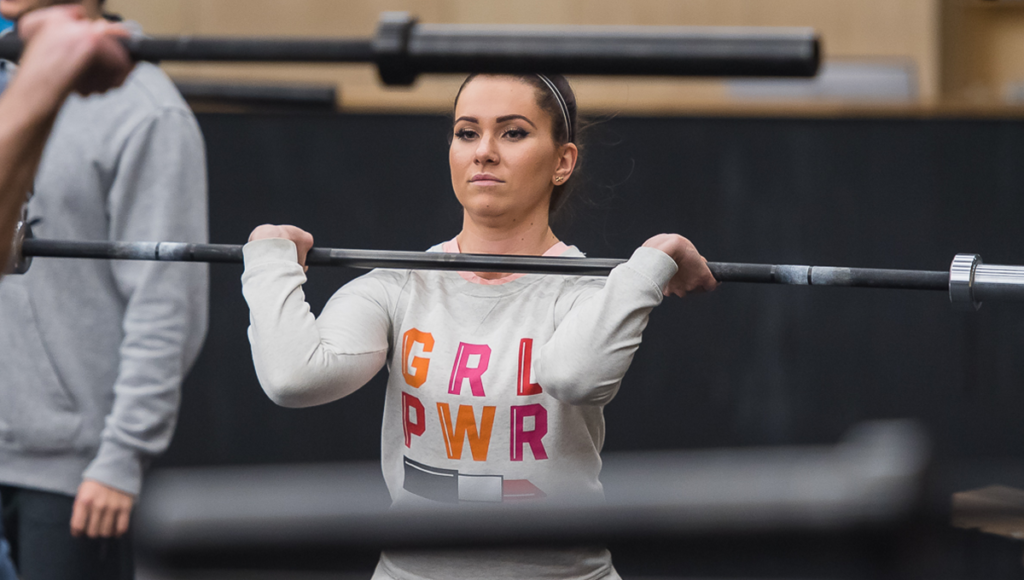
The milestones here are targets, not tests you must pass on a deadline. If you are returning after a long break, managing pain, or training with a medical condition, get individual advice from an appropriately qualified clinician or coach.
1. Train Consistently for 12 Weeks
Your first milestone is completing two or three full body strength sessions each week for 12 weeks. This might sound less impressive than a big lift, but consistency is the platform underneath every other result. Early strength gains come partly from muscle growth and partly from your nervous system becoming better at coordinating a movement. Both require repeated practice.
Plan sessions that you can recover from and repeat. For most beginners, that means choosing a manageable number of exercises, leaving a little in reserve on most sets, and recording what you did. Missing occasional sessions is normal. The aim is to return to the plan rather than treat one missed workout as failure.
2. Perform 10 Smooth Bodyweight Squats
Stand with your feet in a comfortable stance, lower until your thighs are at least close to parallel with the floor or as far as your mobility allows without pain, and stand back up with control. Aim for 10 repetitions without your heels lifting, knees collapsing inward, or your torso folding excessively forward.
This is a valuable milestone because the squat pattern trains the hips, knees, and trunk to work together. It also gives you a repeatable way to assess whether your mobility and control are improving. Use a box, bench, or rail for support while learning if needed. The goal is not to force an identical depth on every person. It is to own the deepest comfortable position you can control.
3. Hold a Strong Plank for 45 to 60 Seconds
A plank is not a contest to see how long you can tolerate discomfort. A good plank means creating a straight line from shoulders to hips to heels while breathing normally. Squeeze the glutes, keep the ribs from flaring upward, and press the floor away. When the lower back starts to sag or the hips rise sharply, the set is finished.
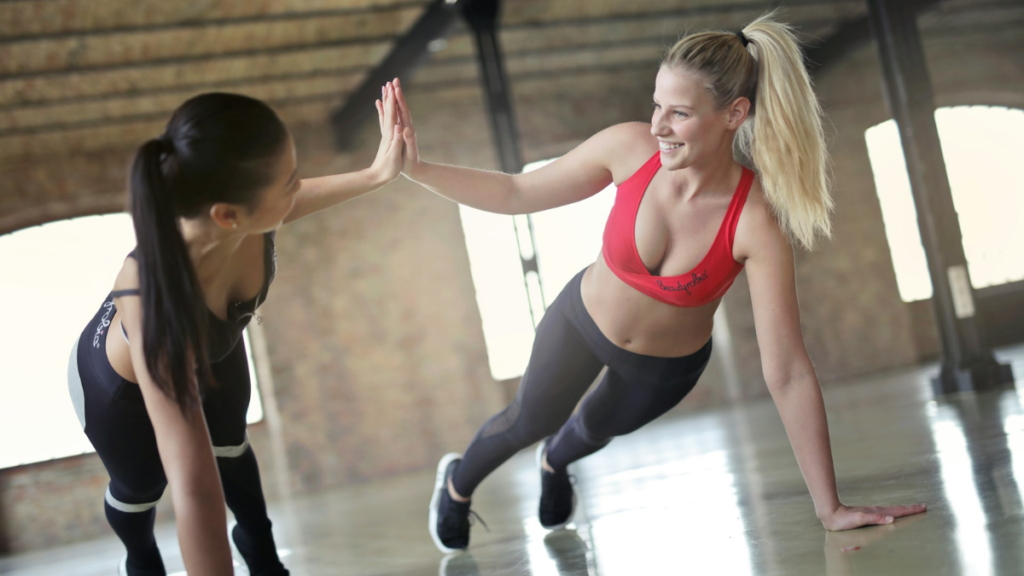
Reaching 45 to 60 seconds with this quality demonstrates useful trunk endurance. Your trunk transfers force between the upper and lower body during presses, rows, squats, carries, and daily tasks. Core training does not replace learning those larger lifts, but better trunk control can make them easier to practice safely.
4. Complete 10 Full Push Ups
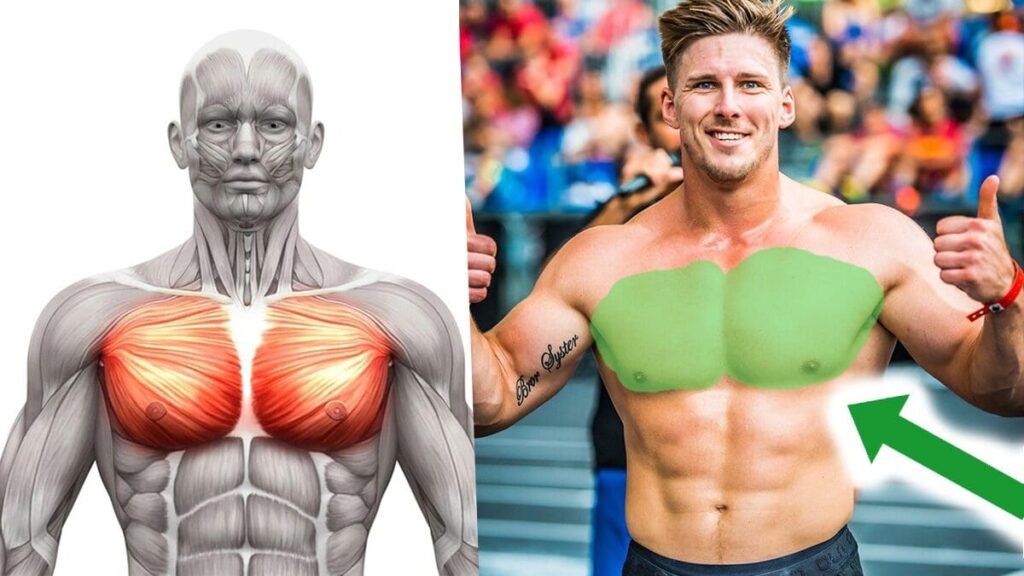
Aim to perform 10 push ups with your hands under or slightly wider than your shoulders, your body moving as one unit, and your chest reaching a consistent depth. Push ups are a simple way to build pressing strength in the chest, shoulders, triceps, and trunk without needing a barbell.
Start with hands elevated on a bench or rack if floor push ups are not yet available. As you become stronger, lower the height of the support. This is a better progression than practicing poor quality floor repetitions. Once 10 clean floor push ups are comfortable, you have an excellent base for dumbbell pressing and eventually barbell bench pressing.
5. Goblet Squat a Dumbbell Equal to About Half Your Bodyweight
Hold one dumbbell or kettlebell at chest height and squat under control for eight repetitions. A long term beginner target is a load close to half your bodyweight, but form and range of motion remain the priority. This may take a few months for some people and longer for others, which is completely normal.
The goblet squat is unusually useful because the front loaded position can help you learn to brace and stay balanced while your legs do the work. It also lets you add meaningful resistance without the technical demands of a barbell back squat. Pause briefly at the bottom if you need a clear reminder to stay controlled.
6. Romanian Deadlift Your Bodyweight for Eight Repetitions
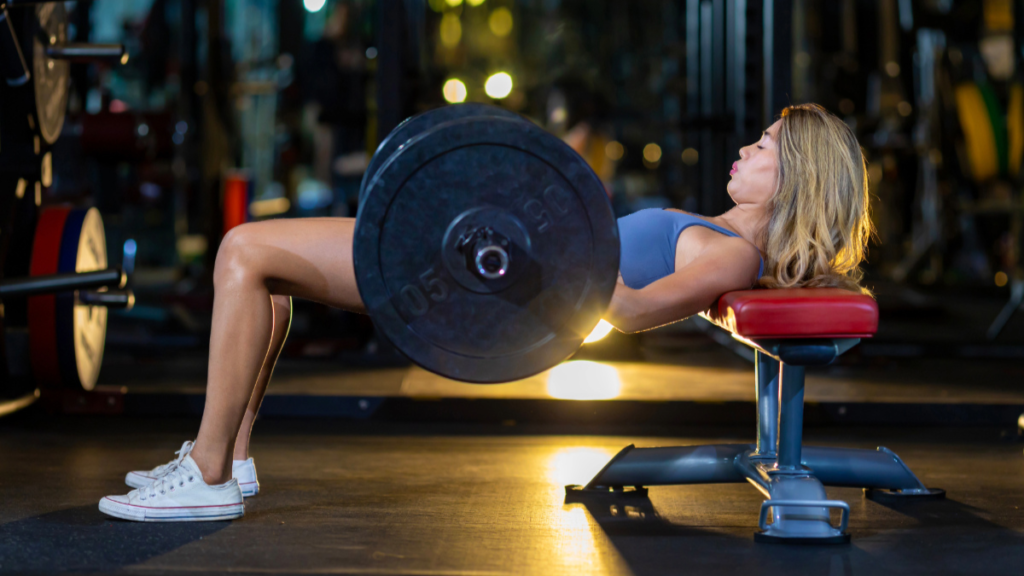
The Romanian deadlift teaches the hip hinge, a movement in which the hips move back while the spine stays stable. Use a barbell, two dumbbells, or kettlebells. Keep the load close to your legs, soften the knees, and stop the descent when you can no longer keep your back position steady or feel the hamstrings lengthening.
Working toward eight controlled repetitions with a total load around bodyweight is a solid beginner strength milestone. It is not a requirement before you ever attempt a conventional deadlift. Instead, it shows you can create tension through the hips and hamstrings while resisting unnecessary movement through the spine. Increase load gradually and do not chase range by rounding forward.
7. Dumbbell Bench Press One Quarter of Your Bodyweight in Each Hand
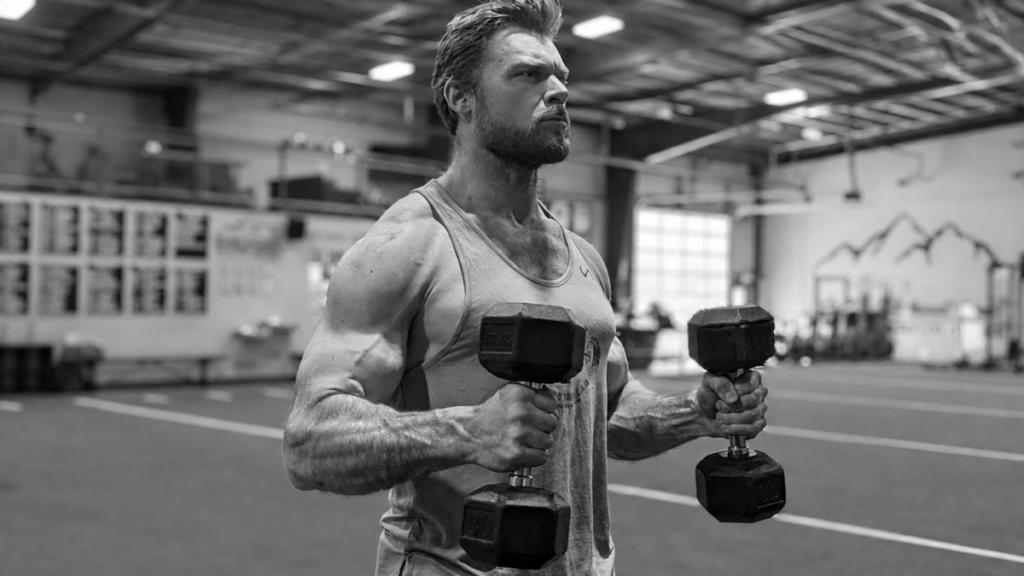
For six to 10 well controlled repetitions, work toward pressing a dumbbell equal to roughly one quarter of your bodyweight in each hand. Use a bench if available and keep your feet planted. Lower the dumbbells to a comfortable depth with the upper arms under control, then press without bouncing or twisting.
3 Best Cable Back Exercises for a More Attractive V Shaped Torso
Dumbbells make each arm contribute independently and can be more approachable than a barbell for beginners. The target is only a guide. People with long arms, smaller hands, shoulder limitations, or a lower bodyweight may progress differently. The real achievement is a stable pressing pattern that you can load steadily without shoulder pain.
8. Row One Quarter of Your Bodyweight in Each Hand
Aim to perform eight controlled one arm dumbbell rows with roughly one quarter of your bodyweight. Support yourself on a bench or sturdy surface, keep the torso still, and draw the elbow toward your hip rather than yanking the weight toward your shoulder. Pause briefly when the upper back is contracted.
Rows build the muscles of the upper back, including the lats, rhomboids, and mid trapezius, while also teaching you to control your shoulder blade. Pairing rows with pressing work helps beginners develop a more complete upper body program. If the dumbbell target is not practical in your gym, use a cable row and progress the weight while maintaining the same calm, controlled torso position.
9. Perform One Assisted Pull Up With Full Control, Then Build to Five Unassisted Repetitions
Vertical pulling is challenging because you are moving your bodyweight. Begin with a resistance band, assisted pull up machine, or slow lowering phase. Your early goal is one controlled assisted repetition with the chest lifted, shoulders away from the ears, and no painful swinging. Reduce assistance over time.
The longer term beginner milestone is five strict pull ups or chin ups. Use the grip that feels most comfortable for your elbows and shoulders. This target can take longer than the other milestones, especially for larger beginners, and that does not mean progress has stalled. Strong lat pulldowns, assisted repetitions, and controlled negatives all contribute to the same goal.
10. Carry Half Your Bodyweight in Each Hand for 30 Seconds
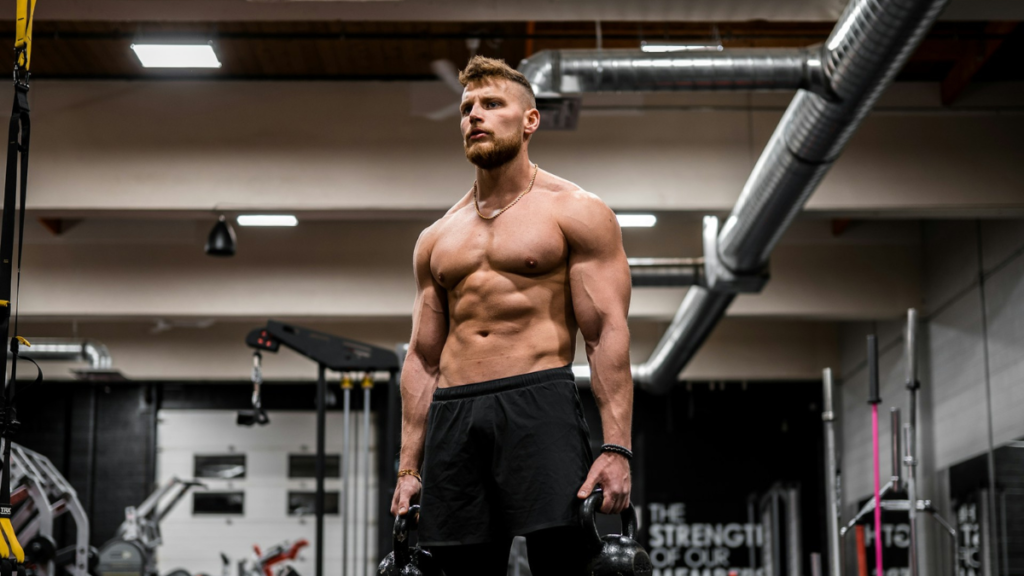
The farmer carry is simple and brutally honest. Hold two heavy dumbbells or kettlebells, stand tall, walk slowly, and breathe. Do not lean sideways, rush, or let the shoulders creep toward the ears. Work toward carrying a load equal to roughly half your bodyweight in each hand for 30 seconds.
Carries challenge grip strength, trunk stability, posture, and whole body tension while keeping the movement simple. They also teach beginners that strength is not just about moving a bar from one position to another. Being able to hold and transport a load under control is a useful expression of real world capacity.
How to Reach These Milestones Without Rushing
Use two or three weekly full body sessions. In each session, include one squat pattern, one hinge, one push, one pull, and one trunk or carry exercise. Choose loads that allow you to perform the target repetitions with one to three good repetitions still available. When you can reach the top of your chosen repetition range with the same sound technique for all sets, add the smallest practical amount of load next time.
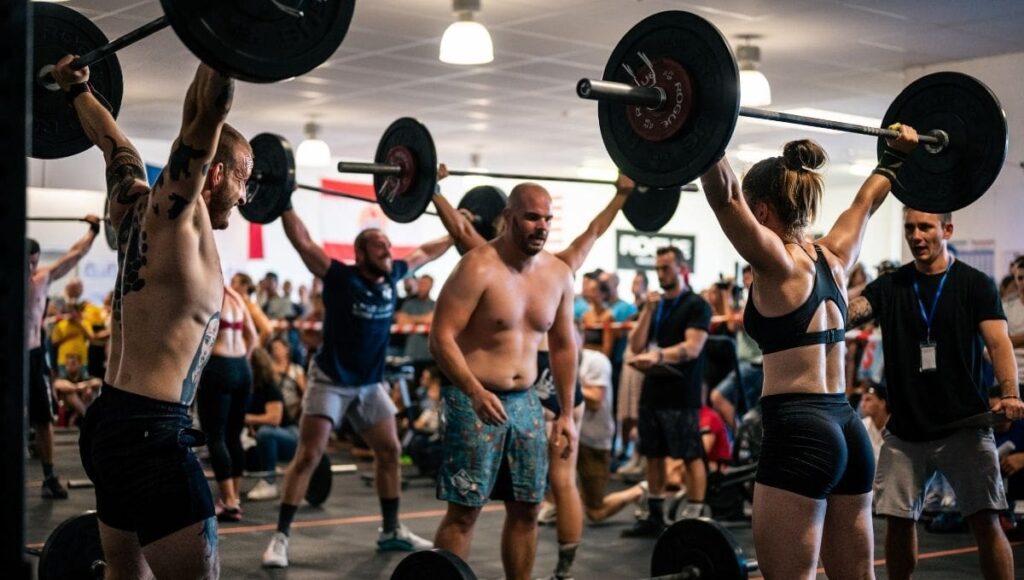
Beginners benefit from enough hard work to stimulate adaptation, but not from turning every session into a maximal test. Research supports a range of loading strategies for improving muscle size and strength, provided sets are performed with adequate effort and progressed over time. Moderate loads are often especially practical while you are learning technique because they allow repeated, high quality practice.
Sleep, food, and recovery also affect your results. Eat enough protein across the day, include carbohydrate and nutrient rich foods that support training, and give sore muscles time to recover. Most importantly, keep your attention on the process. A milestone is satisfying, but the ability to train well next week is what turns it into lasting strength.
The Bigger Picture
These 10 milestones are not a ranking system. A person who has reached seven of them is not less successful than someone who has reached all 10. They are simply useful markers that help you focus on the qualities beginners need most: consistency, movement quality, strength, and confidence.
Start with the milestone that is just beyond your current ability. Record your sets and repetitions, make gradual improvements, and keep your technique honest. In a few months, you will have much more than better gym numbers. You will have a stronger body and a clear training foundation to build on.
References
- American College of Sports Medicine (2009) ‘American College of Sports Medicine position stand. Progression models in resistance training for healthy adults’, Medicine & Science in Sports & Exercise, 41(3), pp. 687 to 708.
- Grgic, J., Schoenfeld, B.J., Davies, T.B., Lazinica, B., Krieger, J.W. and Pedisic, Z. (2018) ‘Effect of resistance training frequency on gains in muscular strength: A systematic review and meta analysis’, Sports Medicine, 48(5), pp. 1207 to 1220.
- Rhea, M.R., Alvar, B.A., Burkett, L.N. and Ball, S.D. (2003) ‘A meta analysis to determine the dose response for strength development’, Medicine & Science in Sports & Exercise, 35(3), pp. 456 to 464.
- Schoenfeld, B.J., Ogborn, D. and Krieger, J.W. (2017) ‘Dose response relationship between weekly resistance training volume and increases in muscle mass: A systematic review and meta analysis’, Journal of Sports Sciences, 35(11), pp. 1073 to 1082.
- Schoenfeld, B.J., Grgic, J., Ogborn, D. and Krieger, J.W. (2017) ‘Strength and hypertrophy adaptations between low versus high load resistance training: A systematic review and meta analysis’, Journal of Strength and Conditioning Research, 31(12), pp. 3508 to 3523.
- Suchomel, T.J., Nimphius, S. and Stone, M.H. (2016) ‘The importance of muscular strength in athletic performance’, Sports Medicine, 46(10), pp. 1419 to 1449.
- Wernbom, M., Augustsson, J. and Thomee, R. (2007) ‘The influence of frequency, intensity, volume and mode of strength training on whole muscle cross sectional area in humans’, Sports Medicine, 37(3), pp. 225 to 264.
Key Takeaways
| Milestone | Why it matters | Practical target |
|---|---|---|
| Consistency | Creates the conditions for every adaptation | Two or three sessions weekly for 12 weeks |
| Squat and hinge | Builds lower body strength and movement control | 10 bodyweight squats and an eight repetition Romanian deadlift near bodyweight |
| Push and pull | Develops balanced upper body strength | 10 push ups, controlled rows, and progress toward five pull ups |
| Trunk and carries | Improves whole body control and grip | 45 to 60 second plank and 30 second farmer carry |
| Progression | Keeps training productive and sustainable | Add small challenges only when form remains strong |