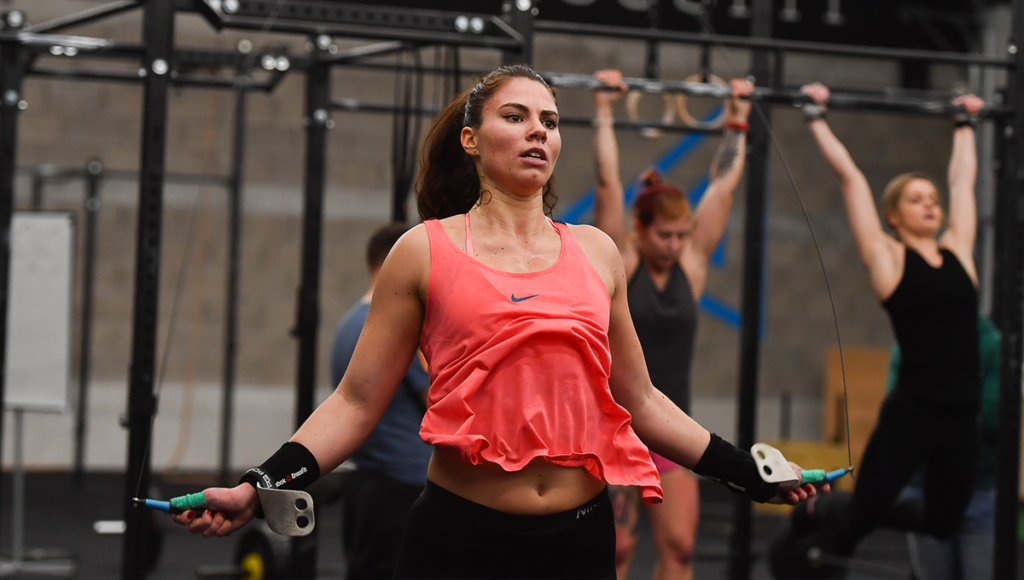


You train hard, watch what you eat, step on the scale… and somehow you’re still the same weight. Sound familiar? Don’t write off your progress just yet. Body weight can change for plenty of reasons unrelated to fat, which means the scale doesn’t always show what’s happening beneath the surface.
Why the Scale Doesn’t Tell the Whole Story
Body weight refers to the total weight of everything that is inside your body. However, the scale does not know how much of this weight comes from fat, muscle, water or other tissues. Because of this, the scale can give almost the same result even when changes are happening in your body composition.


For instance, a person who is losing fat while maintaining or gaining muscle may not see a significant difference in their weight on the scale.

As if that wasn’t complex enough, your daily routine is also important here. Training, nutrition, recovery and the products you use can all become a huge part of a body-composition strategy. Online fitness stores reflect how impactful that market has become. For example, DeusPower shop carrying everything from amino-acid products to fat burners and other performance-focused categories.
Yet, none of the products can tell you whether you’re actually losing fat. For that, you need to look at measurable changes over time. Body weight can fluctuate considerably from one day to another, which is why the CDC recommends looking at weight alongside other factors when tracking progress.
Waist Measurements: A Useful Sign of Fat Loss
A smaller waist can be one of the clearer signs that your body is changing, even when your weight doesn’t seem to move much. Waist circumference is particularly useful for looking at changes around the abdomen and can give you another way to follow changes in body composition.
There is one thing to keep in mind, though: the number on the tape measure is not always exactly the same. A large meal, for example, can affect the measurement. Taking it first thing in the morning and comparing it with one taken later in the day is not really an equal comparison.
Try to keep the process similar each time. Measure around the same point on your waist and, as much as possible, under similar conditions. It doesn’t need to become a complicated routine.
Over several weeks, the pattern becomes more interesting. Keep a record of the measurements and compare them rather than focusing on one result. If the waist is gradually getting smaller, that change is more useful than any single measurement.
Body-Fat Percentage: Useful, But Don’t Obsess Over the Number
Body-fat percentage can seem like a more precise way of tracking progress than body weight. Yet, the method used to calculate it matters quite a lot. Smart scales that use bioelectrical impedance, skinfold measurements, and professional assessments can produce different results. Even with the same method, the number can change depending on hydration and other conditions.
It is better to treat body-fat percentage as an estimate rather than an exact figure. Looking at several readings over time can tell you more than worrying about whether one measurement shows 18% and the next one says 19%.
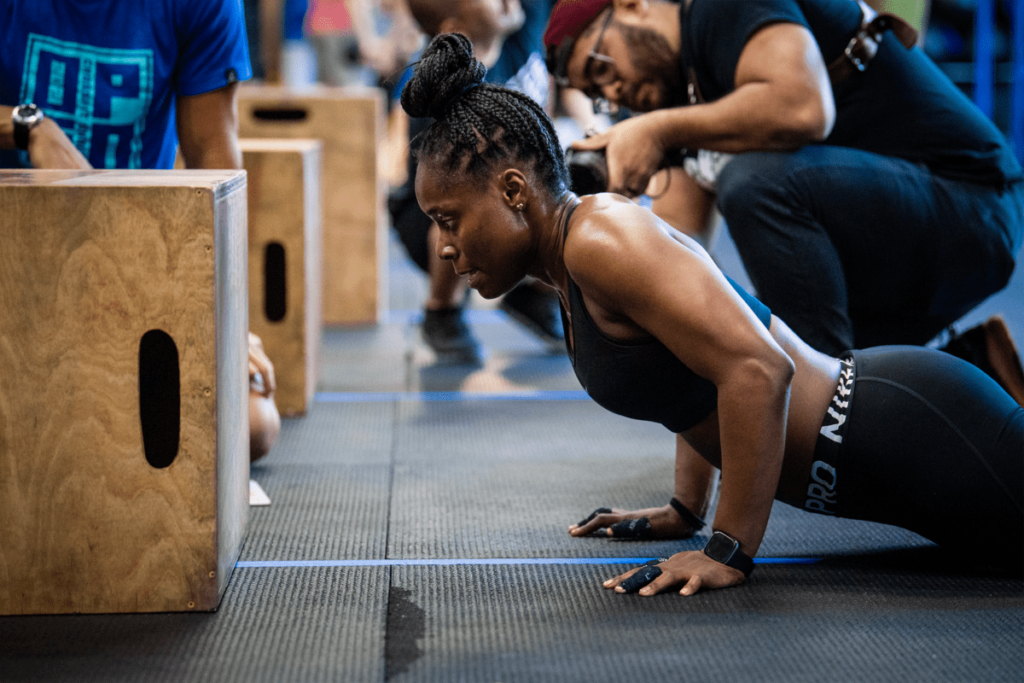
How Your Clothes Fit Can Reveal Changes
Sometimes you don’t need a scale or a tape measure to notice a difference. Your clothes can give you a pretty obvious clue. Maybe your jeans don’t feel as tight around the waist anymore, or a T-shirt that used to sit closely against your stomach now feels a little looser.
It won’t tell you exactly how much fat you’ve lost, of course. Still, these everyday changes can be useful when they happen alongside other signs of progress.
Keeping a particular pair of jeans or another regular item of clothing as a reference can make the difference easier to notice. You don’t need to measure it or check every day. If something that used to feel tight starts fitting comfortably, that’s information too.
Performance Metrics Can Tell You More
Fat loss isn’t the only thing worth tracking when you’re trying to improve your fitness. Physical performance can reveal whether you’re maintaining or improving your fitness while your body composition changes.
Strength is one useful marker. If you can maintain your usual weights and repetitions while your waist measurement decreases, that’s different from losing weight alongside a noticeable decline in strength. Cardiovascular performance matters too, as VO2 max measures how much oxygen your body can use during intense exercise and is widely used as an indicator of aerobic fitness.
Beyond that, your resting heart rate provides another useful data point. Tracking your usual morning reading over time can show how your cardiovascular fitness and recovery are changing. Knowing what a healthy resting heart rate looks like for your age can help put your own readings into context.

Neither metric proves that you’re burning fat on its own. They simply add more context to your overall progress.
Progress Photos and Body Measurements
Some changes are hard to notice day to day. Progress photos can make them easier to spot, especially when you use similar lighting, clothing, distance and poses.
Measurements can help too. You could track your hips, thighs, chest or arms, but there is no need to measure everything. Checking a few areas every couple of weeks may reveal changes the scale misses.
So, What to Track and What Not to Overthink
There isn’t one number that tells you the whole story. Your weight might stay similar while your waist gets smaller, your strength holds steady or your clothes fit differently.
Keep it simple. Body weight and waist circumference are useful starting points, while photos, strength or body-fat estimates can add some extra context.
| Metric | What it can tell you |
| Body weight | Overall change in body mass |
| Waist circumference | Changes in body size |
| Body-fat estimate | Possible body-composition changes |
| Strength | Performance changes |
| VO2 max | Aerobic fitness changes |
| Resting heart rate | Cardiovascular fitness changes |
| Clothing fit | Changes in body shape |
| Progress photos | Visible changes over time |
You don’t have to track everything here. Pick a few measurements you can repeat regularly and look at what happens over several weeks. Not every number will change at the same speed, so don’t read too much into one weigh-in or measurement. The longer-term trend is what matters.