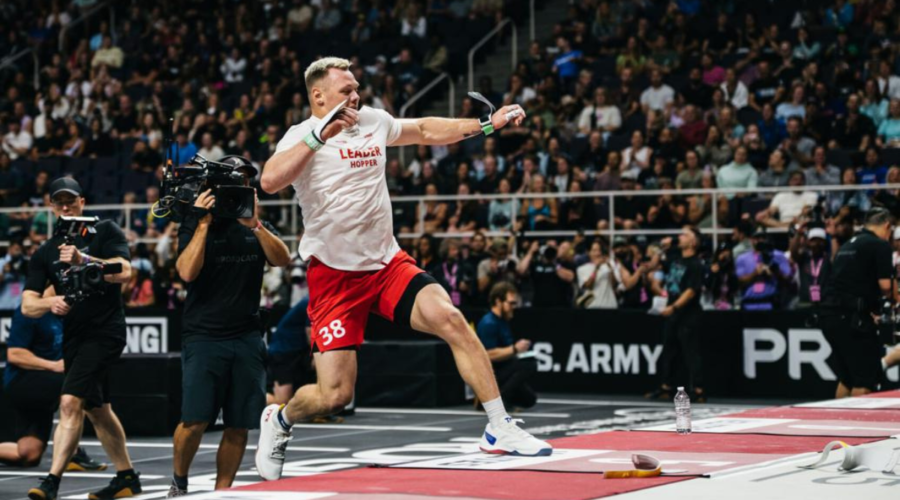


A V shaped torso is one of the most recognizable athletic physiques. It is created by building more width through the upper body while keeping the waist proportionate. Genetics, body fat level, bone structure, and posture all affect how dramatic this shape looks, but beginners can make a major visual difference by prioritizing the right muscles from the start.
The mistake many new lifters make is trying to train every muscle with the same level of attention. Full body development matters for strength, health, and long term progress, but some muscles have a bigger influence on your outline in a T shirt or from the front and back. For the V shaped look, your priority should be the latissimus dorsi, the lateral deltoids, and the upper chest.


These muscles create width across the back and shoulders while giving the chest a more powerful, lifted appearance. Training them well does not mean neglecting your legs, arms, or core. It means understanding which areas deserve consistent effort when your goal is to build an impressive upper body frame.
Why the V Shape Matters
The V shape is a visual effect created by proportion. Wide shoulders and a broad upper back make the waist appear narrower, even when your waist measurement does not change. Research on physical attractiveness has repeatedly found that a stronger shoulder to waist ratio is associated with a more muscular and attractive male body shape.
You cannot change the width of your clavicles or the size of your rib cage. You can, however, add muscle to the areas that make the upper torso look wider. This is good news for beginners because resistance training can produce meaningful increases in muscle size and strength when it is performed consistently and progressed over time.
A successful beginner program should include enough weekly training volume to stimulate growth, while allowing you to recover and improve your technique. Evidence suggests that training a muscle with multiple challenging sets each week is more effective for hypertrophy than doing very little work, and that more weekly volume can produce greater muscle growth up to the point where recovery becomes limiting.
Muscle One: Latissimus Dorsi
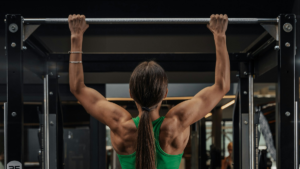
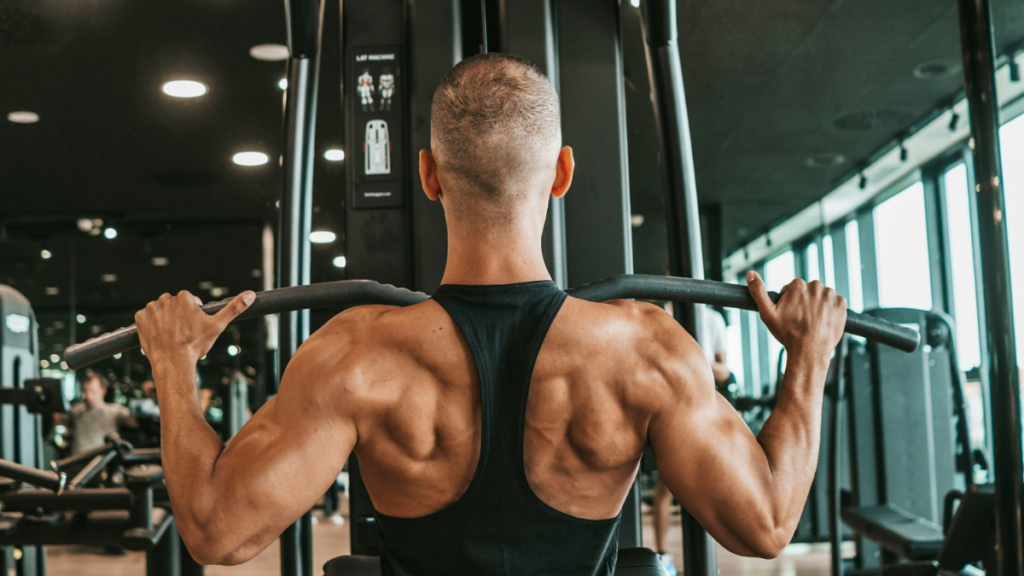
The latissimus dorsi, usually called the lats, are the largest muscles in the upper back. They run from the lower back and pelvis toward the upper arm. When developed, they create the broad sweep that makes the torso look wider from the front and especially from the back.
Why Bigger Lats Change Your Physique
Your lats sit on the outside of your torso, so they have a direct effect on upper body width. A well developed back makes the arms look more substantial and creates a stronger transition from the shoulders toward the waist. This is why a person with average arm size can still look muscular when their back is developed.
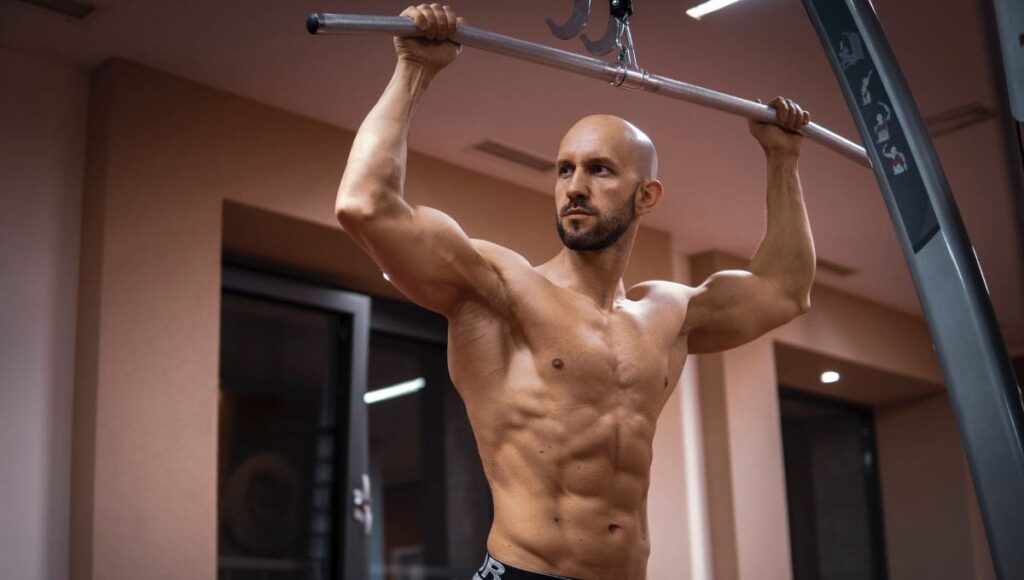
The lats play a major role in shoulder extension and shoulder adduction. In simple terms, they help pull your upper arm down toward your body and back behind your body. That means exercises that involve pulling your elbows toward your hips are especially useful for learning how to train them.
Best Beginner Exercises for the Lats
The lat pulldown is one of the best places to start. It allows beginners to train the lats through a large range of motion while adjusting the load easily. Use a grip that feels secure and comfortable, keep your chest tall, and pull your elbows down toward your sides rather than simply pulling the bar with your hands.
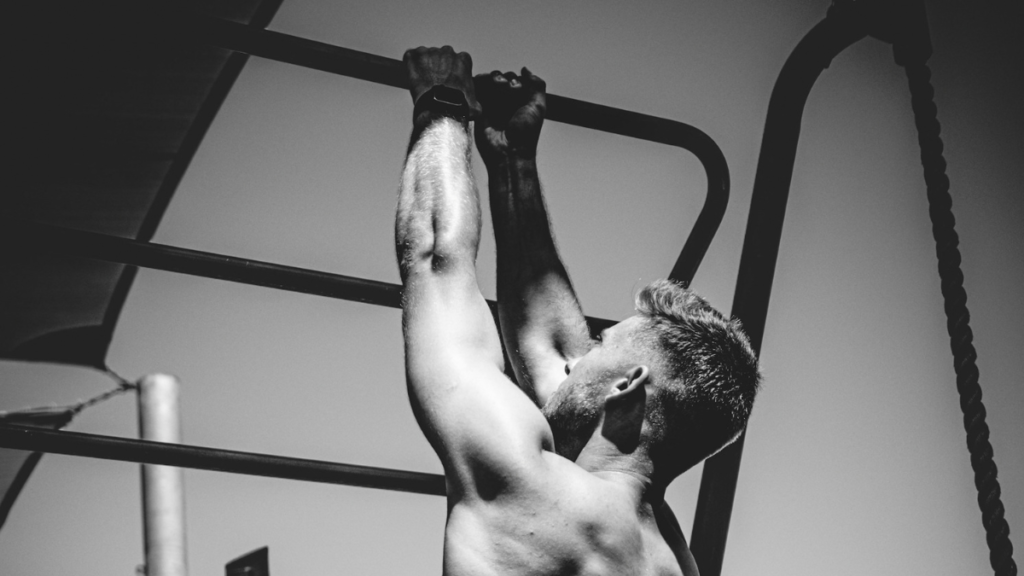
Assisted pull ups are also excellent once you can control your body position. They train a similar movement pattern while gradually preparing you for unassisted pull ups. The assistance level should let you complete clean repetitions without swinging or rushing.
A chest supported row can be another valuable choice. While rows train several back muscles, pulling with the elbows close to the body and focusing on bringing them toward the hips can help the lats contribute strongly. The chest support reduces the demand on the lower back, which lets beginners focus more attention on the target muscles and good technique.
How to Train Your Lats
Train your lats two or three times per week. Start with a total of about six to ten challenging sets weekly from pulldowns, assisted pull ups, and rows. Use a weight that allows controlled repetitions while leaving roughly one to three repetitions in reserve on most sets.
A practical repetition range is eight to fifteen repetitions. The most important factor is that the set becomes challenging while your form remains solid. Over time, add small amounts of weight, perform more repetitions with the same weight, or improve your control through a fuller range of motion. This process, called progressive overload, is central to long term muscle growth.
Muscle Two: Lateral Deltoids
The deltoid is the rounded muscle that covers the shoulder joint. It has several sections, but the lateral deltoid is especially important for creating visible shoulder width. It sits on the outer part of the shoulder and helps raise the arm out to the side.
Why Lateral Deltoids Create Shoulder Width
The lateral deltoids are positioned at the widest part of your upper body. Even modest growth here can make a noticeable difference to your silhouette. Stronger and more developed shoulders make the waist look smaller by comparison, which is exactly what you want when building a V shaped torso.
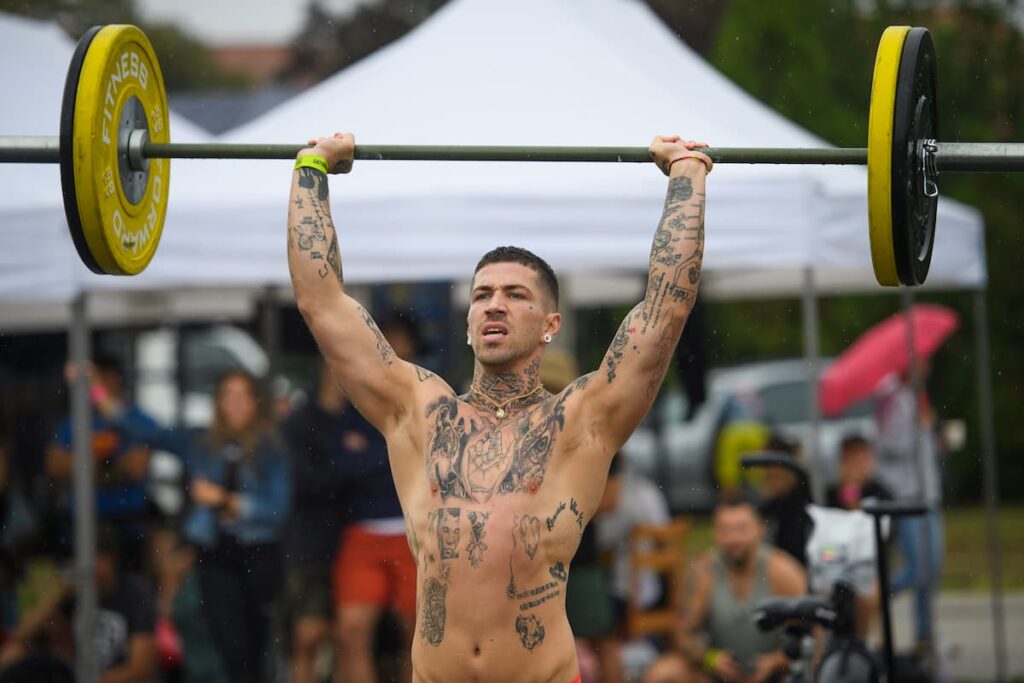
Pressing exercises such as the overhead press train the shoulders, chest, and triceps, but they do not always provide enough direct work for the lateral deltoids. Adding a simple isolation exercise gives this part of the shoulder a more focused stimulus.
The Most Useful Exercise for Beginners
The dumbbell lateral raise is the essential exercise. Stand tall, hold the dumbbells at your sides, and raise your arms out and slightly forward until they are around shoulder height. Keep a soft bend in the elbows and move the weights under control.
This exercise should not look like a heavy strength test. The lateral deltoids are relatively small muscles, so trying to use too much weight often leads to swinging, shrugging, and using momentum. A lighter load with smooth repetitions is usually more productive.
Cable lateral raises are another excellent option because the cable can keep tension on the muscle through more of the movement. If your gym has a cable station, performing the exercise one arm at a time can make it easier to focus on keeping your torso still.
How to Train Your Lateral Deltoids
Beginners can train lateral deltoids two or three times per week with six to twelve total sets. Sets of ten to twenty repetitions work well because they allow you to use a manageable load and concentrate on form.
You should feel the outer shoulder working. If you mostly feel your neck, reduce the weight and make sure your shoulders are not rising toward your ears. Rest long enough to repeat good quality sets, generally one to two minutes. The goal is not to rush. The goal is to give the muscle a meaningful growth signal.
Muscle Three: Upper Chest
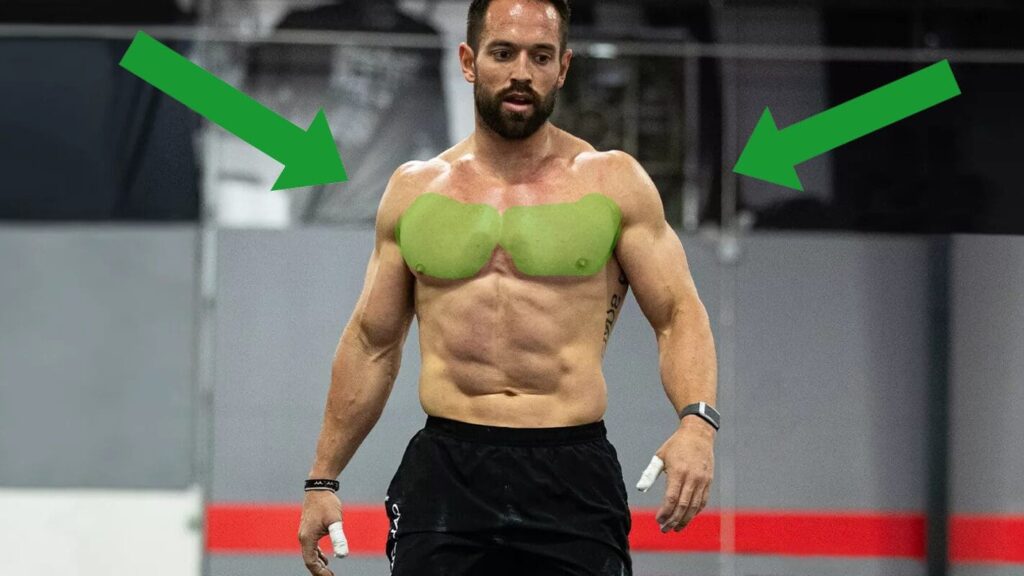
The upper chest is the clavicular portion of the pectoralis major. It attaches near the collarbone and helps create a fuller chest that visually connects the shoulders to the torso. It does not increase your shoulder width directly, but it makes the whole upper body look more complete and powerful.
Why the Upper Chest Improves the V Shape
A developed upper chest adds thickness close to the clavicles, which can make the chest look higher and broader. Without it, even strong shoulders and lats can leave the upper torso looking less balanced from the front.
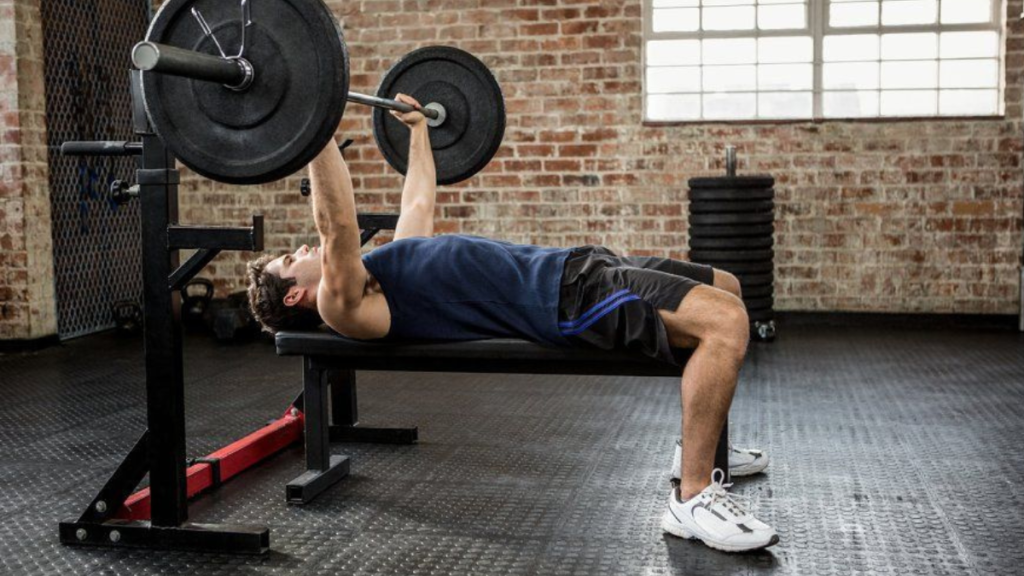
The chest works during pressing movements and horizontal arm movements. Different pressing angles can shift the emphasis across the chest, although no exercise isolates one small area completely. An incline pressing pattern is a practical way to give more attention to the upper chest while still training the chest as a whole.
Best Beginner Exercises for the Upper Chest
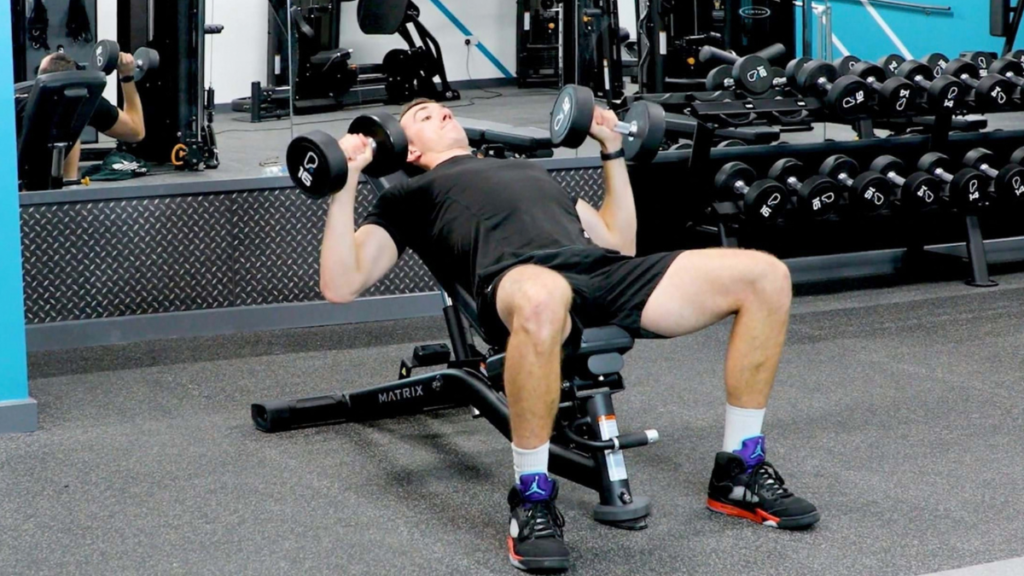
The incline dumbbell press is an excellent starting exercise. Set the bench at a low to moderate incline, generally around 30 to 45 degrees. A very steep bench can shift more work toward the front deltoids, while a moderate angle tends to keep the chest highly involved.
Lower the dumbbells with control until you feel a comfortable stretch through the chest, then press them upward and slightly inward. Keep your feet firmly planted and avoid turning the movement into a fast, bouncing repetition.
The incline machine press is also highly effective, especially for beginners who are still learning how to stabilize free weights. Machines can help you train hard with a simple movement path, making it easier to focus on effort and consistent progression.
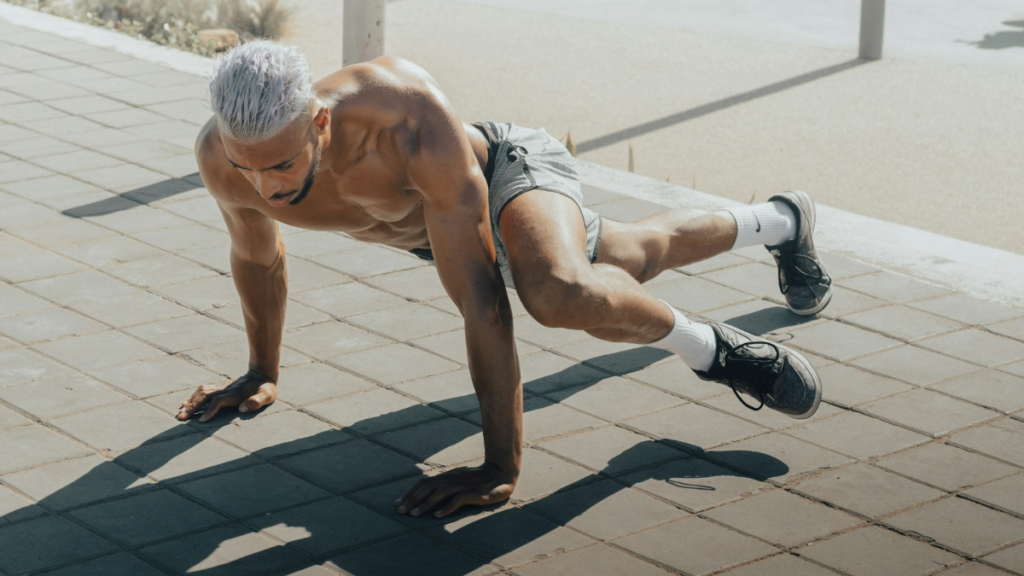
Push ups can support your chest development too. If standard push ups are challenging, perform them with your hands elevated on a stable bench or bar. If they become easy, lower the hand position or add load gradually. The best version is the one you can perform with control and steadily improve.
How to Train Your Upper Chest
Train the upper chest two times per week with six to ten challenging sets. Most sets can fall between six and fifteen repetitions. Use a controlled lowering phase, pause briefly if needed, and press with intent. The load should be demanding without forcing you to lose shoulder position or shorten the range of motion.
Your shoulders should feel stable during chest training. If you experience persistent pain, reduce the load, reassess your technique, or choose a machine variation that feels more comfortable. Building muscle is a long term process, and avoiding unnecessary irritation helps you train consistently.
Put the Three Muscles Into a Beginner Program
You do not need a complicated split to build a better upper body. Train the lats, lateral deltoids, and upper chest at least twice each week, alongside lower body work, pressing, rowing, arm training, and core exercises.
For example, one upper body session could include lat pulldowns, incline dumbbell presses, chest supported rows, and lateral raises. A second upper body session could use assisted pull ups, an incline machine press, a row variation, and cable lateral raises. This gives you repeated practice while allowing each movement to stay simple.
Close Grip Bench Press vs Dips: Which Builds Bigger Triceps for Beginners?
Beginners benefit greatly from patience. Your first goal is to learn consistent technique, train hard enough to make progress, eat enough protein, and recover well. Resistance training combined with sufficient protein intake supports increases in lean mass, while sleep and recovery help you repeat productive training sessions over time.
Do not chase a different exercise every week. Keep a few effective movements, record your sets and repetitions, and aim to improve gradually. The V shape is built through months of disciplined work, but the visual changes from wider lats, rounder shoulders, and a fuller upper chest can be very rewarding.
Key Takeaways
| Focus | Why It Matters | Beginner Priority |
|---|---|---|
| Latissimus dorsi | Adds width through the back and strengthens the visual taper toward the waist. | Use pulldowns, assisted pull ups, and controlled rows two or three times weekly. |
| Lateral deltoids | Adds width at the shoulders, making the waist look narrower by comparison. | Use lateral raises two or three times weekly with controlled repetitions. |
| Upper chest | Builds fullness near the collarbones and balances the front of the upper torso. | Use incline presses twice weekly with stable technique and progressive loading. |
| Progressive overload | Gives muscles a reason to adapt and grow over time. | Add repetitions, load, or control gradually while maintaining good form. |
| Consistency | Allows training volume, recovery, and technique practice to accumulate. | Follow a repeatable plan for months rather than constantly changing exercises. |
References
- American College of Sports Medicine (2009) ‘American College of Sports Medicine position stand: Progression models in resistance training for healthy adults’, Medicine and Science in Sports and Exercise, 41(3), pp. 687 to 708.
- Grgic, J., Schoenfeld, B.J., Davies, T.B., Lazinica, B., Krieger, J.W. and Pedisic, Z. (2018) ‘Effect of resistance training frequency on gains in muscular strength: A systematic review and meta analysis’, Sports Medicine, 48(5), pp. 1207 to 1220.
- Helms, E.R., Aragon, A.A. and Fitschen, P.J. (2014) ‘Evidence based recommendations for natural bodybuilding contest preparation: Nutrition and supplementation’, Journal of the International Society of Sports Nutrition, 11, 20.
- Lasevicius, T., Ugrinowitsch, C., Schoenfeld, B.J., Roschel, H., Tavares, L.D., De Souza, E.O., Tricoli, V. and Teixeira, E.L. (2019) ‘Effects of different intensities of resistance training with equated volume load on muscle strength and hypertrophy’, European Journal of Sport Science, 19(6), pp. 772 to 780.
- Morton, R.W., Murphy, K.T., McKellar, S.R., Schoch, R.D., Henselmans, M., Helms, E., Aragon, A.A., Devries, M.C., Banfield, L., Krieger, J.W. and Phillips, S.M. (2018) ‘A systematic review, meta analysis and meta regression of the effect of protein supplementation on resistance training induced gains in muscle mass and strength in healthy adults’, British Journal of Sports Medicine, 52(6), pp. 376 to 384.
- Schoenfeld, B.J., Ogborn, D. and Krieger, J.W. (2017) ‘Dose response relationship between weekly resistance training volume and increases in muscle mass: A systematic review and meta analysis’, Journal of Sports Sciences, 35(11), pp. 1073 to 1082.
- Schoenfeld, B.J., Grgic, J., Ogborn, D. and Krieger, J.W. (2017) ‘Strength and hypertrophy adaptations between low versus high load resistance training: A systematic review and meta analysis’, Journal of Strength and Conditioning Research, 31(12), pp. 3508 to 3523.
- Swami, V. and Tovée, M.J. (2005) ‘Male physical attractiveness in Britain and Malaysia: A cross cultural study’, Body Image, 2(4), pp. 383 to 393.