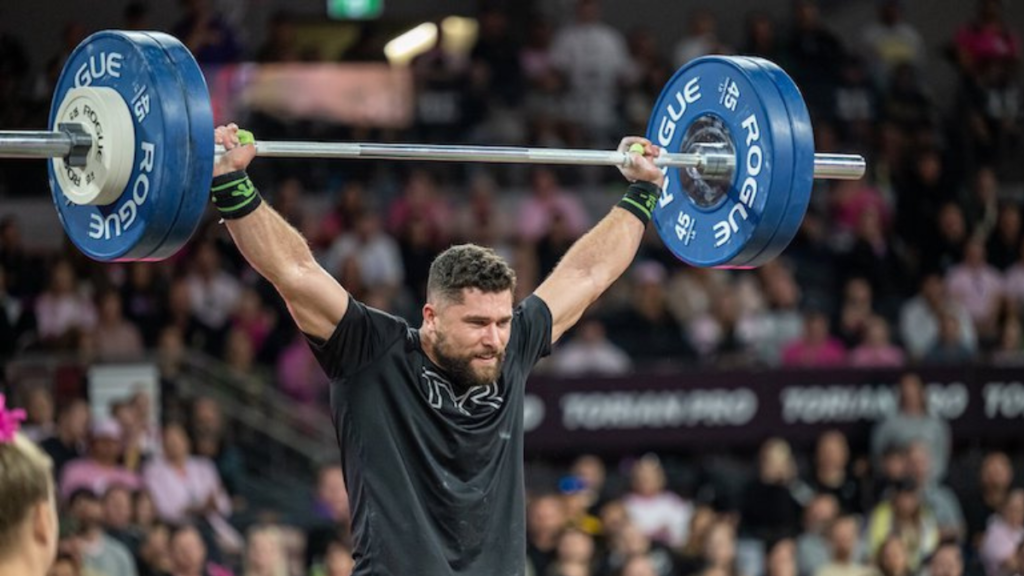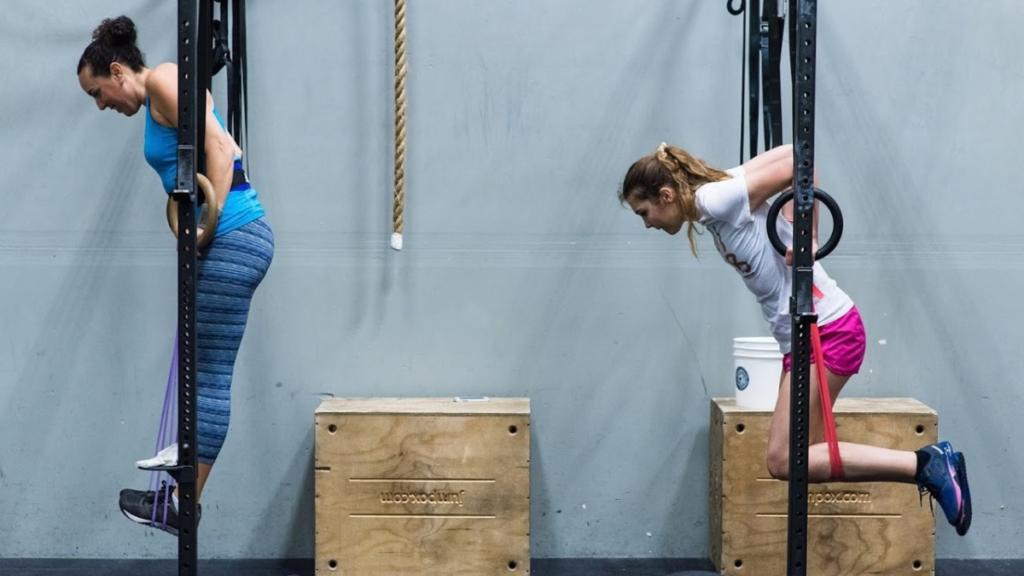


A wide back can make the waist appear smaller and create the athletic V shaped upper body many lifters want. Pull ups are one of the most useful bodyweight exercises for that goal, but the grip choice often becomes confusing. Some lifters swear that a wide overhand grip is essential for wide lats. Others prefer neutral grip pull ups because they feel stronger, smoother, and easier on the shoulders.
The evidence does not support the idea that simply placing the hands much wider automatically creates wider lats. Both versions train the latissimus dorsi very effectively. The better choice is usually the variation that lets you use a full range of motion, accumulate challenging high quality reps, progress over time, and train without joint pain.


For most people, neutral grip pull ups have a slight practical advantage because they are often more comfortable and easier to load progressively. Wide grip pull ups can still be valuable, especially when they suit your shoulders and you enjoy them, but there is little reason to force an extremely wide hand position in pursuit of lat width.
What Creates the Appearance of Wider Lats?
The lats are large muscles that run from the lower back and pelvis toward the upper arm. Their main actions include bringing the upper arm down toward the torso, moving the arm behind the body, and rotating the upper arm inward. When the lats become larger, they add visual width to the upper back, particularly when the arms are held away from the sides.
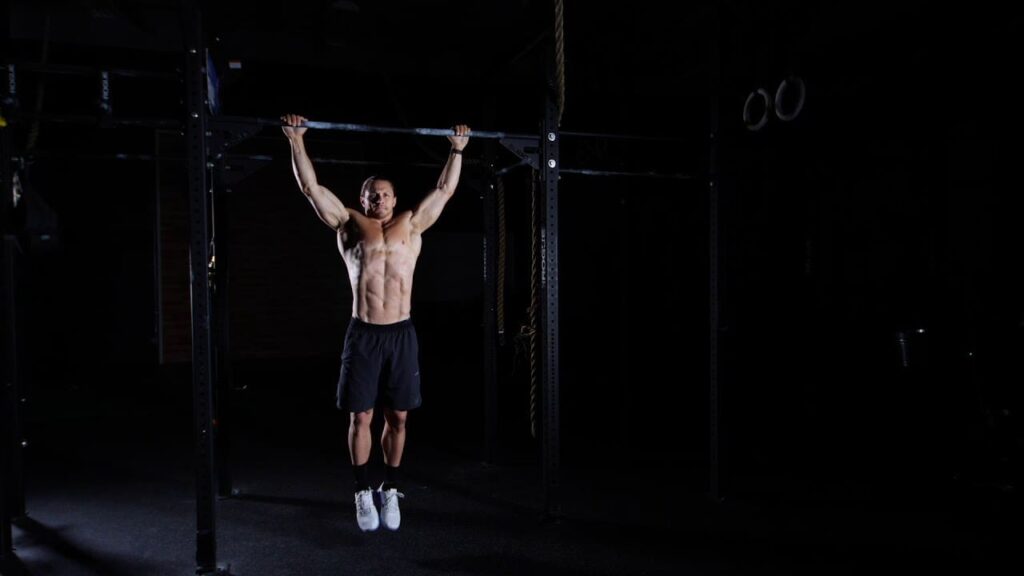
However, no exercise can selectively grow only the outer edge or lower portion of the lats in a way that reshapes the muscle. Muscle attachment points are determined by anatomy. Training can increase the size of the latissimus dorsi, but it cannot move where the muscle begins or ends. Genetics, skeletal structure, body fat levels, and development of the shoulders, upper back, and waist all influence how dramatic someone’s lat width appears.
That does not make exercise selection unimportant. A good pull up variation should challenge the lats through a useful range of motion and be repeatable enough to produce sufficient training volume. Research on resistance training shows that greater weekly volumes of demanding work generally produce greater muscle growth, provided recovery is adequate. That means the grip that allows consistent progress is likely more valuable than the grip that looks most specialized.
Understanding Wide-Grip Pull-Ups
A wide grip pull up is usually performed with the palms facing away from the body and the hands placed farther apart than shoulder width. The exact width varies, but a moderately wide grip is more realistic and useful than placing the hands as far apart as possible.
Why Wide Grip Pull-Ups Feel Different
With the hands wide apart, the upper arms begin in a more abducted position. This creates a pulling pattern that often feels more demanding on the upper back and less dependent on elbow flexion. Lifters commonly report a strong sensation in the lats and upper back, which helps explain why the variation is popular.
A wide grip also shortens the vertical distance the body must travel before the chin reaches the bar. This does not automatically make the exercise easier. The position can reduce leverage for many people and may make it harder to perform controlled full range repetitions. Extremely wide grips can also make it difficult to reach a comfortable bottom position with the shoulders fully elevated.
Does a Wide Grip Activate the Lats More?
The strongest claim for wide grip pull ups is that they activate the lats more and therefore build a wider back. Current evidence does not support that claim with confidence.
Research comparing pull up variations has found broadly similar latissimus dorsi activity across pronated, neutral, and supinated hand positions. One study found that pronated pull ups produced greater middle trapezius activity than neutral grip pull ups, while most other measured muscles, including the lats, showed similar activation between variations. This suggests that changing hand position may alter how the movement feels and how supporting muscles contribute without producing a large, consistent difference in lat involvement.
Research on lat pulldowns points in the same direction. Although a pulldown is not identical to a pull up, it involves many of the same shoulder actions and offers useful context. Studies comparing grip widths have generally not found that a wider pronated grip produces meaningfully greater lat activity than a narrower pronated grip. Forearm orientation may matter more than width in some comparisons, but even then, the differences should not be mistaken for proof of superior long term muscle growth.
Electromyography measures electrical activity during a repetition. It is useful for understanding how muscles contribute to an exercise, but it does not directly measure hypertrophy. A muscle can show high activity during a movement without that movement necessarily producing more growth than another option. Long term growth depends on effort, load, range of motion, volume, recovery, nutrition, and progression.
The Drawbacks of Going Too Wide
There is an important difference between a moderate wide grip and an extreme wide grip. A very wide position can limit comfortable shoulder movement and reduce the range of motion you can control. It can also make it harder to add load or build repetitions steadily.
If a grip causes pinching in the front or top of the shoulder, discomfort at the elbows, or a loss of control at the bottom, it is not the right grip for you. Discomfort is not evidence that the lats are being trained more effectively. It is usually a sign that the exercise setup needs adjustment.
Understanding Neutral-Grip Pull-Ups
Neutral grip pull ups are performed with the palms facing each other, usually using parallel handles. The hand position places the shoulders and forearms in a more natural position for many lifters. They can be performed on a dedicated neutral grip station, gymnastic rings, parallel handles attached to a pull up bar, or some multi grip pull up frames.
Why Neutral Grip Often Feels More Comfortable
The neutral hand position commonly allows the upper arms, elbows, and wrists to move in a path that feels smoother than a wide overhand grip. This does not mean neutral grip is universally pain free, but many people find it easier to perform without aggravating the shoulders, elbows, or wrists.
Comfort matters because hypertrophy training requires repeated exposure over many weeks and months. A pull up variation that feels stable and comfortable makes it easier to train close to muscular fatigue, perform enough quality sets, and progress gradually. These factors are more closely connected to muscle growth than chasing a small difference in acute muscle activation.
Neutral grip pull ups also tend to allow a deeper and more controlled bottom position for many lifters. Starting from a stable dead hang or near dead hang can make the range of motion more consistent. From there, the lifter can initiate the pull by bringing the upper arms toward the torso while keeping the ribs controlled and avoiding excessive swinging.
Do Neutral-Grip Pull-Ups Reduce Lat Training?
No. Neutral grip pull ups strongly involve the latissimus dorsi. The lats still perform their main pulling role as the upper arms move down and toward the body. The biceps, brachialis, brachioradialis, lower trapezius, middle trapezius, posterior deltoids, and rotator cuff muscles also contribute, because pull ups are a compound movement.
Some people feel more arm involvement during neutral grip pull ups. This is not necessarily a problem. The biceps assisting the movement does not remove the lats from the exercise. The goal is not to isolate the lats completely, which is impossible in a multi joint pulling exercise. The goal is to give the lats a demanding stimulus while completing controlled, progressively harder work.
Research comparing neutral, pronated, supinated, and rope pull up variations found that the latissimus dorsi was highly active across the different styles. The major practical implication is simple: neutral grip is a legitimate lat builder, not a compromise variation.
Which Grip Builds Wider Lats?
For direct lat growth, neither grip has a decisive scientific advantage. A moderately wide pronated pull up and a neutral grip pull up can both be excellent choices. The idea that wide grip pull ups are uniquely capable of building wider lats is not supported by the available research.
Neutral grip often wins on practical grounds. If it allows you to complete more controlled repetitions, use a fuller range of motion, train with less irritation, and add external load more reliably, it is likely the better primary movement. These advantages can lead to more productive training over time.
Wide grip can be the better choice if it feels comfortable, you can control it well, and it helps you train hard consistently. It may also be useful as a secondary variation to add variety to your back training. The key is to keep the grip moderate rather than excessively wide.
The best answer is therefore not that one grip builds wide lats while the other does not. Both can build lats. The better variation is the one you can progressively overload with excellent technique.
How to Perform Each Variation for Lat Growth
Wide-Grip Pull-Up Technique
Use a grip that is moderately wider than shoulder width. Begin in a controlled hang with the ribs down and the body steady. Initiate the movement by pulling the upper arms down toward the sides of the torso. Think about bringing the elbows toward your pockets while maintaining a slight natural arch through the upper back.
Pull until your chin clears the bar or until you reach the highest position you can control without forcing the neck forward. Lower slowly until the elbows are straight and the shoulders return to a comfortable stretched position. Avoid kicking, swinging, or cutting the lowering phase short.
A grip that is so wide that it prevents a controlled bottom position is too wide for productive training.
Neutral-Grip Pull-Up Technique
Start with the hands on parallel handles and the palms facing each other. Allow the shoulders to rise naturally at the bottom if that position is comfortable. Brace the trunk and avoid excessive leg movement.
Pull the elbows down and slightly back while keeping the handles close to the body. Aim to bring the upper chest toward the hands rather than simply throwing the chin over the handles. Lower under control and maintain a consistent range of motion from rep to rep.
Because many lifters are stronger in this position, neutral grip is often an excellent choice for weighted pull ups. Once you can perform clean bodyweight repetitions, small additions of load can provide a clear path for progressive overload.
A Practical Plan for Wider Lats
Choose one pull up variation as your primary movement and train it regularly. Beginners can start with assisted pull ups, band assisted reps, machine assisted pull ups, or slow eccentric repetitions. More experienced lifters can use bodyweight pull ups and eventually add external load.
Perform your work sets with controlled technique and finish most sets with a small number of repetitions still possible. Training very close to failure can be useful, but every set does not need to end with a breakdown in form. Use a rep range that lets you maintain control, whether that means lower repetitions with added weight or higher repetitions using bodyweight or assistance.
3 Best Exercises for Rounder and More Defined Shoulders
Train the lats with enough weekly work to progress, while including other pulling movements if needed. Rows, pulldowns, and straight arm pulldowns can complement pull ups by adding useful training volume. Evidence suggests that both lighter and heavier resistance training can build muscle when sets are performed with sufficient effort. This gives you flexibility to use assistance, bodyweight, and weighted versions as your strength improves.
If your shoulders tolerate both grips, rotate them across training blocks or use one as your main exercise and the other as an accessory. For example, neutral grip pull ups can be your heavier progression movement, while moderately wide pull ups can be performed later in the session for controlled bodyweight sets.
The Bottom Line
Wide grip pull ups do not have a special ability to build wider lats. They are a useful exercise, but the available evidence does not show a reliable lat growth advantage over neutral grip pull ups.
Neutral grip pull ups are often the better default because many lifters can perform them more comfortably, through a fuller range of motion, and with more consistent progression. That said, a moderately wide grip can work just as well when it feels good and allows clean, challenging repetitions.
Build your lats by prioritizing quality effort, adequate weekly training volume, a full controlled range of motion, and steady progression. The grip is important, but it is not the magic ingredient.
Key Takeaways
| Grip choice | What the evidence suggests | Best use |
|---|---|---|
| Wide grip pull ups | They train the lats effectively, but are not proven to create more lat width than neutral grip pull ups. | Use a moderate width if it feels comfortable and you can control the full movement. |
| Neutral grip pull ups | They strongly train the lats and often feel more natural at the shoulders, elbows, and wrists. | A strong default choice for most lifters and an excellent option for adding weight. |
| Extremely wide grip pull ups | They do not provide a proven lat growth advantage and may reduce comfort or usable range of motion. | Usually unnecessary for hypertrophy training. |
| Lat growth overall | Long term progression, challenging sets, sufficient volume, and recovery matter more than small grip differences. | Select the variation you can train hard and consistently. |
References
- American College of Sports Medicine (2009) ‘American College of Sports Medicine position stand: Progression models in resistance training for healthy adults’, Medicine and Science in Sports and Exercise, 41(3), pp. 687 to 708.
- Dickie, J.A., Faulkner, J., Barnes, M.J. and Lark, S.D. (2017) ‘Electromyographic analysis of muscle activation during pull up variations’, Journal of Electromyography and Kinesiology, 32, pp. 30 to 36.
- Schoenfeld, B.J., Grgic, J., Ogborn, D. and Krieger, J.W. (2017) ‘Strength and hypertrophy adaptations between low versus high load resistance training: A systematic review and meta analysis’, Journal of Strength and Conditioning Research, 31(12), pp. 3508 to 3523.
- Schoenfeld, B.J., Ogborn, D. and Krieger, J.W. (2017) ‘Dose response relationship between weekly resistance training volume and increases in muscle mass: A systematic review and meta analysis’, Journal of Sports Sciences, 35(11), pp. 1073 to 1082.
- Snyder, B.J. and Leech, J.R. (2009) ‘Grip width and forearm orientation effects on muscle activity during the lat pull down’, Journal of Strength and Conditioning Research, 23(7), pp. 1895 to 1900.
- Snarr, R.L., Hallmark, A.V., Casey, J.C. and Esco, M.R. (2017) ‘Electromyographical comparison of a traditional, suspension device, and towel pull up’, Journal of Human Kinetics, 58, pp. 5 to 13.
- Sperandei, S., Barros, M.A.P., Silveira Júnior, P.C.S. and Oliveira, C.G. (2009) ‘Electromyographic analysis of three different types of lat pull down’, Journal of Strength and Conditioning Research, 23(7), pp. 2033 to 2038.