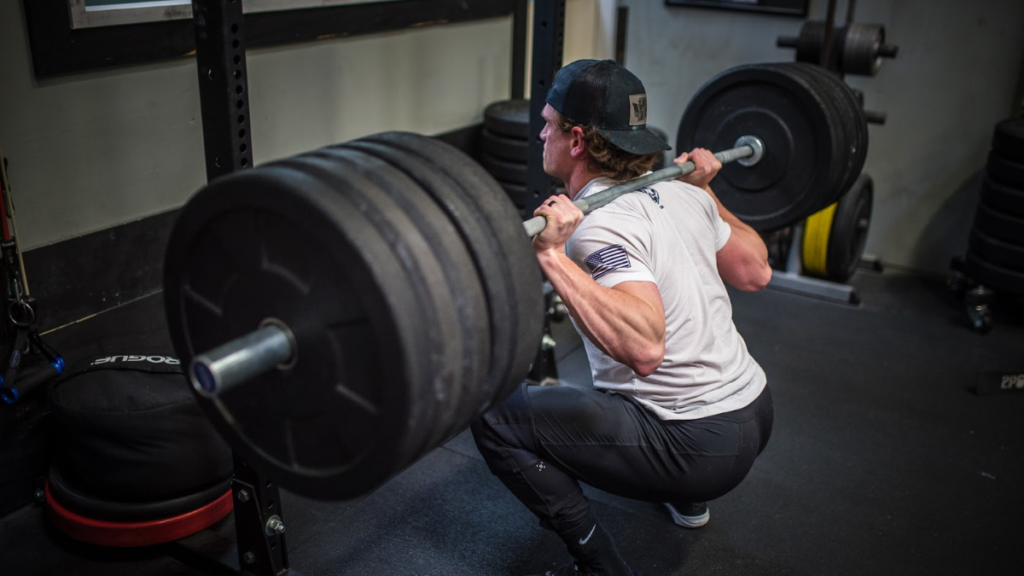
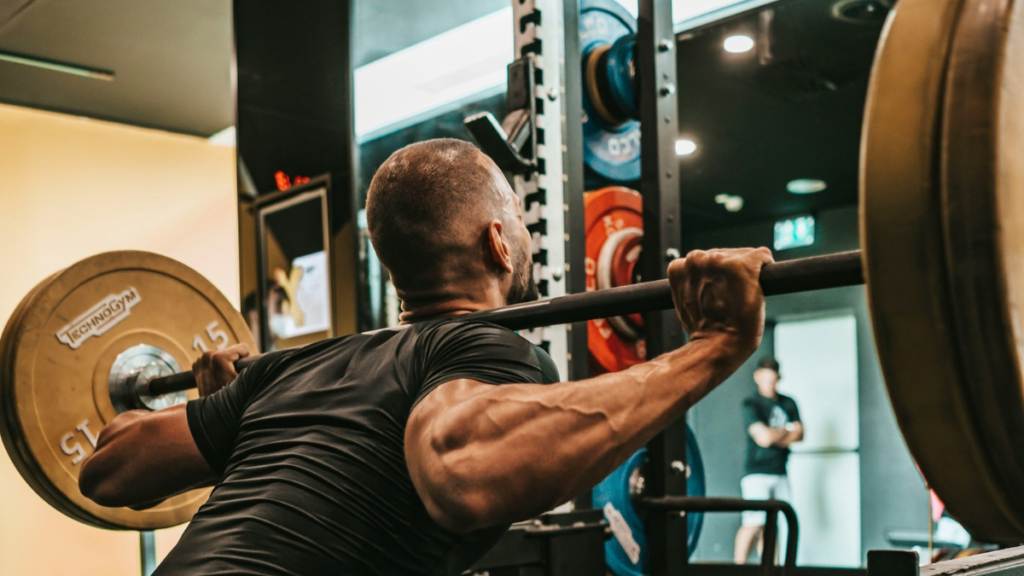
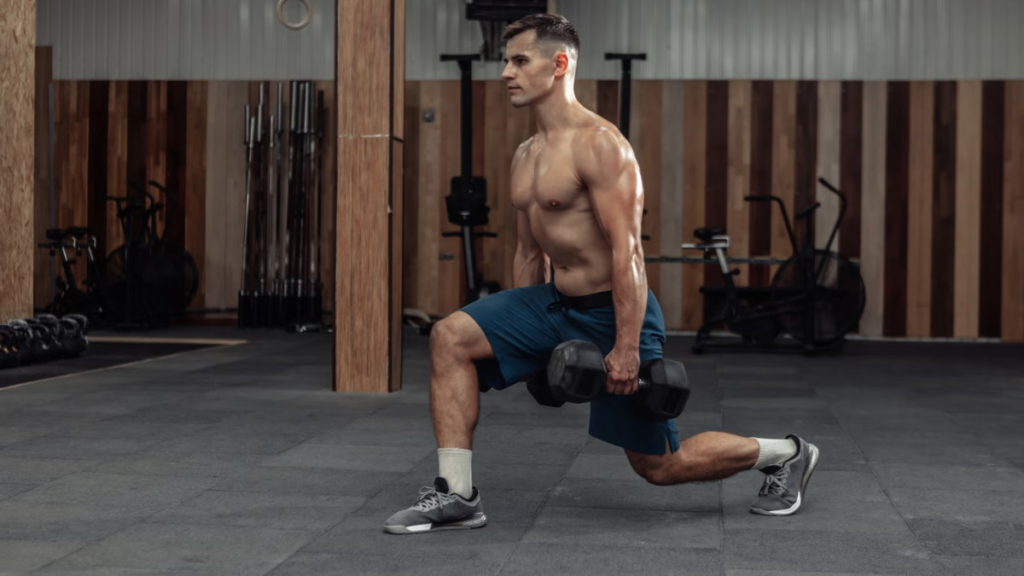
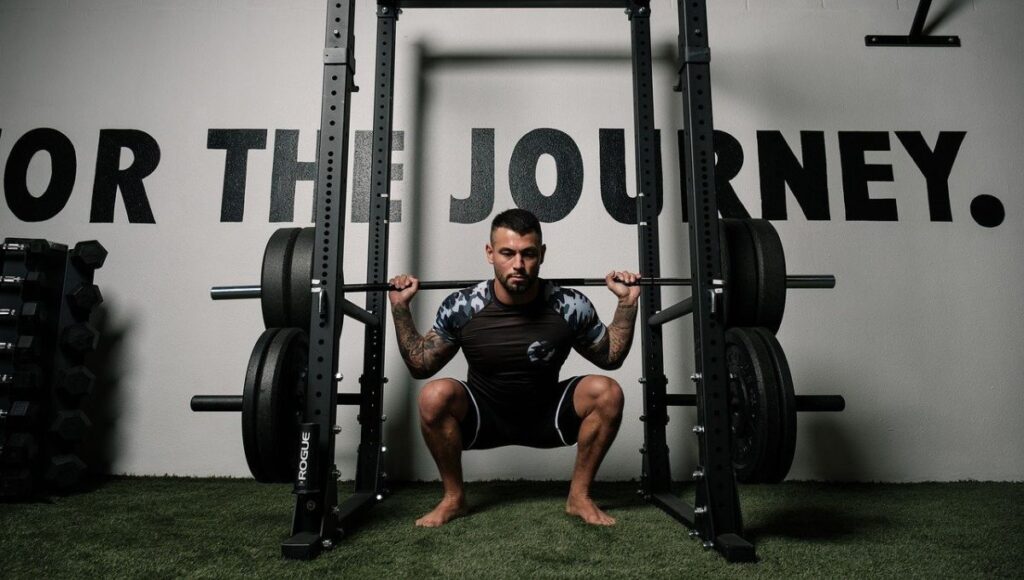
The squat is one of the most important movements in strength training. It builds the legs, strengthens the hips, improves athletic performance, and helps preserve muscle and bone as you get older. It is also one of the easiest ways to measure lower body strength across different stages of life.
Many people wonder how much they should be able to squat for their age. The answer is not as simple as a single number because body weight, training experience, sex, injury history, and overall health all influence strength. A healthy 25 year old who has trained consistently for five years will naturally squat much more than someone of the same age who has never lifted weights.


5 Super Effective Exercises that Everyone Secretly Hates
Age still matters, however. Peak muscle mass and strength generally occur in early adulthood before gradually declining. Fortunately, research consistently shows that resistance training can dramatically slow this process and even reverse much of the age related loss of strength.
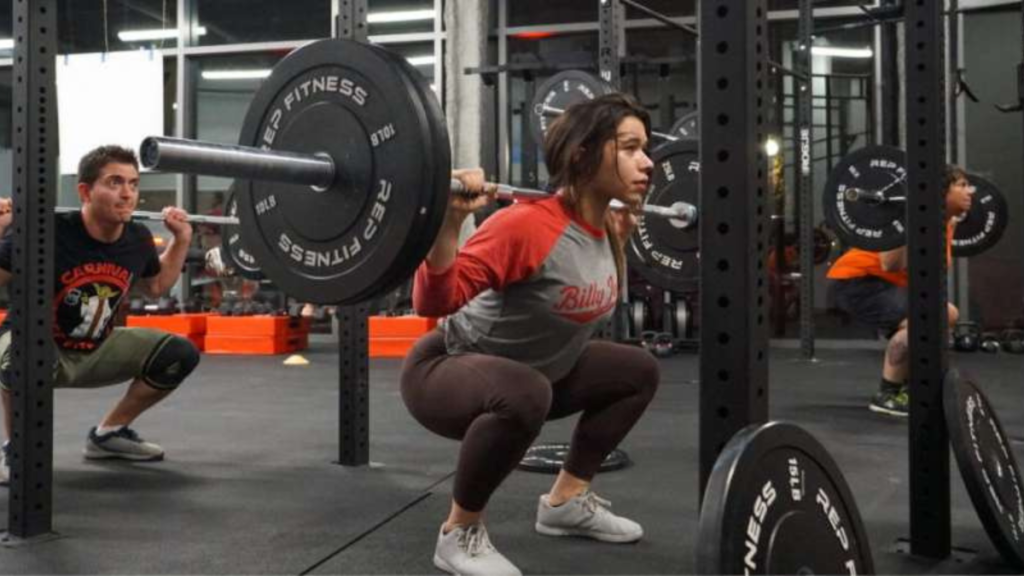
This article explains what squat strength typically looks like at different ages, why those numbers change over time, and what science says about maintaining impressive squat strength for decades.
Why Squat Strength Matters
The squat is more than a gym exercise. It reflects how well your muscles, joints, nervous system, and bones work together.
Strong squat performance is associated with greater muscle mass, better mobility, improved balance, higher bone mineral density, and a lower risk of falls later in life. Resistance training that includes squats has also been shown to improve insulin sensitivity, reduce the risk of metabolic disease, and enhance quality of life.
Lower body strength is especially important because it supports everyday movements like climbing stairs, getting out of a chair, carrying groceries, and maintaining independence during aging.
Research also shows that muscular strength is strongly associated with reduced risk of premature death from all causes. Stronger individuals generally experience lower rates of cardiovascular disease and better long term health outcomes.
What Is a Good Squat?
There are several ways to measure squat performance. The most common benchmark is the one repetition maximum, often called the one rep max or 1RM. This is the heaviest weight you can lift for one technically sound repetition.

Because people vary greatly in body size, relative strength often provides a better comparison than absolute weight. Relative strength compares the weight lifted to body weight. For example, a person weighing 180 pounds who squats 180 pounds has a squat equal to one times body weight. General strength standards for healthy adults with good technique are often considered:
Beginner
Around 0.5 to 0.75 times body weight.
Intermediate
Approximately one to 1.5 times body weight.
Advanced
Around 1.75 to 2 times body weight.
Elite
More than 2 times body weight, with competitive powerlifters often exceeding 2.5 or even 3 times body weight.
These standards apply primarily to people who actively train. Someone who has never lifted weights should not expect to reach these numbers immediately.
How Age Affects Squat Strength
Strength follows a predictable pattern throughout life. Muscle mass increases rapidly during adolescence alongside hormonal changes and physical growth. Most people reach peak strength somewhere between their late twenties and mid thirties.
After about age 35, muscle mass begins to decline slowly. This process accelerates after age 60 if people remain inactive. The decline is not inevitable. Numerous studies show that consistent resistance training preserves muscle tissue, maintains neuromuscular function, and significantly reduces age related strength losses. In fact, older adults who lift weights regularly often outperform sedentary people who are decades younger.
Expected Squat Strength by Age
The following ranges assume healthy individuals with consistent strength training experience and solid technique.
Ages 18 to 29
This is typically the period of fastest strength gains. Hormonal levels support muscle growth, recovery capacity is generally high, and connective tissues adapt well to progressive overload.
A recreational lifter may squat around body weight after several months of structured training. More experienced lifters often reach 1.5 to 2 times body weight, while competitive strength athletes frequently exceed twice their body weight. This age range offers the greatest opportunity to build a long term strength foundation.
Ages 30 to 39
Most people remain close to their peak strength during their thirties. Although recovery may become slightly slower, muscle building potential remains extremely high with consistent training, proper nutrition, and adequate sleep.
Research suggests that adults who continue resistance training through their thirties can maintain nearly all of their maximal strength.
Many elite powerlifters even achieve personal records during this decade because years of technical practice compensate for minor physiological changes.
Ages 40 to 49
During the forties, subtle reductions in muscle mass and anabolic hormone production begin to appear. Despite these changes, squat performance can remain remarkably high.
Well trained adults frequently continue squatting between 1.25 and 1.75 times body weight. Lifters who prioritize recovery, mobility, and intelligent programming often continue progressing. This stage is when consistency becomes more important than intensity alone.
Ages 50 to 59
After age 50, preserving muscle becomes increasingly important. Research shows resistance training remains one of the most effective interventions against sarcopenia, which is the age related loss of muscle mass.
Many recreational lifters in this age group comfortably squat around their body weight. Experienced strength athletes often continue lifting substantially more. The focus often shifts from setting lifetime records toward maintaining strength, mobility, and joint health.
Ages 60 to 69
Many people assume heavy squats should stop after age 60. Science strongly disagrees.
Numerous studies have demonstrated that adults in their sixties can safely perform heavy resistance training under appropriate supervision. Strength improvements often exceed 30 percent within a few months. Many healthy adults maintain squats approaching body weight while experienced lifelong lifters continue lifting considerably more. Proper technique, gradual progression, and recovery become increasingly important.
Ages 70 and Beyond
Strength naturally declines further during the seventies and eighties. However, resistance training remains highly effective.
Research involving adults over 80 has shown significant gains in muscle strength, walking ability, balance, and independence after supervised strength programs. Heavy barbell squats may not be appropriate for everyone in this age group, but squat variations using barbells, dumbbells, machines, or body weight continue delivering meaningful benefits.
The goal becomes maintaining functional strength rather than chasing maximal loads.
Why Training Age Matters More Than Chronological Age
A 55 year old who has trained consistently for twenty years will almost always outperform a sedentary 30 year old. Scientists often distinguish between chronological age and biological age. Regular strength training slows many biological markers of aging by preserving muscle fibers, improving nervous system efficiency, maintaining bone density, and reducing inflammation.
This explains why older athletes often retain impressive squat numbers long after the average population experiences substantial decline. Training history is therefore one of the strongest predictors of squat performance.
Men and Women Should Not Compare Numbers Directly
Men generally squat heavier absolute weights because they possess greater muscle mass, particularly in the lower body, along with higher testosterone levels. When strength is expressed relative to lean body mass, however, the gap becomes much smaller.
Women respond extremely well to resistance training and achieve similar relative improvements in strength. Research consistently demonstrates that properly designed strength programs produce substantial increases in squat performance for both sexes regardless of age.
What Limits Squat Strength as You Get Older?
Several biological factors contribute to declining strength.
- Muscle fibers gradually shrink, especially the fast twitch fibers responsible for producing high force.
- Motor neuron loss reduces the nervous system’s ability to recruit muscle efficiently.
- Recovery becomes slower because protein synthesis is less responsive.
- Bone density may decline, particularly after menopause in women.
- Joint cartilage also undergoes gradual changes over time.
Fortunately, resistance training directly addresses nearly every one of these mechanisms. Heavy compound exercises stimulate muscle protein synthesis, strengthen bones, improve tendon stiffness, enhance balance, and preserve neuromuscular coordination.
How to Maintain Strong Squats for Life
The science behind healthy aging is remarkably consistent. Adults should perform resistance training at least twice weekly, targeting all major muscle groups.
Progressive overload remains essential. Muscles only adapt when training becomes gradually more challenging. Protein intake also becomes increasingly important with age. Research suggests older adults may benefit from consuming approximately 1.2 to 1.6 grams of protein per kilogram of body weight each day to maximize muscle maintenance.
Recovery deserves equal attention. Sleep supports muscle repair, hormone production, and nervous system recovery. Mobility work helps preserve movement quality, while aerobic exercise supports cardiovascular health and work capacity.
Technique should always take priority over heavier loads. Full range of motion squats performed with excellent mechanics generally provide greater long term benefits than partial repetitions performed with excessive weight.
Should You Test Your One Rep Max?
Testing maximal strength can be useful, but it is not necessary for everyone. Experienced lifters with excellent technique may safely test their one rep max occasionally.
Beginners often benefit more from estimating maximal strength using sets of three to five repetitions. This reduces injury risk while still providing an accurate picture of progress. Older adults can also use repetition based testing rather than attempting an absolute maximum lift. Ultimately, consistent progress matters far more than achieving a specific number on a single day.
The Bottom Line
There is no universal squat target that every person should reach based solely on age. Training experience, body weight, technique, and overall health all influence performance far more than the date on your birth certificate. Most healthy adults who train consistently can realistically build a squat around their own body weight, while experienced lifters often reach 1.5 to 2 times body weight well into middle age.
Perhaps the most encouraging finding from decades of research is that strength loss is far from inevitable. People who continue resistance training throughout life preserve muscle, maintain independence, reduce disease risk, and frequently remain stronger than inactive individuals many years younger.
The best squat for your age is not determined by an online chart. It is the strongest squat you can build safely while continuing to move well, recover properly, and stay consistent year after year.
Key Takeaways
| Topic | Main Point |
|---|---|
| Peak strength | Most adults reach peak squat strength between their late twenties and mid thirties. |
| Relative strength | Squatting around your own body weight is a solid benchmark for trained recreational lifters. |
| Aging | Strength declines gradually with age but resistance training dramatically slows this process. |
| Older adults | People in their sixties, seventies, and beyond can continue building strength through progressive resistance training. |
| Training history | Years of consistent lifting predict squat performance better than chronological age alone. |
| Health benefits | Strong lower body muscles improve mobility, bone health, metabolic health, and long term independence. |
| Long term success | Consistency, good technique, adequate protein, and recovery are more important than chasing maximum weight. |
References
- American College of Sports Medicine. (2009). American College of Sports Medicine position stand. Progression models in resistance training for healthy adults. Medicine & Science in Sports & Exercise, 41(3), pp. 687 to 708.
- Fragala, M.S., Cadore, E.L., Dorgo, S., Izquierdo, M., Kraemer, W.J., Peterson, M.D. and Ryan, E.D. (2019). Resistance training for older adults. Journal of Strength and Conditioning Research, 33(8), pp. 2019 to 2052.
- Grgic, J., Lazinica, B., Mikulic, P., Schoenfeld, B.J. and Pedisic, Z. (2020). Test retest reliability of the one repetition maximum strength assessment. Sports Medicine Open, 6(1), pp. 1 to 16.
- Janssen, I., Heymsfield, S.B., Wang, Z. and Ross, R. (2000). Skeletal muscle mass and distribution in 468 men and women aged 18 to 88 years. Journal of Applied Physiology, 89(1), pp. 81 to 88.
- Liu, C.J. and Latham, N.K. (2009). Progressive resistance strength training for improving physical function in older adults. Cochrane Database of Systematic Reviews, (3).
- Peterson, M.D., Rhea, M.R. and Sen, A. (2010). Contributions of age and resistance training to muscular strength in men and women. Ageing Research Reviews, 9(3), pp. 226 to 237.
- Ruiz, J.R., Sui, X., Lobelo, F., Morrow, J.R. Jr., Jackson, A.W., Sjostrom, M. and Blair, S.N. (2008). Association between muscular strength and mortality in men. British Medical Journal, 337, a439.