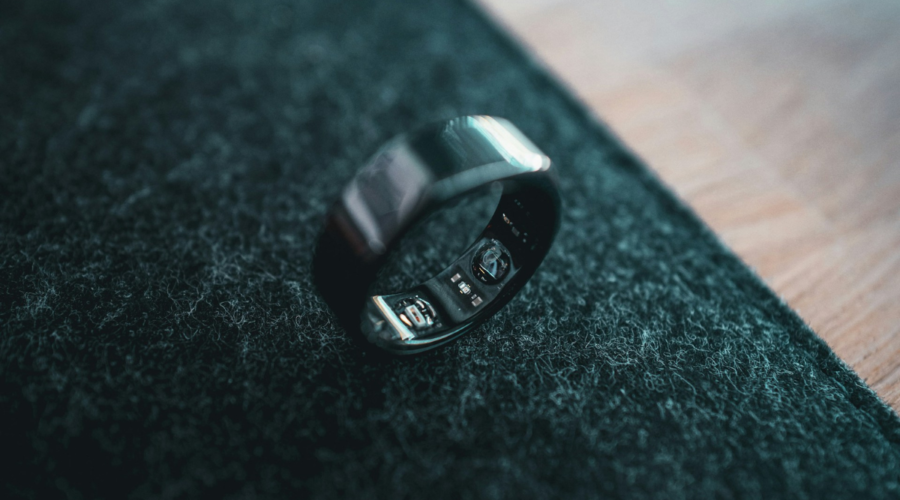


Oura has postponed its planned initial public offering, putting one of the fitness and wellness industry’s most closely watched stock-market debuts on hold.
The company behind the Oura Ring had been preparing to list on the Nasdaq under the ticker symbol OURA. It planned to offer 50 million shares priced between $40 and $44, potentially raising as much as $2.2 billion.


However, Oura announced on September 29 that it would delay the listing because of “uncertainty in the IPO market”, despite what it described as strong demand for the offering.
No new date has been announced.
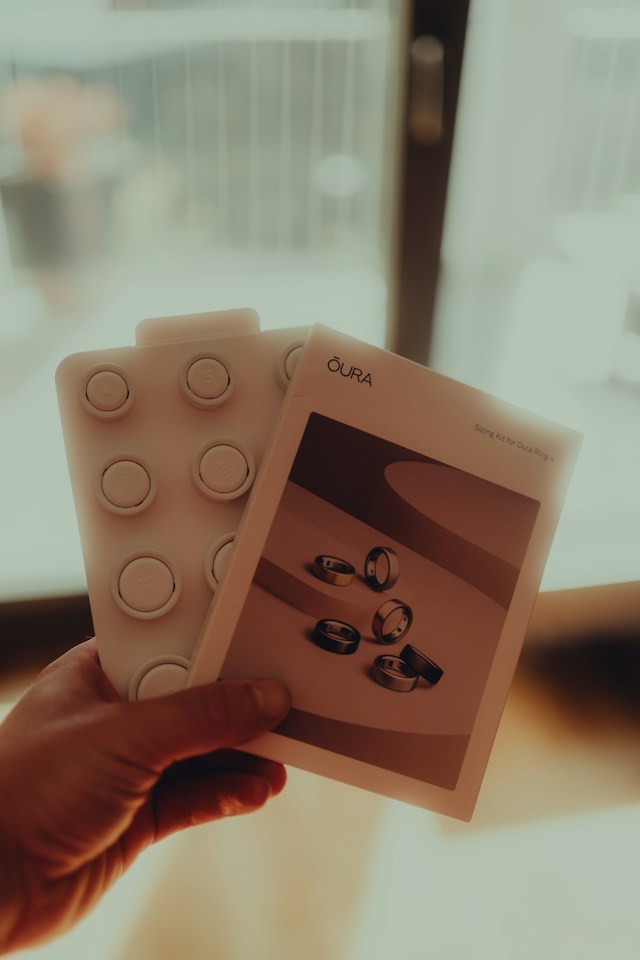
Oura’s public explanation focused on broader market conditions, but reporting published after the initial announcement added another layer to the story. The Wall Street Journal reported that prospective investors considered the proposed valuation too high and questioned whether consumer spending pressures could slow the company’s growth.
At the midpoint of its proposed share-price range, Oura would have carried a market value of approximately $13.5 billion. Estimates based on a fully diluted share count placed the valuation closer to $15 billion.
The planned offering also included a substantial cash-out for existing shareholders. According to Oura’s SEC filing, the company itself intended to sell 13.5 million shares, while existing investors would sell 36.5 million. In other words, almost three-quarters of the shares in the offering were coming from current shareholders rather than directly funding the business.
The postponement comes despite strong financial momentum.
Oura generated $1.21 billion in revenue during the nine months ending June 30, 2026, an increase of 74% from the same period a year earlier. Net income rose from $1.6 million to $60.8 million over the same periods.
The company now expects its full-year 2026 revenue to increase by 90%, helped by demand for the Oura Ring 5. Paid membership is expected to reach approximately 5.7 million, up from five million at the end of June.
Hardware remains the biggest part of the business, accounting for around 80% of revenue during the first nine months of the financial year. However, membership revenue is growing faster. Subscription income increased by 121% to $240.5 million during that period.
That recurring revenue is central to Oura’s appeal. The company says approximately 94% of ring activations convert into paid memberships, while its weighted-average 12-month member retention rate stood at around 85% as of June 30.
Why This Matters to the Fitness Industry
For athletes, Oura is best known as a compact recovery tool. Its rings track signals including heart rate, heart-rate variability, sleep, body temperature and activity, turning the data into daily readiness and sleep scores.
But the proposed IPO showed that Oura increasingly sees itself as more than a wearable manufacturer. Its filings describe a broader ambition to become a preventative-health platform, using long-term biometric data and subscription-based insights to help users understand changes in their health.
That strategy reflects a wider shift in fitness technology. Wearables are no longer competing only on step counts or workout tracking. Companies are increasingly building services around sleep, recovery, stress, metabolic health and early indicators of illness, with recurring subscriptions becoming as important as the hardware itself.
Oura’s numbers suggest that consumers are willing to pay for that combination. They also underline the scale of the opportunity facing rivals across smart rings, watches and other health-tracking devices.
However, the company’s own filings identify significant risks, including growing competition, data privacy and cybersecurity requirements, questions about the perceived accuracy of health insights, and the need to keep subscribers engaged as the membership business matures. Oura also states that its ring is a general wellness product rather than a medical device.
The company is facing a lawsuit which accuses it of false advertising in its claims that it can track sleep activity, specifically because “sleep happens in the brain, not on one’s finger”. However, there is no acknowledgement that this has hindered the IPO.
In terms of competition, they go up against Apple as a health-tracking wearable, arguably the most formidable competitor in business.
What Happens Next?
The IPO has been postponed rather than cancelled, and Oura’s registration statement remains on file with the US Securities and Exchange Commission. The company could revive the offering when it believes market conditions are more favourable, although it has provided no revised timetable.
For Oura members, the decision should have no immediate effect on the ring or subscription service. The company is profitable, growing, and has strong retention rates, so presumably will remain stable while investors must wait to cash in.