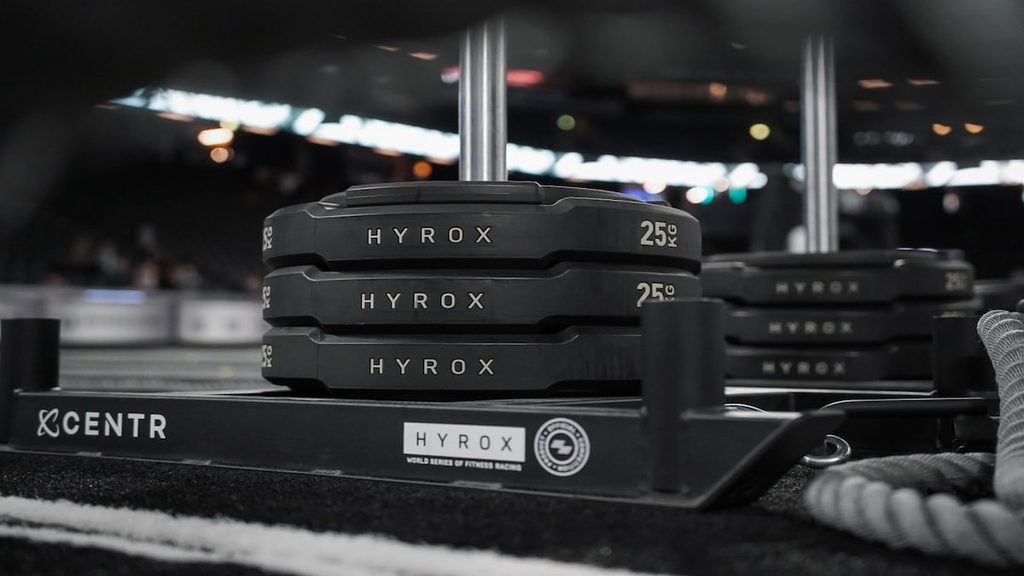


HYROX sits in a unique category of fitness competition. It combines endurance running with repeated functional workout stations that challenge muscular endurance, power output, grip strength, and mental resilience. Unlike a traditional marathon or a pure CrossFit competition, HYROX forces athletes to sustain high energy output for extended periods while repeatedly switching movement patterns and energy systems.
That combination changes how athletes should think about fueling.


Many competitors prepare carefully for training sessions but neglect race day nutrition. Others rely on strategies borrowed from marathon running or bodybuilding that do not fully match the metabolic demands of HYROX. Poor fueling can lead to heavy legs, dizziness, nausea, cramping, pacing collapse, reduced power production, and slower station transitions.

The good news is that sports nutrition science offers very clear guidance on how to fuel prolonged high intensity efforts. Research consistently shows that carbohydrate availability, hydration status, electrolyte balance, and gastrointestinal preparation directly influence endurance performance and repeated high intensity exercise capacity.
HYROX races usually last between 60 and 120 minutes depending on athlete level. Elite competitors may finish close to one hour, while many recreational athletes are on the course much longer. During that time, glycogen stores are heavily taxed, fluid losses accumulate, and fatigue progressively affects neuromuscular performance.
The athletes who fuel properly are often the athletes who maintain pace late in the race while everyone else fades.
Why Fueling Matters So Much in HYROX
Before diving into the tips themselves, it helps to understand why nutrition matters specifically for HYROX.
The race includes:
- 8 x 1 kilometer runs
- SkiErg
- Sled push
- Sled pull
- Burpee broad jumps
- Rowing
- Farmers carry
- Sandbag lunges
- Wall balls
This structure creates repeated transitions between cyclic endurance work and high force functional movements. The body must continuously regenerate ATP through aerobic and anaerobic pathways.
Carbohydrates become critically important because they provide the fastest available fuel source for moderate to high intensity exercise. Research consistently demonstrates that muscle glycogen depletion is strongly associated with fatigue during prolonged exercise.
HYROX also creates substantial thermal strain and sweat loss. Indoor race environments are often warm, crowded, and humid. Athletes who under hydrate can experience impaired cardiovascular efficiency and increased perceived exertion.
At the same time, consuming too much food or fluid too quickly can create gastrointestinal distress. Many athletes discover this the hard way during burpee broad jumps or wall balls.
Successful race fueling requires balance. You need enough carbohydrates, enough sodium, and enough fluid to support performance without overwhelming the digestive system.
Tip 1: Prioritize Carbohydrate Availability Before and During the Race
Carbohydrates Are the Primary Performance Fuel
One of the most consistent findings in sports nutrition research is that carbohydrate availability directly affects endurance and high intensity exercise performance.
Muscle glycogen serves as the primary fuel source during repeated moderate to high intensity efforts. HYROX places enormous demand on glycogen stores because the race combines sustained running with muscularly demanding stations that recruit large amounts of muscle mass.
When glycogen availability declines, athletes typically experience:
- Reduced running pace
- Loss of explosive power
- Increased perceived exertion
- Slower station completion times
- Reduced concentration and coordination
- Premature fatigue
Research has repeatedly shown that carbohydrate ingestion before and during endurance events improves performance capacity.
Carb Loading for HYROX
HYROX may not last as long as a marathon, but glycogen stores still matter tremendously.
Studies suggest that increasing carbohydrate intake in the 24 to 48 hours before competition can elevate muscle glycogen stores and improve performance during prolonged exercise.
A practical recommendation for most athletes is:
- 6 to 10 grams of carbohydrate per kilogram of body weight during the 24 hours before the race
For a 75 kilogram athlete, that equals roughly:
- 450 to 750 grams of carbohydrate
This does not mean eating junk food all day. The focus should be on easily digestible carbohydrate rich foods such as:
- Rice
- Potatoes
- Oats
- Pasta
- Bread
- Bananas
- Fruit
- Low fiber cereals
- Sports drinks

The final pre race meal should usually occur about 2 to 4 hours before the event.
A good pre race meal may include:
- Oatmeal with banana and honey
- Rice with lean protein
- Bagels with jam
- Toast with peanut butter and fruit
The goal is to top off glycogen stores without causing stomach discomfort.
During Race Carbohydrate Intake
Many recreational HYROX athletes skip intra race fueling because they assume the event is too short. That is often a mistake. Research shows that carbohydrate ingestion during exercise lasting longer than about 60 minutes can improve performance, especially when intensity remains high. For most HYROX competitors, aiming for 30 to 60 grams of carbohydrate per hour is a strong starting point.
Elite or highly trained athletes with practiced gut tolerance may tolerate up to 90 grams per hour using mixed carbohydrate sources such as glucose and fructose combinations. Good race fueling options include:
- Energy gels
- Sports drinks
- Chews
- Liquid carbohydrate mixes
Liquid and gel based options are usually easiest because they digest quickly and minimize chewing during intense exercise.
Timing Matters
Do not wait until you feel exhausted to take carbohydrates. Fatigue often appears after glycogen levels have already fallen significantly. Instead, athletes should consume carbohydrates proactively. A practical approach is:
- Small carbohydrate intake every 20 to 30 minutes
This helps maintain blood glucose availability and supports steady energy production.
Many HYROX athletes successfully fuel:
- Before the race start
- After the SkiErg
- After rowing
- Before wall balls
These are moments where movement intensity briefly stabilizes enough to tolerate fueling.
Train Your Gut
One major mistake is trying race nutrition for the first time during competition.
The gastrointestinal tract adapts to feeding strategies. Research shows that athletes who regularly practice carbohydrate intake during training improve absorption capacity and reduce the risk of stomach distress.
Use long training sessions and race simulations to practice:
- Gel timing
- Fluid intake
- Sodium intake
- Carbohydrate amounts
This allows you to discover what works before race day.
Tip 2: Hydration and Electrolytes Can Make or Break Your Performance
Even Mild Dehydration Hurts Performance
HYROX athletes sweat heavily. Indoor race venues often amplify heat accumulation because of poor airflow, crowd density, and high humidity. Even relatively small levels of dehydration can impair performance. Research demonstrates that losing as little as 2 percent of body mass through fluid loss can negatively affect:
- Aerobic performance
- Strength endurance
- Cognitive function
- Reaction time
- Thermoregulation
Dehydration increases cardiovascular strain because the heart must work harder to maintain blood flow when plasma volume decreases. Athletes often notice this as:
- Elevated heart rate
- Increased breathlessness
- Heavy legs
- Reduced pacing control
Why Sodium Matters
Hydration is not only about water. Sweat contains sodium, which is critical for fluid balance, nerve signaling, and muscle contraction. Heavy sodium losses can contribute to muscle cramps, fatigue, and impaired fluid absorption. Sports nutrition research supports sodium intake during prolonged exercise, especially in heavy sweaters or hot conditions.

Typical sweat sodium concentrations vary widely, but many athletes lose substantial amounts during intense indoor events. Practical sodium sources include:
- Electrolyte drinks
- Sodium capsules
- Electrolyte powders
- Sports drinks with sodium
Avoid Overhydration
Drinking excessive plain water can also become problematic. Overconsumption of water without adequate sodium replacement may dilute blood sodium levels and increase the risk of hyponatremia, which can become dangerous in endurance events. The goal is balanced hydration, not maximal fluid intake.
How Much Should You Drink?
Fluid needs vary significantly depending on:
- Body size
- Sweat rate
- Environmental conditions
- Exercise intensity
A practical guideline for many athletes is 400 to 800 milliliters of fluid per hour. Smaller athletes or cooler conditions may require less. Larger athletes or hotter environments may require more. The best approach is individualized hydration planning.
Learn Your Sweat Rate
Athletes can estimate sweat rate by weighing themselves before and after training sessions. Example process:
- Weigh yourself before training
- Record fluid consumed
- Weigh yourself after training
- Calculate body mass loss
Each kilogram lost roughly equals one liter of sweat loss. This gives athletes a much clearer understanding of personal hydration requirements.

Signs Your Hydration Strategy Needs Work
Potential indicators include:
- Cramping
- Dizziness
- Headaches
- Excessive thirst
- Dry mouth
- Rapid heart rate drift
- Sudden performance decline late in the race
Practical HYROX Hydration Strategy
A simple race day hydration plan might look like this:
Before the race:
- Drink fluids steadily during the previous 24 hours
- Consume 500 to 700 milliliters of fluid in the 2 to 3 hours before the start
- Include sodium in pre race fluids
During the race:
- Take small sips frequently rather than large amounts at once
- Use electrolyte containing drinks
- Pair carbohydrate intake with fluids
After the race:
- Replace fluid losses gradually
- Include sodium and carbohydrates in recovery nutrition
Tip 3: Use Caffeine Strategically Without Overdoing It
Caffeine Is One of the Most Effective Ergogenic Aids
Caffeine is among the most researched performance supplements in sports science. Studies consistently show that caffeine can improve:
- Endurance performance
- Power output
- Alertness
- Reaction time
- Perceived effort
- Repeated high intensity exercise capacity
HYROX athletes may particularly benefit because the race demands both physical and cognitive performance under fatigue. Caffeine primarily works by antagonizing adenosine receptors in the brain. This reduces perceptions of fatigue and increases central nervous system stimulation.

Effective Dosage
Research generally supports 3 to 6 milligrams of caffeine per kilogram of body weight. For a 75 kilogram athlete, that equals 225 to 450 milligrams. Importantly, more is not always better. Excessive caffeine intake can increase:
- Anxiety
- Heart rate
- Gastrointestinal distress
- Jitters
- Sleep disruption
For many athletes, moderate doses work extremely well.
Timing Caffeine Correctly
Caffeine levels typically peak about 30 to 60 minutes after ingestion. Many HYROX athletes benefit from taking caffeine 45 to 60 minutes before race start. Some athletes also use smaller top up doses during longer races. Common caffeine sources include:
- Coffee
- Energy drinks
- Caffeine gels
- Caffeine capsules
- Pre workout supplements
Avoid Combining Too Many Stimulants
One common mistake is stacking multiple stimulant products without calculating total caffeine intake. For example:
- Coffee before leaving home
- Pre workout before warm up
- Caffeine gels during the race
- Energy drink before the start
This can quickly push caffeine intake to excessive levels. High stimulant intake increases the risk of:
- Nausea
- Elevated anxiety
- Loss of pacing control
- Digestive issues
Caffeine Sensitivity Varies
Genetics strongly influence caffeine metabolism. Some athletes tolerate large doses easily. Others experience side effects from modest amounts. Athletes should always practice caffeine strategies in training rather than experimenting on race day.
Caffeine and Hydration
Older myths suggested caffeine causes significant dehydration. Modern evidence shows that moderate caffeine intake does not meaningfully impair hydration status during exercise for habitual users. That said, caffeine should complement a hydration strategy, not replace it.
Common Fueling Mistakes HYROX Athletes Make
Starting the Race Under Fueled
Many athletes under eat before competition because they fear stomach discomfort. The result is often low glycogen availability and premature fatigue.
Consuming Too Much Fiber Before Racing
High fiber foods digest slowly and may increase gastrointestinal distress during intense exercise. In the final 12 to 24 hours before racing, many athletes benefit from temporarily reducing excessive fiber intake.
Trying New Supplements on Race Day
Race day is not the time to experiment with:
- New gels
- New drinks
- New pre workouts
- Massive caffeine doses
Every component of race fueling should already be tested in training.
Ignoring Sodium Intake
Athletes often focus only on water and carbohydrates while neglecting electrolytes. This becomes increasingly problematic in long races or hot indoor venues.
Waiting Too Long to Fuel
Once severe fatigue hits, recovery becomes difficult. Consistent small carbohydrate intake works better than waiting until energy crashes.
Sample HYROX Race Day Fueling Plan
The following example shows how a recreational athlete might fuel a 90 minute HYROX race.
3 to 4 Hours Before Race
Meal:
- Oatmeal
- Banana
- Honey
- Toast
- Small serving of protein
Fluids:
- 500 milliliters water with electrolytes
60 Minutes Before Race
- Moderate caffeine dose
- Small carbohydrate snack such as a banana or sports drink
15 Minutes Before Start
- One energy gel with water
During Race
After SkiErg:
- Small sip of sports drink
After Rowing:
- Energy gel plus water
Before Wall Balls:
- Additional carbohydrate sip if tolerated
Post Race Recovery
Within 60 minutes:
- Carbohydrates
- Protein
- Electrolytes
- Fluids
Good options:
- Recovery shake
- Rice and lean protein
- Chocolate milk
- Fruit
Recovery Nutrition Matters Too
Fueling does not stop at the finish line. Recovery nutrition helps replenish glycogen stores, repair muscle tissue, and restore hydration. Research supports combining carbohydrates and protein shortly after exercise. Practical recommendations include:
- 20 to 40 grams of protein
- Carbohydrate intake based on exercise duration and intensity
- Sodium containing fluids
Athletes competing across multiple days or training frequently benefit especially from aggressive recovery nutrition.
Individualization Is the Key to Success
No fueling strategy works perfectly for everyone. Successful HYROX nutrition depends on:
- Body size
- Sweat rate
- Gut tolerance
- Race duration
- Caffeine sensitivity
- Training status
The best approach is evidence based experimentation during training. Athletes should treat nutrition like any other performance variable. It requires practice, consistency, and adjustment over time.

Final Thoughts
HYROX demands far more from athletes than simple fitness. The race tests endurance, strength, pacing, mental resilience, and energy management simultaneously. Fueling properly can dramatically improve race execution.
The three most important strategies are straightforward:
- Prioritize carbohydrate availability
- Maintain hydration and electrolyte balance
- Use caffeine strategically
These principles are strongly supported by sports nutrition science and consistently used by successful endurance and hybrid athletes. Most importantly, athletes should practice their nutrition plan during training long before race day arrives. The best fueling strategy is not the most complicated one. It is the one your body tolerates consistently under race intensity.
Key Takeaways Table
| Topic | Key Recommendation | Why It Matters |
|---|---|---|
| Carbohydrate Loading | Consume 6 to 10 g/kg carbohydrate in the 24 hours before racing | Maximizes glycogen stores and delays fatigue |
| During Race Fueling | Aim for 30 to 60 g carbohydrate per hour | Supports blood glucose and sustained performance |
| Hydration | Drink 400 to 800 mL fluid per hour depending on sweat rate | Helps maintain cardiovascular and thermoregulatory function |
| Electrolytes | Include sodium during prolonged racing | Supports hydration and muscle function |
| Caffeine | Use 3 to 6 mg/kg about 45 to 60 minutes before racing | Improves alertness and reduces perceived effort |
| Gut Training | Practice fueling during training sessions | Reduces gastrointestinal distress risk |
| Recovery Nutrition | Consume protein and carbohydrates after racing | Supports glycogen restoration and muscle repair |
Bibliography
- Burke, L.M., Hawley, J.A., Wong, S.H.S. and Jeukendrup, A.E. (2011) ‘Carbohydrates for training and competition’, Journal of Sports Sciences, 29(S1), pp. S17 to S27.
- Cermak, N.M. and van Loon, L.J.C. (2013) ‘The use of carbohydrates during exercise as an ergogenic aid’, Sports Medicine, 43(11), pp. 1139 to 1155.
- Currell, K. and Jeukendrup, A.E. (2008) ‘Superior endurance performance with ingestion of multiple transportable carbohydrates’, Medicine and Science in Sports and Exercise, 40(2), pp. 275 to 281.
- Ganio, M.S., Armstrong, L.E., Casa, D.J., McDermott, B.P., Lee, E.C., Yamamoto, L.M., Marzano, S., Lopez, R.M., Jimenez, L., Le Bellego, L. and Chevillotte, E. (2011) ‘Mild dehydration impairs cognitive performance and mood of men’, British Journal of Nutrition, 106(10), pp. 1535 to 1543.