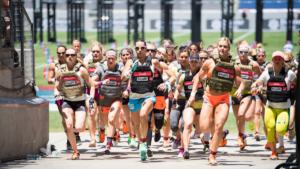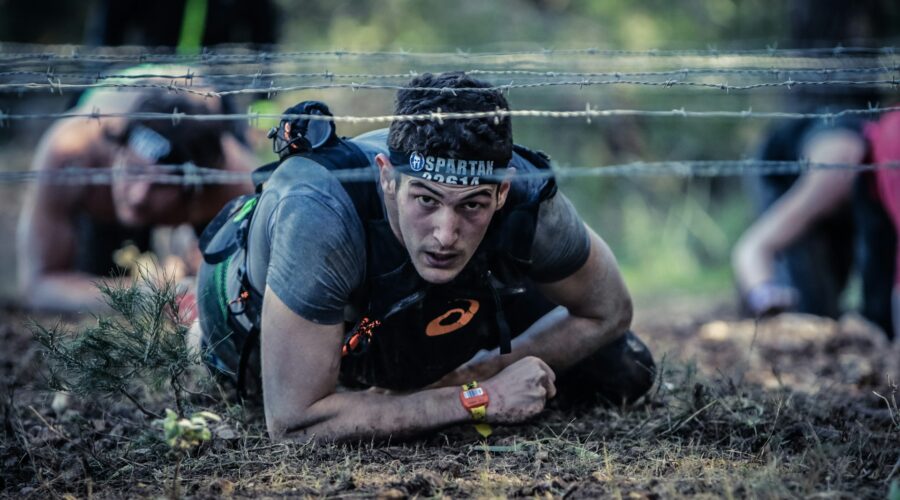


Strap on a plate carrier or a heavy tactical weighted vest and things get real, fast. In the world of Obstacle Course Racing (OCR) and Spartan Races, your enemy isn’t just the distance or the 8-foot walls—it’s gravity.
When you train with a weighted vest, you trick your body into treating your actual body weight as “light.” When you finally take the vest off on race day, you feel like you’ve released an emergency brake. Your power output spikes, your lungs feel bigger, and your relative strength skyrockets.


But if you just toss on a 20-pound vest and try to run a casual 10k, you are fast-tracking a ticket to joint pain and shin splints. To build real, injury-resistant OCR power, you need a calculated approach.
Here is your 4-Week OCR Progressive Weighted Vest Calendar designed to build explosive strength, monster lung capacity, and absolute resilience.
The Purpose of Weighted Vest Training in OCR
Weighted vest training is not simply about making workouts harder. In OCR preparation, the goal is to simulate race conditions where fatigue, uneven terrain, and obstacle loading constantly challenge the body.
Key Adaptations Developed Through Vest Training
Training under load helps develop several race-critical qualities. First, it enhances relative strength, meaning the ability to move efficiently when body weight feels reduced on race day. Second, it improves cardiovascular efficiency, as the heart and lungs adapt to working harder under the same movement patterns. Third, it builds joint and connective tissue resilience, which is essential for repetitive impact on trails, walls, and obstacles.
Over time, these adaptations contribute to smoother movement transitions, improved grip endurance, and better performance under fatigue.
5 Rules Before You Strap In
The 10% Rule
A weight vest should generally not exceed 5%–10% of total body weight during OCR training phases. This range provides enough stimulus to drive adaptation without overwhelming the musculoskeletal system. Starting too heavy can disrupt movement mechanics and increase injury risk before adaptation occurs.
Never Max Run
High-intensity sprinting and long-distance running under load should be avoided in most cases. Instead, vest-based running should focus on short intervals, hill climbs, or power hiking. This approach reduces repetitive joint impact while still developing endurance and strength in race-relevant conditions.
Form Over Load
Proper biomechanics must always take priority over resistance. If movement quality breaks down—such as knee collapse during squats, excessive lumbar arching during push-ups, or unstable landings—the load is too high or the fatigue level is too great. In these situations, removing the vest is the safer and more effective option.
Fasten It Tight
Vest stability is critical. A loose or bouncing vest alters the center of gravity with every stride, creating unnecessary strain on stabilizing muscles and increasing friction-related discomfort. A secure fit ensures that the load remains consistent and evenly distributed throughout movement.
Listen to Your Joints
Muscular fatigue is a normal and expected part of training adaptation. However, joint pain, clicking, sharp discomfort, or grinding sensations are warning signs. These signals indicate mechanical stress rather than productive overload and should not be ignored. Training adjustments should be made immediately when they appear.
4-Week Progressive OCR Weighted Vest Training Plan
This 4-week progression is designed to gradually build tolerance, strength, and endurance while minimizing injury risk. Each week introduces slightly higher intensity or volume while maintaining movement quality as the primary focus.
Week 1: Foundation & Movement Adaptation
The first week focuses on familiarizing the body with external load. Sessions should remain controlled and technique-driven.
Training includes short walks with light incline, basic bodyweight movements such as squats and step-ups, and low-impact interval walks. Running is minimal and should only occur in short, controlled bursts if form remains stable.
The primary goal is neuromuscular adaptation—teaching the body how to move efficiently under added weight.
Goal: Teach your core, postural muscles, and feet how to stabilize under a constant, centered load.
- Tuesday (Power Hiking): 30-minute steep incline treadmill or hill walk. Pace: 2.5–3.0 mph at a high grade (10-15%). Focus on driving through your glutes and keeping an upright posture.
- Friday (Structural Strength): 3 Rounds of:
- 10 Vest Air Squats
- 8 Vest Push-ups
- 20-second Vest Plank
- Take vest off: 1-minute Dead Hang (Grip work)
Week 2: Strength Endurance Development
Week two introduces more structured intervals and longer duration under load. Incline walking becomes more prominent, and controlled hill power-hiking sessions are introduced.
Bodyweight strength circuits under vest load begin to include push-ups, lunges, and static holds. Movement pace remains moderate, with emphasis on maintaining posture under fatigue.
At this stage, the body begins to develop noticeable muscular endurance in the legs and core.
Goal: Introduce controlled movement transitions. This mimics the feeling of dropping from a run straight into a heavy obstacle.
- Tuesday (Incline Slog + Burpees): 40-minute hill walk or high-incline treadmill. Every 5 minutes, pause and drop for 3 strict vest burpees.
- Friday (The OCR Hybrid Circuit): 3 Rounds of:
- 12 Vest Walking Lunges (6 per leg)
- 8 Vest Inverted Rows or Pull-ups (if capable)
- 50-meter Vest Bear Crawl (Incredible for shoulder and core stability)
- Take vest off: 200-meter fast run.
Week 3: OCR Simulation & Terrain Work
Week three shifts toward race-specific movement patterns. Training should include uneven terrain, trail walking or running intervals, and obstacle-like movements such as step climbs, low crawls, or wall simulation drills.
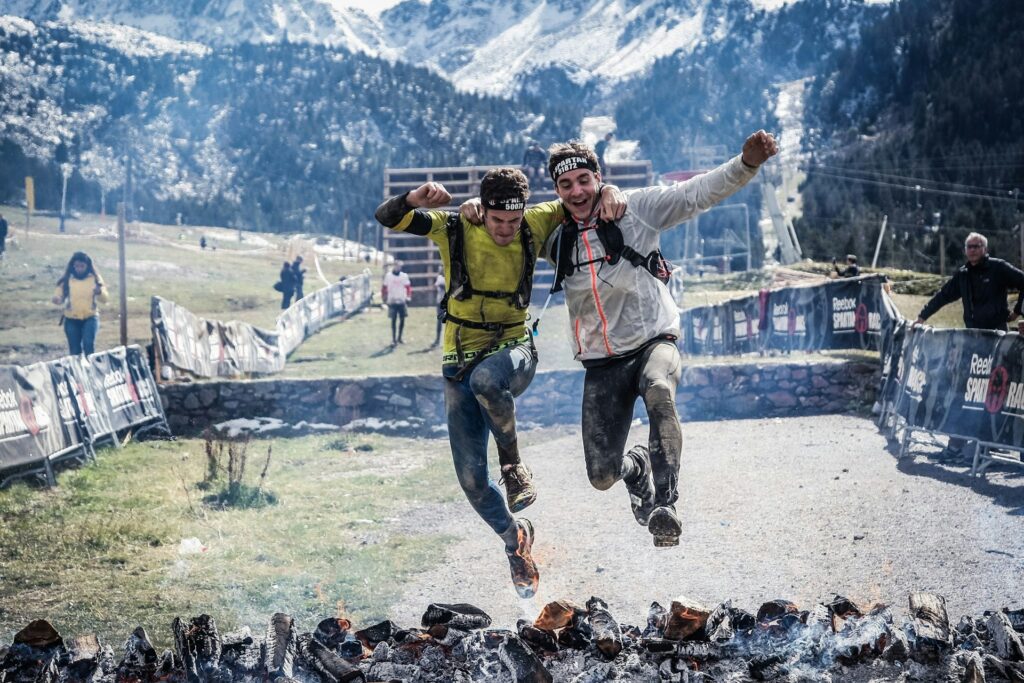
Intervals become more intense, but still controlled. Short uphill sprints or fast power-hikes may be introduced, always followed by adequate recovery.
The focus is on maintaining stability and control while breathing under load.
Goal: Maximum work capacity. This is where your cardiovascular efficiency is forced to adapt.
- Tuesday (The Speed/Power Hybrid): 5 Rounds of:
- 200-meter moderate vest jog (focus on a light, mid-foot strike)
- 10 Vest Jump Squats
- Rest 90 seconds between rounds.
- Friday (The “Suck” Simulator): 4 Rounds of:
- 8 Vest Push-ups to Bear Crawl (15 meters)
- 12 Vest Step-ups (6 per leg onto a bench/box)
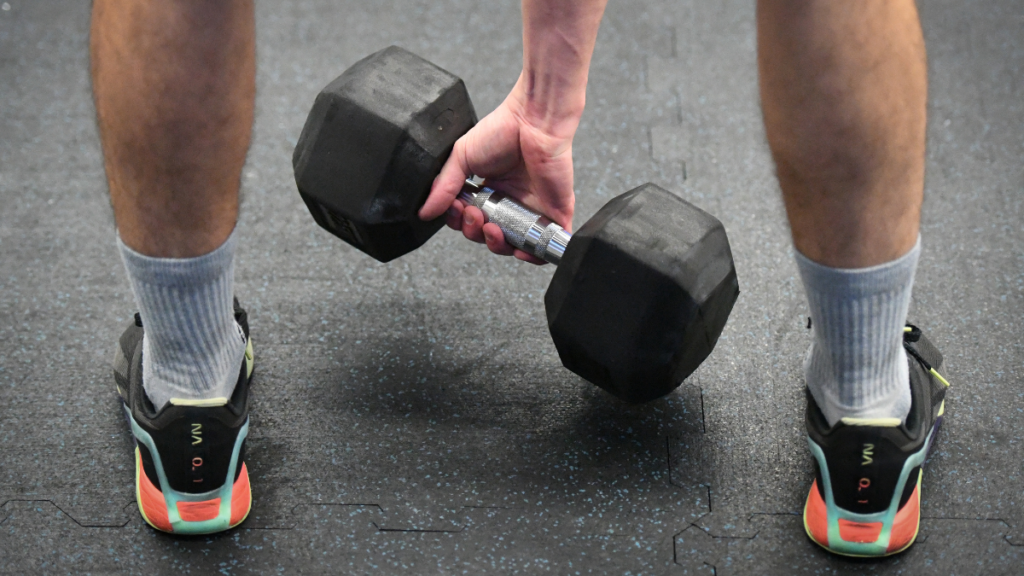
- 10 Vest Kettlebell or Dumbbell Deadlifts
- Take vest off: 1-minute Max Distance Farmer’s Carry.
Week 4: Peak Conditioning & Controlled Intensity
The final week emphasizes integration of strength and endurance under near-race conditions. Sessions may include mixed-modality circuits combining uphill movement, bodyweight strength exercises, and short explosive bursts.
Training should feel challenging but not maximal. The goal is not exhaustion, but efficient performance under sustained stress.
Recovery becomes equally important, ensuring the body adapts rather than breaks down.
Goal: Allow your joints and tissues to supercompensate so you feel completely weightless on race day.
- Tuesday (Easy Incline): 20-minute easy hill stroll with the vest. Keep the grade moderate. Focus entirely on breathing naturally under the chest compression of the vest.
- Friday (Form Check): 2 light rounds of 10 vest squats and 5 vest push-ups just to keep the neurological pathways primed.
- Weekend: Race day or long unloaded trail run. Enjoy the feeling of flying.
The Secret Weapon of Vest Training
It forces you to learn how to breathe efficiently. When a heavy vest compresses your chest, you can’t take shallow, panicked breaths. You have to utilize deep, diaphragmatic breathing—a skill that will save you when your heart rate hits 180 bpm on a brutal mountain climb.
The OCR “Heavy Metal & Grip” Gym Workout
To turn that newfound weighted vest stamina into brute obstacle-clearing power, your gym workouts need to focus on three things: crushing grip strength, posterior chain dominance (for hills and carries), and rotational core stability.
Here is a targeted OCR Gym Workout designed to perfectly complement your weighted vest calendar. Run this session 1–2 times a week on your “non-vest” days to keep your joints fresh while building serious horsepower.
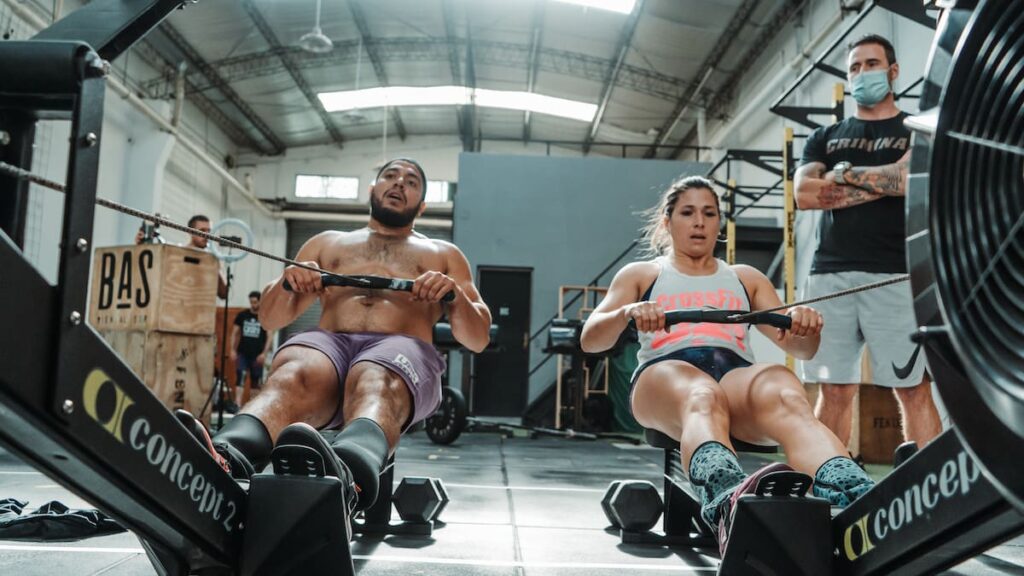
Warm-Up (5–10 Mins): 500m Row, 2 rounds of 10 World’s Greatest Stretches, 10 Scapular Pull-ups, and 15 Banded Glute Bridges.
Phase A: Posterior Power (Strength & Drive)
Perform these exercises back-to-back as a superset. Rest 90 seconds between rounds. Complete 4 total rounds.
A1. Trap Bar Deadlift — 4 Sets x 6 Reps
- Why: The trap bar mimics the mechanics of picking up heavy race objects (Atlas stones, sandbags) while placing less stress on your lower back than a traditional barbell.
- Form: Go heavy, but keep your chest proud and drive hard through your heels.
A2. Heavy Dumbbell Farmer’s Carry — 4 Sets x 50 Meters
- Why: This builds the forearm endurance needed for the Bucket Brigade and the structural integrity required to carry heavy loads over uneven terrain.
- Form: Don’t look at your feet. Keep your shoulders packed down and back, core braced, and take short, quick steps.
Phase B: The Obstacle Simulator (Pull & Core)
Perform as a superset. Rest 60 seconds between rounds. Complete 3 total rounds.
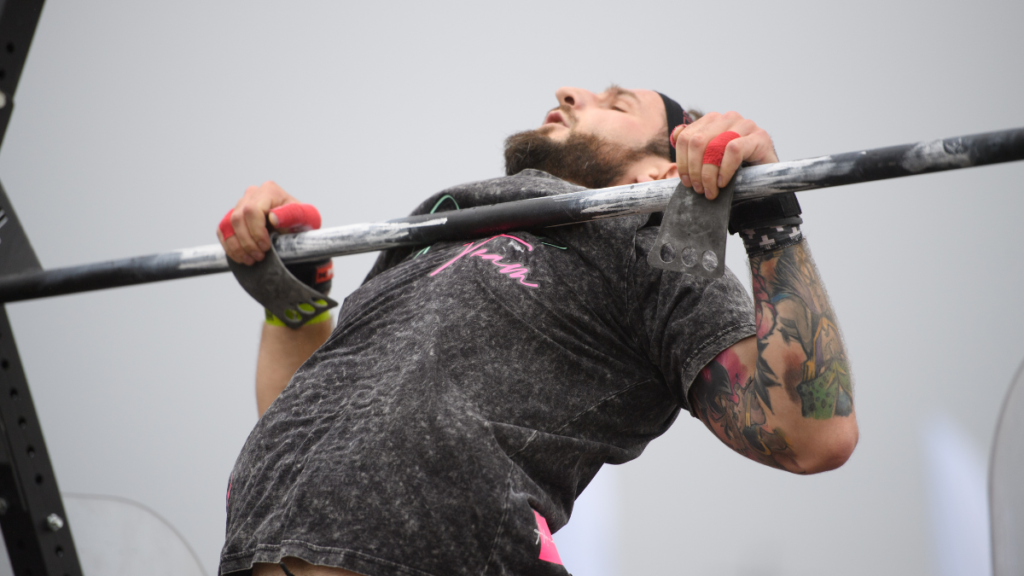
B1. Pull-up with Grip Variations (Towels or Fat Grips) — 3 Sets x Max Reps (or 8-10 reps)
- Why: If you want to conquer the Multi-Rig, Beater, or Monkey Bars, standard pull-ups aren’t enough. Draping a towel over the bar forces your hands and fingers to work overtime.
- Regression: If towel pull-ups are too difficult, do Scapular Pull-ups or Lat Pulldowns using a thick grip attachment.
B2. Hanging Knee-to-Elbow or Toes-to-Bar — 3 Sets x 10–12 Reps
- Why: This trains the exact core compression needed to swing your legs up over an 8-foot wall or lock your feet into an inverted rope climb.
Phase C: Unilateral Endurance & Grip Burnout
Perform as a continuous circuit. Rest 45 seconds at the end of the circuit. Complete 3 total rounds.
C1. Dumbbell Bulgarian Split Squats — 3 Sets x 10 Reps (per leg)
Why: OCR is essentially a series of thousands of single-leg bounds up a mountain. This fixes leg imbalances and builds bulletproof knee stability.
C2. Cable Woodchoppers — 3 Sets x 12 Reps (per side)
Why: Crawling under barbed wire and navigating off-camber trails requires massive rotational and anti-rotational core strength.
C3. Fingertip Kettlebell Dead Hang — 3 Sets x Max Time
Why: The ultimate burnout. Grab a pull-up bar (or hold heavy kettlebells by just your fingertips if your shoulders are tired) and hang for as long as your grip allows. Aim for 45+ seconds.
Recovery Tip
Because both weighted vest training and heavy grip work put high demands on your central nervous system and tendons, do not skimp on recovery. Spend 5 minutes at the end of this workout rolling out your calves, glutes, and forearms with a lacrosse ball to keep tissue high-quality and prevent tendonitis.