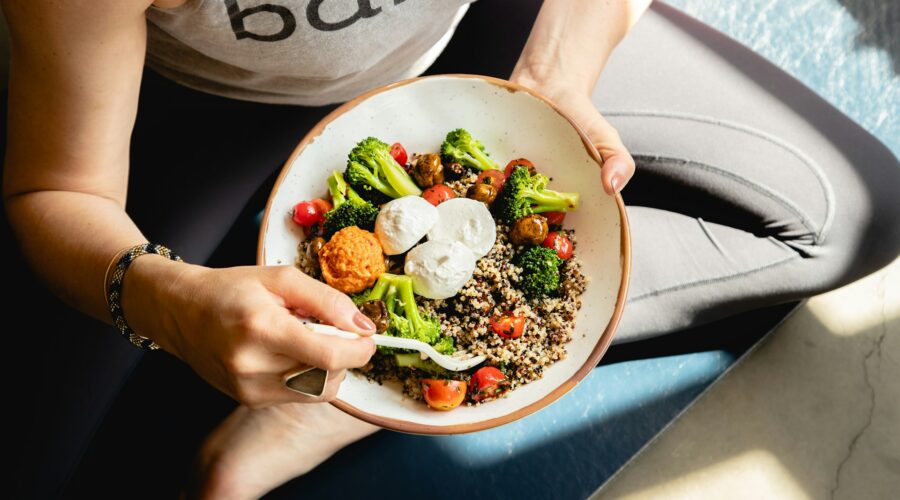


Busy routines can make good nutrition feel harder than the workout itself. Early starts, long gaps between meals, rushed errands, and late training sessions can push snacks down the priority list. That is usually when energy dips, cravings hit, and the workout you planned starts to feel much harder than it should.
A better snack strategy can make those packed days easier to handle. The goal is not to eat perfectly. It is to keep your body fueled, your appetite steady, and your training consistent when your schedule is working against you.


Why Busy Routines Make Training Nutrition Harder
Most people do not lose control of their food because they suddenly stop caring. It usually happens because the day gets squeezed. Breakfast is rushed, lunch gets delayed, and the gap between meals becomes much longer than planned. By the time training comes around, you are running on whatever is available rather than what would actually support the session.
That matters because training quality depends on more than motivation. Low energy can make warm-ups feel slow, reduce focus, and turn normal working sets into a grind. It can also make cravings stronger later in the day, which often leads to grabbing the fastest option rather than the most useful one.
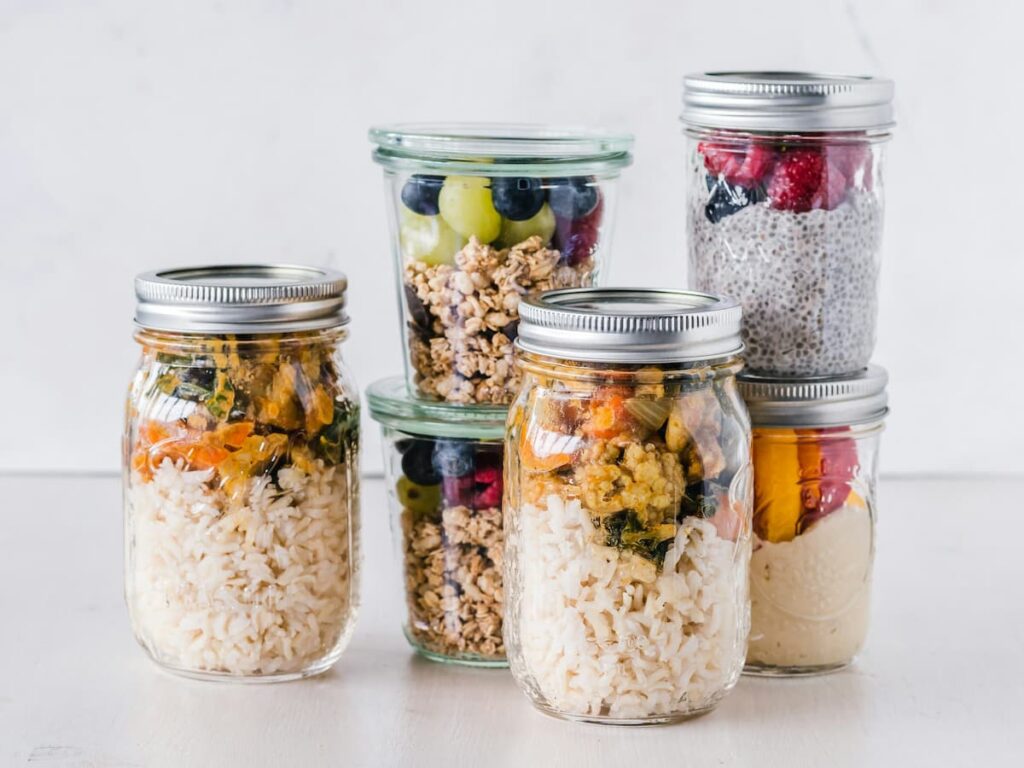
A busy routine needs food choices that are easy to repeat. You do not need a perfect meal plan for every hour of the day, but the same planning that helps you fit training into a busy schedule can help stop hunger, stress, and convenience from making every food decision for you.
Choose Snacks That Do More Than Fill a Gap
A good snack should solve a real problem. Maybe you need something to hold you over until dinner. Maybe your focus is fading. Maybe there is a long stretch between lunch and your evening workout. If a snack tastes good for five minutes but leaves you flat an hour later, it is probably not doing enough.
Look for options that bring something useful to the table. Carbohydrates can help with usable energy. Protein supports satiety and muscle repair. Fiber helps keep hunger steadier. Healthy fats can make a snack more satisfying when training is still several hours away.
A stronger snack choice matters even more when your routine gets busy. A snack between lunch and an evening workout should help you arrive at the gym ready to move, not sluggish, overfull, or desperate for sugar. The right choice depends on timing, appetite, and the type of session ahead.
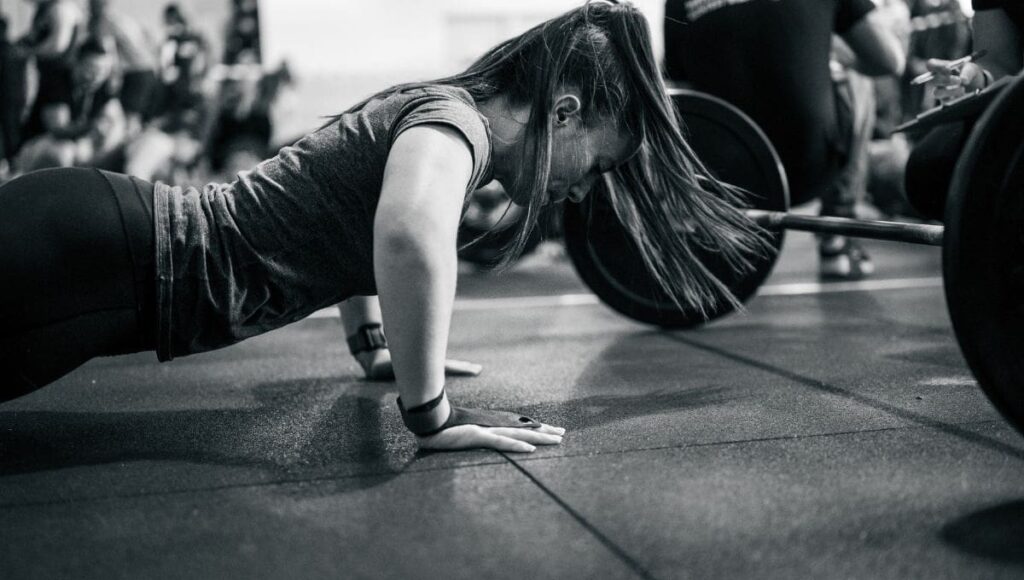
The goal is simple: choose snacks that make the next part of your day easier. If a snack helps you stay focused, avoid a crash, and train with more intent, it has done its job.
Match the Snack to the Training Window
The closer you are to training, the simpler the snack should be. If you eat several hours before a workout, you have more room for a balanced meal with protein, fiber, and healthy fats. If training is less than an hour away, a lighter carbohydrate-based snack is often easier to digest.
For many active people, eating before exercise matters most when the session is long, intense, or scheduled after a full day. A small snack can help top up energy without making you feel heavy, especially if lunch was early or your next full meal is still hours away.
The mistake is treating every pre-training snack the same. Something heavy too close to training can leave you sluggish, while something small after a long food gap may not be enough. Match the choice to the clock, the workout, and how your body usually responds.
Use Portable Snacks to Cover the Gaps Between Meals
Portable snacks work best when they solve a specific problem in your day. A long gap between meals needs something more substantial. A short break may call for something light and easy to digest. A late-afternoon craving before training needs a snack that feels satisfying without turning into a heavy meal.
A smart setup gives you a few options rather than a single default choice. Trail mix makes sense when lunch is early and dinner is still hours away. Fruit-and-chia snacks can work when you need something quick between commitments, while probiotic strawberry yoggies make sense for a smaller sweet snack when energy drops and the easiest option is usually whatever is closest.
This kind of planning keeps snack choices from becoming random. You are not trying to eat perfectly all day. You are making sure hunger, convenience, and a packed routine do not decide how much energy you bring into training.
Avoid Turning Snacks Into Grazing
Snacks should have a job. They can bridge a long gap between meals, support energy before training, or keep hunger from turning into a poor food choice later. They become less useful when they turn into constant grazing with no structure.
That usually happens when snacks are easy to access but not planned. A handful here, a bite there, and suddenly the snack has become a background habit rather than a deliberate choice. That can make it harder to understand your hunger, manage portions, or know what actually helps your training.
A better approach is to decide what the snack is for before you eat it. If the goal is to train in an hour, keep it light and easy to digest. If dinner is still far away, choose something more satisfying. If you simply want something sweet, portion it instead of letting it turn into an all-afternoon habit.

Good snack planning gives you more control, not more rules. The point is to make busy days easier without letting random eating take over.
Make Your Snack Plan Easy to Repeat
The best snack plan is the one you can actually follow when the day gets busy. It should be simple, flexible, and easy to prepare before your schedule starts making decisions for you.
Keep one option where you spend most of the day, one in your bag, and one that works before training. That small setup can reduce rushed food choices and make it easier to stay consistent without having to make every snack from scratch.
It also helps to match snacks to repeatable situations. If you always train after a long afternoon, plan for that gap. If your mornings are rushed, keep something ready before you leave. If your energy drops at the same time every day, treat that pattern as something to solve rather than something to fight.
A smarter snack routine will not replace good meals, sleep, or proper recovery. It can make training feel more manageable when life gets packed. When the right food is already within reach, it is much easier to show up with enough energy to train well.