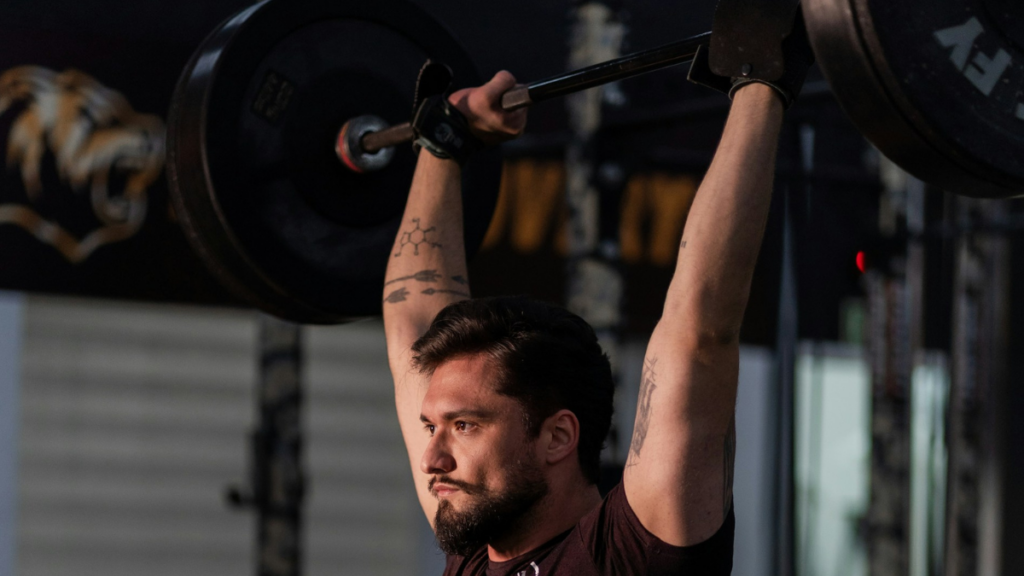


Strong shoulders matter more after 40 than they did at 25. Healthy deltoids help you lift, carry, press, throw, and maintain posture. They also protect the shoulder joint during everyday movement and training. The problem is that many men continue training shoulders the same way they did in their twenties, even though recovery, joint health, hormone levels, and tissue resilience change with age.
That does not mean your best years are behind you. Far from it. Research consistently shows that men over 40 can build muscle, increase strength, and improve athletic performance with the right training approach. The key is smarter programming, better exercise selection, and more attention to recovery.


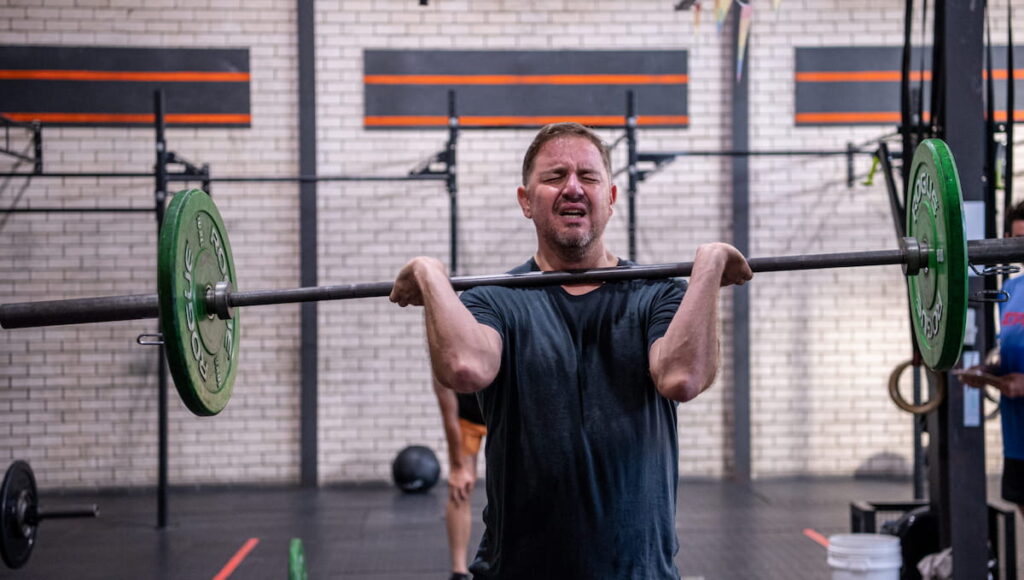
The shoulder is also one of the most injury prone joints in the body. Poor exercise choices, excessive volume, bad posture, and years of repetitive movement can create pain and dysfunction. A well designed shoulder workout for men over 40 should build muscle while protecting the rotator cuff and improving joint stability.
Why Shoulder Training Changes After 40
Aging affects muscle tissue, connective tissue, and recovery capacity. Starting around age 30, muscle mass naturally begins to decline in a process called sarcopenia. Testosterone levels also gradually decrease in many men, which can affect recovery and muscle protein synthesis.
Connective tissues become less elastic over time. Tendons and ligaments recover more slowly after hard training. The shoulder joint can also accumulate years of wear from lifting, sports, desk work, and poor posture. This creates several challenges:
• Reduced recovery between workouts
• Increased risk of shoulder impingement
• Greater likelihood of rotator cuff irritation
• More stiffness in the thoracic spine and shoulder capsule
• Lower tolerance for excessive training volume
Fortunately, resistance training remains one of the most effective tools for combating age related muscle loss and maintaining joint function. Research shows that older adults can still significantly increase muscle size and strength with progressive resistance training. Studies also show that resistance training improves bone density, insulin sensitivity, metabolic health, and functional performance. The goal after 40 is not to avoid hard training. The goal is to train intelligently.
Understanding Shoulder Anatomy
The shoulder is not a single joint. It is a complex system involving several joints and multiple muscle groups working together. The main muscles include:
Anterior Deltoid
The front head of the shoulder helps with pressing and forward arm movement. It is heavily involved during bench pressing and overhead pressing.

Lateral Deltoid
The side head creates shoulder width and contributes to arm abduction. This is the muscle most responsible for the broad capped shoulder look.
Posterior Deltoid
The rear delt helps pull the arm backward and stabilize the shoulder. It is often underdeveloped because many people overemphasize pressing exercises.
Rotator Cuff
This group of four small muscles stabilizes the shoulder joint. Weakness here is a major contributor to shoulder pain and injury.
Trapezius and Upper Back
The traps and scapular stabilizers help position the shoulder blade correctly during movement. A complete shoulder workout must train all these structures in balance.
The Ultimate Shoulder Workout for Men Over 40
This workout balances muscle growth, joint health, and recovery. Train shoulders once or twice per week depending on recovery capacity.
Warm Up Routine
Never skip this section.
Band Pull Aparts
2 sets of 20 reps
Focus on squeezing the shoulder blades together.
Shoulder Circles
2 sets of 15 reps each direction
Move slowly and smoothly.

Face Pulls
2 sets of 15 reps
Use light resistance and emphasize control.
Thoracic Extensions
1 to 2 minutes
Improving upper back mobility helps shoulder mechanics.
Main Workout
1. Dumbbell Overhead Press
4 sets of 6 to 10 reps
The dumbbell overhead press is one of the best shoulder builders for men over 40 because it allows natural movement patterns. Dumbbells let the shoulders rotate freely instead of locking them into a fixed bar path. A neutral grip often feels best for aging shoulders.
Key tips:
• Keep the core tight
• Avoid excessive arching
• Lower slowly
• Stop just short of lockout if elbows ache
Research shows overhead pressing strongly activates the anterior and lateral deltoids while improving functional upper body strength.
2. Leaning Dumbbell Lateral Raise
4 sets of 10 to 15 reps
The lateral delt is critical for shoulder width. Leaning lateral raises increase tension through a larger range of motion. Avoid swinging the weights. Momentum shifts stress away from the delts and onto the joints.
Key tips:
• Lead with the elbows
• Raise to shoulder height
• Pause briefly at the top
• Use moderate weight
Studies examining electromyography consistently show strong lateral delt activation during lateral raise variations.
3. Cable Rear Delt Fly

4 sets of 12 to 15 reps
Rear delt work becomes even more important after 40 because posture often deteriorates with age and desk work. Cable resistance keeps constant tension on the muscle and tends to feel smoother on the joints than dumbbells.
Key tips:
• Keep chest tall
• Avoid shrugging
• Pull with the rear delts, not the traps
• Use strict form
Strong rear delts help balance pressing volume and improve shoulder stability.
4. Arnold Press
3 sets of 8 to 12 reps
The Arnold press increases time under tension and challenges shoulder stability through rotational movement. This exercise should be performed carefully and under control.
Key tips:
• Use moderate weight
• Rotate smoothly
• Avoid jerking the movement
• Stop if pain occurs
The rotational component recruits multiple heads of the deltoid while improving coordination.
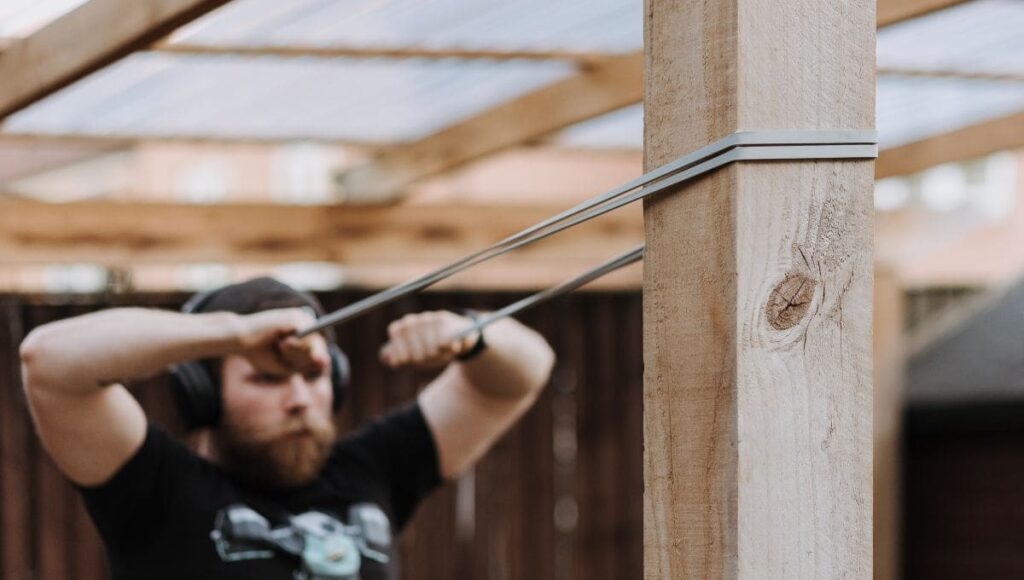
5. Face Pull
3 sets of 15 to 20 reps
Face pulls are one of the best exercises for long term shoulder health. They strengthen the rear delts, traps, and external rotators simultaneously.
Key tips:
• Pull toward the forehead
• Externally rotate at the end
• Squeeze the upper back
• Use lighter weight with perfect form
Research on shoulder rehabilitation consistently supports strengthening the external rotators and scapular stabilizers.
6. Farmer’s Carry
3 rounds of 30 to 40 meters
Carries improve shoulder stability, grip strength, posture, and core function. Heavy carries also teach the shoulders to stabilize under load naturally.
Key tips:
• Stand tall
• Keep shoulders packed down
• Walk slowly and steadily
• Avoid leaning sideways
Farmer’s carries are especially valuable for functional aging and maintaining full body strength.
Weekly Training Structure
How often should men over 40 train shoulders? The answer depends on recovery, sleep, stress, and overall training load. For most men, one direct shoulder workout per week plus indirect pressing work is sufficient. Advanced trainees with excellent recovery may benefit from two weekly sessions. A balanced split could look like this:
Option 1: Four Day Split
• Day 1: Chest and shoulders
• Day 2: Lower body
• Day 3: Rest
• Day 4: Back and rear delts
• Day 5: Arms and conditioning
• Weekend: Recovery
Option 2: Upper Lower Split
• Monday: Upper body
• Tuesday: Lower body
• Thursday: Upper body
• Friday: Lower body
This structure allows enough recovery while maintaining training frequency.
Best Rep Ranges for Men Over 40
Heavy lifting still works after 40, but it must be used intelligently. Here is a practical guideline:
• Compound presses: 6 to 10 reps
• Isolation exercises: 10 to 20 reps
• Stability work: 15 to 20 reps
Moderate to higher rep ranges reduce joint stress while still stimulating hypertrophy. Research also suggests that training close to muscular failure matters more than the exact rep range.
Can Men Over 40 Still Build Impressive Shoulders?
Absolutely. Research clearly demonstrates that muscle growth remains possible well into older age. The biggest difference is that recovery and exercise quality become more important. Consistency beats intensity over time. Men who train intelligently can continue building strong, muscular shoulders for decades.
Key Takeaways
| Goal | Best Strategy |
|---|---|
| Build shoulder muscle | Focus on progressive overload with controlled form |
| Protect joints | Use dumbbells, cables, and neutral grips |
| Improve posture | Train rear delts and upper back consistently |
| Reduce injury risk | Warm up thoroughly and avoid ego lifting |
| Maximize recovery | Prioritize sleep, nutrition, and stress management |
| Maintain long term progress | Use moderate volume and consistent programming |
| Improve shoulder stability | Include carries and rotator cuff work |
| Train effectively after 40 | Balance intensity with recovery capacity |
References
• American College of Sports Medicine. (2009) ‘Progression models in resistance training for healthy adults’, Medicine & Science in Sports & Exercise, 41(3), pp. 687 to 708.
• Behm, D.G., Sale, D.G. and MacDougall, J.D. (2002) ‘Resistance training and neuromuscular adaptations’, Sports Medicine, 32(6), pp. 347 to 364.
• Borde, R., Hortobágyi, T. and Granacher, U. (2015) ‘Dose response relationships of resistance training in healthy old adults’, Sports Medicine, 45(12), pp. 1693 to 1720.
• Brad Schoenfeld, B. (2010) ‘The mechanisms of muscle hypertrophy and their application to resistance training’, Journal of Strength and Conditioning Research, 24(10), pp. 2857 to 2872.
• Fragala, M.S., Cadore, E.L., Dorgo, S., Izquierdo, M., Kraemer, W.J., Peterson, M.D. and Ryan, E.D. (2019) ‘Resistance training for older adults’, Journal of Strength and Conditioning Research, 33(8), pp. 2019 to 2052.
• Granacher, U., Gollhofer, A. and Hortobágyi, T. (2013) ‘The importance of trunk muscle strength for balance, functional performance, and fall prevention in seniors’, Sports Medicine, 43(7), pp. 627 to 641.