































10 Hacks for Guys 30+ to Avoid Injury in The Gym

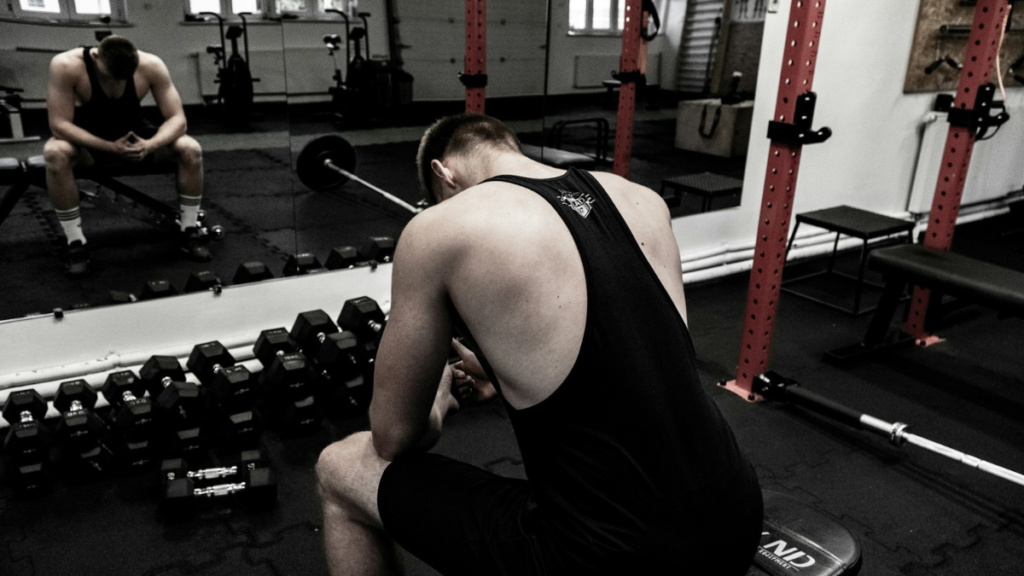
Turning 30 does not mean your body is suddenly too old to lift. Resistance training is safe for healthy adults and can build strength at any age. But the way you train should reflect your experience, current fitness, injury history, and recovery. If you have spent years sitting at a desk, returned to the gym after a long break, or are carrying an old shoulder or back problem, your starting point matters more than your age.
Gym injuries can happen when a workout asks more of your body than it is ready to handle. The goal is not to avoid hard training. It is to build up your ability to train hard, using manageable steps and paying attention to how you respond. These ten habits can help you train consistently while reducing avoidable risks.
1. Build up gradually after a break
A common mistake is trying to pick up where you left off. Your memory of past strength may be more advanced than your current tolerance for training volume, heavy loads, or repeated sessions. After a break, begin with weights and a number of sets that leave you feeling capable of doing more. Add work over time as your body adjusts.
There is no single increase that guarantees safety for everyone. Instead of following a rigid rule, change one part of your training at a time. You might add a few repetitions, a set, or a small amount of weight, then see how you feel during the workout and over the next day or two. A gradual return is especially useful after illness, travel, a demanding work period, or a previous injury.
2. Warm up for the workout you are about to do
A warm up should prepare you to move through the exercises in your session. Start with several minutes of easy movement, such as walking, cycling, or rowing, then practice the motions you plan to train with light resistance. Before a heavy squat, for example, perform a few progressively heavier warm up sets instead of jumping straight to your working weight.
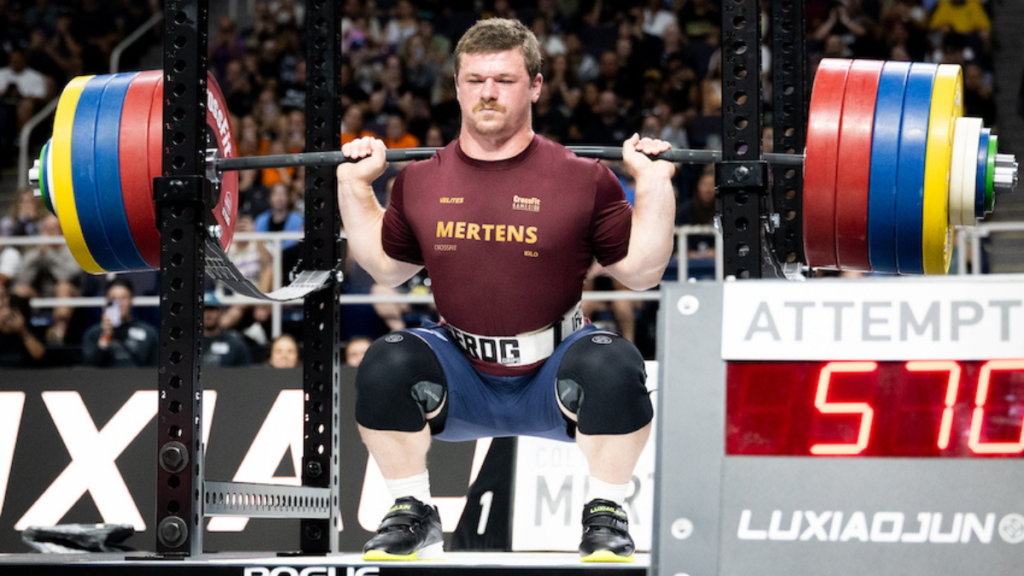
A warm up is not a guarantee against injury, and stretching by itself does not make every workout safe. Its practical value is that it gives you a chance to rehearse movements, check how your joints feel, and prepare for heavier effort. If you have a movement that feels stiff, use a comfortable range and build up to the version you intend to train.
3. Learn the movement before adding weight
Good technique is not one perfect shape that looks identical for every lifter. Your limb lengths, mobility, training history, and exercise choice all affect how a lift looks. Aim for a controlled movement that you can repeat without pain, balance problems, or a sudden loss of position.
If you are learning a squat, deadlift, or press, begin with a light load or a simpler variation. Practice the movement slowly enough to stay in control, and ask a qualified coach to review it if you are unsure. Machines, dumbbells, and body weight can all be useful ways to train while learning. The best option is the one that lets you work the target muscles with a stable, repeatable motion.
4. Choose a load that lets you stay in control
A weight is too heavy for a set if you cannot complete the planned repetitions with control. That may show up as bouncing the weight, shortening the movement without intending to, twisting to finish a repetition, or needing help before the set is done. When that happens, reduce the load or stop the set.
The 3 Exercises that Make Your Shoulders Look Wider
You can still train productively without taking every set to the point where another repetition is impossible. Research comparing training to failure with training short of failure found that both approaches can improve strength and muscle size. For many lifters, stopping while they can still perform another clean repetition makes it easier to keep technique consistent, particularly on demanding compound lifts.
5. Keep a simple training record
A written or digital record helps you remember what you lifted, how many repetitions you completed, and how difficult the session felt. This makes it easier to spot when you are adding too much work at once or when your performance is slipping across several sessions.
Your log does not need to be complicated. Record the exercise, weight, sets, repetitions, and any unusual discomfort. If the same area repeatedly hurts during a particular movement, that pattern is useful information. You can adjust the exercise, range, or load and monitor the change, rather than relying on memory or trying to push through without a plan.
6. Give hard sessions room to recover
Training is a stimulus, and your body needs time between hard sessions to recover and adapt. That does not mean you need to avoid frequent exercise. It means you should consider how much demanding work you do for the same muscles and joints, especially when starting a new routine or increasing your training.

If you are still unusually sore, weak, or tired when the next session begins, reduce the load or volume, or train a different area. Soreness alone does not diagnose an injury, but persistent pain or declining performance deserves attention. Training plans should fit your real schedule and recovery, not an ideal week that you cannot sustain.
7. Treat sleep as part of your training routine
Sleep supports recovery, concentration, and readiness to train. Evidence linking sleep and injury in adult athletes is mixed, and it does not prove that one poor night causes an injury. Still, repeatedly cutting sleep short can make it harder to feel prepared and focused in the gym.
If you slept badly or feel run down, adjust the session rather than forcing a personal record. You might use lighter weights, fewer sets, or a lower effort level. Over time, making room for regular sleep is a practical way to support both training and general health.
8. Stop and assess pain instead of trying to win an argument with it
Muscle effort and mild, temporary soreness are different from sharp pain, pain that changes how you move, or discomfort that worsens as a set continues. If a movement produces concerning pain, stop that exercise and try to understand what changed. Do not assume that every ache is serious, but do not treat pain as proof that the exercise is working.

If pain keeps returning, limits normal activities, or comes with substantial swelling, weakness, numbness, or loss of movement, seek advice from a qualified health professional. A clinician can assess the problem and help you decide how to modify training. Returning to heavy lifting before you understand a significant injury may prolong the problem.
9. Keep some variety in your exercise choices
Repeating the same movements with the same loads can concentrate stress on the same tissues. Variation can help you train the same general muscles through a different exercise, grip, stance, or range of motion. For example, if barbell pressing irritates your shoulder, a neutral grip dumbbell press or machine press may feel more comfortable while you assess the issue.
Variation does not mean changing your entire program every week. Familiar exercises make it easier to practice and track progress. Keep the movements that feel good and produce steady progress, and adjust the ones that repeatedly cause discomfort. Evidence on resistance training injury prevention supports strength training as a useful part of broader injury prevention, while also showing why training choices should suit the person and activity.
10. Make safety part of the setup
Before a heavy set, check that the equipment is stable and adjusted correctly. Set safety pins or spotter arms at an appropriate height for barbell squats and bench presses, and use a spotter when a lift could trap you if you fail. Keep the area around your station clear, and use collars when appropriate for the exercise and equipment.
These steps do not make a lift risk free, but they reduce avoidable hazards. If you train at home, make sure the floor, rack, bench, and plates are secure before loading the bar. Avoid rushing between stations or attempting a challenging lift when you are distracted or unsure how the equipment works.
Train for consistency, not just one workout
There is no hack that can remove every chance of injury. The most dependable approach is to choose exercises you can control, increase the challenge gradually, recover between hard sessions, and respond sensibly when something hurts. Men over 30 can continue to build strength and muscle, but training should reflect their current capacity rather than an assumption about what they could lift years ago.
If you have a medical condition, a recent injury, or symptoms that persist, get individual guidance from a qualified health professional. For everyone else, steady training and good judgment are a strong foundation for staying in the gym.
Key Takeaways
| Habit | Practical action |
|---|---|
| Return gradually | Start with manageable weights and volume after time away. |
| Warm up specifically | Practice the movements and build toward working weights. |
| Use controlled technique | Choose a version of each lift you can repeat comfortably. |
| Manage effort | Stop a set when you cannot maintain control. |
| Track your sessions | Record weights, repetitions, and recurring discomfort. |
| Allow recovery | Adjust hard sessions when fatigue or soreness persists. |
| Prioritize sleep | Reduce training effort when you are poorly rested. |
| Respond to pain | Stop painful movements and seek care for persistent symptoms. |
| Vary when useful | Modify exercises that repeatedly cause discomfort. |
| Check equipment | Set up racks, benches, and weights safely before lifting. |
References
- American College of Sports Medicine (2009) ‘Progression models in resistance training for healthy adults’, Medicine & Science in Sports & Exercise, 41(3), pp. 687–708.
- Grgic, J., Schoenfeld, B.J., Orazem, J. and Sabol, F. (2022) ‘Effects of resistance training performed to repetition failure or non-failure on muscular strength and hypertrophy: A systematic review and meta-analysis’, Journal of Sport and Health Science, 11(2), pp. 202–211.
- Lauersen, J.B., Andersen, T.E. and Andersen, L.B. (2018) ‘Strength training as superior, dose-dependent and safe prevention of acute and overuse sports injuries: A systematic review, qualitative analysis and meta-analysis’, British Journal of Sports Medicine, 52(24), pp. 1557–1563.
- Serafim, T.T., de Oliveira, E.S., Maffulli, N., Migliorini, F. and Okubo, R. (2023) ‘Which resistance training is safest to practice? A systematic review’, Journal of Orthopaedic Surgery and Research, 18, article анба.
Robbie Wild Hudson
Editor-In-Chief at BOXROX. I come from a background of rugby and weightlifting. Growing up in the English Lake District, I spent a great deal of time swimming in its stunning lakes and rivers. In 2015 my brothers and I became the first people to swim the 145km length of the River Eden, from source to mouth, in 9 days. We also swam the Corryvreckan whirlpool, the third largest in the world, and Crossfit is a huge part of my training for these events.
More from Robbie Wild Hudson