


Athletes are used to experimenting with recovery tools. Compression boots, cold plunges, red light devices and mobility work can all become part of the routine when training volume climbs.
Hyperbaric therapy is different. A chamber changes the pressure around your body, and clinical hyperbaric oxygen therapy also changes oxygen exposure. That makes medical screening more relevant than it is with many everyday recovery tools.


Before adding hyperbaric therapy to a training or injury-recovery plan, there are several situations where athletes should speak with a doctor first.
What Hyperbaric Therapy Actually Does
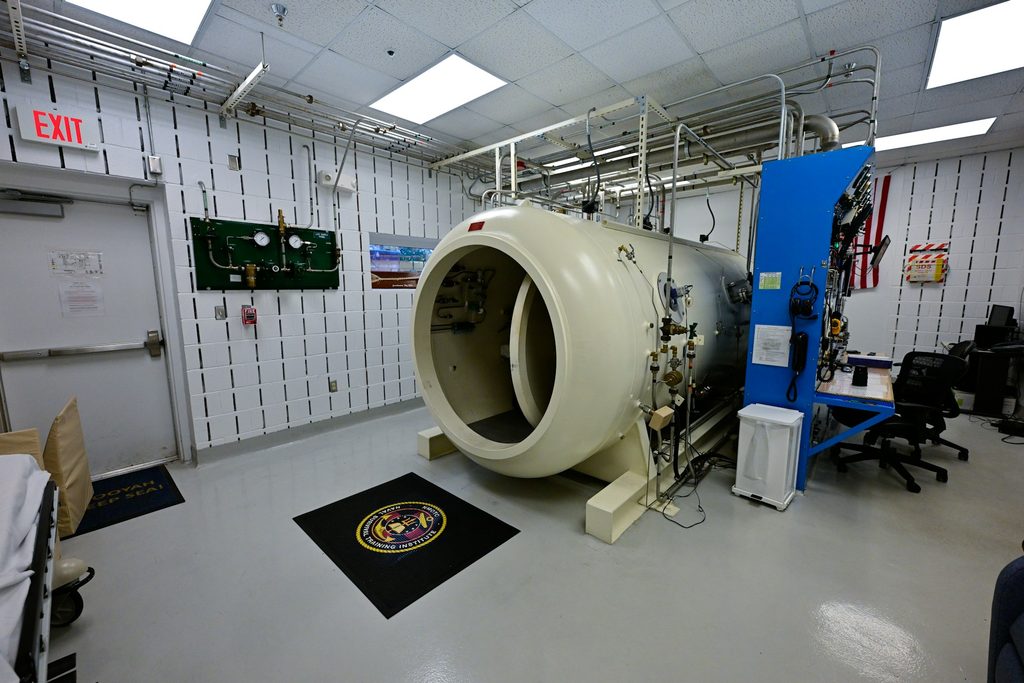
During clinical hyperbaric oxygen therapy, a person breathes oxygen while inside a chamber pressurized above normal atmospheric pressure. Increased pressure allows more oxygen to dissolve directly into blood plasma.
Hyperbaric oxygen therapy has established medical uses, including decompression sickness, carbon monoxide poisoning, selected problem wounds and radiation injuries. The Undersea and Hyperbaric Medical Society also distinguishes established clinical HBOT from lower-pressure treatments promoted for conditions where evidence remains limited.

That distinction matters for athletes. Someone researching home hyperbaric chambers should understand what type of chamber they are considering, the pressure it operates at and how its intended use compares with physician-supervised clinical HBOT.
Untreated Pneumothorax Is the Biggest Red Flag
The clearest absolute contraindication to hyperbaric treatment is an untreated pneumothorax, or collapsed lung. Pressure changes inside a chamber affect trapped gas. During decompression, trapped gas in the chest can expand, potentially turning an untreated pneumothorax into a dangerous tension pneumothorax.
A previous pneumothorax, recent chest surgery or certain lung conditions do not necessarily rule out treatment permanently, but they are reasons to have a proper medical assessment before entering a chamber.
Ear and Sinus Problems Matter Too
If you have ever struggled to clear your ears during a flight or while diving, pay attention. Pressure changes can affect air-filled spaces in the middle ear and sinuses. Active congestion, an upper respiratory infection, chronic sinus problems or difficulty equalizing pressure can increase the risk of barotrauma and make a session painful.
Athletes are often conditioned to push through discomfort. Pressure-related ear pain is not the place to apply that mindset. If your ears or sinuses will not equalize, forcing the issue can make things worse.
Seizures, Fever, Lung Conditions and Medications Need a Conversation
A history of seizures is generally considered a relative rather than absolute contraindication. Fever can also lower the seizure threshold, while conditions such as asthma or COPD may require assessment because of the possibility of trapped air in the lungs.
Medication history matters as well. Certain drugs can change the risk profile of hyperbaric oxygen therapy. Previous or recent exposure to drugs such as bleomycin, for example, deserves specific medical review because of concerns involving pulmonary toxicity.
A useful pre-treatment conversation should therefore cover current medications, previous cancer treatment, lung history, recent surgery, implanted medical devices and any history of seizures or difficulty equalizing pressure.
Home Chamber Safety Goes Beyond Comfort
Medical clearance is only one part of using hyperbaric equipment safely. The chamber itself, the way it is operated, and the support available to the user all matter. In 2025, the FDA issued a safety reminder on hyperbaric oxygen therapy devices after reports of serious injuries and deaths. The agency emphasized following manufacturer instructions, maintaining equipment properly, using appropriate fire-prevention measures, and making sure users understand emergency procedures.
That makes the company behind the equipment important as well. Athletes considering a chamber for home use should look for a reputable hyperbaric chamber distributor that can provide clear information on operating pressure, installation, maintenance, warranty coverage, safety procedures, and ongoing support. These details matter because hyperbaric chambers are not ordinary recovery devices. Pressure levels, chamber design, oxygen delivery, and operating requirements can vary between systems, so buyers should understand exactly what they are purchasing and how it is meant to be used.
Home hyperbaric use should also not be assumed to be identical to physician-supervised clinical HBOT. Different chambers may operate at different pressures and under different protocols, and evidence from a hospital-based treatment setting cannot always be applied directly to a home system. For athletes, the practical takeaway is simple. Do not judge a chamber only by comfort, size, or price. Equipment quality, manufacturer guidance, distributor support, and safe operating procedures should all be part of the decision.
The Bottom Line
Hyperbaric therapy is more than simply getting “extra oxygen” after a hard week of training. It involves pressure, oxygen exposure and medical considerations that athletes should understand before making it part of a recovery routine.
An untreated pneumothorax is the clearest reason not to enter a hyperbaric chamber. Lung conditions, recent chest surgery, difficulty equalizing the ears or sinuses, seizure history, fever, implanted devices and certain medications are also reasons to speak with a qualified medical professional first.
Recovery tools can be useful, but pressure-based therapy deserves the same approach as any other medical intervention: understand what you are using, know the risks and make sure it is appropriate for you.