

Visceral fat is one of the most important health issues women should pay attention to, especially as they get older. Unlike the fat that sits just beneath the skin, visceral fat accumulates deep inside the abdominal cavity and surrounds vital organs such as the liver, pancreas, and intestines. While it is not always visible from the outside, excess visceral fat is strongly associated with a higher risk of heart disease, type 2 diabetes, metabolic syndrome, certain cancers, and premature mortality.
Many women assume that endless abdominal exercises are the best way to reduce belly fat. However, science consistently shows that spot reduction is a myth. You cannot selectively burn fat from a specific body part simply by training it. Instead, reducing visceral fat requires a combination of exercise methods that increase energy expenditure, improve insulin sensitivity, preserve lean muscle mass, and create long term metabolic adaptations.



The good news is that research has identified several forms of exercise that are particularly effective for reducing visceral fat. Even better, women do not need to spend hours every day in the gym. Strategic training can produce significant results while also improving strength, fitness, confidence, and overall health.
Understanding Visceral Fat
Before discussing the best exercises, it is important to understand what visceral fat actually is and why it behaves differently from other forms of body fat.
Subcutaneous fat is located directly under the skin. Visceral fat, on the other hand, is stored around internal organs within the abdominal cavity. While some visceral fat is necessary for normal bodily functions, excessive amounts can become dangerous. Visceral fat is metabolically active. It releases inflammatory compounds, hormones, and fatty acids into the bloodstream that can negatively affect health. Elevated visceral fat levels are associated with:
• Increased insulin resistance
• Higher risk of type 2 diabetes
• Elevated blood pressure
• Increased inflammation
• Greater risk of cardiovascular disease
• Higher risk of metabolic syndrome
Women often experience increased visceral fat accumulation during and after menopause due to hormonal changes, reductions in estrogen levels, and age related declines in muscle mass.
Want to Bench Press 100kg / 220lbs? Here Are 4 Numbers You Need to Hit First
The encouraging news is that visceral fat tends to respond well to exercise interventions. Studies consistently show that physical activity can significantly reduce visceral fat even when overall body weight changes only modestly.
Why Exercise Is So Effective Against Visceral Fat
Visceral fat is particularly responsive to exercise because of its metabolic characteristics. Compared to subcutaneous fat, visceral fat contains more receptors that stimulate fat breakdown. During exercise, hormones such as adrenaline and noradrenaline increase, encouraging the release and oxidation of stored fat.
Exercise also improves:
• Insulin sensitivity
• Blood glucose regulation
• Mitochondrial function
• Energy expenditure
• Muscle mass preservation
• Hormonal health
The combination of these adaptations creates an environment where visceral fat becomes easier to mobilize and burn. Among the many forms of exercise available, three stand out as particularly effective.
Exercise #1: High Intensity Interval Training (HIIT)
High Intensity Interval Training, commonly known as HIIT, is one of the most extensively studied exercise methods for visceral fat reduction.

HIIT involves alternating short periods of intense effort with brief recovery intervals. A typical workout might include sprinting, cycling, rowing, or bodyweight movements performed at near maximal intensity for 20 to 60 seconds, followed by recovery periods.
Why HIIT Burns Visceral Fat
HIIT creates a powerful metabolic stimulus. During intense exercise, the body rapidly depletes energy stores and elevates oxygen consumption. After the workout ends, metabolism remains elevated in a phenomenon known as excess post exercise oxygen consumption. Research has repeatedly demonstrated that HIIT can significantly reduce abdominal and visceral fat in women.
One reason HIIT is so effective is that it combines high calorie expenditure with hormonal responses that encourage fat mobilization. The repeated bursts of intense effort stimulate greater release of catecholamines, which promote fat breakdown, particularly in visceral fat tissue.
HIIT also improves insulin sensitivity and glucose regulation, both of which play critical roles in reducing abdominal fat accumulation.
Evidence Supporting HIIT
Numerous clinical studies have found that HIIT can produce substantial reductions in visceral fat, often with shorter workout durations compared to traditional steady state cardio.
Meta analyses have concluded that HIIT is at least as effective, and often more effective, than moderate intensity continuous training for reducing abdominal and visceral fat.

Importantly, many studies involving women have shown significant improvements in body composition, metabolic health, and cardiovascular fitness following HIIT interventions.
Sample HIIT Workout
A beginner friendly HIIT session might look like this:
• 5 minute warm up
• 30 seconds fast effort
• 90 seconds easy recovery
• Repeat 8 to 10 times
• 5 minute cool down
The exercise modality can include:
• Running
• Cycling
• Rowing
• Jump rope
• Stair climbing
• Bodyweight circuits
For most women, two to three HIIT sessions per week is sufficient.
Key Benefits of HIIT
• Highly time efficient
• Significant visceral fat reduction
• Improves cardiovascular fitness
• Enhances insulin sensitivity
• Increases calorie expenditure
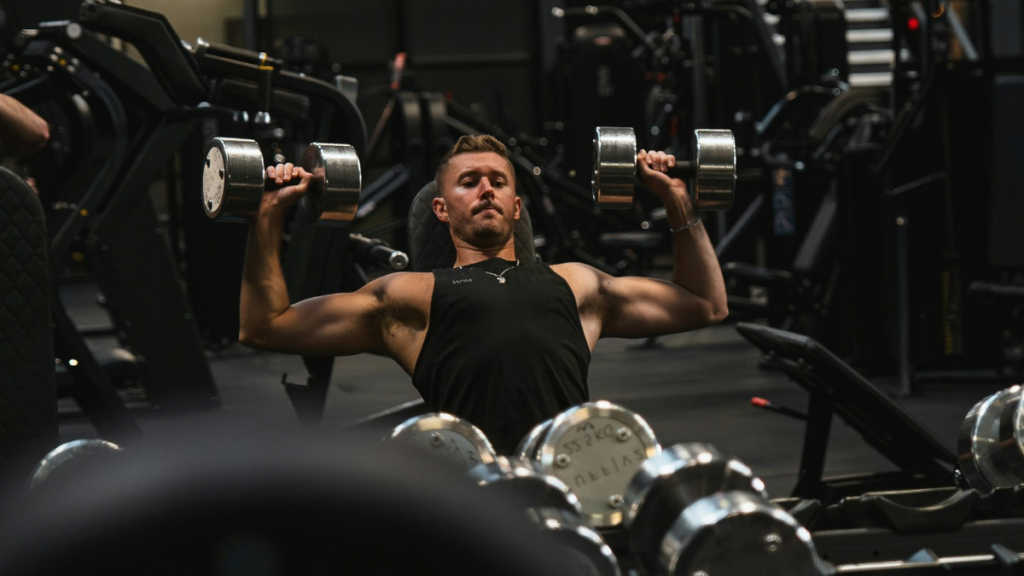
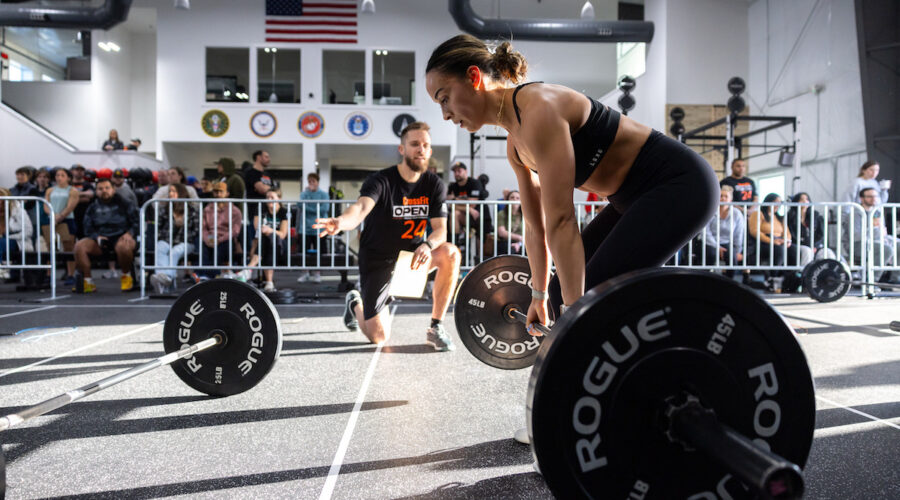
Exercise #2: Strength Training
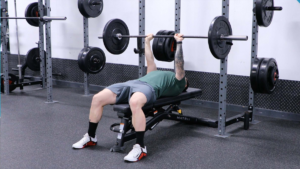
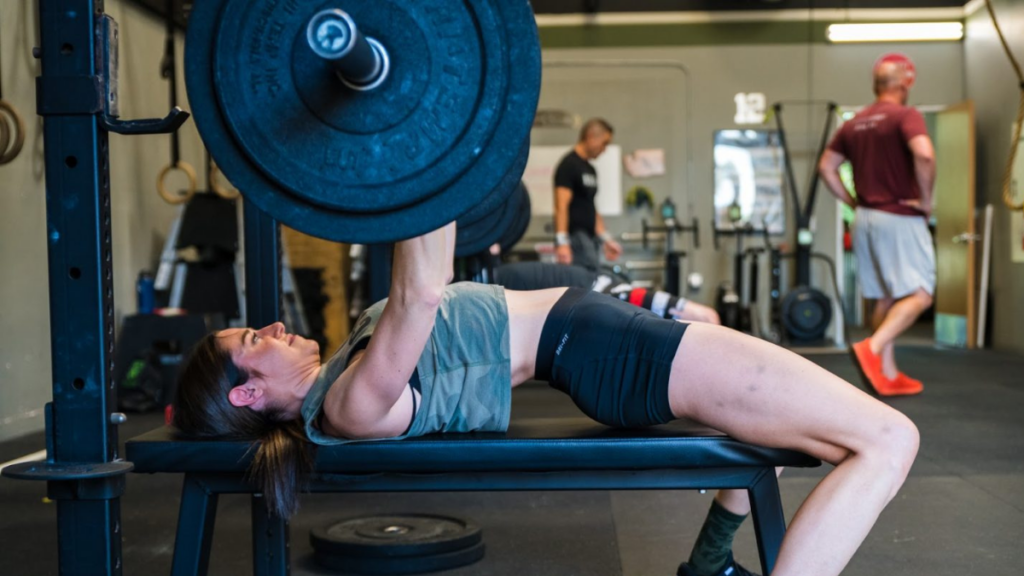
Many women still underestimate the importance of resistance training for fat loss. In reality, strength training may be one of the most valuable tools for reducing visceral fat and maintaining long term metabolic health.
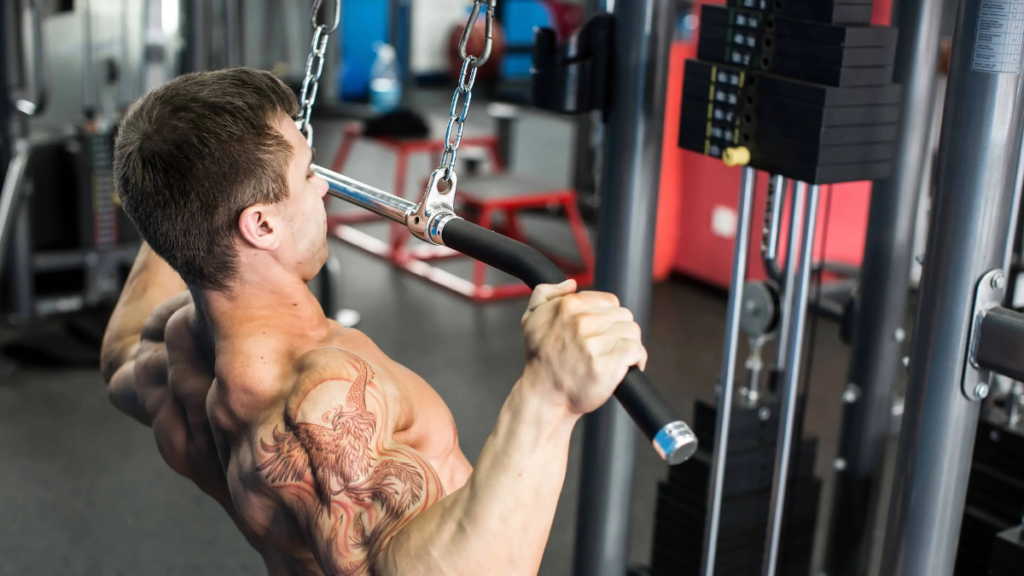
Strength training involves exercises that challenge muscles against resistance. This can include free weights, machines, resistance bands, kettlebells, or bodyweight exercises.
Why Strength Training Targets Visceral Fat
Muscle tissue is metabolically active. The more muscle a woman maintains, the more calories she burns throughout the day. One of the biggest challenges women face with aging is sarcopenia, the gradual loss of muscle mass. Reduced muscle mass lowers resting metabolic rate and increases the likelihood of fat accumulation. Strength training helps counteract this process by preserving and building lean muscle tissue.

Resistance training also improves insulin sensitivity and glucose disposal. Since insulin resistance is strongly linked to visceral fat accumulation, improving metabolic function can significantly accelerate fat loss.
Evidence Supporting Strength Training
Research consistently demonstrates that resistance training reduces visceral adipose tissue, even when weight loss is modest. Several studies have found that strength training can reduce abdominal fat while simultaneously increasing lean muscle mass. This dual benefit is especially important because many traditional weight loss approaches result in both fat and muscle loss.
Women who perform regular resistance training also experience improvements in:
• Bone density
• Functional strength
• Metabolic health
• Physical performance
• Body composition
The Best Strength Exercises
Compound movements are particularly effective because they engage large muscle groups and require substantial energy expenditure.
Examples include:
• Squats
• Deadlifts
• Lunges
• Hip thrusts
• Push ups
• Rows
• Overhead presses
• Pull ups or assisted pull ups
These exercises stimulate large amounts of muscle tissue and create a greater metabolic response than isolation exercises.
Recommended Training Frequency
Most women can benefit from:
• 2 to 4 strength training sessions weekly
• 45 to 60 minutes per session
• Progressive increases in resistance over time
The focus should be on gradually becoming stronger while maintaining proper technique.
Key Benefits of Strength Training
• Reduces visceral fat
• Preserves muscle mass during fat loss
• Supports healthy aging
• Improves metabolic rate
• Enhances physical function
Exercise #3: Brisk Walking and Incline Walking
While HIIT and strength training receive most of the attention, walking remains one of the most underrated fat loss tools available. Many women are surprised to learn that walking can significantly reduce visceral fat when performed consistently.
Why Walking Works
Walking increases daily energy expenditure without creating excessive fatigue or recovery demands. Unlike intense exercise, walking can be performed frequently and sustainably. This makes it easier to accumulate a large weekly calorie expenditure.
Walking also improves insulin sensitivity, cardiovascular health, and fat oxidation. Because it is low impact, walking is particularly suitable for beginners, older women, and those carrying excess body weight.
The Science Behind Walking and Visceral Fat Loss
Research has shown that regular walking programs can significantly reduce visceral fat stores. Studies involving women have demonstrated improvements in abdominal fat, waist circumference, and metabolic health following structured walking interventions. Walking appears especially effective when performed at a brisk pace that elevates heart rate while remaining sustainable for extended periods.
Why Incline Walking Is Even Better
Adding an incline dramatically increases energy expenditure without requiring higher impact. Walking uphill recruits more muscle mass from the glutes, hamstrings, and calves while increasing cardiovascular demand. This allows women to burn more calories and stimulate greater metabolic adaptations while minimizing joint stress.

Walking Guidelines
A practical goal is:
• 30 to 60 minutes of brisk walking daily
• At least 150 to 300 minutes weekly
• Include hills or treadmill incline when possible
Women who already exercise regularly can use walking as supplemental activity to increase total energy expenditure.
Key Benefits of Walking
• Highly accessible
• Low injury risk
• Supports recovery
• Reduces visceral fat
• Easy to maintain long term
Additional Factors That Influence Visceral Fat Loss
Even the best exercise program works better when paired with healthy lifestyle habits.
Prioritize Protein
Higher protein intake supports muscle maintenance, improves satiety, and may enhance fat loss outcomes. Women engaging in strength training should ensure adequate protein consumption throughout the day.
Improve Sleep Quality
Poor sleep is strongly associated with increased visceral fat accumulation. Aim for seven to nine hours of quality sleep each night.
Manage Stress
Chronic stress elevates cortisol levels, which may contribute to abdominal fat storage. Helpful stress management techniques include:
• Meditation
• Walking outdoors
• Deep breathing
• Yoga
• Social connection
Maintain Consistency
The most effective exercise program is the one that can be maintained long term. Consistency always beats perfection.
Common Mistakes Women Make When Trying to Lose Belly Fat
Many women unintentionally sabotage their progress by focusing on ineffective strategies. Common mistakes include:
• Performing endless abdominal exercises
• Excessive calorie restriction
• Avoiding strength training
• Doing only cardio
• Ignoring sleep quality
• Expecting rapid results
Visceral fat reduction takes time, but the health benefits begin accumulating almost immediately after regular exercise becomes a habit.
Final Thoughts
Visceral fat is more than a cosmetic concern. It is one of the most important predictors of long term health and disease risk. Fortunately, it is also highly responsive to exercise.
The three best exercises for women to burn visceral fat are High Intensity Interval Training, strength training, and brisk walking. Each method provides unique physiological benefits that support fat loss, metabolic health, and overall wellbeing.
HIIT delivers powerful calorie burning and metabolic effects in a time efficient format. Strength training preserves muscle mass while improving insulin sensitivity and resting metabolic rate. Walking offers a sustainable, low impact way to increase daily energy expenditure and support long term fat loss.
Women who combine all three approaches are likely to achieve the greatest reductions in visceral fat while building a stronger, healthier, and more resilient body.
Key Takeaways
| Exercise | Main Benefit | Recommended Frequency | Effect on Visceral Fat |
|---|---|---|---|
| HIIT | High calorie burn and improved insulin sensitivity | 2 to 3 times per week | Excellent |
| Strength Training | Preserves muscle and boosts metabolism | 2 to 4 times per week | Excellent |
| Brisk Walking | Sustainable calorie expenditure | Most days of the week | Very Good |
| Incline Walking | Higher energy expenditure with low impact | 2 to 5 times per week | Very Good |
| Combined Approach | Maximizes overall fat loss and health benefits | Weekly combination | Best Overall |
References
• Boutcher, S.H. (2011) ‘High intensity intermittent exercise and fat loss’, Journal of Obesity, 2011, pp. 1-10.
• Donnelly, J.E., Blair, S.N., Jakicic, J.M., Manore, M.M., Rankin, J.W. and Smith, B.K. (2009) ‘Appropriate physical activity intervention strategies for weight loss and prevention of weight regain for adults’, Medicine and Science in Sports and Exercise, 41(2), pp. 459-471.
• Earnest, C.P. (2013) ‘Exercise interval training: An improved stimulus for improving the physiology of pre diabetes’, Medical Hypotheses, 80(6), pp. 752-761.
• Irwin, M.L., Yasui, Y., Ulrich, C.M., Bowen, D., Rudolph, R.E., Schwartz, R.S., Yukawa, M., Aiello, E., Potter, J.D. and McTiernan, A. (2003) ‘Effect of exercise on total and intra abdominal body fat in postmenopausal women’, JAMA, 289(3), pp. 323-330.
• Keating, S.E., Johnson, N.A., Mielke, G.I. and Coombes, J.S. (2017) ‘A systematic review and meta analysis of interval training versus moderate intensity continuous training on body adiposity’, Obesity Reviews, 18(8), pp. 943-964.
• Lee, S., Kuk, J.L., Davidson, L.E., Hudson, R., Kilpatrick, K., Graham, T.E. and Ross, R. (2005) ‘Exercise without weight loss is an effective strategy for obesity reduction in obese individuals with and without type 2 diabetes’, Journal of Applied Physiology, 99(3), pp. 1220-1225.
• Ohkawara, K., Tanaka, S., Miyachi, M., Ishikawa Takata, K. and Tabata, I. (2007) ‘A dose response relation between aerobic exercise and visceral fat reduction’, International Journal of Obesity, 31(12), pp. 1786-1797.
• Peterson, M.D., Sen, A. and Gordon, P.M. (2011) ‘Influence of resistance exercise on lean body mass in aging adults’, Medicine and Science in Sports and Exercise, 43(2), pp. 249-258.
• Ross, R., Dagnone, D., Jones, P.J.H., Smith, H., Paddags, A., Hudson, R. and Janssen, I. (2000) ‘Reduction in obesity and related comorbid conditions after diet induced weight loss or exercise induced weight loss’, Annals of Internal Medicine, 133(2), pp. 92-103.
• Slentz, C.A., Duscha, B.D., Johnson, J.L., Ketchum, K., Aiken, L.B., Samsa, G.P., Houmard, J.A., Bales, C.W. and Kraus, W.E. (2004) ‘Effects of the amount of exercise on body weight, body composition, and measures of central obesity’, Archives of Internal Medicine, 164(1), pp. 31-39.
• Strasser, B. and Schobersberger, W. (2011) ‘Evidence for resistance training as a treatment therapy in obesity’, Journal of Obesity, 2011, pp. 1-9.
• Vissers, D., Hens, W., Hansen, D., Taeymans, J., Baeyens, J.P., Poortmans, J. and Van Gaal, L. (2013) ‘The effect of exercise on visceral adipose tissue in overweight adults’, PLoS One, 8(2), e56415.
• Willis, L.H., Slentz, C.A., Bateman, L.A., Shields, A.T., Piner, L.W., Bales, C.W., Houmard, J.A. and Kraus, W.E. (2012) ‘Effects of aerobic and resistance training on body mass and fat mass in overweight or obese adults’, Journal of Applied Physiology, 113(12), pp. 1831-1837.