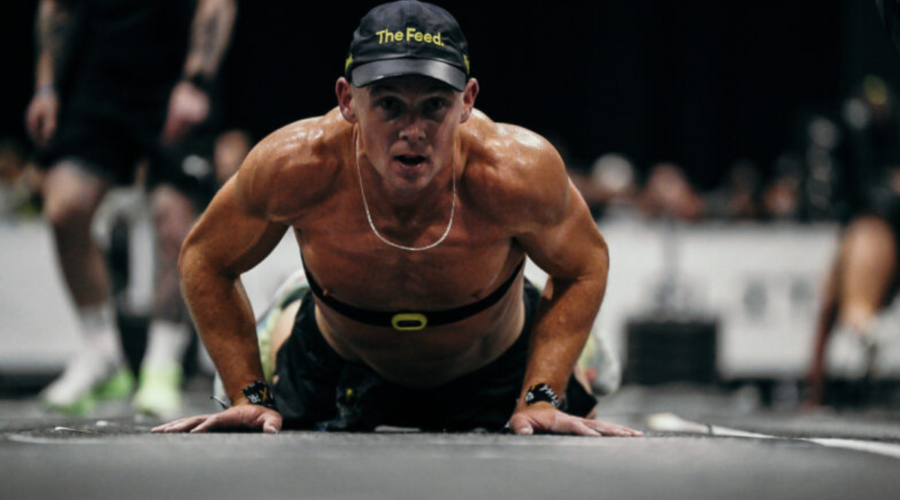


Burpees have earned a reputation as one of the most dreaded exercises in fitness. They are demanding, uncomfortable, and capable of pushing even experienced athletes to their limits within seconds. Despite their popularity in CrossFit, boot camps, and high intensity interval training workouts, many people avoid burpees because they aggravate sore joints, feel awkward to perform, or simply make exercise less enjoyable.
The good news is that you do not have to perform burpees to build fitness. The benefits that make burpees so effective come from combining multiple movement patterns with a high cardiovascular demand rather than from the exercise itself. Research consistently shows that improvements in aerobic fitness, muscular endurance, calorie expenditure, and metabolic health can be achieved through many different forms of whole body exercise.



If burpees are not your favorite movement, several alternatives can challenge your heart, lungs, and muscles while placing different demands on your body. Depending on your goals and physical limitations, some may even be a better choice.
Why Burpees Work So Well
Burpees combine a squat, plank, push up, and jump into one continuous movement. This recruits muscles throughout the entire body, including the quadriceps, glutes, hamstrings, chest, shoulders, triceps, core, and calves.
Because so many muscles are working simultaneously, burpees quickly elevate heart rate and oxygen consumption. This makes them an efficient way to improve cardiovascular fitness while also developing muscular endurance.
Is the Meadows Row the Perfect Exercise for a Jacked Wider Back?
High intensity exercises that involve large muscle groups have repeatedly been shown to improve maximal oxygen uptake, insulin sensitivity, body composition, and cardiovascular health. Research also shows that interval training using whole body exercises can produce similar aerobic improvements to longer sessions of steady state cardio while requiring less training time.
The key takeaway is simple. Burpees are effective because they are a full body, high intensity movement. Plenty of other exercises share those same qualities.
What Makes a Good Burpee Alternative?
A worthwhile replacement should accomplish most of the same goals. It should elevate your heart rate quickly while engaging multiple muscle groups. Ideally, it should challenge both the upper and lower body, improve muscular endurance, and fit easily into interval training workouts.
The following five exercises meet those criteria while offering different advantages depending on your experience level, mobility, and fitness goals.
1. Kettlebell Swings
The kettlebell swing is one of the most effective total body exercises available. Although it does not include a push up or jump, it trains explosive hip extension while heavily recruiting the glutes, hamstrings, core, back, shoulders, and grip.
Unlike burpees, the swing emphasizes power production from the posterior chain, which many recreational exercisers neglect because they spend much of the day sitting.
Research examining kettlebell training has found that swings significantly increase heart rate and oxygen consumption. During high intensity intervals, kettlebell workouts can reach cardiovascular demands comparable to vigorous running while also improving muscular endurance. The movement also develops explosive strength, an important quality for athletic performance and healthy aging.

Proper technique matters. The swing should be driven by a powerful hip hinge rather than a squat. The arms simply guide the kettlebell while the hips generate the force. For many people, kettlebell swings feel smoother and place less repetitive stress on the wrists and shoulders than high volume burpees.
Best for
People looking to improve conditioning, power, and posterior chain strength with minimal equipment.
2. Thrusters
A thruster combines a front squat with an overhead press using either dumbbells, kettlebells, or a barbell. This exercise recruits nearly every major muscle group while placing a significant demand on the cardiovascular system. The legs generate force during the squat, while the shoulders, triceps, upper back, and core finish the movement overhead.
Thrusters are commonly used in functional fitness competitions because they develop muscular endurance and conditioning simultaneously. Research comparing resistance exercises performed in circuit formats has shown that compound movements involving large muscle groups produce substantial cardiovascular stress while also improving muscular strength and endurance.

Because thrusters allow the load to be adjusted, they are suitable for beginners using light dumbbells and advanced athletes seeking a serious conditioning challenge.
Unlike burpees, there is no repeated transition from standing to the floor, making thrusters a practical option for individuals with wrist discomfort or reduced mobility.
Best for
Anyone who wants to combine strength development with high intensity conditioning.
3. Jump Rope
Jumping rope might look simple, but it is one of the most efficient conditioning tools available. Skipping rapidly increases heart rate while improving coordination, lower body endurance, rhythm, and foot speed. Competitive boxers have relied on jump rope for decades because it develops cardiovascular fitness with very little equipment.
Research has shown that regular rope jumping can improve aerobic fitness, agility, balance, and lower limb power. It also burns a significant number of calories when performed at moderate to vigorous intensity. Unlike burpees, jump rope allows exercisers to maintain a consistent rhythm, making it easier to sustain longer work intervals.

People with knee discomfort should still be mindful of landing mechanics, but the repeated impact forces during controlled rope skipping are generally much lower than those produced during repeated maximal jumps.
Learning advanced skipping techniques also provides continuous opportunities for progression without increasing external load.
Best for
People seeking an effective cardiovascular workout that is portable, inexpensive, and easy to include in home workouts.
4. Mountain Climbers
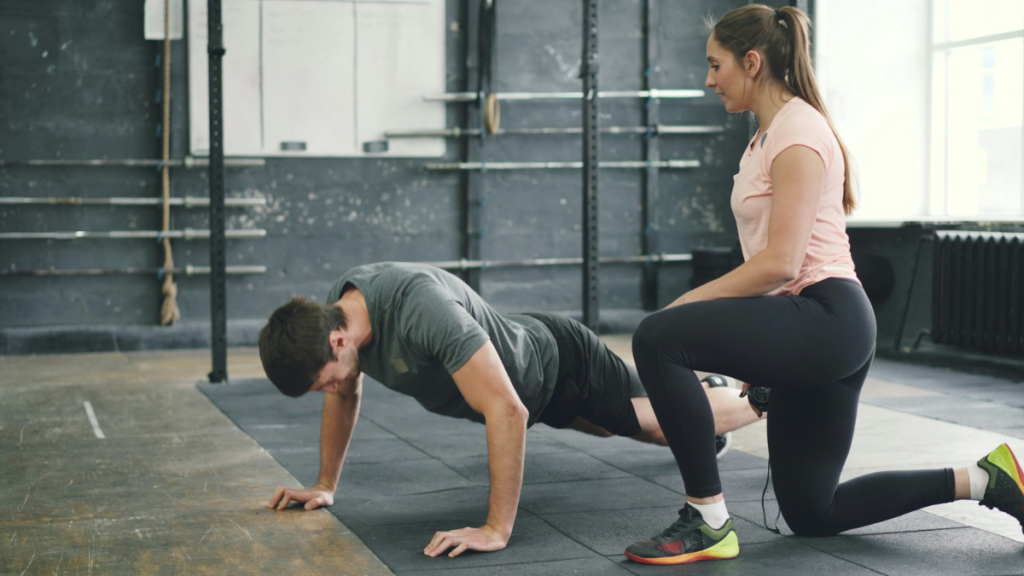
Mountain climbers are often overlooked because they require no equipment, yet they combine core training with cardiovascular conditioning remarkably well. Starting from a plank position, alternating knee drives require constant stabilization through the shoulders, chest, core, and hips while the legs move continuously at high speed.
This creates a whole body exercise that rapidly elevates heart rate without requiring repeated jumping. Electromyography research consistently demonstrates high activation of the abdominal muscles during plank based exercises. When speed is added through mountain climbers, the cardiovascular challenge increases substantially while core engagement remains high.
Mountain climbers also improve shoulder stability because the upper body must support body weight throughout each repetition. People who dislike the explosive jumping portion of burpees often find mountain climbers easier to perform while still achieving a demanding conditioning effect.
Best for
Individuals who want a low equipment conditioning exercise with a strong emphasis on core stability.
5. Rowing
Indoor rowing delivers many of the same conditioning benefits as burpees without exposing the joints to repetitive impact. Each rowing stroke recruits the legs, hips, core, back, shoulders, and arms in a coordinated sequence. Because approximately 70 percent of the movement comes from the lower body, rowing develops powerful leg drive while maintaining substantial upper body involvement.
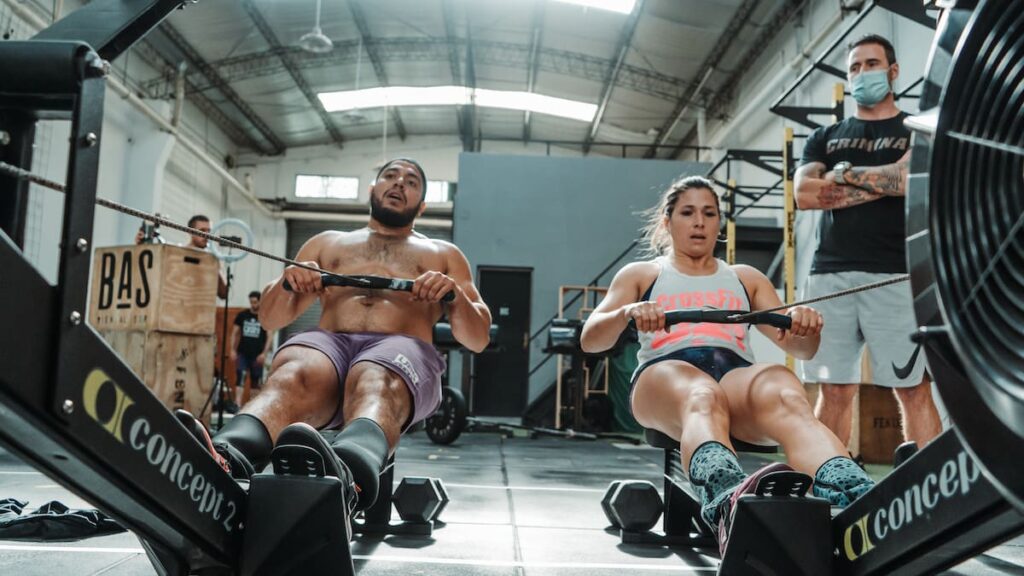
Research consistently identifies rowing as an excellent tool for improving aerobic capacity and cardiovascular fitness. It also provides significant energy expenditure while minimizing joint loading.
For individuals recovering from impact related injuries or carrying excess body weight, rowing offers an effective way to perform high intensity intervals safely.
Proper rowing technique begins with strong leg drive before transferring power through the hips and finally finishing with the arms. Many beginners mistakenly pull with the upper body first, reducing both efficiency and performance.
Best for
People who want a challenging full body workout with minimal joint stress.
Which Exercise Is Best?
There is no universal winner because each exercise emphasizes different qualities.
- Kettlebell swings excel for power and posterior chain development.
- Thrusters combine strength and conditioning in a single movement.
- Jump rope is outstanding for cardiovascular endurance and coordination.
- Mountain climbers emphasize core stability while maintaining a high heart rate.
- Rowing provides one of the best low impact full body conditioning workouts available.
From a physiological perspective, what matters most is training intensity, consistency, and progressive overload rather than the specific exercise selected.
Research comparing different forms of high intensity interval training consistently shows that many exercise modes improve cardiovascular fitness when the effort level is sufficiently high. The body responds primarily to the overall training stimulus rather than whether that stimulus comes from burpees, rowing, cycling, or resistance exercises.
Do You Need Burpees at All?
Despite their popularity, burpees are not essential for building fitness. If you enjoy them, they remain an effective exercise that develops conditioning, muscular endurance, and coordination. If you dislike them or experience pain while performing them, replacing them with another demanding full body movement will not prevent you from achieving excellent results.
One of the strongest predictors of long term exercise success is adherence. People are more likely to continue exercising when they enjoy their workouts and can perform movements comfortably. Choosing exercises you can consistently perform with good technique is almost always more valuable than forcing yourself through workouts you dread.
Fitness is built through months and years of consistent training. The best conditioning exercise is the one you are willing to perform regularly while progressively challenging yourself.
Key Takeaways
| Exercise | Main Benefit | Best For |
|---|---|---|
| Kettlebell Swings | Full body power, conditioning, and posterior chain strength | Improving explosiveness and cardiovascular fitness |
| Thrusters | Strength and conditioning combined | Building muscular endurance and total body fitness |
| Jump Rope | Cardiovascular endurance and coordination | Quick, portable cardio workouts |
| Mountain Climbers | Core stability with elevated heart rate | Bodyweight conditioning at home |
| Rowing | Low impact full body conditioning | Joint friendly endurance training |
References
- American College of Sports Medicine. (2022). ACSM’s Guidelines for Exercise Testing and Prescription. 11th ed. Philadelphia: Wolters Kluwer.
- Fountaine, C.J. and Schmidt, B.J. (2015). Metabolic responses to kettlebell swings. Journal of Strength and Conditioning Research, 29(3), pp. 721 to 728.
- Gibala, M.J., Little, J.P., Macdonald, M.J. and Hawley, J.A. (2012). Physiological adaptations to low volume, high intensity interval training in health and disease. Journal of Physiology, 590(5), pp. 1077 to 1084.
- Hagerman, F.C. (1984). Applied physiology of rowing. Sports Medicine, 1(4), pp. 303 to 326.
- Kotarsky, C.J., Christensen, B.K., Miller, J.S. and Hackney, K.J. (2018). Effect of progressive kettlebell swing training on aerobic capacity and muscular strength. Journal of Strength and Conditioning Research, 32(5), pp. 1137 to 1143.
- McGill, S.M. (2010). Core training evidence translating to better performance and injury prevention. Strength and Conditioning Journal, 32(3), pp. 33 to 46.
- Milanović, Z., Sporiš, G. and Weston, M. (2015). Effectiveness of high intensity interval training compared with moderate intensity continuous training on cardiorespiratory fitness. Sports Medicine, 45(10), pp. 1469 to 1481.
- Oja, P., Titze, S., Bauman, A., de Geus, B., Krenn, P., Reger Nielsen, T. and Kohlberger, T. (2015). Health benefits of cycling and other forms of active transportation. Scandinavian Journal of Medicine and Science in Sports, 25(1), pp. 3 to 20.
- Thomas, E., Bianco, A., Paoli, A. and Palma, A. (2017). The relation between stretching, strength, and physical performance. Journal of Human Sport and Exercise, 12(2), pp. 165 to 181.
- Wisløff, U., Ellingsen, Ø. and Kemi, O.J. (2009). High intensity interval training to maximize cardiac benefits of exercise training. Exercise and Sport Sciences Reviews, 37(3), pp. 139 to 146.