


Inflammation is a normal part of human biology. It helps the body respond to infection, injury, and exercise. A short term inflammatory response after a hard workout, for example, is involved in tissue repair and adaptation. The problem is not inflammation itself. The concern is persistent, low grade inflammation that may accompany conditions such as obesity, poor metabolic health, cardiovascular disease, inflammatory bowel disease, and some autoimmune disorders.
No individual food can cure chronic inflammation or replace medical treatment. Claims that one ingredient will “switch off” inflammation are not supported by human research. However, dietary patterns rich in plants, fiber, fermented foods, and minimally processed ingredients are associated with more favorable inflammatory profiles. Specific foods may contribute useful compounds, including polyphenols, carotenoids, fiber, omega three fats, and fermentation products.



The seven foods below are not magic remedies. They are practical options with interesting evidence behind them. Their value is greatest when they are added to an overall eating pattern that provides enough protein, fruit, vegetables, legumes, whole grains, healthy fats, sleep, exercise, and adequate energy intake.
1. Tart Cherries
Tart cherries are different from the sweet cherries commonly eaten as a snack. They have a sharp flavor and are often sold frozen, dried, or as juice concentrate. Their deep red color comes partly from anthocyanins, a group of polyphenols also found in berries and purple vegetables.
Human studies have examined tart cherry products for exercise recovery, oxidative stress, and inflammatory markers. In older adults, tart cherry juice supplementation has been associated with changes in selected markers of inflammation and oxidative stress. Research in endurance athletes has also suggested that tart cherry products may support recovery after demanding exercise, although results vary according to the product, dose, exercise type, and participants.
5 Best Beginner Training Tips for Wider Biceps
This does not mean tart cherry juice is required after training. It can also contain substantial amounts of sugar, especially when consumed in large portions. A practical approach is to use frozen tart cherries in yogurt, oatmeal, or smoothies, or to dilute unsweetened tart cherry juice with water. The goal is to include the food as part of a balanced diet rather than treat it as a recovery drug.
2. Fermented Vegetables
Fermented vegetables include sauerkraut, kimchi, fermented carrots, pickles made through fermentation rather than vinegar alone, and other cultured vegetables. These foods are unusual in many Western diets, but they have a long history in food traditions around the world.
Fermentation can change a food’s flavor, texture, and microbial content. In a randomized dietary intervention in healthy adults, a diet high in fermented foods increased gut microbial diversity and reduced several inflammatory markers over time. This study did not prove that every jar of fermented vegetables will produce the same result, but it provides meaningful evidence that regularly including fermented foods can affect the gut microbiome and aspects of immune activity.
The important practical detail is variety. Fermented foods can include yogurt, kefir, kimchi, sauerkraut, tempeh, and some fermented cheeses. A person who dislikes one option does not need to force it. Start with a small serving and increase gradually, especially if large portions of fermented foods cause digestive discomfort.
People who need to limit sodium should pay attention to labels. Sauerkraut, kimchi, and many fermented pickles can be high in salt. Rinsing them may reduce sodium, though it can also reduce some flavor and brine based microbes.
3. Shiitake Mushrooms
Shiitake mushrooms have a rich, savory flavor and work well in stir fries, soups, grain bowls, and sauces. They contain fiber, micronutrients, and biologically active compounds, including beta glucans. Beta glucans are types of polysaccharides that have been studied for their interactions with immune function.
A randomized dietary intervention in healthy young adults found that daily shiitake mushroom consumption changed several measures of immune function. The study was relatively short and did not establish shiitake mushrooms as a treatment for disease. Still, it supports the idea that mushrooms can do more than add flavor to meals.

Mushrooms are also useful because they can add bulk and savory depth with relatively few calories. This makes them easy to use in meals that include beans, whole grains, eggs, poultry, fish, or tofu. Try replacing part of the ground meat in tacos or pasta sauce with chopped shiitake mushrooms. This is not a nutritional trick. It is simply an easy way to increase the diversity of plant foods in the diet.
Cook mushrooms thoroughly before eating them. Raw mushrooms can be difficult to digest, and cooking improves texture and makes them easier to incorporate into meals.
4. Cocoa Powder and Dark Cocoa Products
Cocoa is often confused with candy. The useful ingredient is not a high sugar chocolate bar. It is cocoa rich food with a substantial amount of cocoa solids and limited added sugar. Unsweetened cocoa powder, cacao nibs, and some dark chocolate products can provide flavanols, a group of plant compounds studied for cardiovascular and inflammatory effects.
Reviews of randomized controlled trials suggest that cocoa may influence inflammatory processes, although findings are not uniform. Differences in cocoa dose, flavanol content, study duration, baseline health, and the added sugar or fat in the product make the evidence difficult to summarize with one simple claim. Cocoa should therefore be treated as a potentially helpful food, not an inflammation treatment.
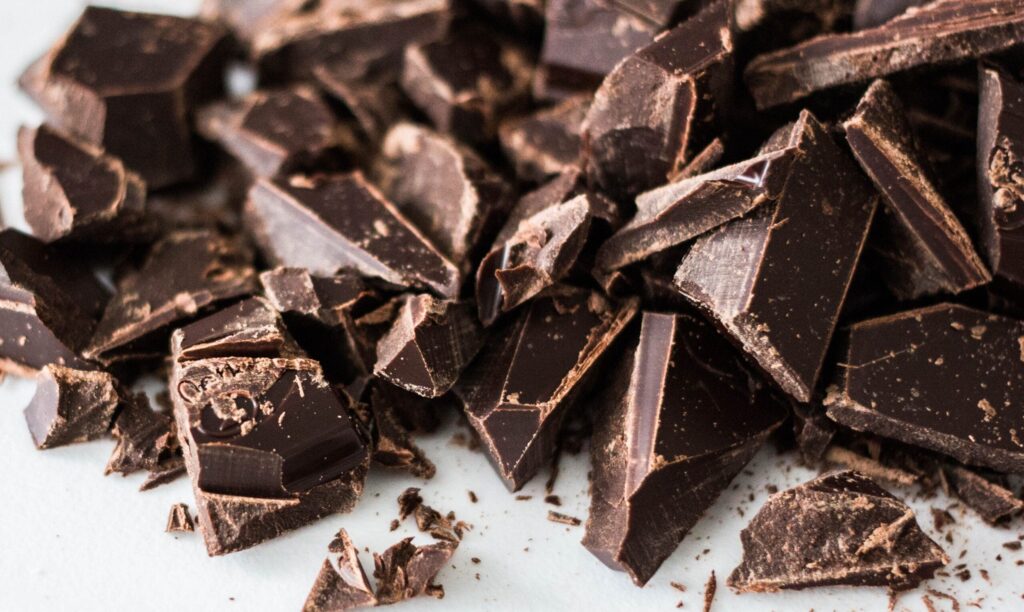
Unsweetened cocoa powder is often the most practical choice because it can be added to oatmeal, smoothies, chili, yogurt, or homemade snacks without turning the meal into dessert. A small portion of dark chocolate can also fit into a healthy diet, but the label matters. More cocoa does not automatically mean the product is low in sugar or calories.
Cocoa also contains stimulants, including small amounts of caffeine and theobromine. People who are sensitive to stimulants may prefer it earlier in the day.
5. Golden Kiwifruit
Green kiwifruit is familiar to many people, but golden kiwifruit is less common and has a sweeter taste, yellow flesh, and high vitamin C content. It also provides fiber and several plant compounds that may contribute to its metabolic effects.
A study in overweight and obese young adults found beneficial changes after golden kiwifruit consumption, although nutritional effects differ between individuals and should not be overstated. Kiwifruit research has also examined digestion, vitamin C status, and antioxidant capacity. These outcomes matter because a nutritious fruit can support broader dietary quality even when it does not produce a dramatic reduction in a single inflammatory marker.
Golden kiwifruit is especially easy to use as a snack, in yogurt, or alongside breakfast. Eating the fruit rather than relying on juice preserves its fiber. The small black seeds are edible, and the peel can be eaten if washed well, although many people prefer to remove it.
People with kiwifruit allergy should avoid it. Kiwifruit can also interact with individual digestive sensitivities, so starting with a normal serving is sensible.
6. Black Garlic
Black garlic is ordinary garlic that has been aged under controlled heat and humidity until it becomes dark, soft, and sweet. It has a milder flavor than raw garlic, with notes similar to balsamic vinegar, tamarind, and molasses. It can be spread on toast, blended into salad dressing, or stirred into sauces.
The aging process changes garlic’s chemical profile. Black garlic contains organosulfur compounds and other antioxidant compounds that have attracted research interest. Human studies have examined black garlic in relation to endothelial function, lipid profiles, and cardiovascular risk factors. The findings are promising in some groups, but studies are often small and do not justify broad disease treatment claims.
Black garlic is worth using because it is flavorful and may help people use less salt or heavy sauces. Its potential health value is best understood as one small contribution within a diet rich in varied plant foods. It should not be viewed as a substitute for prescribed medication or clinical care for high cholesterol, hypertension, or cardiovascular disease.
Garlic products can affect people differently. Individuals using anticoagulant medication, preparing for surgery, or managing a medical condition should discuss concentrated garlic supplements with a clinician. Using normal culinary amounts in food is a different situation from taking high dose extracts.
7. Seaweed
Seaweed is common in Japanese, Korean, and other coastal cuisines but remains unusual in many Western kitchens. Nori sheets, wakame, kombu, dulse, and sea lettuce are all edible sea vegetables with different textures and nutrient profiles.
Seaweed contains fiber, minerals, and compounds such as carotenoids and sulfated polysaccharides. Human research on seaweed is still developing. Some trials have investigated seaweed extracts and measured changes in antioxidant or inflammatory biomarkers, but evidence from whole food seaweed intake remains more limited than the evidence for broader dietary patterns.
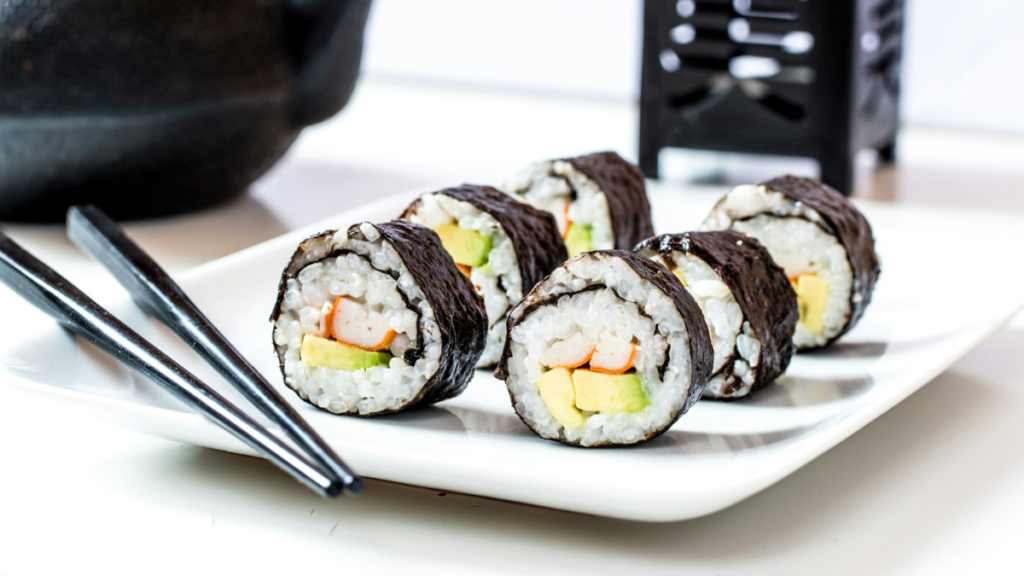
That limitation is important. A study using a concentrated extract does not automatically prove that a standard serving of seaweed salad will lower inflammation. Nevertheless, seaweed can add variety to meals and provide nutrients that are difficult to obtain from many land vegetables.
Nori is one of the easiest entry points. Use it as a wrap for rice, salmon, tofu, or vegetables. Wakame works in soups and salads, while dulse can be crumbled over potatoes or roasted vegetables. Check product labels for sodium and iodine content, particularly if you eat seaweed often.
Iodine is essential for thyroid hormone production, but excessive intake can be problematic for some people. People with thyroid disease should seek individualized advice before regularly consuming large amounts of seaweed or seaweed supplements.
Why Variety Matters More Than One “Anti Inflammatory” Food
The strongest nutrition evidence generally supports food patterns rather than single superfoods. A diverse diet provides many compounds that work through different mechanisms. Fiber supports the gut microbiome. Polyphenol rich foods contribute plant chemicals with biological activity. Protein supports recovery and tissue maintenance. Unsaturated fats can replace less favorable sources of saturated fat. Fermented foods may influence microbial diversity and immune markers.
This is also why adding one unusual food while leaving the rest of the diet unchanged may produce little noticeable difference. Tart cherries cannot offset a diet built mostly around heavily processed foods. Seaweed cannot compensate for chronic sleep deprivation. Black garlic does not replace movement, medication, or medical treatment.
A more useful strategy is to choose one or two foods from this list and make them easy to eat regularly. Add tart cherries to breakfast, use shiitake mushrooms in dinner, include a fermented vegetable with lunch, or keep cocoa powder in the pantry. Habits matter more than novelty.
A Note on Medical Conditions and Supplements
Chronic inflammation can be part of serious health conditions. If you have persistent joint swelling, unexplained fatigue, digestive symptoms, recurrent fever, unexplained weight loss, chest pain, or other concerning symptoms, food should not be the only response. Seek medical advice.
Whole foods are generally a better starting point than supplements because they provide a package of nutrients, fiber, flavor, and texture. Supplements can be useful in specific clinical situations, but they can also deliver doses that are far removed from normal food intake. This is especially relevant for garlic extracts, seaweed products, concentrated cherry supplements, and high dose cocoa flavanol products.
Key Takeaways
| Food | Why it is worth considering | Practical use |
|---|---|---|
| Tart cherries | Human studies suggest possible benefits for selected inflammation and recovery markers. | Add frozen cherries to yogurt, oatmeal, or smoothies. |
| Fermented vegetables | A controlled trial found a fermented food diet increased microbial diversity and reduced several inflammatory markers. | Use small servings of kimchi, sauerkraut, or fermented pickles. |
| Shiitake mushrooms | Human research found changes in measures of immune function after daily intake. | Add cooked shiitakes to soups, stir fries, and sauces. |
| Cocoa powder | Cocoa flavanols have been studied in randomized trials, with mixed but promising findings for inflammation related outcomes. | Use unsweetened cocoa powder in oatmeal or yogurt. |
| Golden kiwifruit | It provides fiber and vitamin C, with human research suggesting potential metabolic benefits. | Eat whole as a snack or add to breakfast. |
| Black garlic | Human studies have examined cardiovascular related outcomes, but evidence remains preliminary. | Blend into dressings, sauces, and vegetable dishes. |
| Seaweed | It adds fiber and minerals, although whole food evidence for inflammation is still limited. | Use nori, wakame, or dulse in moderate portions. |
References
- Chai, S.C., Davis, K., Zhang, Z., Zha, L. and Kirschner, K.F. (2018) ‘Effects of tart cherry juice on biomarkers of inflammation and oxidative stress in older adults’, Nutrients, 10(11), 1755.
- Dai, X., Stanilka, J.M., Rowe, C.A., Esteves, E.A., Nieves, C., Spaiser, S.J., Christman, M.C. and Percival, S.S. (2015) ‘Consuming Lentinula edodes mushrooms daily improves human immunity: a randomized dietary intervention in healthy young adults’, Journal of the American College of Nutrition, 34(1), pp. 28 to 36.
- Davinelli, S., Sacco, A., Renzo, L., Bossi, P., Gualtieri, P., Gratteri, S., Ferri, C. and Scapagnini, G. (2016) ‘Impact of cocoa consumption on inflammation processes: a critical review of randomized controlled trials’, Nutrients, 8(6), 321.
- Hunter, D.C., Skinner, M.A., Wolber, F.M., Booth, C.L., Loh, J.M.S., Wohlers, M., Stevenson, L.M., Kruger, M.C. and Skinner, M.A. (2012) ‘Consumption of gold kiwifruit reduces severity and duration of selected upper respiratory tract infection symptoms and increases plasma vitamin C concentration in healthy older adults’, British Journal of Nutrition, 108(7), pp. 1235 to 1245.
- Kim, I., Jeong, H.S., Kang, J.H., Lim, H.K., Lee, J.M., Kim, H.D. and Kim, S.H. (2023) ‘Effect of black garlic consumption on endothelial function and lipid profile: a before and after study in hypercholesterolemic and non hypercholesterolemic subjects’, Nutrients, 15(15), 3361.
- Wastyk, H.C., Fragiadakis, G.K., Perelman, D., Dahan, D., Merrill, B.D., Yu, F.B., Topf, M., Gonzalez, C.G., Van Treuren, W., Han, S., Robinson, J.L., Elias, J.E., Sonnenburg, E.D., Gardner, C.D. and Sonnenburg, J.L. (2021) ‘Gut microbiota targeted diets modulate human immune status’, Cell, 184(16), pp. 4137 to 4153.
- Yu, X., Pu, H. and Voss, M. (2024) ‘Overview of anti inflammatory diets and their promising effects on non communicable diseases’, British Journal of Nutrition, 132, pp. 1 to 21.