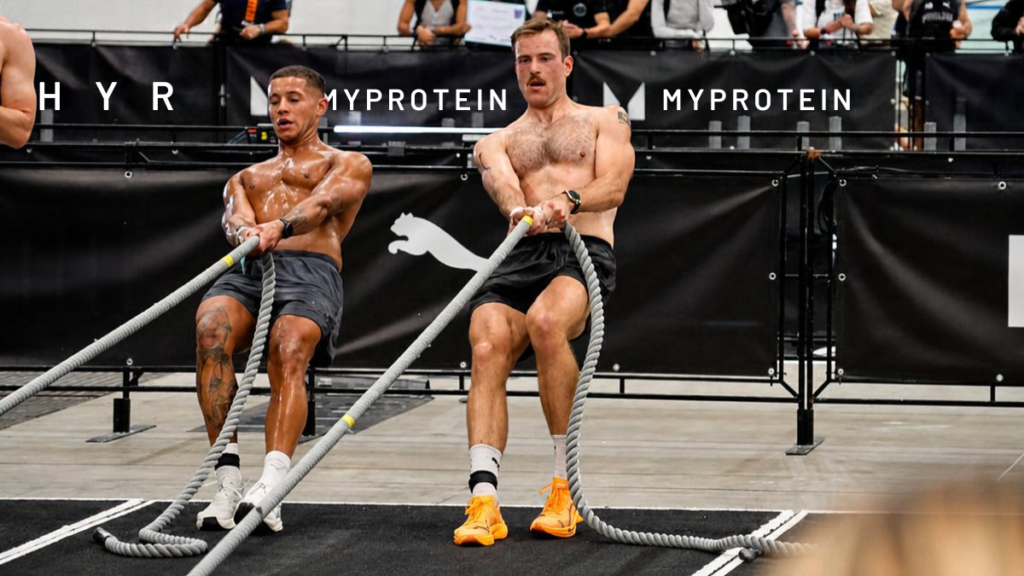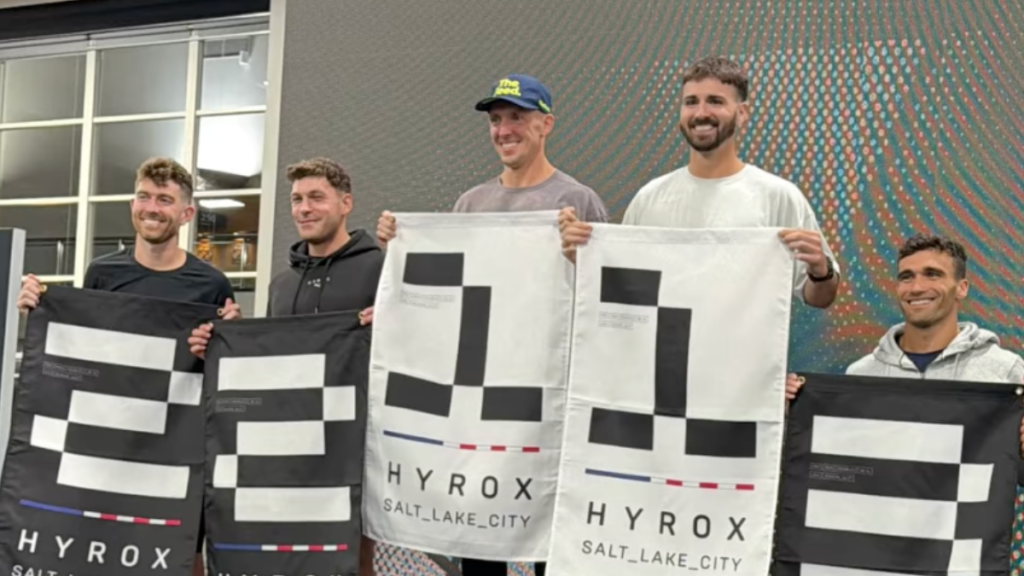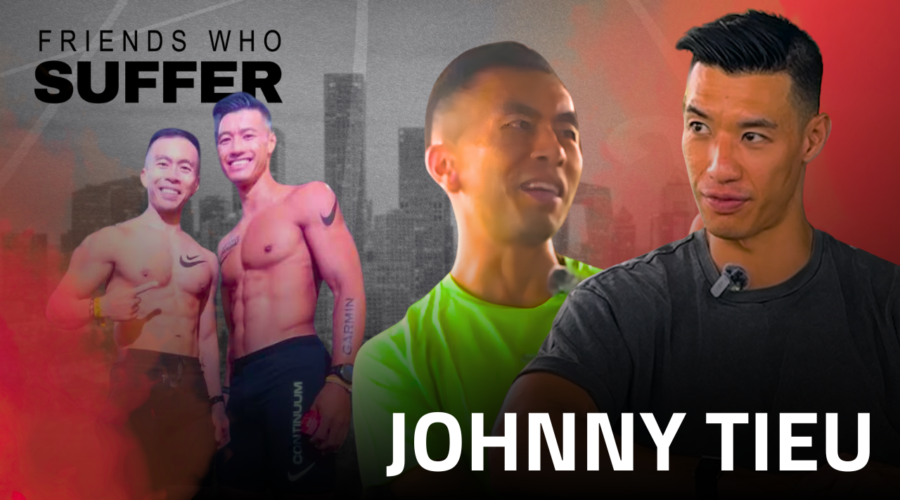


In the latest episode of the Friends Who Suffer Podcast on The BOXROX Network, Nat Tan sits down with athlete, coach and HYROX business consultant Johnny Tieu in Chengdu, China. Together, they explore what the sport looks like across China, Indonesia and the wider Asian region, and ask a bigger question, could Asia be the future of HYROX?
From booming race entries and rapidly developing athletes to prize money, spectators and the arrival of new fitness-racing formats, this episode looks beyond the race floor at what is driving HYROX’s expansion.


China’s HYROX Scene is Developing Fast
Tieu has watched HYROX evolve in Asia from it’s beginning and was among the early international athletes to race in Beijing when HYROX arrived in China in 2024. He has since returned for multiple events across the country.
He describes that first Beijing race as a period of discovery. The event had quality, enthusiasm and fresh faces, but the depth of competition and understanding of the format were still developing. Fast forward two years, and the shift is noticeable. Athletes are investing in their training, the standard is rising and the sport has found a much broader audience.
For Tieu, HYROX’s appeal lies partly in its ability to connect training communities that might otherwise stay separate. Runners, strength athletes, CrossFitters and general fitness enthusiasts can all find a place on the start line. In a market where fitness disciplines have often operated in their own lanes, HYROX offers a shared challenge.
Indonesia Shows the Power of Community
The conversation also compares China’s early HYROX journey with the first event in Jakarta, Indonesia.
While Beijing’s debut featured around 1,800 competitors, Tieu says Jakarta’s first event attracted approximately 12,000 racers. The difference, he explains, reflects both HYROX’s wider global growth and the fact that athletes in Southeast Asia already knew the format through races in places such as Singapore and Thailand.
Spectator tickets sold out in advance, and Tieu saw friends and families turn the race weekend into a collective event. That community element, he suggests, is a major strength of the Indonesian scene.
China’s spectator culture is growing too, although venue capacities and local regulations can limit the number of tickets available. Celebrity participation has also helped bring new attention to races, adding another route for the sport to reach beyond its core fitness audience.
Different Cultures with a Shared Competitive Drive
Every new HYROX country faces the familiar challenges of educating the athletes, judges, staff and spectators. HYROX as an organization must deliver clear information and help local training communities understand the rules and demands of the race. But each market adapts in its own way.
Tieu sees China as especially performance-focused. Athletes want to improve, win and reach the podium, and the country’s growing standard reflects that ambition. In Indonesia, he sees a more community-led entry point, where many athletes are motivated by the experience, self-improvement and sharing the day with others.
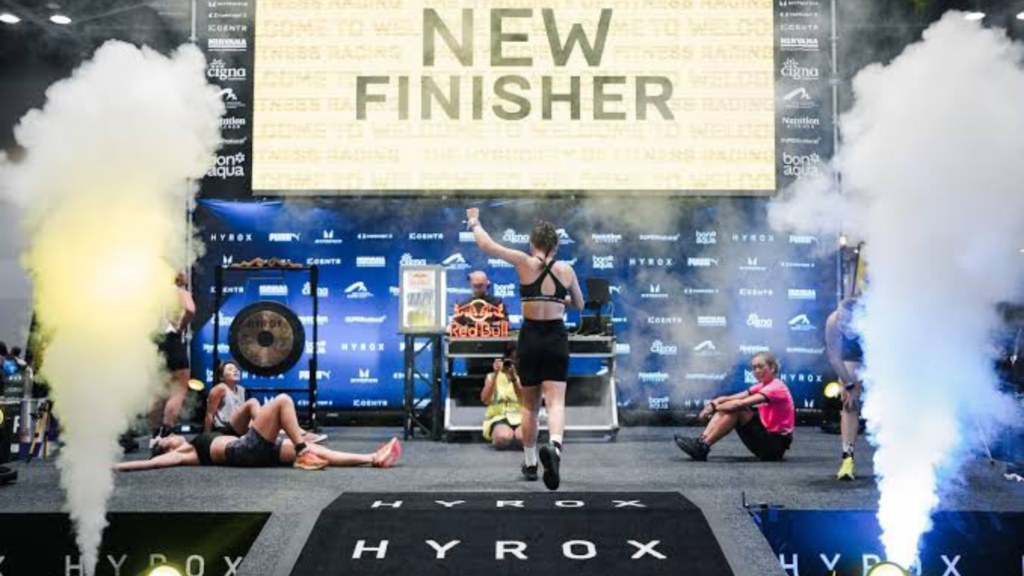
Neither approach is better, they simply show the many ways people connect with fitness racing. Across every region, Tieu believes the common thread is the desire to test yourself, train with purpose and find a personal reason to compete.
Can Prize Money Raise the Level?
One of the most revealing parts of the episode is the discussion around prize money.
In China, local podiums come with meaningful financial rewards, sponsorship opportunities and brand support. Tieu believes this is a big motivator for athletes to train at a higher level. At the same time, in the interview the pair discuss the potential downside of a prize money. If athletes are only there for the payouts, what happens when the money disappears, or when the next big fitness-racing format arrives?
Tieu’s answer is pragmatic, external rewards can be valuable, but long-term participation comes back to an athlete’s “why.” The people who truly enjoy the training process and the sport itself are more likely to stay.
Competition Can be Good for HYROX
New fitness-racing brands are already attracting attention in Asia, but Tieu does not see that as a threat that HYROX should fear.
Competition can create more events, more tests and more reasons for people to train. HYROX retains an important advantage through its accessibility: the movement patterns are challenging but approachable enough that a wide range of athletes can take part. That lower barrier to entry is a huge part of its global appeal. As Asian race calendars expand, athletes improve and brands invest more heavily in the space, the region is becoming impossible to ignore.
Is Asia the future of HYROX? It may be too early to give a definitive answer, but after listening to Johnny Tieu, it is clear that Asia is already helping shape what the future of the sport looks like.
Listen to the full episode of the Friends Who Suffer Podcast on The BOXROX Network for the complete conversation with Johnny Tieu.