


Protein usually gets all the attention when the conversation turns to building and maintaining muscle. While protein is undeniably essential, it is only one piece of a much larger picture. Muscle health depends on a wide range of nutrients that work together to fuel movement, repair damaged tissue, reduce inflammation, support energy production, and keep muscle cells functioning properly.
This becomes even more important with age. Beginning around the fourth decade of life, adults naturally begin losing muscle mass and strength in a process known as sarcopenia. Without the right nutrition and regular resistance exercise, this gradual decline accelerates over time, increasing the risk of falls, frailty, loss of independence, and chronic disease.


Experts from Harvard Health emphasize that preventing muscle loss requires more than simply increasing protein intake. Several other nutrients play equally important roles in preserving muscle function, improving recovery, and maintaining strength throughout life.
Here are six science backed nutrients that deserve far more attention.
Why Muscle Loss Happens
Muscle tissue is constantly being broken down and rebuilt. In younger adults, these two processes generally stay in balance. As people age, however, the body becomes less efficient at building new muscle proteins. Hormonal changes, lower physical activity levels, chronic inflammation, illness, reduced appetite, and nutrient deficiencies all contribute to muscle loss.
5 Perfect Exercises for Every Beginner that Wants Stronger Shoulders
Exercise remains the most effective strategy for maintaining muscle. Resistance training provides the stimulus that tells the body to preserve and build lean tissue. Nutrition supplies the raw materials and energy needed for that process. When important nutrients are missing, muscle repair slows, recovery suffers, and strength gradually declines.
Many people focus almost entirely on protein while overlooking the nutrients that allow muscles to function efficiently in the first place.
1. Carbohydrates Fuel Muscle and Prevent Muscle Breakdown
Carbohydrates are often misunderstood, especially in an era when low carbohydrate diets remain popular. However, they are the body’s preferred source of energy and play a direct role in protecting muscle tissue.

When you eat carbohydrates, they are stored inside muscles as glycogen. During exercise, glycogen becomes the primary fuel source for working muscles. If glycogen stores become depleted because carbohydrate intake is too low, the body begins searching for alternative fuel sources. One of those sources is amino acids released from muscle tissue.
This means inadequate carbohydrate intake may indirectly increase muscle breakdown, particularly during prolonged or intense exercise. Carbohydrates also stimulate insulin release. While insulin is commonly associated with blood sugar control, it is also an important anabolic hormone that helps reduce muscle protein breakdown after meals.
The quality of carbohydrates matters just as much as quantity. Whole grains, legumes, fruits, vegetables, and minimally processed carbohydrate sources provide fiber, vitamins, minerals, and antioxidants that support recovery while maintaining stable energy levels. Highly processed carbohydrates packed with added sugar provide calories but contribute far less nutritional value for muscle health.
For active adults and older individuals, consuming adequate carbohydrates alongside protein helps maximize recovery after exercise while reducing unnecessary muscle breakdown.
2. Magnesium Keeps Muscles Working Properly
Magnesium participates in more than 300 biochemical reactions throughout the body, making it one of the most important minerals for overall health. For muscles, magnesium is indispensable.
Every muscle contraction requires magnesium to regulate communication between nerves and muscle fibers. It also allows muscles to relax after contracting, preventing abnormal muscle tightness and cramping.
Magnesium also contributes to energy production inside cells by helping convert food into usable energy. Without adequate magnesium, muscle performance and recovery may suffer.

Another important role involves protein synthesis. Muscle cannot grow or repair itself efficiently without the cellular machinery that magnesium helps activate.
Researchers are increasingly recognizing magnesium’s relationship with sarcopenia. A large study published in 2022 found that people with higher magnesium intake were significantly less likely to experience age related muscle loss.
Unfortunately, magnesium deficiency becomes more common with age. Reduced food intake, digestive changes, medication use, and decreased absorption all increase the likelihood that older adults consume less magnesium than they need.
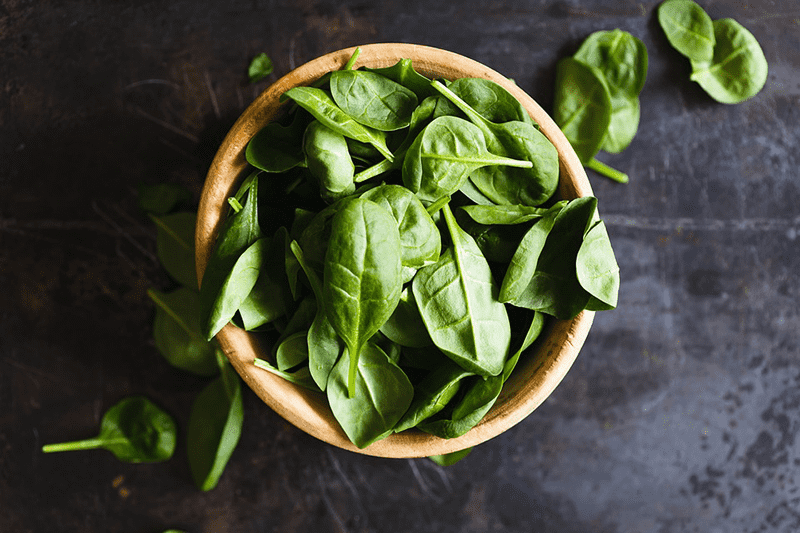
Excellent dietary sources include spinach, Swiss chard, pumpkin seeds, almonds, black beans, lentils, quinoa, oats, and other whole grains. Meeting magnesium requirements through food supports muscle performance while also benefiting heart health, blood sugar regulation, and bone strength.
3. Iron Delivers Oxygen That Muscles Need
Iron is often discussed in relation to anemia, but its importance extends far beyond red blood cells.
Muscles require a continuous supply of oxygen to produce energy efficiently. Iron helps transport oxygen throughout the body by supporting the production of hemoglobin in red blood cells. It also supports myoglobin, a protein found inside muscle tissue that stores oxygen and delivers it directly to working muscle fibers.
Without adequate iron, muscles simply cannot generate energy as efficiently. Low iron levels may lead to fatigue, weakness, reduced exercise performance, slower recovery, and decreased physical capacity.
Iron deficiency becomes increasingly common in older adults because of digestive disorders, medication use, reduced absorption, chronic disease, and occasional internal bleeding from gastrointestinal conditions.
Research involving hospitalized older adults found that iron deficiency itself independently increased the risk of reduced muscle strength, even after accounting for normal aging. Iron rich foods include lean beef, poultry, seafood, tofu, lentils, beans, fortified breakfast cereals, and dark leafy vegetables.
Vitamin C rich foods such as citrus fruits, strawberries, bell peppers, and broccoli can improve absorption of iron from plant foods, making them valuable additions to meals. Maintaining healthy iron levels supports endurance, strength, and muscle performance by ensuring oxygen reaches every working muscle cell.
4. Omega 3 Fatty Acids Help Muscles Recover and Grow
Omega 3 fatty acids have earned widespread recognition for protecting cardiovascular health, but they also offer impressive benefits for skeletal muscle.
One of the major drivers of muscle loss during aging is chronic low grade inflammation. Even when inflammation remains relatively mild, it gradually interferes with the body’s ability to repair and maintain muscle tissue. Omega 3 fatty acids help reduce inflammatory signaling throughout the body, creating a more favorable environment for muscle maintenance.
Research also suggests omega 3 fats may improve muscle protein synthesis, allowing muscles to respond more effectively to exercise and dietary protein. A study published in 2021 demonstrated that middle aged and older adults who consumed two servings of fish per week significantly improved muscle mass, grip strength, and walking speed after only two months.

These improvements highlight the value of obtaining omega 3 fats through regular dietary intake rather than relying solely on supplements.
The richest food sources include salmon, sardines, mackerel, trout, herring, walnuts, flaxseeds, chia seeds, and certain algae based foods. Including fatty fish in meals several times each week supports muscle health while also reducing cardiovascular disease risk and supporting brain function.
5. Vitamin D Supports Strength, Balance, and Muscle Function
Vitamin D is traditionally associated with bone health, but research has revealed that it plays equally important roles inside muscle tissue. Muscle cells contain vitamin D receptors that influence muscle growth, repair, and contraction.
Low vitamin D status has consistently been linked with weaker muscles, slower walking speed, impaired balance, and a greater likelihood of falls. Vitamin D also helps the body absorb calcium, another mineral required for normal muscle contraction.
Unfortunately, vitamin D deficiency becomes increasingly common with age. Older skin produces less vitamin D after sunlight exposure, and many people spend less time outdoors than previous generations. Although sunlight remains an important source, diet also contributes. Fatty fish, fortified dairy products, fortified plant based milk, egg yolks, and supplements can all help maintain healthy vitamin D levels. Numerous clinical studies have found that correcting vitamin D deficiency improves muscle strength and balance, particularly in older adults who begin with inadequate levels.
For individuals at risk of deficiency, healthcare providers may recommend blood testing to determine whether supplementation is appropriate. Maintaining healthy vitamin D status supports stronger muscles while also promoting healthier bones, reducing fracture risk if falls occur.
6. Water May Be the Most Overlooked Muscle Nutrient
Water rarely appears on lists of muscle building nutrients, yet it may be one of the most important. Roughly three quarters of muscle tissue consists of water. Every aspect of muscle function depends on adequate hydration.
Water helps transport nutrients into muscle cells, removes waste products, regulates body temperature, supports circulation, and allows muscles to contract efficiently during physical activity. Even mild dehydration can reduce exercise performance, increase fatigue, impair recovery, and negatively affect muscle function.

Older adults face an especially high risk because the sensation of thirst naturally decreases with age. Many people simply do not recognize when they are becoming dehydrated.
A 2023 study involving 190 older adults found that dehydration was significantly associated with greater muscle protein breakdown, suggesting that inadequate fluid intake may directly accelerate muscle loss.
Daily hydration needs vary depending on climate, body size, physical activity, and medical conditions. Harvard Health experts recommend aiming for approximately four to six cups of water daily as a general guideline while also consuming fluids from foods and beverages throughout the day. Drinking regularly throughout the day rather than waiting until thirst develops may help older adults maintain better hydration and support healthier muscles.
Nutrition Works Best Alongside Exercise
No nutrient can completely prevent muscle loss without physical activity. Resistance training remains the most effective intervention for preserving lean muscle mass during aging. Exercises using free weights, resistance bands, body weight, or weight machines stimulate muscle protein synthesis and encourage the body to retain muscle tissue.
Nutrition provides the materials needed to respond to that stimulus. Combining adequate protein with sufficient carbohydrates, magnesium, iron, omega 3 fatty acids, vitamin D, and proper hydration creates an environment where muscles can recover efficiently and remain stronger for longer.

Sleep also deserves attention because muscle repair occurs primarily during overnight recovery. Chronic sleep deprivation increases inflammation and reduces the body’s ability to build new muscle proteins.
Healthy aging depends on combining regular exercise, balanced nutrition, adequate hydration, quality sleep, and management of chronic medical conditions.
The Bottom Line
Protein remains essential for building and maintaining muscle, but it is far from the only nutrient that matters. Muscles require energy from carbohydrates, oxygen delivered through iron, proper contraction supported by magnesium, reduced inflammation from omega 3 fatty acids, healthy vitamin D levels, and adequate hydration to function at their best.
Together, these nutrients help preserve strength, improve recovery, and reduce the risk of sarcopenia as people age.
Rather than focusing on a single nutrient, the strongest evidence supports eating a varied diet built around whole foods while staying physically active throughout life. That comprehensive approach gives muscles everything they need to remain healthy, resilient, and capable for years to come.
Key Takeaways
| Nutrient | Primary Role for Muscle Health | Best Food Sources |
|---|---|---|
| Carbohydrates | Replenish glycogen and reduce muscle breakdown | Whole grains, fruit, vegetables, legumes |
| Magnesium | Supports muscle contraction, relaxation, protein synthesis, and recovery | Leafy greens, nuts, seeds, beans, whole grains |
| Iron | Delivers oxygen to muscles and supports energy production | Lean meat, poultry, seafood, lentils, tofu, fortified cereals |
| Omega 3 fatty acids | Reduce inflammation and support muscle protein synthesis | Salmon, sardines, mackerel, walnuts, flaxseeds |
| Vitamin D | Improves muscle function, strength, and balance | Fatty fish, fortified dairy, egg yolks, supplements when needed |
| Water | Maintains muscle function and helps reduce muscle protein breakdown | Water, hydrating foods, and other fluids consumed throughout the day |
References
- Beaudart, C., Dawson, A., Shaw, S.C., Harvey, N.C., Kanis, J.A., Binkley, N., Reginster, J.Y., Chapurlat, R., Chan, D.C., Bruyère, O. and Cooper, C. (2017) ‘Nutrition and physical activity in the prevention and treatment of sarcopenia: Systematic review’, Osteoporosis International, 28(6), pp. 1817 to 1833.
- Cruz Jentoft, A.J., Bahat, G., Bauer, J., Boirie, Y., Bruyère, O., Cederholm, T., Cooper, C., Landi, F., Rolland, Y., Sayer, A.A. and Schneider, S.M. (2019) ‘Sarcopenia: Revised European consensus on definition and diagnosis’, Age and Ageing, 48(1), pp. 16 to 31.
- Dominguez, L.J., Veronese, N., Barbagallo, M. (2022) ‘Magnesium and muscle health in older adults: Emerging evidence for prevention of sarcopenia’, Nutrients, 14(23).
- Liao, C.D., Tsauo, J.Y., Wu, Y.T., Cheng, C.P., Chen, H.C., Huang, Y.C. and Liou, T.H. (2021) ‘Association of fish consumption with improvements in muscle mass, grip strength, and gait performance in middle aged and older adults’, Nutrients, 13(9).
- Rondanelli, M., Klersy, C., Terracol, G., Talluri, J., Maugeri, R., Guido, D., Faliva, M.A., Solerte, S.B. and Perna, S. (2021) ‘Whey protein, amino acids, and vitamin D supplementation for the treatment of sarcopenia’, Nutrients, 13(7).
- Welch, A.A., Skinner, J. and Hickson, M. (2017) ‘Dietary magnesium may protect against sarcopenia in older adults’, Nutrients, 9(11).
- Wu, P.Y., Huang, K.S., Chen, K.M., Chou, C.P. and Tu, Y.K. (2023) ‘Dehydration is associated with increased muscle protein breakdown and sarcopenia risk in older adults’, Clinical Nutrition, 42(8).
- World Health Organization. (2023) Healthy diet. Geneva: World Health Organization.