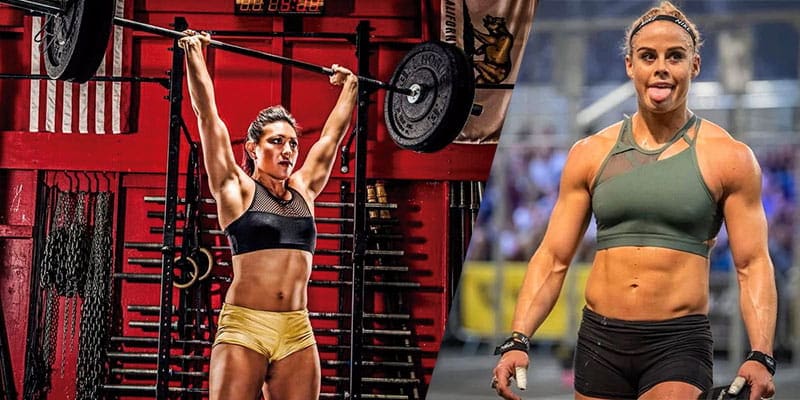


Strength training for women has a huge range of benefits from long term health improvements such as lowering the risk of osteoporosis and reducing high blood pressure, right through to burning fat and enhancing longevity.
Before you start working strength training into your programming and workouts, it is important to think about why you are doing it, and what your goals are. There are no wrong answers here. Maybe you want to get stronger for your chosen sport, lose fat, get more toned, look better, improve your confidence, build muscle, alleviate stress or any other reason (or a combination of different reasons).


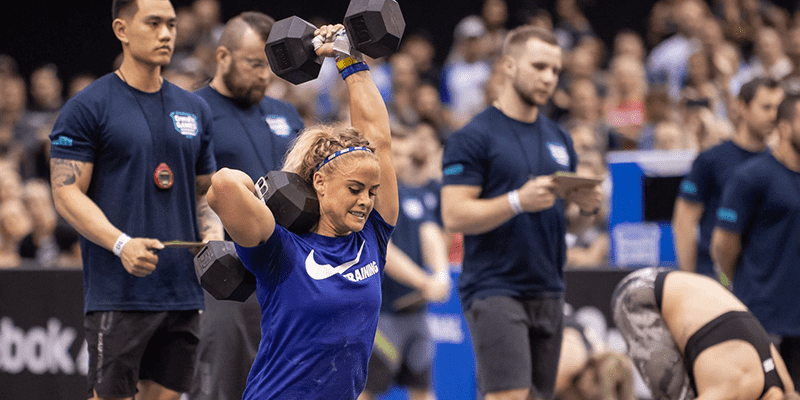
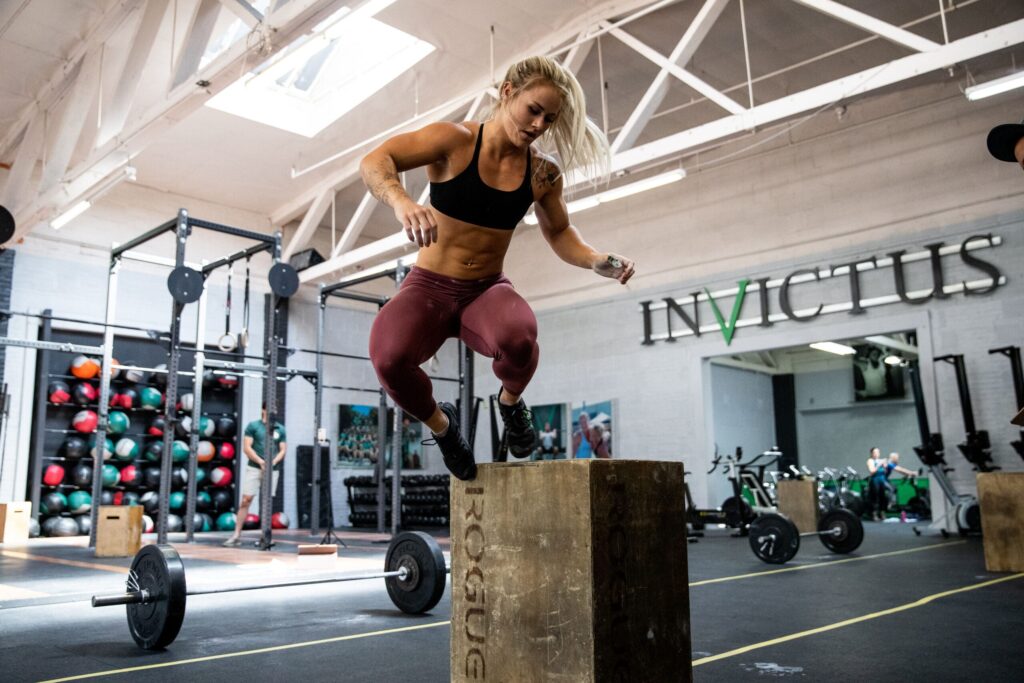
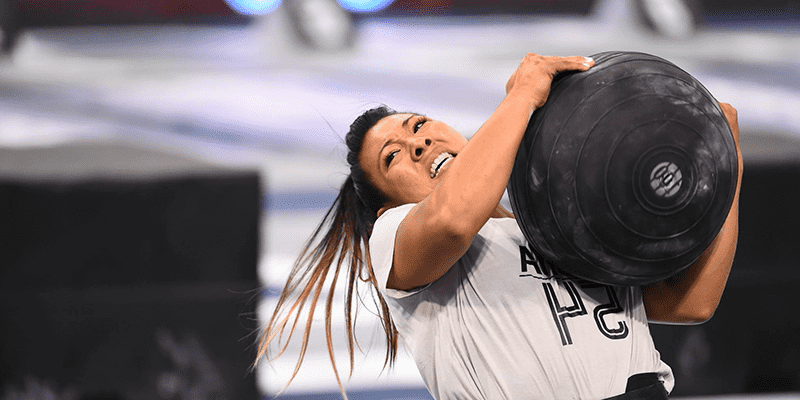
Sara Sigmundsdottir working hard
Whatever your motivation, you must hold onto it because strength training is hard, which is why it works, and this will help you see each session through to the end and stay on track.
THE BENEFITS OF STRENGTH TRAINING
The benefits of strength training for the human body and psyche are numerous. Here are 15 to start you off.
1 Burns fat
Building muscle actually helps to more effectively burn calories. Did you know that muscle burns three times the amount of calories that fat burns?! The more muscle tone you have, the higher your metabolism will become.
In a 2014 study published in the research journal Obesity, Harvard researchers followed 10,500 men over the course of 12 years and found that strength training is more effective at preventing increases in abdominal fat than cardiovascular exercise.
“When people incorporate strength training into their exercise routine, they not only burn calories, but increase lean muscle mass, which stimulates the metabolism,” Rebold says. Muscle mass is a major determiner of basal metabolic rate, or the number of calories the body burns per day to sustain physiologic functions.
2 Boosted brain health
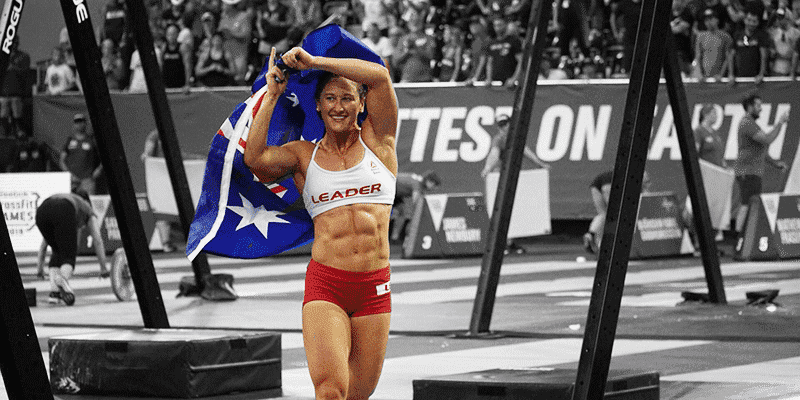
Strength training can improve brain power across a lifetime, but the effects are perhaps the strongest in older adults suffering from cognitive decline. In one 2016 study in the Journal of American Geriatrics, when men and women ages 55 through 86 with mild impairment performed twice-weekly weight training for six months, they significantly improved their scores on cognitive tests. However, when participants spent their workouts stretching, their cognitive test scores declined.
The key might be getting the blood flowing, Rebold says, noting that high-intensity strength training increases the flow of blood, oxygen and other nutrients to the brain. In the study, adults lifted 80 percent of their 1RM, or the maximum amount of weight they could lift for one rep. That roughly equates to the amount of weight they could lift for eight reps without breaking form.
3 Reduces the risk of osteoporosis by building bone mass
Strength training is effective in increasing bone density and strengthening tendons and ligaments. Developing strong bones reduces the risk of developing osteoporosis and decreases the risk of bone fractures.
Strong bodies have strong bones, with strength training significantly increasing bone mineral density, Rivadeneyra says. He explains that any weight-bearing exercise in which you’re standing and gravity is pulling down on your body lightly stresses and strengthens the bones and muscles. Plus, every time a muscle contracts, it pulls on the bones it’s attached to, which stimulates the cells within the bone to produce structural proteins and move minerals into the bone, he says.
So, for the greatest results, prioritize standing weight-bearing, strength training moves such as squats and lunges. In a 2014 Journal of Family and Community Medicine study, just 12 weeks of strength training with squats increased lower spine and femur (thigh) bone mineral density by 2.9 and 4.9 percent, respectively.

Elizabeth Akinwale
4 Lowers risk of cardiovascular disease by strengthening your heart
studies suggest that strength training also directly impacts the heart. For example, 2013 research in the Journal of Applied Physiology demonstrates that young men who regularly strength train have better-functioning HDL, or good cholesterol, compared with those who never pump iron. Rebold explains that strength training improves blood pressure and triglyceride levels similarly to cardiovascular exercise, but it has even greater benefits on HDL. And 2015 research published in The Lancet medical journal shows that grip strength (a marker for total-body muscle health) more accurately predicts death from heart disease than blood pressure does.
5 Lowers the risk of breast cancer by reducing the high estrogen levels linked to the disease
Visceral fat not only increases the risk of heart disease and diabetes, but it can also promote cancer development. Research from the journal Oncogene published in 2017 show that visceral fat cells produce high levels of a cancer-triggering protein called fibroblast growth factor-2, or FGF2.
And according to 2017 research published in Therapeutic Advances in Medical Oncology, muscle mass is a strong predictor of cancer treatment outcomes. Muscle wasting is a common complication of cancer treatment and is associated with a higher risk of chemotherapy toxicity, faster tumor progression and lower survival rates.
6 Reduces the risk of diabetes
“Resistance training is something we want anyone with Type 2 diabetes to incorporate into their routine,” Rebold says. He explains that a 2013 review published in the journal BioMed Research International shows that, in addition to building muscle, strength training also improves the muscle’s ability to take in and use glucose, or blood sugar.
“In your muscle cells, you have these transporters that pick up glucose from the blood and deliver it to the muscle cells,” Rebold says. “Strength training improves their functioning to pick up a lot more glucose from the blood and into muscle, thereby decreasing blood sugar levels.”
Lowers LDL Low Density Cholesterol (bad cholesterol) and increases HDL High Density Lipoprotein (good cholesterol).
7 Reduces the likelihood of injury
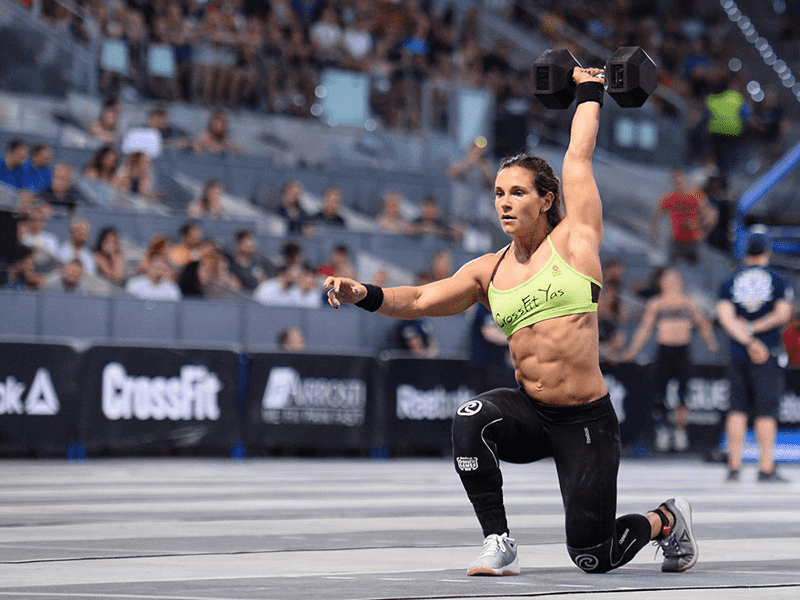
Improving muscle strength decreases the risk of falling and other related injuries. Developing strong bones and muscles can help to reduce the severity of falls. Increased strength will also allow your body to be more resistant to injuries, and general aches and pains.
“Having a good muscle base is important for all movement, balance, coordination and injury prevention,” explains Dr. Adam Rivadeneyra, a sports medicine physician with Hoag Orthopedic Institute in Irvine, California. “If a muscle is too weak, it puts more stress on its connecting tendon and can result in tendonitis.”
Plus, strength training also increases the number and diameter of collagen fibrils in tendons to increase their strength and help prevent injury, according to a 2015 review published in the International Journal of Sports Physical Therapy, a publication of the International Federation of Sports Physical Therapy.
8 Improves posture, mobility and flexibility
It’s time to rethink your stretching routine. Results from a 2017 study in the journal Isokinetics and Exercise Science show that strength training improves flexibility in both men and women. A previous 2006 North American Journal of Sports Physical Therapy study suggests that eccentric strength exercises may provide the biggest benefit, improving hamstring flexibility twice as well as static stretching. Eccentric exercises are any that emphasize muscle lengthening, rather than shortening. Example exercises might include the lowering phase of a squat or raising the bar during a lat pull-down, Rivadeneyra says.
However, even more important to overall function, fitness and quality of life is mobility, he says. By taking your joints through their full range of motion during strength exercises, you can increase that range of motion over time, he explains.
Jamie-Hagiya
9 Elevated body image
Sure, exercise impacts body composition and physique, but research, including a 2015 Journal of Extension study of middle-aged and older women, shows that consistent strength training improves body image and perceived physical appearance – no matter the actual aesthetic results.
Improvements in mental health and energy levels, as well as feelings of accomplishment, are the likely catalysts for improved overall body image, according to researchers.
10 Improves emotional resilience, makes you more able to cope with everyday problems
Runner’s high gets a lot of hype, but strength training also improves symptoms of clinical depression and anxiety. Exercise-triggered endorphins play a role, but strength training also provides an opportunity to overcome obstacles in a controlled, predictable environment, increasing mental resiliency, according to findings from Harvard Medical School.
For the greatest anti-anxiety effects, a 2014 review published in the journal Frontiers in Psychology shows that using low to moderate weights that are lighter than 70 percent of what you can lift for one rep has the greatest effects on anxiety.
11 Makes you look younger and live longer
The aging process causes cells to deteriorate and consequently, they need more time to repair themselves. Building muscle has the useful effect of slowing this process, allowing you to feel and look younger for as long as you keep lifting!
One of strength training’s many benefits include a longer life. The 2015 study in The Lancet found that grip strength accurately predicts death from any cause and, according to a 2017 Current Opinion in Clinical Nutrition & Metabolic Care study, compared to body mass index or BMI, lean muscle mass better measures a person’s overall health.
On the next page learn how to put this into practice…
PUTTING IT ALL INTO PRACTICE
Before we look at how to work more strength training into your exercise routine, or to start it from scratch, it is important to look at the significance of quality rest and nutrition. Without which, you will never reach your full potential.
THE IMPORTANCE OF REST
Your rest times are when your body repairs itself and grows stronger. Your workouts are the events that provide the stimulus that forces your muscles to adapt (and grow stronger), but it is when you are sleeping and resting that you achieve the benefits and your muscles repair themselves. You MUST get adequate sleep and recovery time if you wish to see genuine advances in your strength and physique.
THE IMPORTANCE OF NUTRITION
Intensive workouts use up energy stored in the muscles and break down the muscle fibres (in the form of many small tears). Naturally, they respond to this stimulus by repairing themselves in order to get stronger and more resistant. Sufficient doses of protein (the main building block), healthy fats and carbohydrates are needed in order to help instigate these changes and allow your body to repair itself properly. Therefore, a protein intake of 1 gram per pound of bodyweight is recommended as a rough initial guide.
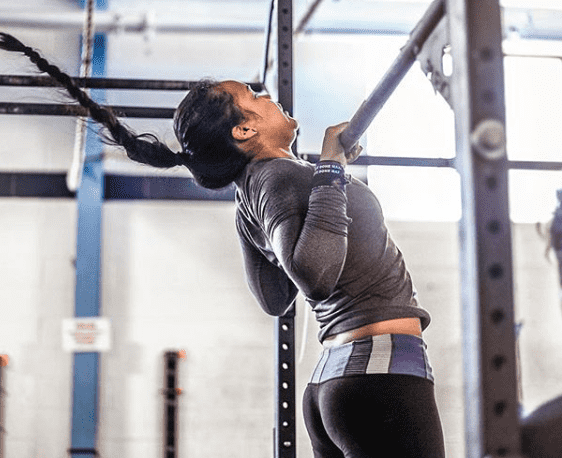
Keep training hard
You will probably need to eat MORE than you currently do in order to support your training. This can often seem counter intuitive, but strength training is taxing, and your body needs to fuel itself for both growth, performance and health. The process of being in a muscle building state (Anabolism) will also burn fat, so this is useful to know if you also want this to occur.
If fat loss is a goal of yours, make sure you are measuring fat loss and not simply weight loss.
Strength training will help you to get stronger, leaner muscles. As muscle is heavier than fat, measuring your weight is not a good indication of progress. Strength training is a great way to burn fat, so measure for body fat percentage if you wish to observe how your body is changing. A lower body fat percentage will give you a leaner, more defined body.
IMPORTANT EXERCISES FOR STRENGTH TRAINING
The basic compound barbell lifts form the core of strength training. These are:
- Squat
- Deadlift
- Overhead Press
- Bench
Important accessory exercises
Barbell row, pull ups, dips, prone rows, Bulgarian split squats, front squats, sumo deadlifts, close grip bench presses.
If you are a Crossfitter or an Olympic Lifter, or are interested in either of these disciplines, then the following are also important:
- Cleans
- Jerks
- Snatches
- Push Presses
- Overhead Squats
Important accessory exercises
Snatch balance, snatch grip deadlift, clean and snatch pulls.
STRENGTH TRAINING FOR WOMEN – REP SCHEMES
When it comes to strength training for women, sets with 1 – 5 reps are the best way to build strength.
The most commonly used rep ranges with their primary training effect:
- 1-5 Reps Per Set = Mostly strength
- 5-8 Reps Per Set = Strength and muscle equally
- 8-10 Reps Per Set = Muscle with some strength
- 10-12 Reps Per Set = Muscle with some endurance
- 12-15 Reps Per Set = Endurance with some muscle
That means:
- Lower reps (higher weights) is most ideal for increasing strength.
- Higher reps (lower weights) is most ideal for improving muscle endurance.
- Moderate reps in the middle of the two (moderate intensity) is most ideal for building muscle and really anything related to improving the way your body looks (rather than performs).
BASIC STRENGTH TRAINING PROGRAM
Based on this, here is a sample program for anyone that is looking to get into strength training, try it out and get stronger. It consists of 3 sessions per week.
Session 1
- Back Squat (3×5)
- Rows (3×5)
- Good Mornings (3×5)
- Dumbbell Bench Press (3×8)
- Pull Ups (3×5)
- (if pull ups are too difficult, try ring rows instead)
Session 2
- Front Squat (3 x 5)
- Prone Row (3×8)
- Bench Press (3×5)
- Deadlift technique work (3×8 with light weight)
Sessison 3
- Deadlift (3×5)
- Overhead Press (3×5)
- Dips (3×8)
- Pull Ups (3×5)
- (if pull ups are too difficult, try ring rows instead)
With strength training for women in regards to the weights, start light and concentrate on correct form. Build the weight gradually over time, by adding 1.25kg or 2.5kg in the next session after you successfully complete the desired reps. For example, say your back squat starts with 40kg, and you can easily complete 3 sets of 5 reps in the first session, when you go back to them in the following week, add more weight. Over time, you will get progressively stronger as your body and mind adapts to lifting heavier weights.
This is a great way to begin strength training, adding small amounts of weight each session to the compound lifts. It works as a beginner program because it helps you to determine your limits, the point at which you are simply unable to do any more or complete the reps. Once you have established your limits, then you can start pushing past them!
FEARS AND WORRIES
Many women are scared that they will instantly become super muscular once they touch a barbell, but this is not the case at all. Strength training will result in increased strength. It will also lead to leaner, more defined muscles but it is hypertrophy training (which is different) that is specifically designed to make muscles bigger. Strength training and hypertrophy training are not the same thing.
Good luck and have fun!