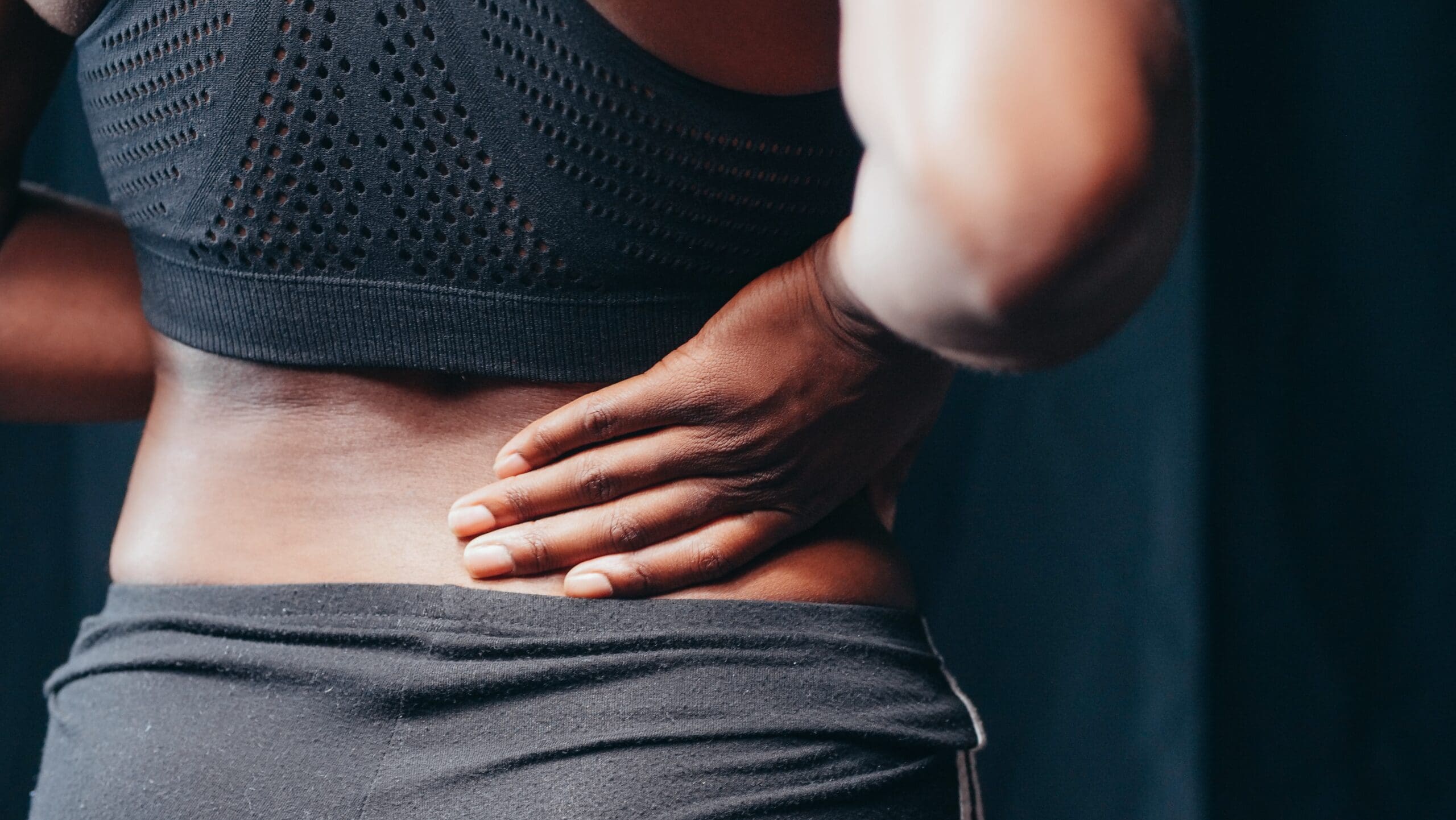


Learn how to shed lower back fat. Lower back fat is a common concern among many individuals, manifesting as a stubborn bulge around the lower lumbar region and hips.
Often referred to as a “love handle,” this accumulation of fat can be particularly frustrating because it is not only visible through clothing, but also resistant to generic weight loss tactics.


More than a simple aesthetic issue, lower back fat can also be indicative of an increased risk for certain health conditions, including type 2 diabetes and heart disease, particularly if it is part of an overall excess of abdominal fat which is known to be metabolically active.

Addressing lower back fat specifically is important not only for improving physical appearance but also for enhancing overall health.
Reducing this fat can help improve body contour and increase muscle definition, which in turn can boost self-esteem and body confidence. Health-wise, decreasing fat around the lower back and abdominal area reduces the risk of developing chronic diseases associated with obesity.
5 Breakfast Meals to Lose Belly Fat Faster
In this article, we will explore three effective strategies to help shed lower back fat: targeted exercise regimens, dietary adjustments, and lifestyle modifications. Each method will be discussed in detail, providing you with a clear pathway towards achieving a toned lower back and a healthier lifestyle overall.
Whether you are just starting your fitness journey or looking to refine your approach, these strategies are designed to offer practical steps that can lead to significant changes.
1. Shed Lower Back Fat: Targeted Exercise Regimen
Exercise plays a pivotal role in the reduction of body fat and the toning of muscles. Engaging in regular physical activity increases the number of calories your body burns both during and after workouts, enhancing the overall fat loss process.
Additionally, exercise helps to build muscle mass, which not only improves metabolism but also supports a stronger, more sculpted physique. For those targeting lower back fat, a combination of strength training and cardiovascular workouts can be particularly effective.
Specific Exercises for Lower Back:
Deadlifts:
Deadlifts are a powerhouse when it comes to burning fat and building strength throughout the body, particularly in the lower back, glutes, and hamstrings. By engaging a wide range of muscle groups, deadlifts help elevate your metabolic rate, which in turn accelerates fat loss. They also improve posture and core strength, reducing the risk of lower back pain. Proper form is crucial to avoid any injuries, so it’s advisable to consult with a fitness professional when starting out.

Hyperextensions:
Hyperextensions specifically target the lower back (lumbar spine) muscles, strengthening them and increasing overall back endurance.
Performed using a hyperextension bench, this exercise involves lowering and raising the upper body, which activates the lower back muscles. Regularly incorporating hyperextensions can lead to better support for your spine and a reduction in lower back fat.
Bridges:
Bridges focus on the lower back, buttocks, and core muscles. To perform a bridge, lie on your back with knees bent and feet flat on the floor, lift your hips towards the ceiling, and then lower them back down.
This movement not only helps tone the lower back and buttocks but also stabilizes the core, which is vital for overall strength and balance. Bridges are particularly beneficial for improving pelvic alignment and core strength.
Incorporating Cardiovascular Workouts:
Cardiovascular exercises such as running, cycling, and swimming are excellent for burning calories and reducing overall body fat. These activities increase heart rate and metabolism, which are key components in fat loss.
High-Intensity Interval Training (HIIT):
HIIT involves short bursts of intense exercise alternated with low-intensity recovery periods. It’s extremely effective for fat burning and can be adapted to many types of exercises, including sprinting, biking, jump rope, or even specific bodyweight exercises. HIIT not only burns a high number of calories during the workout but also increases the rate of fat burn long after the workout has finished, due to the elevated metabolic rate known as the afterburn effect.

Combining these targeted exercises and cardiovascular workouts creates a comprehensive exercise regimen that not only focuses on reducing lower back fat but also enhances overall health and fitness.
2. Shed Lower Back Fat: Dietary Adjustments
The relationship between diet and body fat is crucial. To lose fat, you must create a calorie deficit, meaning you consume fewer calories than you burn throughout the day. This prompts your body to use stored fat for energy, leading to fat loss. Adjusting your diet is often the most efficient way to establish and maintain this calorie deficit.
It’s not only about eating less but also about eating smart—choosing the right kinds of foods that satisfy hunger, are nutrient-dense, and support metabolic health.
Foods to Focus On:
High-fiber foods:
Foods high in fiber such as vegetables, fruits, legumes, and whole grains are essential for weight loss. Fiber helps slow down digestion, providing a feeling of fullness which can prevent overeating. This can be particularly beneficial when trying to maintain a calorie deficit.
Lean proteins:
Incorporating lean sources of protein such as chicken, turkey, fish, tofu, and legumes into your diet is crucial for fat loss and muscle repair. Protein is not only satiating but also requires more energy to digest than fats or carbohydrates, which boosts your metabolism during digestion.
Healthy fats:
While it may seem counterintuitive to consume fat when trying to lose fat, healthy fats from sources like avocados, nuts, seeds, and olive oil are vital for overall health. They help absorb vitamins and provide essential fatty acids that the body cannot produce on its own.
Importance of hydration:
Drinking plenty of water is vital for overall health and can aid in weight loss. Water helps keep your metabolism running efficiently and can also help stave off hunger. Often, feelings of hunger can actually be signs of dehydration.
Foods to Avoid:
Foods high in added sugars and unhealthy fats, such as cakes, cookies, fast food, and processed snacks, are high in calories but low in nutritional value. These foods can contribute to weight gain and hinder your fat loss efforts. They are also linked to various health issues, including increased risk of metabolic syndrome and cardiovascular disease.
Practical Diet Tips:
Planning your meals can help you control your portions and stick to your calorie goals. It reduces the likelihood of impulsive decisions about foods and ensures that you have healthy options readily available. Using smaller plates, measuring serving sizes, and being mindful of food intake can significantly contribute to maintaining a calorie deficit without feeling deprived.
By understanding the impact of nutrition on body fat and making informed dietary choices, you can effectively reduce lower back fat and improve your overall health.
These dietary adjustments, combined with consistent exercise and lifestyle changes, create a powerful strategy for achieving your weight loss goals.
3. Shed Lower Back Fat: Lifestyle Modifications
Chronic stress plays a significant role in fat accumulation, particularly in the abdominal and lower back areas. Stress triggers the release of the hormone cortisol, which can lead to increased appetite and cravings for high-fat, sugary foods.
Additionally, cortisol can promote fat storage around the midsection and lower back. Managing stress effectively is therefore an essential component of reducing lower back fat.
Techniques for Stress Reduction
Yoga: Yoga combines physical postures, breathwork, and meditation to reduce stress, improve flexibility, and enhance strength. Regular practice can help mitigate the body’s stress response and support overall well-being.
Meditation: Meditation helps calm the mind, reduce stress, and decrease cortisol levels. Even a few minutes a day can have significant health benefits.
Adequate Sleep: Quality sleep is critical for stress reduction. Aim for 7-9 hours per night to allow your body to recover and regulate hormones effectively. Poor sleep can increase stress levels and negatively impact your fat loss efforts.
Shed Lower Back Fat: Consistency and Patience
Achieving and maintaining lower back fat reduction is a process that requires consistent effort over time. It’s not just about making temporary changes but integrating lasting habits into your daily life.
Consistency in your exercise regimen and dietary habits is key to successful fat loss. Regular physical activity and consistent adherence to a balanced diet help maintain a steady calorie deficit and promote ongoing fat reduction.
Setting Realistic Goals and Tracking Progress
Setting achievable goals can help keep you motivated and on track. Whether it’s improving exercise intensity, adjusting dietary habits, or reducing body fat percentage, realistic goals provide a roadmap for success.
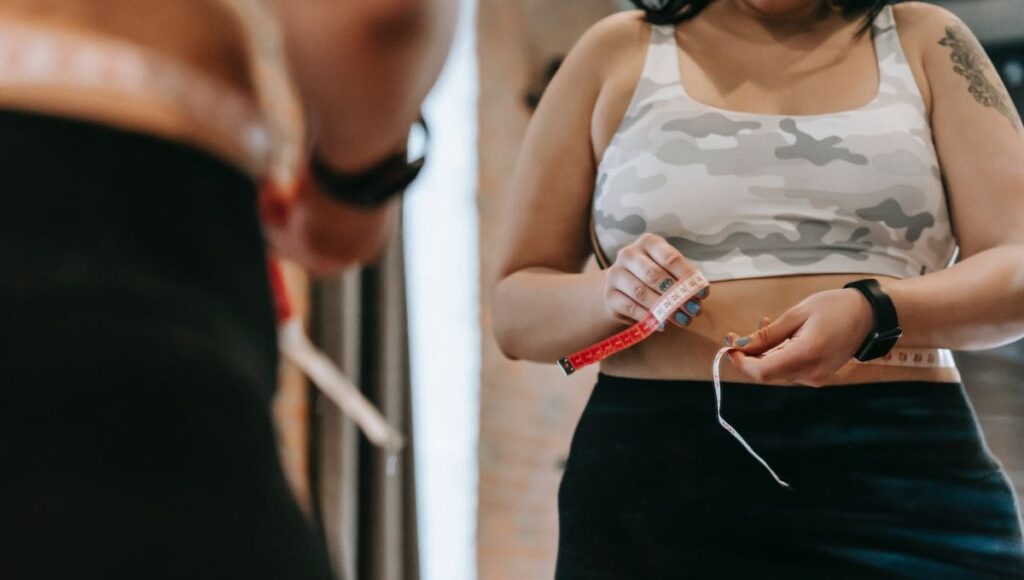
Tracking progress, such as monitoring weight, taking body measurements, or noting improvements in strength and endurance, can provide motivation and insight into what works best for your body.
Incorporating these lifestyle modifications not only aids in reducing lower back fat but also enhances overall health and quality of life.
Managing stress, being consistent with health-promoting behaviors, and setting realistic goals are all integral parts of a sustainable approach to health and fitness.
Shed Lower Back Fat: Conclusion
In our journey to shed lower back fat, we’ve explored three key strategies that are crucial for success: targeted exercise regimens, dietary adjustments, and lifestyle modifications. Each strategy plays a vital role in not only reducing lower back fat but also enhancing overall health and well-being.
Targeted Exercise Regimen: Incorporating specific exercises such as deadlifts, hyperextensions, and bridges, along with cardiovascular workouts and HIIT, can significantly improve muscle tone and increase fat loss around the lower back area.
Dietary Adjustments: Understanding the impact of nutrition and maintaining a calorie deficit is essential. Focusing on high-fiber foods, lean proteins, healthy fats, and staying hydrated while avoiding sugary snacks and high-fat processed foods can propel your efforts toward a healthier body composition.
Lifestyle Modifications: Managing stress through techniques like yoga, meditation, and ensuring adequate sleep, alongside maintaining consistency in your workouts and diet, are pivotal in achieving and sustaining fat loss.
Combining these approaches will yield the best results. It’s not just about focusing on one aspect but integrating all three to create a balanced and sustainable lifestyle change. Remember, the journey to reducing lower back fat is a marathon, not a sprint. It requires persistence, a health-focused mindset, and patience. Set realistic goals, track your progress, and adjust your plans as needed to stay motivated and achieve your health objectives.
Embrace these changes not just for aesthetic improvements but for a healthier, more vibrant life.
Start today, and keep pushing forward—the results will follow!