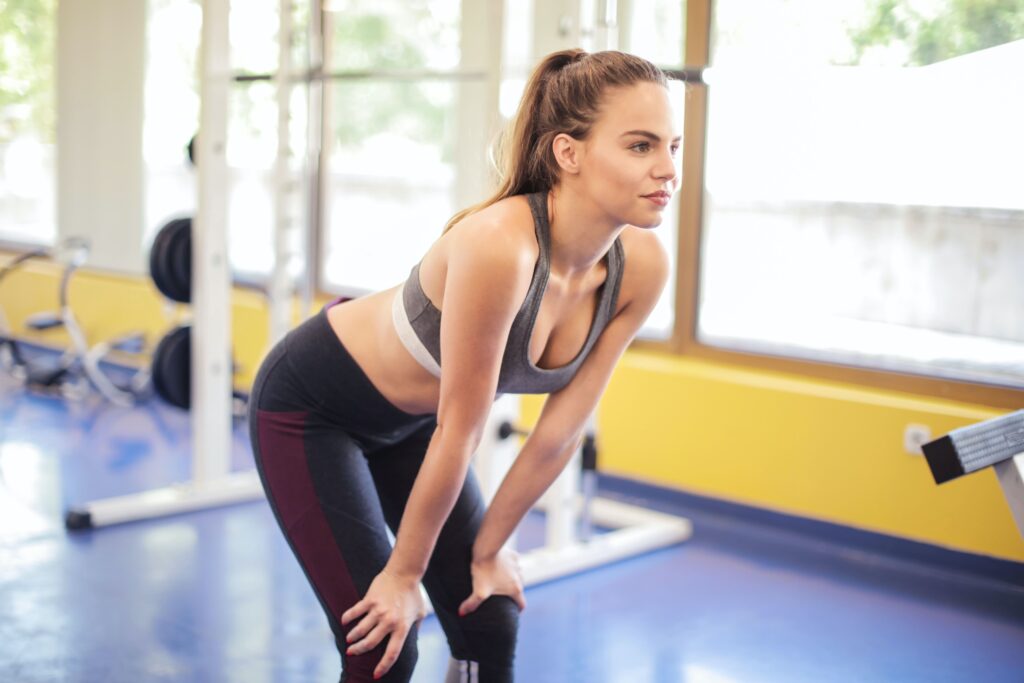
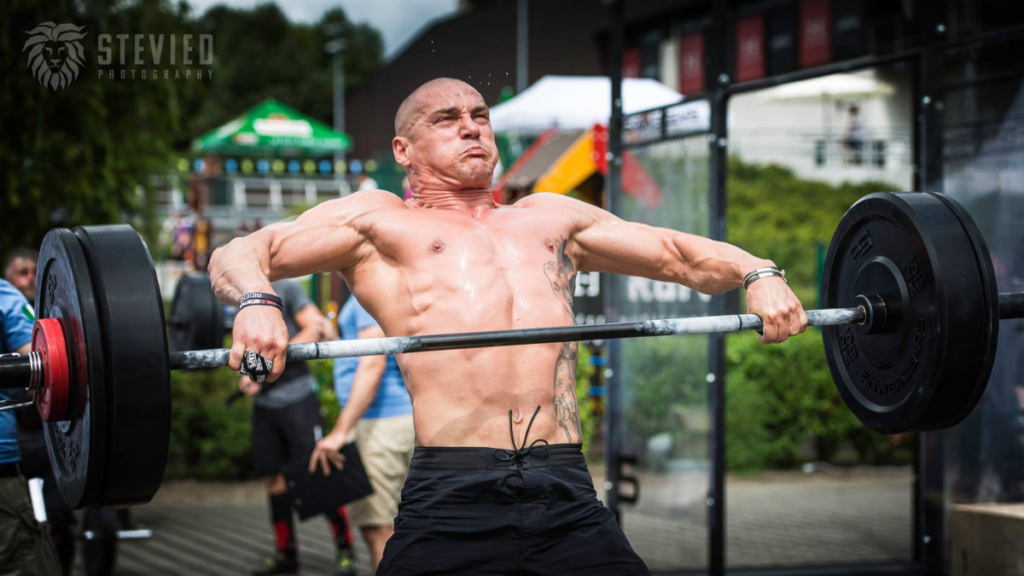
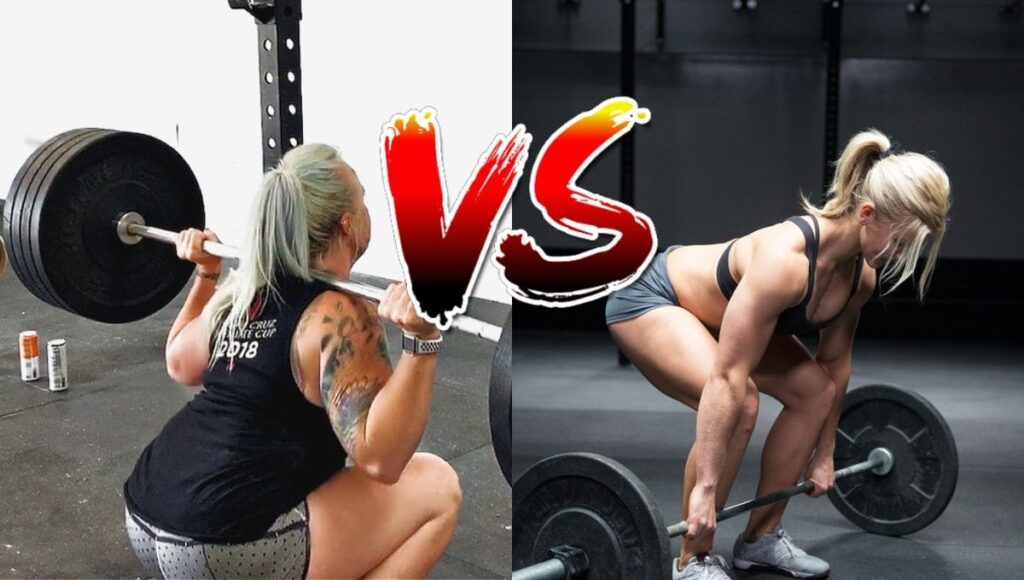
Beginners should deadlift with a weight that allows approximately eight to twelve controlled repetitions while leaving two or three technically sound repetitions in reserve. The correct starting weight is not determined by body weight, age, sex, or an online strength chart. It is the load that lets the lifter repeat a stable setup, keep the weight close to the body, and finish every repetition without losing position.
For some people, this means starting with a kettlebell, dumbbells, or an unloaded training bar. Others may be able to begin with a standard barbell and small plates. The load itself matters less than the quality of the movement. A beginner who starts lighter and builds steadily will usually learn the lift more effectively than someone who attempts a heavy personal record during the first session.


The American College of Sports Medicine recommends that novice resistance trainees generally use loads that can be lifted for roughly eight to twelve repetitions. This range gives beginners enough resistance to stimulate strength gains while allowing enough practice to improve coordination and technique. It also avoids the higher fatigue and technical demands associated with repeated near maximal lifting.
Why There Is No Universal Beginner Deadlift Weight
Individual Strength Varies Widely
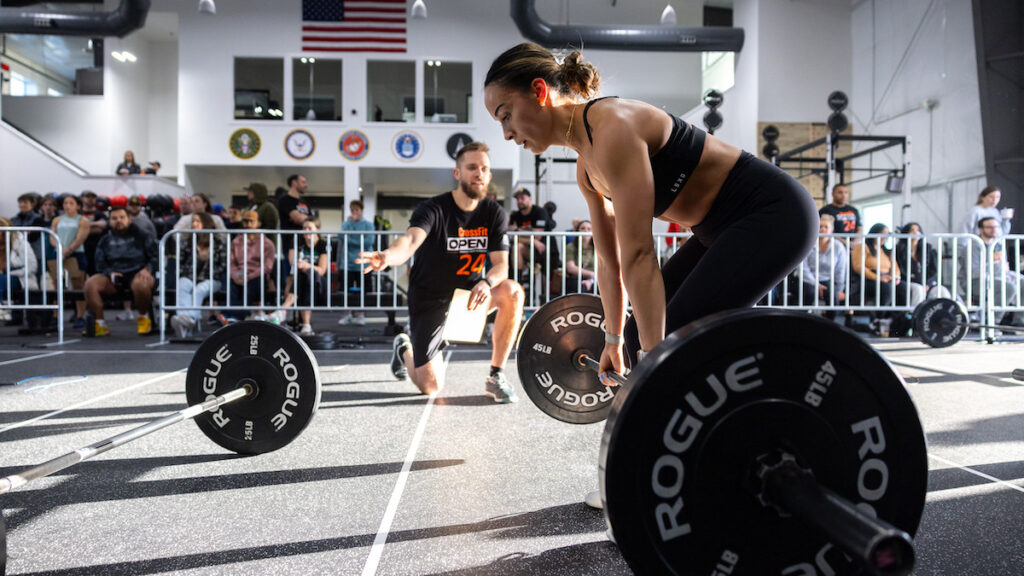
A useful beginner deadlift weight can differ dramatically between two people of the same body weight. Previous sports participation, limb lengths, grip strength, mobility, training history, injury history, confidence, and available equipment all affect how much a person can lift comfortably.
The deadlift requires coordinated effort from the hips, knees, trunk, upper back, hands, and forearms. A person with prior experience in rowing, climbing, manual work, or recreational sport may have a stronger starting point than someone who has not trained regularly. That does not mean either person is more capable in the long term. It simply means they should start at different loads.
Research on free weight exercise shows that the number of repetitions someone can perform at a given percentage of their maximum strength varies by exercise. Large compound movements also tend to allow more repetitions than smaller exercises at the same relative intensity. This is one reason percentage charts are limited for beginners, especially when the person has not yet tested a one repetition maximum.
Technique Changes What a Weight Feels Like
A deadlift is not simply picking a weight up from the floor. It requires a controlled hip hinge, trunk bracing, a balanced stance, a close bar path, and enough coordination to keep these positions during the lift. A weight that feels easy when rushed may become challenging when every repetition starts from a consistent position.
This is why beginners should treat the first few weeks as skill practice as well as strength training. The aim is to make the movement repeatable. Better technique allows the lifter to use the right muscles more effectively and provides a clearer picture of what loading is appropriate.
The Equipment Also Matters
A conventional straight barbell, hexagonal bar, kettlebell, dumbbells, and fixed weight bar all create slightly different demands. A hexagonal bar allows the lifter to stand inside the load, while a straight bar places the load in front of the body. This changes joint positions and the way force is distributed through the hips, knees, and trunk.
5 Best Beginner Training Tips for Wider Biceps
A biomechanical study comparing straight bar and hexagonal bar deadlifts found that the hexagonal bar produced lower peak moments at the lumbar spine and hip, while increasing knee demand. The same study found that trained lifters could lift more weight with the hexagonal bar. These findings do not mean that the hexagonal bar is always superior, but they do show that a deadlift number only has meaning when the equipment and variation are specified.
How Beginners Should Choose Their Starting Weight

Start With a Movement You Can Control
Before adding meaningful load, practice the hip hinge. A beginner should be able to push the hips back, maintain balance through the feet, and keep the trunk controlled before attempting hard sets. This can be learned with bodyweight hinges, a light kettlebell, dumbbells, or an unloaded bar.
If the bar starts too low for the lifter to reach comfortably, it can be raised on blocks or safety pins. Starting from a raised height reduces the range of motion and can make it easier to learn the hinge without forcing an unstable position. The bar can gradually move closer to the floor as the lifter improves.
The best starting variation is the one that lets the beginner perform consistent, pain free repetitions. A conventional barbell deadlift from the floor is not mandatory on day one.
Build Up Gradually
A practical warmup begins with several minutes of easy general movement, followed by light practice sets. Start with a very light load for around eight repetitions. If technique remains steady, perform another warmup set with a small increase for approximately five repetitions.
The warmup should prepare the lifter without creating fatigue. Its purpose is to rehearse the setup, judge how the body feels that day, and identify an appropriate working weight. If a light weight already feels unstable, there is no reason to add more load.
Use Repetitions in Reserve
For most beginners, the simplest way to choose a working weight is to use repetitions in reserve. This means estimating how many additional good repetitions could have been completed when the set ended.
A beginner starting with eight repetitions should generally finish the set feeling capable of doing another two or three controlled repetitions. This is roughly three repetitions in reserve. The set should require attention and effort, but it should not feel like a maximum attempt.
Resistance training specific effort scales have been developed to help lifters estimate how close they are to failure. Research indicates that these scales can be useful, although accuracy improves with experience. Beginners should therefore use repetitions in reserve alongside visible technique. If the bar drifts away from the body, the hips rise too quickly, or the lifter loses their starting position, the load is too heavy for that set regardless of the effort rating.
What a Good Beginner Working Set Looks Like
A good working set should look similar from the first repetition to the last. The lifter should set up with the load close to the body, create tension before lifting, and stand tall at the top without leaning backward. The lowering phase should also be controlled enough to place the weight safely before the next repetition.
The final repetition may feel slower than the first, but it should not become a visibly different movement. A beginner does not need perfectly identical posture on every repetition, because human movement naturally varies. However, large changes in balance, bar path, or trunk control are useful signs that fatigue has exceeded the current technical capacity.

Load dependent changes in lumbar and pelvic movement have been observed during deadlifts. This does not mean that any spinal movement is automatically harmful. It does support the practical approach of using moderate loads while learning, since lighter loading makes it easier to maintain a repeatable movement pattern.
How Many Sets and Sessions Should Beginners Do?
Most beginners can make progress with two or three working sets of deadlifts in one session. When the load is light and the goal is technique practice, eight to twelve repetitions can work well. When the weight becomes more challenging, sets of five to eight repetitions may be more manageable while preserving form.
One or two deadlift sessions each week is enough for many beginners. The right frequency depends on the rest of the training program. Squats, lunges, rows, hip thrusts, and other compound movements also train many of the same muscles, so the deadlift should not be planned in isolation.
The American College of Sports Medicine recommends resistance training two to three days per week for novice trainees. This frequency gives beginners repeated exposure to the movement while allowing time for recovery and adaptation.
Rest periods matter as well. Beginners should rest long enough to make the next set look like the previous one. About two to three minutes is often practical for moderate deadlift sets, although more time may be useful when breathing, grip, or concentration have not recovered. A systematic review found that longer rest intervals can support strength development, especially when sets are challenging.
When Should Beginners Add Weight?
Use Double Progression
A simple progression system is to keep the same load until the lifter reaches the upper end of the planned repetition range with controlled technique. For example, if the plan is three sets of eight to twelve repetitions, keep the load stable until all three sets reach twelve repetitions while leaving approximately two repetitions in reserve.
At that point, add the smallest practical increase. For a barbell, this might be five pounds total. For dumbbells or kettlebells, the next available weight may be a larger jump, so the lifter can first add repetitions or an additional set before increasing load.
The American College of Sports Medicine recommends increasing resistance by approximately two to ten percent when a person can complete one or two repetitions above the target. This principle supports gradual progress rather than frequent large jumps.
Do Not Rush the First Few Months
Beginners often become stronger quickly. Some early improvement comes from muscle growth, but a large part also comes from improved coordination and the nervous system becoming more efficient at the movement. This can create the temptation to add weight every session.
Progress does not need to be fast to be effective. A steady increase in load, repetitions, or technical consistency is meaningful progress. The goal is to build a deadlift that remains useful for years, not to produce an impressive number during the first month.
Keep a Training Log
A training log makes progression more objective. Record the exercise variation, bar type, load, sets, repetitions, and estimated repetitions in reserve. Brief notes about grip, sleep, soreness, or technique can also help explain a difficult session.

Over time, the log should show that the lifter can complete more quality work with the same effort. This is a more useful measure of beginner progress than a single maximum lift.
Should Beginners Test a One Repetition Maximum?
Most beginners do not need to test a one repetition maximum. A maximum test requires a stable technique, a reliable setup, and enough experience to recognize when an attempt is likely to fail. These are skills that new lifters are still developing.
Submaximal training provides more opportunities to practice the movement and can build strength without the same technical demands as a maximum attempt. If a coach needs an estimated maximum for programming, a submaximal set can be used to create an estimate. However, the estimate should not be treated as an exact measure.
Research comparing trained and untrained men found that repetitions performed at the same percentage of one repetition maximum varied by exercise. This reinforces the value of using a repetition target and effort level rather than assuming a percentage always produces the same result.
Straight Bar or Hexagonal Bar for Beginners?
A hexagonal bar can be a good option for beginners because the handles position the load beside the body. Many lifters find this allows a more upright starting position and makes balance easier. Biomechanical research has shown meaningful differences between hexagonal and straight bar deadlifts, including lower lumbar and hip peak moments with the hexagonal bar in the study conditions.
A straight bar remains valuable for people who want to learn the conventional deadlift. Beginners can make it more manageable by using light plates, raising the bar, or starting with a variation such as a kettlebell deadlift. The best choice depends on the lifter’s goals, proportions, equipment access, and ability to maintain a stable position.
Neither bar removes the need for sensible loading. A beginner should still begin with a manageable weight and progress gradually.
Common Loading Mistakes Beginners Should Avoid
The first common mistake is choosing a weight based on a bodyweight rule or online chart. These estimates may be interesting, but they cannot account for an individual’s limb lengths, prior experience, mobility, equipment, or current readiness.
The second mistake is taking every set to failure. Research comparing resistance training performed to failure with nonfailure training found that failure is not required for strength or muscle growth. Stopping with repetitions in reserve can provide a productive stimulus while reducing acute fatigue and helping preserve movement quality.
Another mistake is treating the empty bar or a light kettlebell as inadequate. Light loads give beginners the opportunity to practice the same setup repeatedly. This is valuable because the deadlift is a technical strength exercise, not simply a test of willingness to struggle.
Finally, beginners should distinguish muscle effort from pain. Muscular fatigue, breathing hard, and a slower final repetition can occur during normal training. Sharp pain, numbness, tingling, radiating symptoms, or worsening pain should end the set. Anyone with a current injury, uncontrolled medical condition, recent surgery, or uncertainty about exercise tolerance should seek individualized guidance from an appropriately qualified professional.
A Simple Four Week Beginner Plan
During week one, perform two sessions of two working sets of eight repetitions. Use a load that leaves approximately three repetitions in reserve. If the floor position feels difficult to control, use a raised bar, dumbbells, or a hexagonal bar.
During week two, keep the load the same. Add a third working set only if the technique from week one remains stable and recovery is good. The goal is to accumulate more practice without assuming that the weight needs to increase immediately.
During week three, add a small amount of weight only if every previous set was completed with consistent form. Perform two or three sets of six to eight repetitions and leave around two repetitions in reserve.
During week four, repeat the load if the new weight still feels technically demanding. If all sets remain controlled, add another small increase. This approach may feel conservative, but it creates the foundation required for heavier deadlifting later.
Key Takeaways
The right beginner deadlift weight is individual and repeatable. Start with a load that allows eight to twelve controlled repetitions, leaving two or three good repetitions in reserve. Use equipment and range of motion that support a stable setup, rest long enough to maintain quality, and increase the weight only after the current load is consistently well controlled.
Table 1. Key Takeaways
| Topic | Practical guidance |
|---|---|
| Starting load | Use a weight that allows approximately eight to twelve controlled repetitions. |
| Effort level | Finish most beginner sets with two or three repetitions in reserve. |
| Equipment | Choose the straight bar, hexagonal bar, dumbbells, or raised starting height that allows a stable setup. |
| Sets and frequency | Begin with two or three working sets, performed once or twice each week. |
| Rest | Rest for about two to three minutes, or longer when needed to repeat good technique. |
| Progression | Add the smallest practical increase after all planned sets are completed cleanly. |
| Maximum testing | Delay one repetition maximum testing until technique is practiced and reliable. |
| Stop signal | Stop for sharp pain, loss of control, or a clear breakdown in technique. |
References
- American College of Sports Medicine (2009) ‘Progression models in resistance training for healthy adults’, Medicine and Science in Sports and Exercise, 41(3), pp. 687 to 708.
- Grgic, J., Schoenfeld, B.J., Skrepnik, M., Davies, T.B. and Mikulic, P. (2018) ‘Effects of rest interval duration in resistance training on measures of muscular strength: a systematic review’, Sports Medicine, 48(1), pp. 137 to 151.
- Schoenfeld, B.J., Grgic, J., Ogborn, D. and Krieger, J.W. (2017) ‘Strength and hypertrophy adaptations between low versus high load resistance training: a systematic review and meta analysis’, Journal of Strength and Conditioning Research, 31(12), pp. 3508 to 3523.
- Shimano, T., Kraemer, W.J., Spiering, B.A., Volek, J.S., Hatfield, D.L., Silvestre, R., Vingren, J.L., Fragala, M.S., Maresh, C.M., Fleck, S.J., Newton, R.U., Spreuwenberg, L.P.B. and Hakkinen, K. (2006) ‘Relationship between the number of repetitions and selected percentages of one repetition maximum in free weight exercises in trained and untrained men’, Journal of Strength and Conditioning Research, 20(4), pp. 819 to 823.
- Swinton, P.A., Stewart, A., Agouris, I., Keogh, J.W.L. and Lloyd, R. (2011) ‘A biomechanical analysis of straight and hexagonal barbell deadlifts using submaximal loads’, Journal of Strength and Conditioning Research, 25(7), pp. 2000 to 2009.
- Vieira, A.F., Umpierre, D., Teodoro, J.L., Lisboa, S.C., Baroni, B.M., Izquierdo, M. and Cadore, E.L. (2021) ‘Effects of resistance training performed to failure or not to failure on muscle strength, hypertrophy, and power output: a systematic review with meta analysis’, Journal of Strength and Conditioning Research, 35(4), pp. 1165 to 1175.
- Zourdos, M.C., Klemp, A., Dolan, C., Quiles, J.M., Schau, K.A., Jo, E., Loenneke, J.P., Blanco, R. and Melanson, E.L. (2016) ‘Novel resistance training specific rating of perceived exertion scale measuring repetitions in reserve’, Journal of Strength and Conditioning Research, 30(1), pp. 267 to 275.