



























The 5 Worst Foods You’re Eating That Are Stopping Fat Loss


Losing body fat requires a consistent caloric deficit, where energy expenditure surpasses energy intake (Hall et al., 2015). However, not all calories are equal regarding their impact on satiety, metabolism, and hormone regulation (Rosenbaum & Leibel, 2010).
Some foods contribute to fat storage by disrupting hunger regulation, spiking insulin, and encouraging overconsumption. Below are five foods that are particularly detrimental to fat loss.
1. Sugary Drinks
Liquid calories from sodas, fruit juices, and sweetened coffee drinks are among the worst culprits for fat gain. Unlike solid foods, liquid sugars do not trigger the same satiety response, leading to excess calorie consumption (DiMeglio & Mattes, 2000).

A study published in The American Journal of Clinical Nutrition found that sugar-sweetened beverages significantly increase visceral fat and metabolic disease risk (Malik et al., 2010). These drinks also cause rapid spikes in blood glucose and insulin, promoting fat storage and increasing the risk of insulin resistance (Ludwig et al., 2001).
2. Refined Grains and White Bread
Highly processed grains, including white bread, white rice, and pastries, cause rapid spikes in blood sugar due to their high glycaemic index (Augustin et al., 2015). This leads to increased hunger and subsequent overeating.

A study in the journal Obesity found that diets high in refined carbohydrates contribute to increased abdominal fat (McKeown et al., 2004). Unlike whole grains, which contain fibre that slows digestion, refined grains provide little satiety and contribute to metabolic dysfunction.
3. Processed and Fast Food
Fast food and ultra-processed meals are high in trans fats, refined carbohydrates, and sodium. Research published in Cell Metabolism demonstrated that ultra-processed food consumption leads to increased calorie intake and weight gain compared to whole-food diets, even when matched for macronutrients (Hall et al., 2019).
Fast food meals are typically engineered to be hyper-palatable, overstimulating the brain’s reward system and driving overeating (Schulte et al., 2015). Additionally, high sodium levels in these foods lead to water retention, making weight loss appear slower.
4. Alcohol
Alcohol is calorie-dense, providing 7 kcal per gram, but lacks nutrients and suppresses fat oxidation (Suter, 2005). A study in The American Journal of Clinical Nutrition found that alcohol consumption decreases post-meal fat burning by up to 73% (Siler et al., 1999).
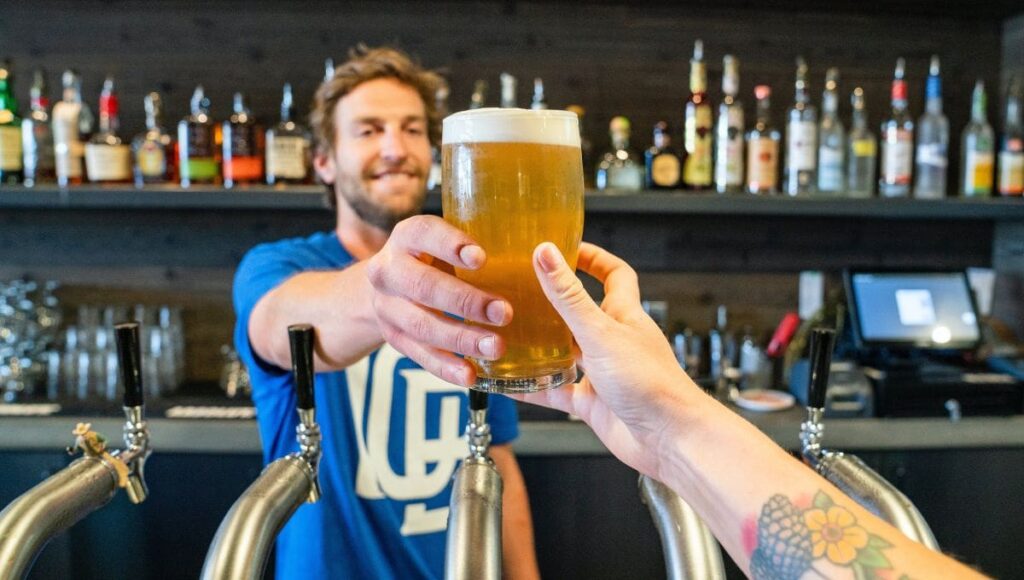
Moreover, alcohol affects judgement and decision-making, often leading to poor food choices and increased late-night snacking (Yeomans, 2010). Chronic alcohol intake also disrupts sleep patterns, which is associated with increased fat storage and hormonal imbalances (Spiegel et al., 2004).
5. Artificially Sweetened and “Diet” Foods
Many dieters turn to artificially sweetened foods, believing they aid weight loss. However, artificial sweeteners like aspartame and sucralose have been shown to disrupt gut microbiota and glucose metabolism (Suez et al., 2014).
A meta-analysis in The Canadian Medical Association Journal reported that artificial sweeteners were associated with increased body weight and cardiometabolic risk factors over time (Azad et al., 2017). Additionally, consuming artificially sweetened products can increase cravings for sweet foods, leading to higher caloric intake overall (Yang, 2010).
Conclusion
The foods listed above interfere with fat loss due to their effects on metabolism, hunger hormones, and calorie overconsumption. Replacing these with whole, nutrient-dense options such as lean proteins, vegetables, and whole grains will support fat loss efforts while improving overall health.
Key Takeaways Table
| Food | Why It Hinders Fat Loss |
|---|---|
| Sugary Drinks | High in liquid calories, increase fat storage, lead to insulin resistance |
| Refined Grains | High glycaemic index, cause overeating, increase abdominal fat |
| Processed Fast Food | High in trans fats and sodium, engineered for overconsumption |
| Alcohol | Reduces fat oxidation, increases poor food choices, disrupts sleep |
| Artificial Sweeteners | Disrupt gut microbiota, increase cravings, linked to weight gain |
References
- Augustin, L. S. A., Kendall, C. W. C., Jenkins, D. J. A., Willett, W. C., Astrup, A., & Barclay, A. W. (2015). Glycemic index, glycemic load and glycemic response: An International Scientific Consensus Summit. The American Journal of Clinical Nutrition, 102(3), 775–790.
- Azad, M. B., Abou-Setta, A. M., Chauhan, B. F., Rabbani, R., Lys, J., Copstein, L., & Zarychanski, R. (2017). Nonnutritive sweeteners and cardiometabolic health: A systematic review and meta-analysis of randomized controlled trials and prospective cohort studies. CMAJ, 189(28), E929-E939.
- DiMeglio, D. P., & Mattes, R. D. (2000). Liquid versus solid carbohydrate: Effects on food intake and body weight. International Journal of Obesity, 24(6), 794-800.
- Hall, K. D., Ayuketah, A., Brychta, R., Cai, H., Cassimatis, T., Chen, K. Y., … & Zhou, M. (2019). Ultra-processed diets cause excess calorie intake and weight gain: An inpatient randomized controlled trial of ad libitum food intake. Cell Metabolism, 30(1), 67-77.
- Hall, K. D., Heymsfield, S. B., Kemnitz, J. W., Klein, S., Schoeller, D. A., & Speakman, J. R. (2015). Energy balance and its components: Implications for body weight regulation. The American Journal of Clinical Nutrition, 102(3), 759-770.
- Ludwig, D. S., Peterson, K. E., & Gortmaker, S. L. (2001). Relation between consumption of sugar-sweetened drinks and childhood obesity: A prospective, observational analysis. The Lancet, 357(9255), 505-508.
- Malik, V. S., Popkin, B. M., Bray, G. A., Després, J. P., Willett, W. C., & Hu, F. B. (2010). Sugar-sweetened beverages and risk of metabolic syndrome and type 2 diabetes: A meta-analysis. The American Journal of Clinical Nutrition, 92(4), 909-921.
- McKeown, N. M., Meigs, J. B., Liu, S., Saltzman, E., Wilson, P. W., & Jacques, P. F. (2004). Carbohydrate nutrition, insulin resistance, and the prevalence of the metabolic syndrome in the Framingham Offspring Cohort. Diabetes Care, 27(2), 538-546.
- Rosenbaum, M., & Leibel, R. L. (2010). Adaptive thermogenesis in humans. International Journal of Obesity, 34(Suppl 1), S47-S55.
- Schulte, E. M., Avena, N. M., & Gearhardt, A. N. (2015). Food addiction: Basic concepts and controversies. Current Addiction Reports, 2(2), 144-156.
- Siler, S. Q., Neese, R. A., & Hellerstein, M. K. (1999). De novo lipogenesis, lipid kinetics, and whole-body lipid balances in humans after acute alcohol consumption. The American Journal of Clinical Nutrition, 70(5), 928-936.
- Spiegel, K., Tasali, E., Penev, P., & Van Cauter, E. (2004). Brief communication: Sleep curtailment in healthy young men is associated with decreased leptin levels, elevated ghrelin levels, and increased hunger and appetite. Annals of Internal Medicine, 141(11), 846-850.
- Suter, P. M. (2005). Is alcohol consumption a risk factor for weight gain and obesity? Critical Reviews in Clinical Laboratory Sciences, 42(3), 197-227.
- Suez, J., Korem, T., Zeevi, D., Zilberman-Schapira, G., Thaiss, C. A., Maza, O., & Segal, E. (2014). Artificial sweeteners induce glucose intolerance by altering the gut microbiota. Nature, 514(7521), 181-186.
- Yang, Q. (2010). Gain weight by “going diet?” Artificial sweeteners and the neurobiology of sugar cravings. Yale Journal of Biology and Medicine, 83(2), 101-108.
Robbie Wild Hudson
Editor-In-Chief at BOXROX. I come from a background of rugby and weightlifting. Growing up in the English Lake District, I spent a great deal of time swimming in its stunning lakes and rivers. In 2015 my brothers and I became the first people to swim the 145km length of the River Eden, from source to mouth, in 9 days. We also swam the Corryvreckan whirlpool, the third largest in the world, and Crossfit is a huge part of my training for these events.
More from Robbie Wild Hudson