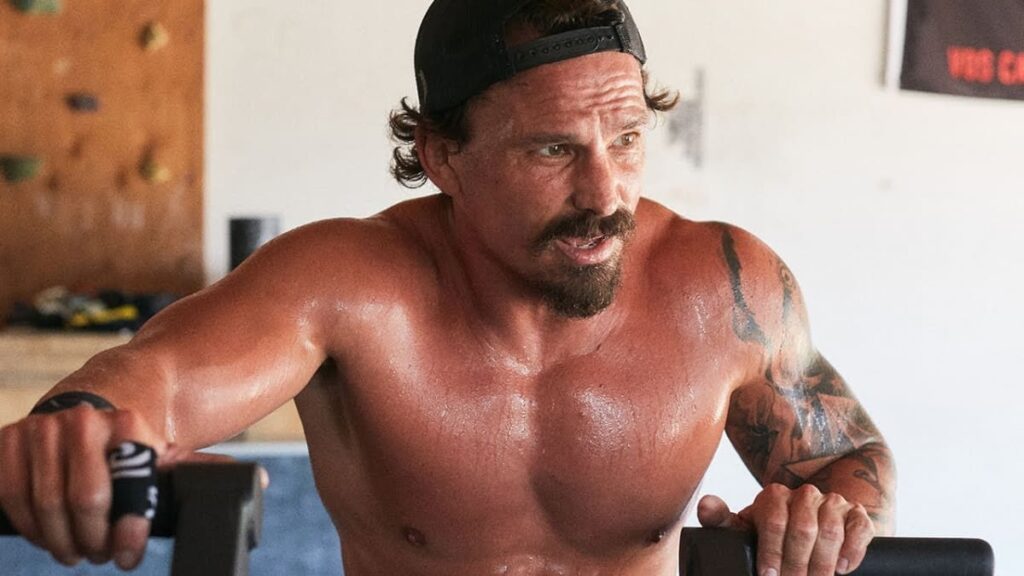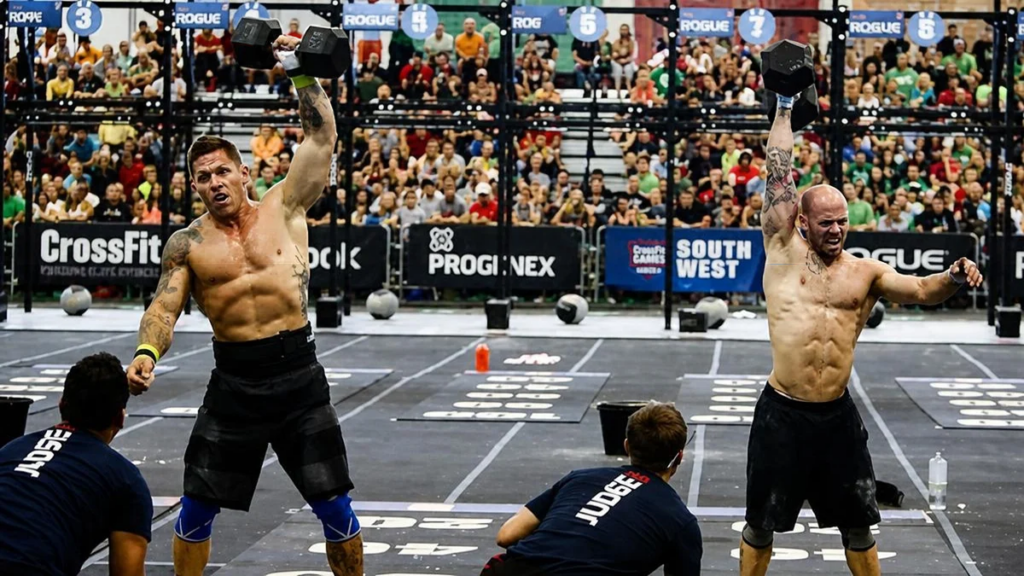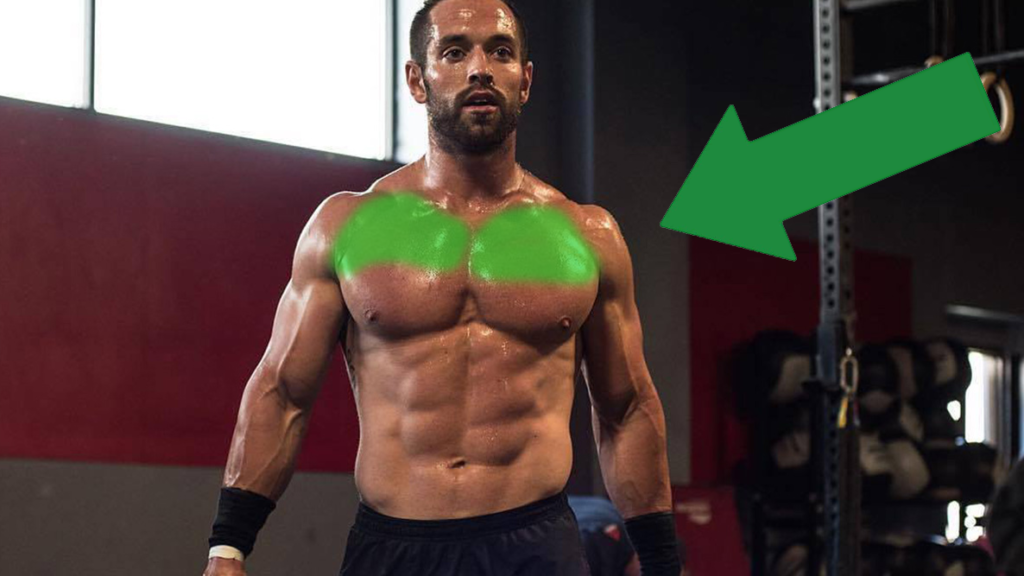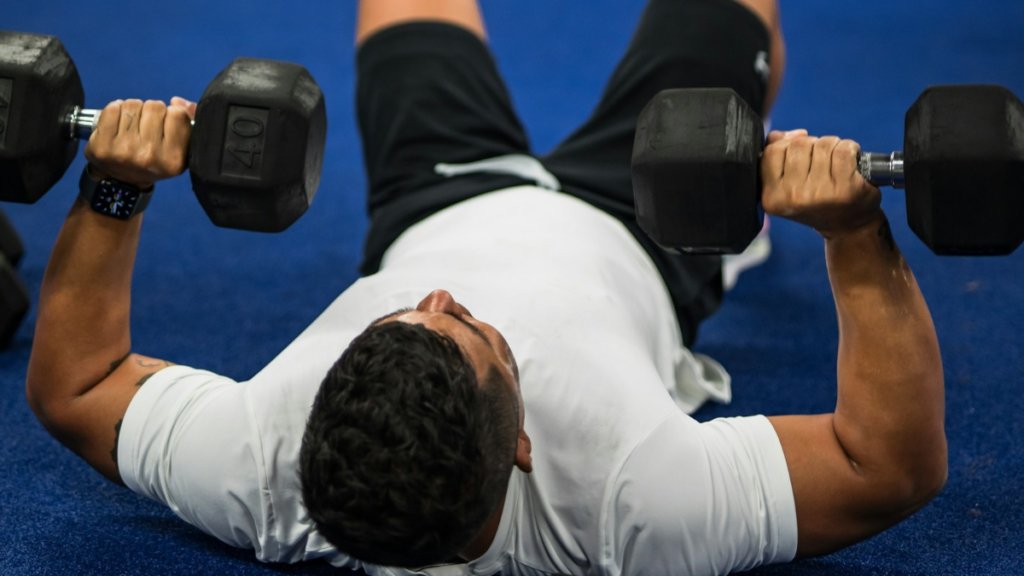


Training changes after you hit 30. There is no need for things to decline if you stay dedicated and smart, but there are differences that you need to pay attention to.
Why Chest Training Needs To Adapt After Thirty
Building and maintaining muscle mass remains completely achievable well past thirty, and resistance training research consistently shows that men across age groups can increase muscle size and strength when provided with appropriate mechanical tension and progressive overload.
However, as you move through your thirties and beyond, tendon stiffness can increase gradually, recovery time between demanding workouts often stretches slightly longer, and work or family stress can quietly chip away from your sleep and readiness. Doing six or seven high-fatigue chest exercises in a single session or repeatedly forcing heavy loads through uncomfortable shoulder angles often creates more joint irritation than productive muscle growth.
Another key factor for men over thirty is shoulder joint longevity during pressing movements. Heavy horizontal pressing with a fixed barbell and flared elbows places significant shear and compressive stress on the shoulder joint and anterior capsule, especially if your posture spends hours leaning over a desk or steering wheel. Choosing pressing angles that support natural scapular motion and pairing heavy compound work with controlled, stretch-focused movements lets you stimulate the pectoralis major effectively while protecting your shoulders for years of lifting ahead.
The Science Behind Smart Chest Training After Thirty
Modern exercise science gives men over thirty clear, practical guidelines for maximizing chest hypertrophy while keeping recovery and joint health on track. Research evaluating bench press inclinations shows that angled pressing around thirty degrees significantly recruits the upper clavicular fibers of the pectoralis major alongside the middle and lower fibers, helping build a balanced chest profile without relying solely on flat pressing.
In addition, studies comparing dumbbell and barbell pressing indicate that dumbbell movements allow freer hand and shoulder mechanics while demanding greater stabilization around the shoulder girdle.

Hypertrophy research also highlights that mechanical tension, proximity to muscular failure, and training through controlled ranges of motion that challenge the muscle in lengthened positions drive strong muscle growth.
Systematic reviews and meta-analyses on resistance training volume and frequency show that moderate, well-executed weekly volumes split across manageable sessions allow lifters to accumulate stimulating repetitions consistently without overtaxing recovery. For men over thirty, leaving one to two clean repetitions in reserve on most sets and controlling the lowering phase builds substantial muscle tension while keeping connective tissues resilient.
Is the Zottman Curl the Perfect Missing Exercise for Bigger Biceps and Forearms?
Why Volume Quality Beats Endless Sets
Piling extra junk sets onto the end of a chest workout rarely speeds up growth once your primary pressing and flye work is done. Focusing on high-effort, clean sets with adequate rest between them keeps your technique sharp, prevents sloppy compensation through the front deltoids or lower back, and ensures you can still train upper body or full body effectively later in the week.
The Best Chest Workout Routine for Men Over 30
The most effective chest workout for men over thirty combines a joint-friendly incline dumbbell press to hit the upper and mid chest cleanly, a flat or slightly angled machine or dumbbell press to build solid overall pressing strength, a controlled chest dip or cable flye for deep stretch and horizontal adduction, and a cable or band face pull or rear-delt movement to keep shoulder balance intact. Perform this workout once per week as part of a balanced split, or split the pressing and flye volume across two lighter sessions if you train upper body or full body more frequently.
Exercise One: Incline Dumbbell Press at Thirty Degrees
Set an adjustable bench to a moderate thirty-degree incline, plant your feet firmly on the floor, and retract your shoulder blades slightly against the pad so your chest stays open. Lower the dumbbells smoothly over two to three seconds with your elbows tucked at a comfortable angle roughly forty-five degrees from your torso, then press back up under control without slamming the weights together at the top. Perform three working sets of eight to twelve controlled repetitions with about two minutes of rest between sets.
Exercise Two: Chest-Supported Machine Press or Flat Dumbbell Press
Choose a smooth chest-supported pressing machine or flat dumbbells so you can push close to muscular failure safely without needing a spotter or locking your wrists into a rigid bar path. Lower the handles or dumbbells under smooth control until you feel a clean stretch across your chest, then drive upward with steady force while keeping your shoulder blades pinned back. Complete three working sets of eight to twelve controlled repetitions, resting roughly two minutes between sets.
Exercise Three: Controlled Cable Flye or Bodyweight Chest Dip
Finish your direct chest work with a cable chest flye set around chest or mid-torso height, or perform controlled bodyweight chest dips if your shoulders tolerate the extension comfortably without discomfort.
Focus on a smooth two-to-three-second lowering phase into a deep, controlled stretch and squeeze your chest fibers smoothly through the contraction rather than bouncing at the bottom. Perform two to three working sets of ten to fifteen controlled repetitions with ninety seconds of rest between sets.
Exercise Four: Cable Face Pull or Rear Delt Reverse Flye
Wrap up the session with two to three sets of twelve to fifteen controlled repetitions of cable face pulls or rear delt flyes to support posterior shoulder balance and scapular control. Spending a few minutes training the back of the shoulders after chest pressing helps counter forward-rounded posture and keeps your shoulder joint feeling healthy for future workouts.
Complete Chest Workout Structure for Men Over 30
| Exercise Order | Exercise Choice | Sets and Reps | Primary Goal |
| First Lift | Thirty-Degree Incline Dumbbell Press | Three sets of eight to twelve reps | Builds upper and overall chest with shoulder-friendly angles |
| Second Lift | Machine Press or Flat Dumbbell Press | Three sets of eight to twelve reps | Develops steady pressing strength with safe stability |
| Third Lift | Cable Flye or Controlled Chest Dip | Two to three sets of ten to fifteen reps | Adds stretch tension and horizontal adduction stimulus |
| Fourth Lift | Cable Face Pull or Rear Delt Flye | Two to three sets of twelve to fifteen reps | Supports shoulder balance and posterior joint resilience |
How To Progress Safely And Keep Joints Happy
Progression after thirty works best when you treat steady consistency as your superpower rather than rushing to add heavy plates every single week. Start at the lower end of a repetition range with a comfortable weight, add clean repetitions across your sets over subsequent workouts, and only bump up the load once you can hit the top of your rep range with crisp form and zero sharp joint pain. Warm up thoroughly with light sets and gentle shoulder mobility before your first working set so your synovium, tendons, and muscles are primed for work.
Key Takeaways for Men Over 30 Training Chest
| Key Takeaway | Practical Application |
| Adapt Without Lowering Expectations | Men over thirty can build strong chest muscle by prioritizing recovery and joint-friendly angles. |
| Favor Controlled Incline And Dumbbells | Thirty-degree incline presses and dumbbells allow natural mechanics and reduce shoulder strain. |
| Keep Effort High With Smart Reserves | Aim for eight to twelve or ten to fifteen controlled reps leaving one to two reps in reserve. |
| Balance Pressing With Rear Shoulder Work | Pair chest exercises with face pulls or rear delt work to protect shoulder health over time. |
| Progress Gradually With Clean Form | Add repetitions and small weight increments steadily rather than chasing risky ego loads. |
References
- Lauver, J.D., Cayot, T.E. and Scheuermann, B.W., 2016. Influence of bench angle on upper extremity muscular activation during bench press exercise. European Journal of Sport Science, 16(3), pp.309-316.
- Peterson, M.D., Rhea, M.R., Sen, A. and Gordon, P.M., 2010. Resistance exercise for muscular strength in older adults: a meta-analysis. Ageing Research Reviews, 9(3), pp.226-237.
- Rodríguez-Ridao, D., Antequera-Vique, J.A., Martín-Fuentes, I. and Muyor, J.M., 2020. Effect of five bench inclinations on the electromyographic activity of the pectoralis major, anterior deltoid, and triceps brachii during the bench press exercise. International Journal of Environmental Research and Public Health, 17(19), p.7339.
- Saeterbakken, A.H., van den Tillaar, R. and Fimland, M.S., 2011. A comparison of muscle activity and 1-RM strength of three chest-press exercises with different stability requirements. Journal of Sports Sciences, 29(5), pp.533-538.
- Schoenfeld, B.J., Ogborn, D.I. and Krieger, J.W., 2017. Dose-response relationship between weekly resistance training volume and increases in muscle mass: a systematic review and meta-analysis. Journal of Sports Sciences, 35(11), pp.1073-1082.
- Wolf, M., Androulakis-Korakakis, P., Wang, Y., Fisher, J.P. and Steele, J., 2023. Partial vs full range of motion resistance training: a systematic review and meta-analysis. International Journal of Strength and Conditioning, 3(1), pp.1-44.