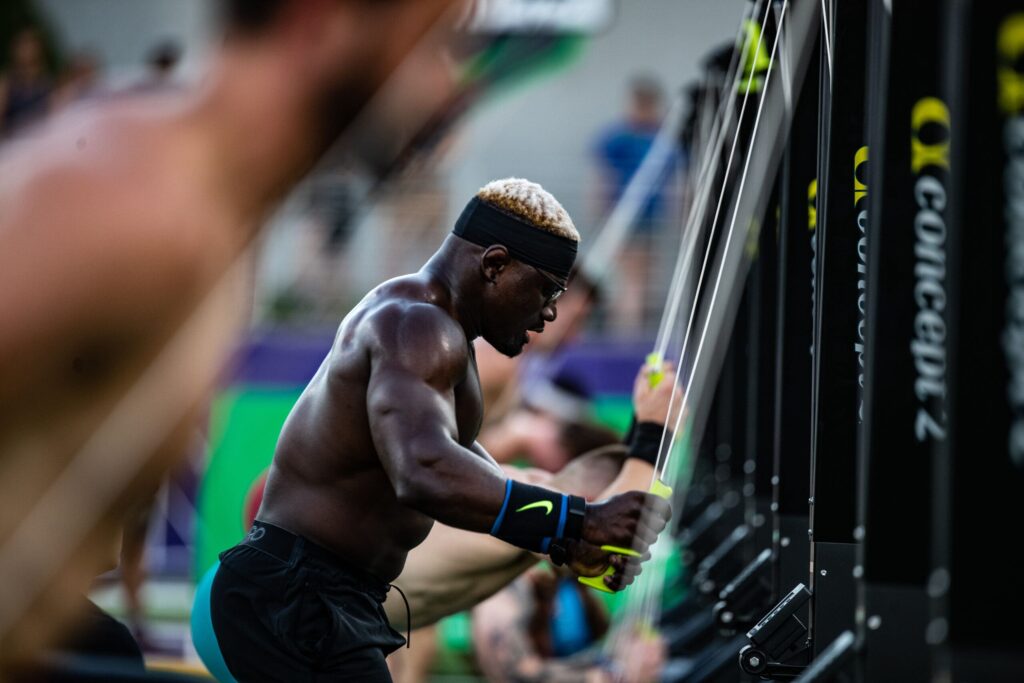


Active recovery is often described as low intensity exercise performed after hard training. Most athletes understand it as something that helps reduce soreness or keeps the body moving between sessions. That is true, but it only scratches the surface. When you look at the scientific literature, active recovery does far more than just help you “feel better.”
What Is Active Recovery?
Active recovery refers to low intensity physical activity performed after or between demanding workouts. Instead of complete rest, you keep moving at a controlled and easy pace.


Examples include:
- Light cycling or rowing
- Easy jogging or walking
- Mobility flows or dynamic stretching
- Swimming at low intensity
- Technique drills with minimal load
The key factor is intensity. Active recovery typically stays below 60 percent of maximum heart rate. At this level, the body promotes circulation without adding significant stress.
Now let’s explore the deeper and less obvious benefits.
Benefit 1: Active Recovery Enhances Neuromuscular Efficiency
Most people think recovery is purely about muscles repairing themselves. In reality, your nervous system plays a massive role in performance and fatigue.

How the Nervous System Gets Fatigued
High intensity training does not just fatigue muscle fibers. It also stresses the central nervous system, which controls muscle recruitment, coordination, and force production.
Neuromuscular fatigue can lead to:
- Reduced coordination
- Slower reaction times
- Poor movement mechanics
- Decreased strength output
Research shows that central fatigue can persist even after muscles have partially recovered. This means you can feel physically okay but still perform poorly.
How Active Recovery Supports Neural Reset
Low intensity movement stimulates the nervous system without overwhelming it. It helps maintain motor patterns and reinforces efficient movement.
Studies show that light activity improves motor unit recruitment and coordination after fatigue. This occurs because gentle movement keeps neural pathways active while avoiding overload.
Active recovery also increases blood flow to the brain, which supports neurotransmitter balance. This is important for maintaining focus and motor control.
Why This Matters for Athletes
Better neuromuscular efficiency leads to:
- Improved technique during subsequent sessions
- Reduced injury risk due to better coordination
- Faster return to peak performance
In practical terms, athletes who include active recovery often feel more “in sync” during their next workout. This is not just psychological. It reflects real changes in how the nervous system functions.
Benefit 2: Active Recovery Improves Metabolic Flexibility
Metabolic flexibility refers to your body’s ability to switch between fuel sources such as carbohydrates and fats. This is a key factor in endurance, recovery, and overall health.
What Happens After Intense Training
High intensity exercise relies heavily on glycogen stores. After a tough session, these stores are depleted, and metabolic byproducts accumulate.
Traditional thinking suggests complete rest to recover. However, research shows that low intensity activity can accelerate metabolic recovery processes.
The Role of Active Recovery in Fuel Utilization
During low intensity exercise, the body shifts toward fat oxidation. This means it uses fat as the primary fuel source while sparing glycogen.
Studies demonstrate that active recovery enhances the activity of enzymes involved in fat metabolism. It also improves mitochondrial efficiency, which is critical for energy production.
In addition, active recovery helps clear lactate more effectively than passive rest. Lactate is not just a waste product. It is also a fuel source. Efficient clearance and reuse of lactate improve overall metabolic function.
Long Term Adaptations
Regular use of active recovery can lead to:
- Increased mitochondrial density
- Improved fat oxidation capacity
- Better glycogen replenishment efficiency
These adaptations contribute to enhanced endurance and faster recovery between sessions.
Why This Is Unusual
Most people associate metabolic improvements with hard training. However, low intensity activity plays a crucial role in optimizing energy systems.
Active recovery essentially trains your body to become more efficient at using fuel, even when you are not pushing hard.
Benefit 3: Active Recovery Regulates Inflammation and Immune Function
Inflammation is a natural response to exercise. It is necessary for adaptation, but excessive or prolonged inflammation can delay recovery and increase injury risk.

The Inflammation Balance
After intense exercise, the body releases inflammatory markers such as cytokines. These signals help repair damaged tissue. However, chronic or excessive inflammation can lead to:
- Prolonged soreness
- Reduced performance
- Increased risk of overtraining
- Suppressed immune function
How Active Recovery Modulates Inflammation
Low intensity exercise has been shown to regulate the inflammatory response. It promotes the release of anti inflammatory cytokines while reducing excessive pro inflammatory markers.
Research indicates that active recovery enhances circulation, which helps transport immune cells and nutrients to damaged tissues. This process accelerates repair while preventing the buildup of inflammatory substances.
Effects on the Immune System
Moderate activity supports immune function by improving the movement of immune cells throughout the body. Studies show that light exercise increases the activity of natural killer cells and other components of the immune system. These cells play a key role in defending against infections.
Active recovery also reduces stress hormone levels such as cortisol when performed at low intensity. High cortisol levels are associated with suppressed immunity.
Practical Implications
Athletes who use active recovery effectively may experience:
- Reduced illness during heavy training periods
- Faster tissue repair
- Lower risk of chronic inflammation
This is particularly important for individuals training at high volumes or intensities.
Additional Benefits Worth Noting
While the three benefits above are less commonly discussed, active recovery offers several well known advantages as well.
Improved Blood Flow
Light movement increases circulation, delivering oxygen and nutrients to muscles. This supports recovery and reduces stiffness.
Reduced Muscle Soreness
Active recovery can decrease delayed onset muscle soreness by promoting metabolic waste removal and improving tissue elasticity.
Psychological Recovery
Low intensity movement can reduce stress and improve mood. It provides a mental break from intense training while still maintaining routine.
How to Implement Active Recovery Effectively
Understanding the benefits is one thing. Applying them correctly is what makes the difference.
Keep Intensity Low
Active recovery should feel easy. You should be able to hold a conversation without difficulty. Aim for:
- 30 to 60 percent of maximum effort
- Heart rate below 60 percent of maximum
Choose the Right Activities
Select movements that do not stress already fatigued muscles.
Examples:
- Cycling after heavy leg training
- Swimming for full body recovery
- Walking or mobility work after intense sessions
Duration Matters
Active recovery sessions typically last between 20 and 45 minutes. Longer sessions are possible but should remain low intensity.
Timing
You can use active recovery:
- The day after a hard workout
- Between training sessions on the same day
- During deload weeks
Listen to Your Body
Active recovery should leave you feeling better, not worse. If you feel fatigued afterward, reduce intensity or duration.
Common Mistakes
Even though active recovery is simple in theory, it is often done incorrectly.
Going Too Hard
One of the biggest mistakes is turning active recovery into another workout. This defeats the purpose and can increase fatigue.
Skipping It Entirely
Some athletes prefer complete rest. While rest is important, avoiding all movement can slow recovery processes.
Poor Activity Selection
Choosing high impact or overly demanding exercises can hinder recovery rather than support it.
Who Benefits Most from Active Recovery?
Active recovery is useful for a wide range of individuals, but certain groups may benefit even more.
High Volume Athletes
Those training frequently need efficient recovery strategies to maintain performance.
Endurance Athletes
Improved metabolic flexibility and circulation are especially valuable for endurance performance.
Strength Athletes
Neuromuscular benefits can help maintain technique and reduce injury risk.
General Fitness Enthusiasts
Even recreational athletes can experience improved recovery and consistency.
Final Thoughts
Active recovery is often underestimated. It is not just a light workout or a way to stay busy on rest days. It is a powerful tool that influences the nervous system, metabolism, and immune function.
By enhancing neuromuscular efficiency, improving metabolic flexibility, and regulating inflammation, active recovery supports performance in ways that go far beyond basic recovery.
When used correctly, it can help you train more effectively, reduce injury risk, and maintain long term progress. If you are serious about performance, active recovery should be a consistent part of your training strategy.
Key Takeaways
| Benefit | What It Does | Why It Matters |
|---|---|---|
| Neuromuscular Efficiency | Supports nervous system recovery and coordination | Improves performance and reduces injury risk |
| Metabolic Flexibility | Enhances fat oxidation and energy system efficiency | Boosts endurance and recovery speed |
| Inflammation Regulation | Balances immune response and reduces excessive inflammation | Supports faster recovery and better health |
| Blood Flow | Increases circulation to muscles | Delivers nutrients and removes waste |
| Practical Application | Low intensity, short duration sessions | Maximizes recovery without added stress |
References
- Ahmaidi, S., Granier, P., Taoutaou, Z., Mercier, J., Dubouchaud, H. and Prefaut, C. (1996) ‘Effects of active recovery on plasma lactate and anaerobic power following repeated intensive exercise’, Medicine and Science in Sports and Exercise, 28(4), pp. 450 to 456.
- Bishop, D., Edge, J. and Goodman, C. (2004) ‘Muscle buffer capacity and aerobic fitness are associated with repeated sprint ability in women’, European Journal of Applied Physiology, 92(4), pp. 540 to 547.
- Gleeson, M. (2007) ‘Immune function in sport and exercise’, Journal of Applied Physiology, 103(2), pp. 693 to 699.
- Hough, J., Corney, R., Kouris, A. and Gleeson, M. (2013) ‘Salivary cortisol and testosterone responses to high intensity cycling before and after an active recovery session’, Journal of Sports Sciences, 31(12), pp. 1311 to 1318.
- Ispirlidis, I., Fatouros, I., Jamurtas, A., Nikolaidis, M., Michailidis, Y., Douroudos, I., Margonis, K. and Taxildaris, K. (2008) ‘Time course of changes in inflammatory and performance responses following a soccer game’, Clinical Journal of Sport Medicine, 18(5), pp. 423 to 431.