

Building a thick, well developed upper chest is one of the biggest challenges in strength training and bodybuilding. Many people spend years doing flat bench presses without ever developing the full, rounded look across the clavicular portion of the pectoralis major. The result is a chest that may look decent from straight on but lacks fullness near the collarbone.
The good news is that the right barbell exercises can dramatically improve upper chest growth when paired with proper training volume, progressive overload, and good technique.


The upper chest plays a major role in pressing strength, shoulder stability, and overall physique aesthetics. It also contributes heavily to athletic performance in sports that require explosive pushing actions such as football, rugby, combat sports, and CrossFit.
Understanding the Upper Chest
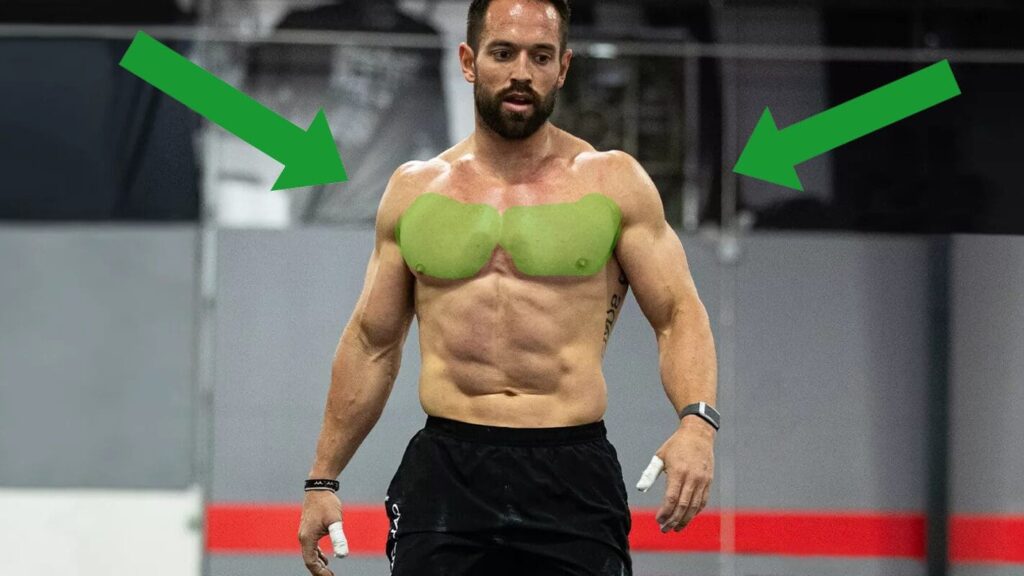
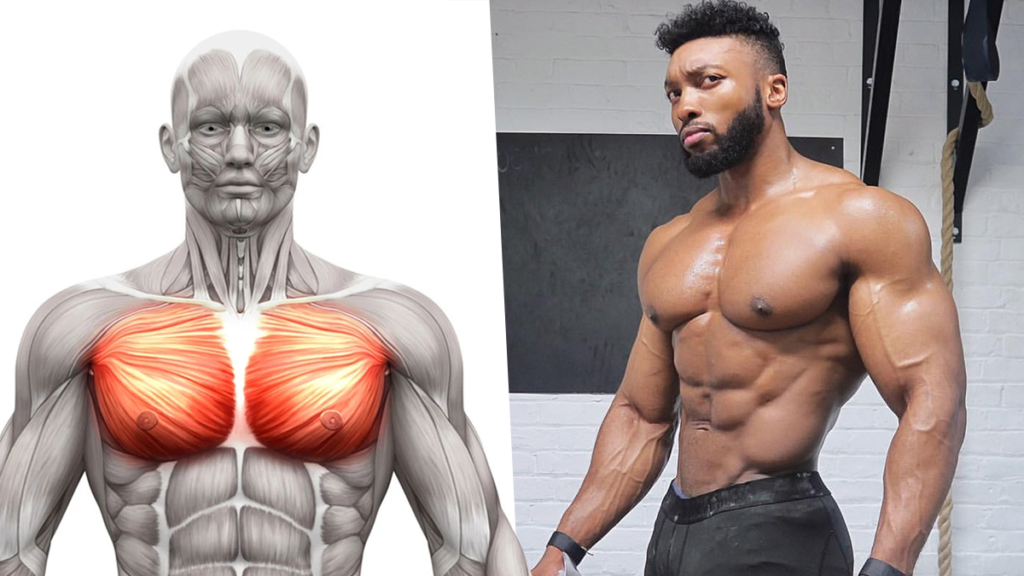
The chest is primarily made up of the pectoralis major, which has two major divisions:
• Clavicular head, commonly called the upper chest
• Sternocostal head, often referred to as the middle and lower chest

The clavicular fibers originate from the collarbone and insert into the humerus. Their main functions include:
• Shoulder flexion
• Horizontal adduction
• Assisting with internal rotation of the shoulder
This means the upper chest is highly active when pressing movements occur at upward angles or when the arms move upward and inward. One major reason many lifters struggle to grow the upper chest is exercise selection. Traditional flat pressing tends to bias the sternal fibers more heavily. Research consistently shows that incline pressing angles increase activation of the clavicular portion of the pec major. However, angle matters. Going too steep turns the movement into a front delt dominant press rather than an upper chest exercise.
What Makes a Great Upper Chest Exercise?
The best upper chest exercises share several characteristics:
Strong Clavicular Pec Recruitment
EMG studies show that incline pressing angles around 30 to 45 degrees generally maximize upper chest activation while minimizing excessive anterior deltoid involvement.
High Mechanical Tension
Mechanical tension is considered one of the primary drivers of hypertrophy. Barbell exercises are particularly effective because they allow heavy loading and progressive overload over time.
Stability for Overload
Barbells provide a stable setup that allows lifters to safely handle significant loads, which can improve long term strength and hypertrophy adaptations.
Full Range of Motion
Exercises that place the pecs under stretch and allow a strong contraction tend to stimulate more muscle growth.
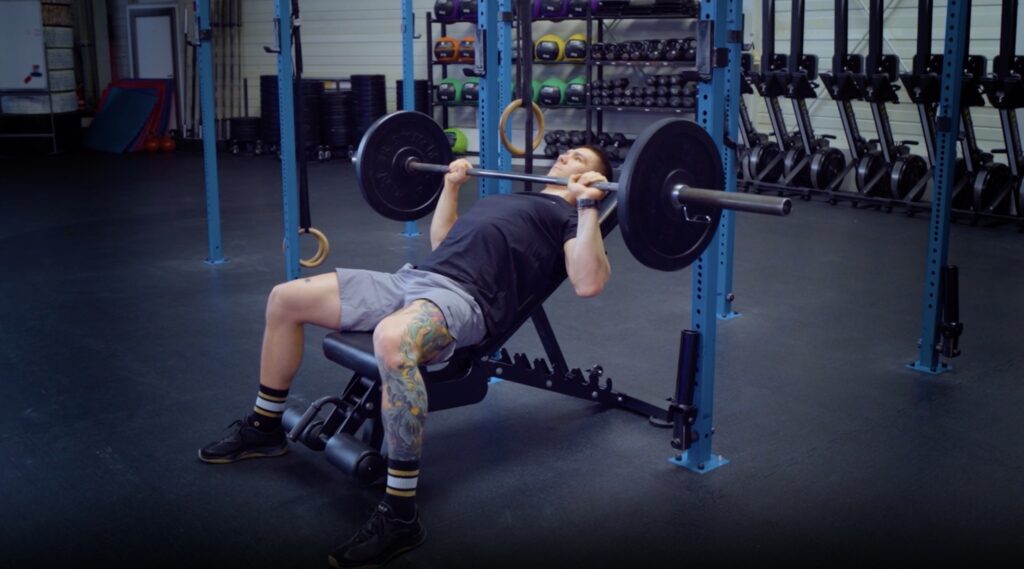
Exercise 1: Incline Barbell Bench Press
The incline barbell bench press is the king of upper chest development. If your goal is to maximize clavicular pec hypertrophy with a barbell, this exercise should be the foundation of your program.
Why It Works
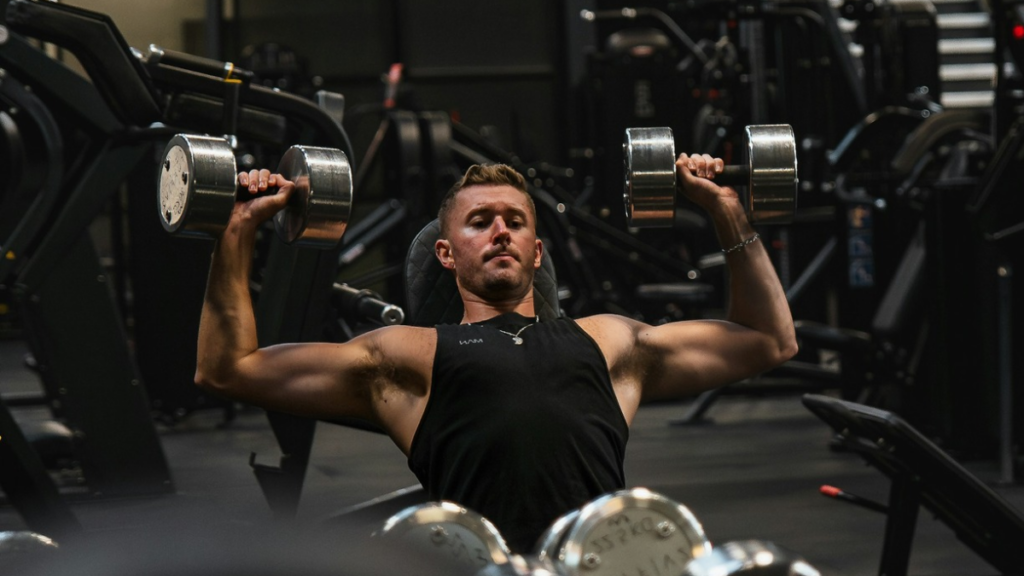
The incline angle changes the pressing path so the clavicular fibers contribute more force production compared to a flat bench press. Research examining muscle activation during pressing exercises consistently demonstrates increased upper chest recruitment during incline pressing. The incline bench also allows substantial loading potential, making it ideal for progressive overload.
Best Bench Angle
One of the most important variables is bench angle. A moderate incline of 30 to 45 degrees appears most effective for upper chest emphasis. Angles above 60 degrees tend to shift more stress toward the anterior deltoids.
For most lifters:
• 30 degrees works best for maximizing pec involvement
• 45 degrees offers a balance between upper chest and shoulders
• Higher inclines become increasingly shoulder dominant
Proper Technique
Set the bench to roughly 30 degrees. Lie back with your feet planted firmly on the floor. Retract your shoulder blades and maintain a slight arch in the upper back.
Grip the bar slightly wider than shoulder width. Lower the bar to the upper chest area with control. The elbows should remain under the wrists throughout the movement. Press upward in a slightly diagonal path until the elbows are nearly locked.
Common Mistakes
Using Too Steep an Incline
This is the most common mistake. Many lifters turn the incline press into a shoulder exercise by setting the bench too upright.
Flaring the Elbows Excessively
Extreme elbow flare can increase shoulder stress and reduce pressing efficiency.
Bouncing the Bar
Using momentum reduces muscular tension and increases injury risk.
Incomplete Range of Motion
Partial reps limit hypertrophy potential and reduce stretch mediated tension.
Programming Recommendations
For hypertrophy:
• 3 to 5 sets
• 6 to 12 reps
• Rest 90 to 150 seconds
For strength focused upper chest development:
• 4 to 6 sets
• 3 to 6 reps
• Rest 2 to 4 minutes
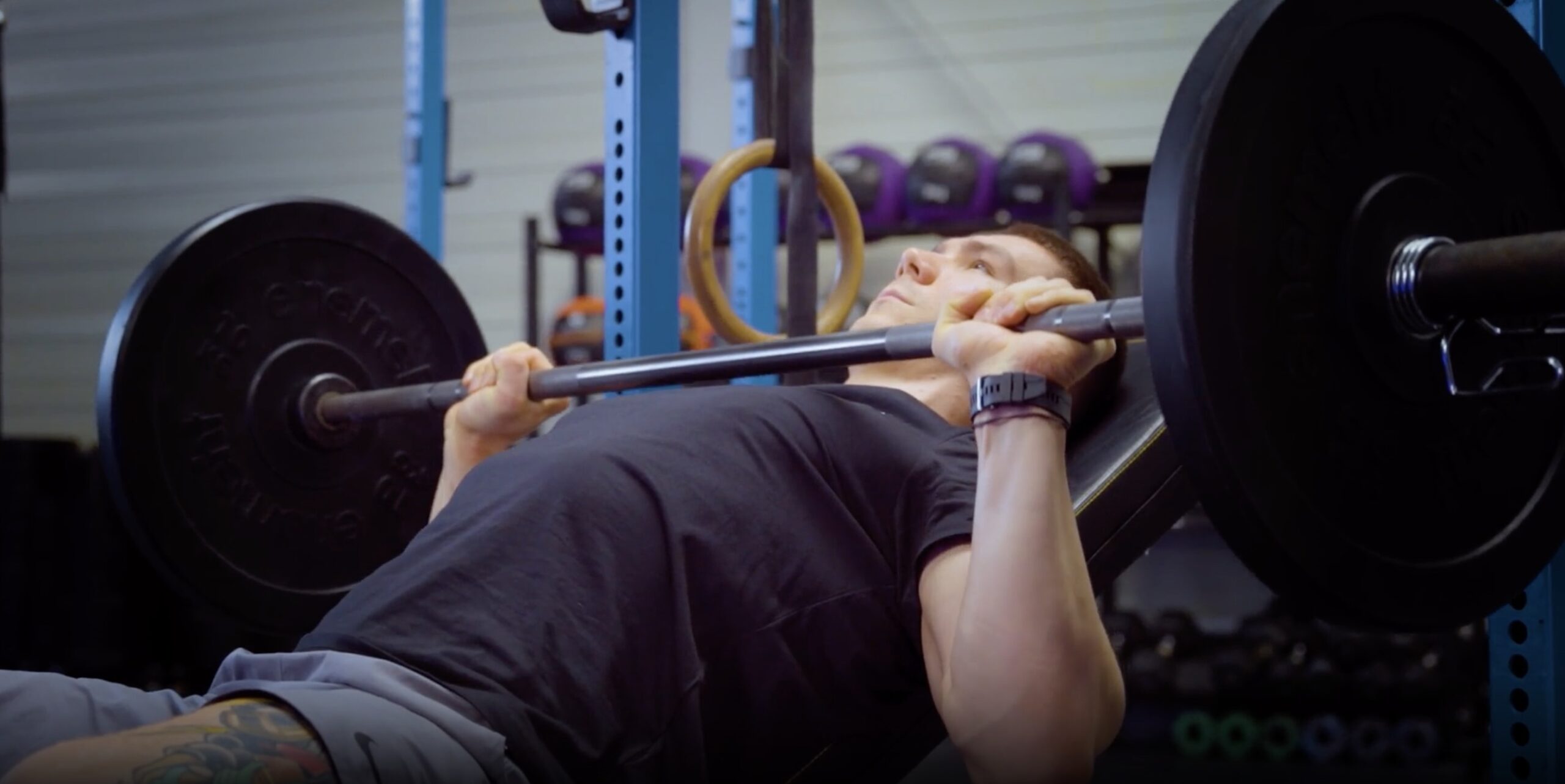
Exercise 2: Reverse Grip Barbell Bench Press
The reverse grip bench press is one of the most underrated chest exercises in strength training. Although it looks unconventional, it has strong scientific support for upper chest activation.
Why It Works
Using a supinated grip changes shoulder mechanics and increases shoulder flexion demands. This places greater emphasis on the clavicular fibers of the pec major. Several EMG studies have found higher upper chest activation during reverse grip bench pressing compared to standard flat bench pressing. The reverse grip also naturally tucks the elbows closer to the torso, which may reduce shoulder stress for some lifters.
How to Perform It Safely
- Safety is critical because the reverse grip changes wrist positioning and bar control.
- Use a spotter whenever possible.
- Grip the bar with palms facing toward your face. The grip should be slightly narrower than a standard bench press.
- Unrack the bar carefully and lower it slowly toward the lower chest or upper abdomen.
- Keep the elbows tucked close to the torso.
- Press upward while maintaining wrist alignment.
Technique Cues
• Keep the wrists stacked over the elbows
• Squeeze the bar hard throughout the set
• Move slowly during the lowering phase
• Maintain upper back tightness
Common Mistakes
Using Too Much Weight
The movement requires practice and control. Start lighter than you think necessary.
Poor Wrist Positioning
Bent wrists can create unnecessary strain and instability.
Losing Upper Back Tightness
A stable upper back is essential for force production and shoulder health.
Programming Recommendations
For muscle growth:
• 3 to 4 sets
• 8 to 12 reps
• Moderate loads
For strength:
• 4 to 5 sets
• 4 to 6 reps
This exercise works exceptionally well as a secondary press after incline barbell bench pressing.
Exercise 3: Incline Guillotine Press
The incline guillotine press is controversial, but when performed correctly and carefully, it can be extremely effective for upper chest hypertrophy.
What Is the Guillotine Press?
Unlike traditional pressing, the bar is lowered toward the neck or upper clavicle region while the elbows flare outward. This creates a unique line of pull that strongly emphasizes the clavicular pec fibers. The movement was popularized decades ago by bodybuilding coach Vince Gironda and has regained attention because of modern EMG analysis.
Why It Works
The exaggerated elbow flare and high chest touch point place the upper chest under significant tension. Research examining horizontal abduction angles during pressing suggests that wider elbow positions increase clavicular pec recruitment. The movement also creates a large stretch across the pecs, which may enhance hypertrophy signaling.
Important Safety Considerations
This exercise is not ideal for everyone. Lifters with shoulder instability, poor mobility, or previous shoulder injuries should avoid it. The guillotine press should be performed with lighter loads and strict control.
Proper Execution
- Set the bench to a low incline of around 15 to 30 degrees.
- Use a moderate grip width.
- Lower the bar slowly toward the upper chest or neck area while keeping the elbows flared.
- Stop slightly above the neck rather than touching aggressively.
- Press upward under control.
Key Technique Tips
• Use lighter loads than a traditional bench press
• Maintain constant muscular tension
• Lower slowly to maximize stretch
• Never bounce the bar
Why It Is Effective for Bodybuilders
Bodybuilders often prioritize muscular tension and fiber recruitment over maximal loading. The guillotine press creates enormous tension in the upper chest even with moderate weights. For hypertrophy focused training, this can be highly valuable.
Programming Recommendations
Because of the increased shoulder demands:
• Use moderate loads
• Perform 2 to 4 sets
• Aim for 10 to 15 reps
• Avoid training to absolute failure
This exercise works best later in the workout after heavier pressing movements.
Why Barbells Are So Effective for Upper Chest Growth
Dumbbells and cables are useful, but barbells offer unique advantages for building upper chest mass.
Easier Progressive Overload
Barbells allow precise load increases over time, which is essential for long term hypertrophy.
Greater Force Production
Stable bilateral loading allows heavier weights and higher force output.
Better Strength Carryover
Barbell pressing movements improve total pressing strength and neural efficiency.
Efficient Training
Barbell exercises allow high training stimulus in relatively short sessions.
The Science of Upper Chest Hypertrophy
Understanding how muscle growth occurs can help optimize exercise selection and programming.
Mechanical Tension
Mechanical tension is generated when muscles produce force under load. Heavy barbell presses are excellent for generating high tension.
Stretch Mediated Hypertrophy
Research suggests muscles may grow significantly when trained under stretch. Incline pressing movements place the upper chest in a stretched position at the bottom of the lift.
Progressive Overload
Muscles must face gradually increasing demands to continue adapting.
This can involve:
• Adding weight
• Increasing reps
• Performing more sets
• Improving technique
• Increasing range of motion
Volume Matters
Most research suggests that approximately 10 to 20 hard sets per muscle group per week is effective for hypertrophy. For upper chest specialization, many lifters benefit from 12 to 16 weekly sets focused specifically on clavicular pec dominant movements.
Common Upper Chest Training Mistakes
Even the best exercises fail when programming and execution are poor.
Too Much Flat Bench Pressing
Flat pressing alone often under stimulates the clavicular fibers.
Excessive Shoulder Involvement
Poor technique or overly steep incline angles can shift tension away from the chest.
Insufficient Volume
The upper chest may require more targeted work than many lifters realize.
Poor Exercise Order
Upper chest exercises should usually appear early in the workout when energy and force output are highest.
Lack of Recovery
Muscles grow during recovery, not during training. Poor sleep, inadequate protein intake, and excessive fatigue impair hypertrophy.
Best Rep Ranges for Upper Chest Growth
Different rep ranges provide unique benefits.
Low Reps
Low rep training emphasizes strength and neural adaptations.
• 3 to 6 reps
• Heavy loading
• Longer rest periods
Moderate Reps
This range is highly effective for hypertrophy.
• 6 to 12 reps
• Moderate to heavy loads
• Excellent balance of tension and volume
Higher Reps
Higher reps can increase metabolic stress and improve joint friendly volume accumulation.
• 12 to 15 reps
• Lighter loads
• Useful for accessory work
The best approach often combines multiple rep ranges across a training cycle.
Sample Upper Chest Workout
Here is a science based upper chest focused session using the exercises discussed above.
Workout Structure
- Incline Barbell Bench Press
4 sets x 6 to 8 reps - Reverse Grip Barbell Bench Press
3 sets x 8 to 10 reps - Incline Guillotine Press
3 sets x 12 to 15 reps - Push Ups with Feet Elevated
3 sets to near failure
Rest Intervals
• Heavy sets: 2 to 3 minutes
• Moderate sets: 90 to 120 seconds
• Higher rep sets: 60 to 90 seconds
Nutrition for Upper Chest Muscle Growth
Training alone is not enough.
Muscle hypertrophy requires sufficient nutritional support.
Protein Intake
Current evidence suggests resistance trained individuals benefit from approximately 1.6 to 2.2 grams of protein per kilogram of body weight daily.
High quality protein sources include:
• Lean meats
• Fish
• Eggs
• Dairy
• Whey protein
• Soy products
Caloric Intake
Building muscle is generally easier in a slight calorie surplus.
A moderate surplus of roughly 200 to 300 calories per day is often sufficient.
Carbohydrates Matter
Carbohydrates support training performance and glycogen replenishment.
Low glycogen availability can impair training quality and recovery.
Recovery and Muscle Growth
Recovery is often underestimated.
Sleep
Poor sleep reduces muscle protein synthesis, testosterone production, and recovery capacity.
Aim for seven to nine hours nightly.
Training Frequency
Research suggests training muscle groups at least twice weekly may improve hypertrophy outcomes compared to once weekly training.
Fatigue Management
Too much volume without recovery can impair progress.
Monitor performance trends, soreness, and motivation.
How Long Does Upper Chest Growth Take?
Upper chest development requires patience.
Visible hypertrophy often takes:
• 6 to 8 weeks for noticeable changes
• Several months for substantial improvement
• Years for advanced development
Consistency matters more than novelty.
The lifters who build impressive upper chests are usually those who execute the basics extremely well over long periods.
Final Thoughts
The upper chest is one of the most visually important muscle groups in the upper body, but it is also one of the most difficult areas to develop.
Fortunately, the right barbell exercises can dramatically improve upper chest size and strength.
The three best upper chest muscle building exercises with a barbell are:
• Incline Barbell Bench Press
• Reverse Grip Barbell Bench Press
• Incline Guillotine Press
Each exercise offers unique benefits:
• The incline press provides maximal overload potential
• The reverse grip press increases clavicular pec activation
• The guillotine press creates intense upper chest tension and stretch
When combined with intelligent programming, sufficient nutrition, progressive overload, and proper recovery, these movements can help build a fuller, stronger, and more aesthetic chest.
The key is consistency. Master technique, train hard, recover properly, and progressively challenge the muscles over time.
Key Takeaways
| Topic | Key Point |
|---|---|
| Best Overall Exercise | Incline barbell bench press is the top choice for upper chest growth |
| Ideal Incline Angle | 30 to 45 degrees maximizes upper chest activation |
| Most Underrated Exercise | Reverse grip bench press strongly targets clavicular pec fibers |
| Stretch Focused Exercise | Incline guillotine press creates high upper chest tension |
| Weekly Volume | 10 to 20 hard sets per week is effective for hypertrophy |
| Best Rep Range | 6 to 12 reps works extremely well for muscle growth |
| Main Growth Driver | Progressive overload is essential |
| Recovery Factor | Sleep and nutrition directly affect muscle building |
| Training Frequency | Training chest twice weekly may improve results |
| Biggest Mistake | Using too steep an incline shifts tension to shoulders |
References
• Barnett, C., Kippers, V. and Turner, P. (1995) ‘Effects of variations of the bench press exercise on the EMG activity of five shoulder muscles’, Journal of Strength and Conditioning Research, 9(4), pp. 222 to 227.
• Dankel, S.J., Jessee, M.B., Abe, T. and Loenneke, J.P. (2017) ‘The effects of blood flow restriction on upper body musculature located distal and proximal to applied pressure’, Sports Medicine, 47(1), pp. 23 to 33.
• Gentil, P., Soares, S. and Bottaro, M. (2015) ‘Single versus multi joint resistance exercises: Effects on muscle strength and hypertrophy’, Asian Journal of Sports Medicine, 6(2), pp. 1 to 6.
• Glass, S.C. and Armstrong, T. (1997) ‘Electromyographical activity of the pectoralis muscle during incline and decline bench presses’, Journal of Strength and Conditioning Research, 11(3), pp. 163 to 167.
• Król, H., Golas, A. and Sobota, G. (2010) ‘Complex analysis of movement in evaluation of flat and incline bench press techniques’, Acta of Bioengineering and Biomechanics, 12(1), pp. 93 to 97.