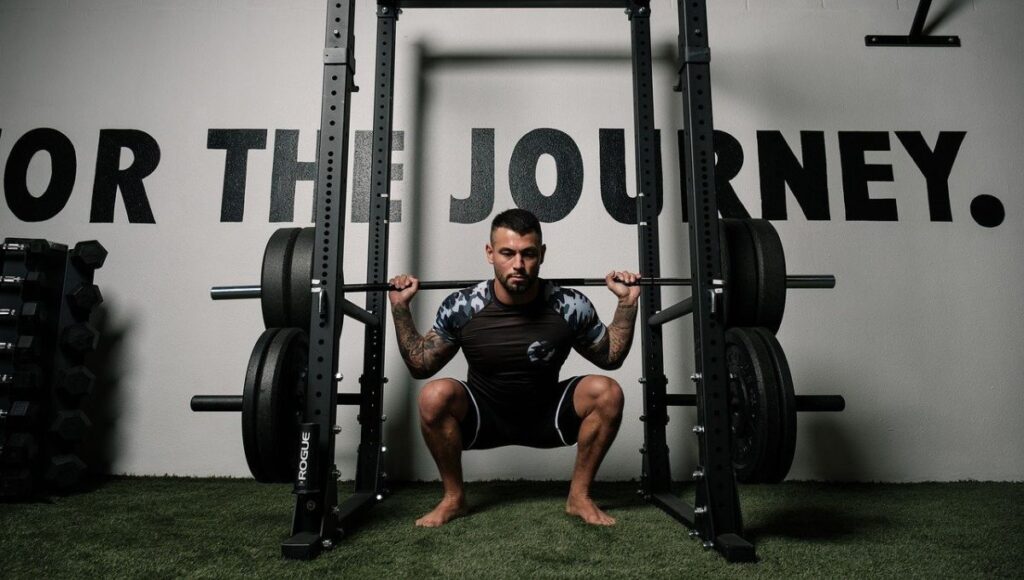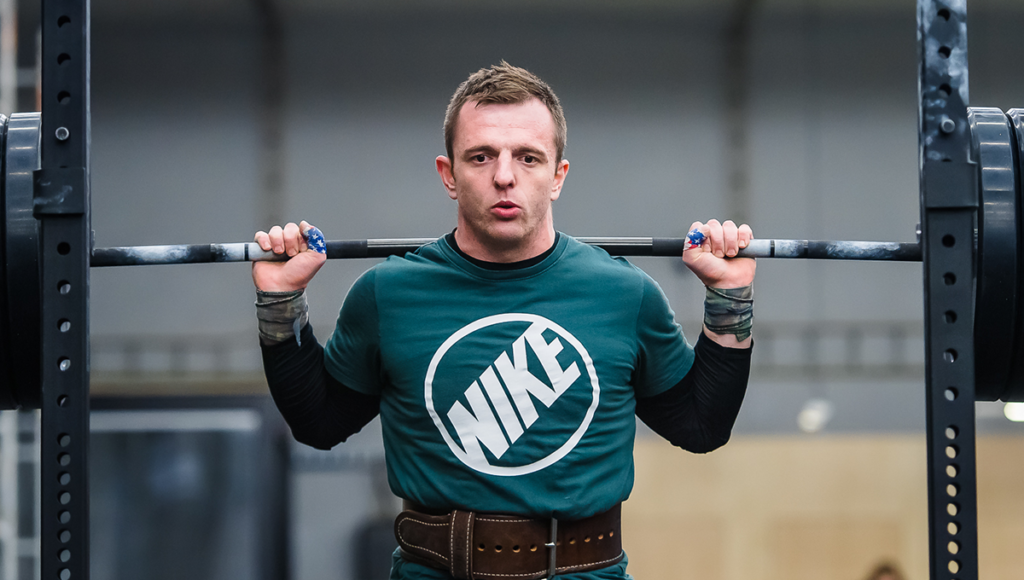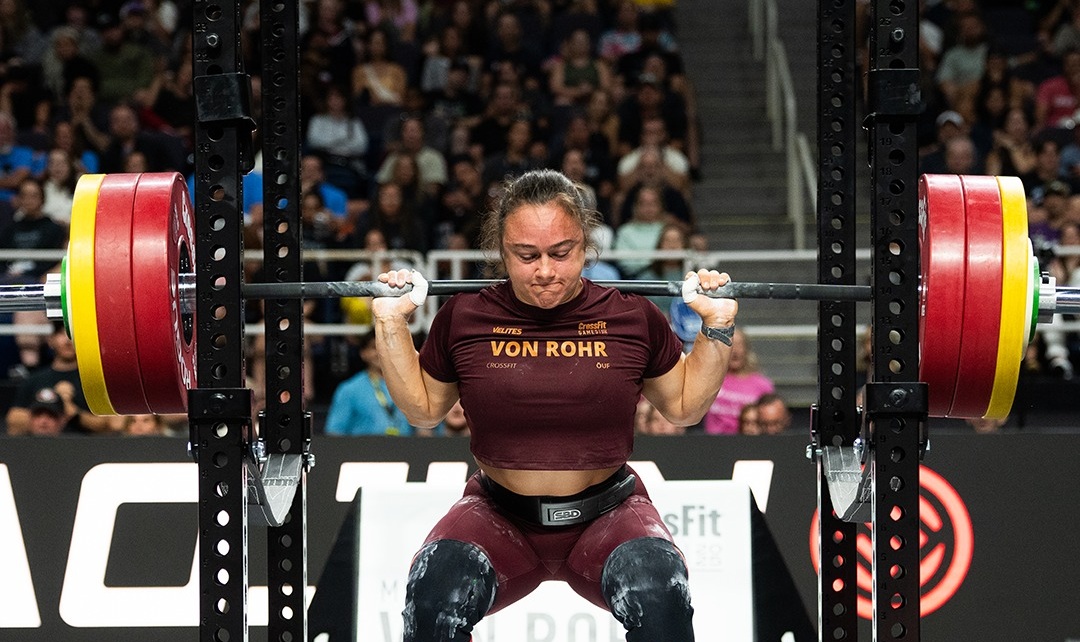


Big squats have long been treated as the gold standard for leg growth. Walk into almost any gym and you will hear the same advice. If you want bigger quads, hamstrings, and glutes, you need to squat heavy. While heavy squats can certainly build impressive legs, they are not the only path to muscle growth.
In fact, a growing body of research shows that muscle hypertrophy depends primarily on mechanical tension, sufficient training volume, proximity to muscular failure, and progressive overload. Heavy back squats are just one way to achieve those goals. Many people can build substantial leg size without regularly loading a barbell with near maximal weights.



This is good news for athletes dealing with joint pain, older lifters, people recovering from injuries, individuals with limited equipment, and anyone who simply does not enjoy heavy squatting. It is also relevant for CrossFit athletes who already place significant stress on their bodies through running, jumping, Olympic lifting, and high intensity conditioning.
The key is understanding what actually drives muscle growth and then selecting exercises that challenge the target muscles effectively while minimizing unnecessary fatigue and injury risk.
Why Heavy Squats Are Not Essential for Muscle Growth
The belief that heavy squats are mandatory for leg development comes from their effectiveness. Squats train multiple muscle groups simultaneously and allow for progressive overload over long periods. However, effectiveness does not equal exclusivity.
Research consistently shows that muscle growth can occur across a broad spectrum of loading ranges. Studies comparing heavy loads and lighter loads performed close to muscular failure have found similar hypertrophy outcomes when total effort is matched. The body does not recognize exercises. It recognizes tension, fatigue, and the cellular signals that stimulate adaptation. As long as a muscle experiences sufficient mechanical tension and recruitment of muscle fibers, growth can occur.
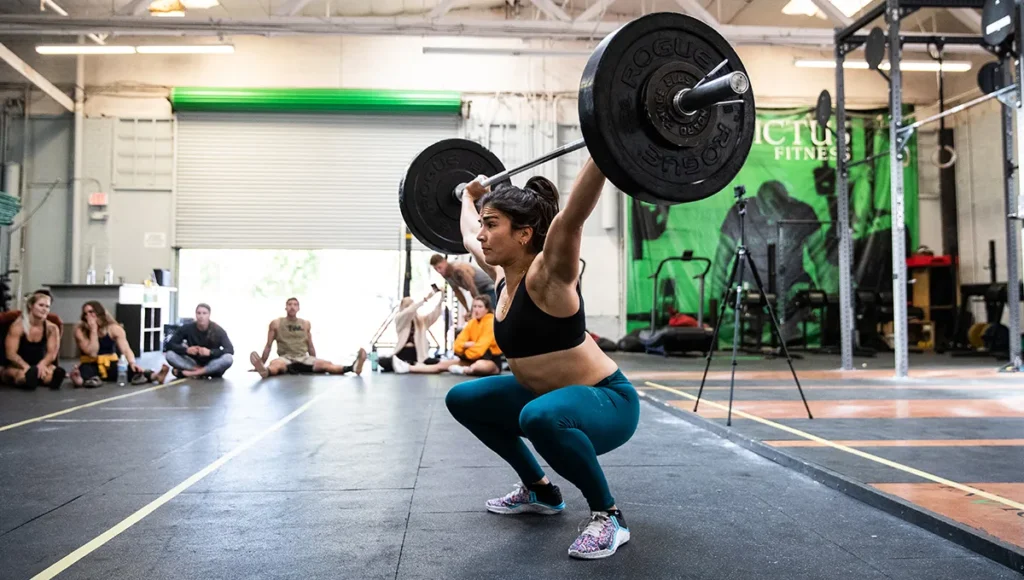
This means that exercises such as Bulgarian split squats, leg presses, walking lunges, step ups, leg extensions, Romanian deadlifts, and hamstring curls can all contribute significantly to leg hypertrophy. In some cases, these movements may even provide advantages over heavy squats because they allow greater muscle targeting with lower systemic fatigue.
Heavy squats place substantial stress on the spine, hips, knees, and nervous system. While this stress can be productive, it can also limit recovery and training frequency. For some lifters, reducing heavy squat volume actually improves overall progress because they can perform more quality work across the week.
The Science of Leg Hypertrophy
Mechanical Tension Is the Primary Driver
Mechanical tension refers to the force experienced by muscle fibers during contraction. It is widely considered the most important stimulus for muscle growth.
Heavy loads can create high tension, but lighter loads can also generate significant tension when sets are taken close to failure. As fatigue accumulates, the body recruits larger motor units and more muscle fibers to maintain force production. This explains why a challenging set of twenty walking lunges can stimulate muscle growth despite using much lighter loads than a heavy back squat.
Training Volume Matters
Volume is often defined as the total amount of work performed. Research consistently shows that higher weekly training volumes are associated with greater hypertrophy, up to an individual recovery limit. Many athletes struggle to accumulate enough volume with heavy squats because of the fatigue they generate. Alternative exercises often allow more total productive work without excessive recovery demands.
For example, a lifter may complete several hard sets of leg presses, split squats, and leg extensions while maintaining high quality technique. Attempting the same volume with heavy squats would often result in greater fatigue and diminished performance.
Training Close to Failure
Muscle growth is strongly influenced by the recruitment of high threshold motor units. One of the most reliable ways to ensure recruitment is to perform sets near muscular failure. This does not mean every set must end in complete exhaustion. However, stopping with only one to three repetitions remaining is often sufficient to maximize hypertrophic stimulus.
Many machine and unilateral exercises are particularly useful because they allow lifters to push hard with less technical complexity and lower injury risk.
Exercise Selection Influences Growth
Different exercises challenge muscles at different lengths and resistance profiles. Research increasingly suggests that training muscles in lengthened positions may enhance hypertrophy. Exercises such as Bulgarian split squats, deep lunges, Romanian deadlifts, and deficit step ups place muscles under tension while stretched, potentially increasing growth stimulus.
This may partly explain why some athletes develop impressive legs despite performing very little heavy squatting.
Best Exercises for Bigger Legs Without Heavy Squats
Leg Press
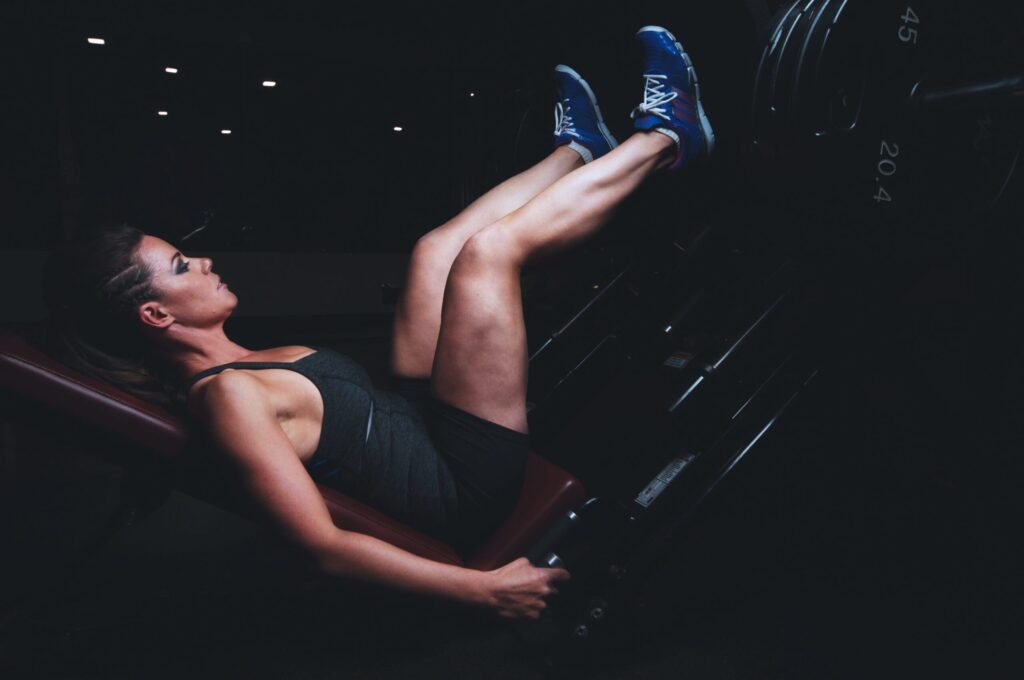
The leg press is one of the most effective alternatives to heavy squats.
It allows significant loading of the quadriceps and glutes while reducing spinal compression and balance requirements. Because stability demands are lower, many lifters can focus more directly on pushing the target muscles close to failure.
A deep range of motion is important. Lowering the sled as far as mobility allows without losing pelvic position increases muscle activation and overall effectiveness.
For hypertrophy, moderate to high repetitions often work exceptionally well.
Bulgarian Split Squat

Few exercises match the hypertrophy potential of the Bulgarian split squat.
This unilateral movement challenges the quadriceps, glutes, adductors, and stabilizing muscles while creating substantial tension through a long range of motion.
Because only one leg works at a time, relatively light external loads can produce an intense training effect. Many athletes discover that holding modest dumbbells is more than enough to create significant muscular fatigue. The exercise also addresses side to side imbalances and improves lower body stability.
Walking Lunges
Walking lunges combine mechanical tension with a large amount of metabolic stress.
Each step requires force production, balance, coordination, and muscle activation. The cumulative effect of multiple repetitions creates a powerful growth stimulus.
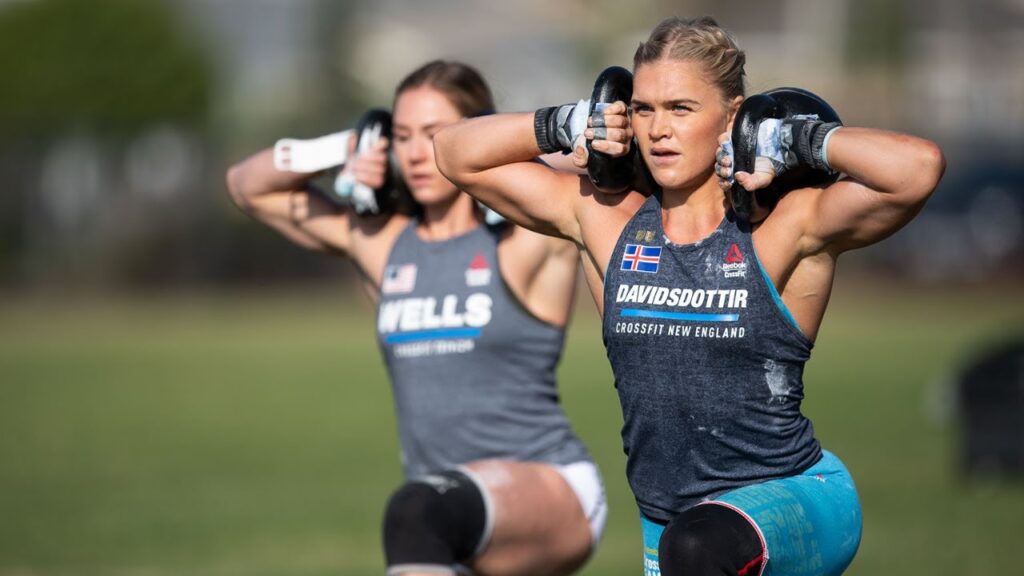
Walking lunges particularly challenge the glutes and quadriceps while providing a meaningful conditioning benefit. They are especially useful for athletes seeking muscle growth without excessive joint stress.
Step Ups
Step ups are often overlooked in hypertrophy programs.
A properly executed step up emphasizes the quadriceps and glutes while minimizing impact forces. Using a box height that allows a large range of motion can significantly increase muscle recruitment.
The exercise is also highly functional and transfers well to athletic performance.
Leg Extensions
Isolation exercises sometimes receive less attention than compound lifts, but they can be extremely valuable for hypertrophy.
Leg extensions directly target the quadriceps and allow high levels of local muscular fatigue. They are particularly useful for increasing training volume without adding substantial systemic stress.
Research has shown that single joint exercises can effectively contribute to muscle growth when included within a balanced training program.
Romanian Deadlifts
Building bigger legs requires more than just quad development. Romanian deadlifts are among the best exercises for developing the hamstrings and glutes. The movement places these muscles under substantial tension in a lengthened position.
Controlling the lowering phase and maintaining tension throughout the set are critical for maximizing results. Romanian deadlifts also improve posterior chain strength, which benefits athletic performance and injury resilience.

Hamstring Curls
The hamstrings cross both the hip and knee joints. Because of this anatomy, direct knee flexion work is important for complete development. Hamstring curls effectively target regions of the hamstrings that may not receive sufficient stimulus from hip hinge movements alone.
Combining Romanian deadlifts with hamstring curls creates a comprehensive approach to posterior chain hypertrophy.
Why Unilateral Training Can Be Superior for Some Lifters
Many people assume bilateral exercises are always better because they allow heavier loading. However, unilateral exercises offer several unique advantages.
They increase stability demands, often improve muscle activation, and allow greater training volume with less spinal loading. They can also reveal and correct imbalances that may limit long term progress. Research examining unilateral and bilateral training suggests that both can be effective for strength and hypertrophy. The choice should depend on individual needs and goals.
For lifters avoiding heavy squats, unilateral exercises often become foundational movements because they provide a strong stimulus with relatively modest external loads.
The Importance of Range of Motion
A full range of motion appears to be highly beneficial for muscle growth. Studies comparing partial and full range training frequently show superior hypertrophy outcomes when muscles are trained through larger movement amplitudes.
Deep split squats, full depth leg presses, walking lunges, and controlled Romanian deadlifts all take advantage of this principle. A larger range of motion generally increases time under tension and exposes muscles to greater stretch related stress, both of which may contribute to hypertrophy.
This does not mean every repetition must be exaggerated beyond safe limits. Rather, athletes should aim to use the greatest practical range of motion that maintains proper technique.
How Much Weight Do You Actually Need?
One of the most liberating findings in exercise science is that muscle growth can occur with a wide variety of loads. Research has demonstrated comparable hypertrophy between heavy and light training when sets are performed close to failure.
This means a set of Bulgarian split squats with moderate dumbbells can be just as productive for muscle growth as a much heavier squat set, provided the effort level is sufficiently high. The practical implication is simple. Instead of focusing exclusively on the amount of weight lifted, focus on creating challenging sets that recruit and fatigue the target muscles.
Progressive overload remains important, but overload can come from additional repetitions, more sets, improved technique, increased range of motion, or slightly heavier loads.
A Sample Leg Building Program Without Heavy Squats
A successful hypertrophy program should balance volume, recovery, and exercise variety.
Day One
- Bulgarian split squats performed for three to four hard sets.
- Leg press performed for three to four hard sets.
- Leg extensions performed for two to three hard sets.
- Standing calf raises performed for three hard sets.
Day Two
- Romanian deadlifts performed for three to four hard sets.
- Hamstring curls performed for three to four hard sets.
- Walking lunges performed for three hard sets.
- Seated calf raises performed for three hard sets.
This structure provides substantial stimulus for all major lower body muscle groups without relying on heavy barbell squats.
Common Mistakes When Avoiding Heavy Squats
Not Training Hard Enough
Some lifters replace heavy squats with easier exercises and then fail to push those exercises close to failure. Muscle growth still requires effort. Light weights alone do not guarantee results.
Using Too Little Volume
Because alternative exercises may feel less demanding systemically, athletes sometimes underestimate how much work is needed. Most muscle groups benefit from multiple hard sets per week spread across several training sessions.
Ignoring the Posterior Chain
Many squat alternatives emphasize the quadriceps. Failing to include Romanian deadlifts, hamstring curls, and glute focused work can create imbalances and limit overall leg development.
Sacrificing Range of Motion
Shortened repetitions reduce muscle stimulus. Whenever possible, exercises should be performed through a controlled and meaningful range of motion.
Final Thoughts
Building bigger legs without squatting heavy is not only possible, it is supported by modern exercise science. Muscle hypertrophy is driven by mechanical tension, adequate volume, progressive overload, and sufficient effort. Heavy back squats can contribute to those factors, but they are far from the only option.
Exercises such as Bulgarian split squats, leg presses, walking lunges, step ups, Romanian deadlifts, leg extensions, and hamstring curls can provide powerful growth stimuli while reducing spinal loading and overall fatigue. For athletes dealing with mobility restrictions, injury history, recovery limitations, or personal preference, these movements offer an effective path toward impressive leg development.
Focus on training hard, using a full range of motion, accumulating sufficient weekly volume, and supporting recovery with proper nutrition and sleep. Do that consistently, and your legs can grow remarkably well without ever needing to chase maximal squat numbers.
Key Takeaways
| Principle | What It Means | Practical Application |
|---|---|---|
| Mechanical tension drives growth | Muscles grow when exposed to sufficient tension | Train exercises hard and close to failure |
| Heavy squats are optional | Growth can occur across many loading ranges | Use exercises that suit your body and goals |
| Volume matters | More productive weekly work generally supports hypertrophy | Perform enough challenging sets each week |
| Unilateral exercises are effective | Single leg movements create strong muscle stimulus | Include Bulgarian split squats, lunges, and step ups |
| Full range of motion helps | Greater muscle stretch can enhance growth | Use deep, controlled repetitions |
| Posterior chain development is essential | Hamstrings and glutes contribute to overall leg size | Include Romanian deadlifts and hamstring curls |
| Recovery supports adaptation | Muscles grow between workouts | Prioritize sleep, nutrition, and fatigue management |
References
• Brad Schoenfeld, B. (2010) ‘The mechanisms of muscle hypertrophy and their application to resistance training’, Journal of Strength and Conditioning Research, 24(10), pp. 2857 to 2872.
• Schoenfeld, B.J., Ogborn, D. and Krieger, J.W. (2017) ‘Dose response relationship between weekly resistance training volume and increases in muscle mass’, Journal of Sports Sciences, 35(11), pp. 1073 to 1082.
• Schoenfeld, B.J., Grgic, J., Ogborn, D. and Krieger, J.W. (2017) ‘Strength and hypertrophy adaptations between low load and high load resistance training’, Journal of Strength and Conditioning Research, 31(12), pp. 3508 to 3523.
• Morton, R.W., Oikawa, S.Y., Wavell, C.G., Mazara, N., McGlory, C., Quadrilatero, J., Baechler, B.L., Baker, S.K. and Phillips, S.M. (2016) ‘Neither load nor systemic hormones determine resistance training mediated hypertrophy or strength gains in resistance trained young men’, Journal of Applied Physiology, 121(1), pp. 129 to 138.
• Grgic, J., Schoenfeld, B.J., Orazem, J. and Sabol, F. (2018) ‘Effects of resistance training performed to repetition failure or non failure on muscular strength and hypertrophy’, Journal of Sport and Health Science, 10(2), pp. 202 to 211.
• Bloomquist, K., Langberg, H., Karlsen, S., Madsgaard, S., Boesen, M. and Raastad, T. (2013) ‘Effect of range of motion in heavy load squatting on muscle and tendon adaptations’, European Journal of Applied Physiology, 113(8), pp. 2133 to 2142.
• Pedrosa, G.F., Lima, F.V., Schoenfeld, B.J., Steele, J. and Gentil, P. (2022) ‘The effects of training with full versus partial range of motion on muscle hypertrophy’, Sports Medicine, 52(6), pp. 1307 to 1321.