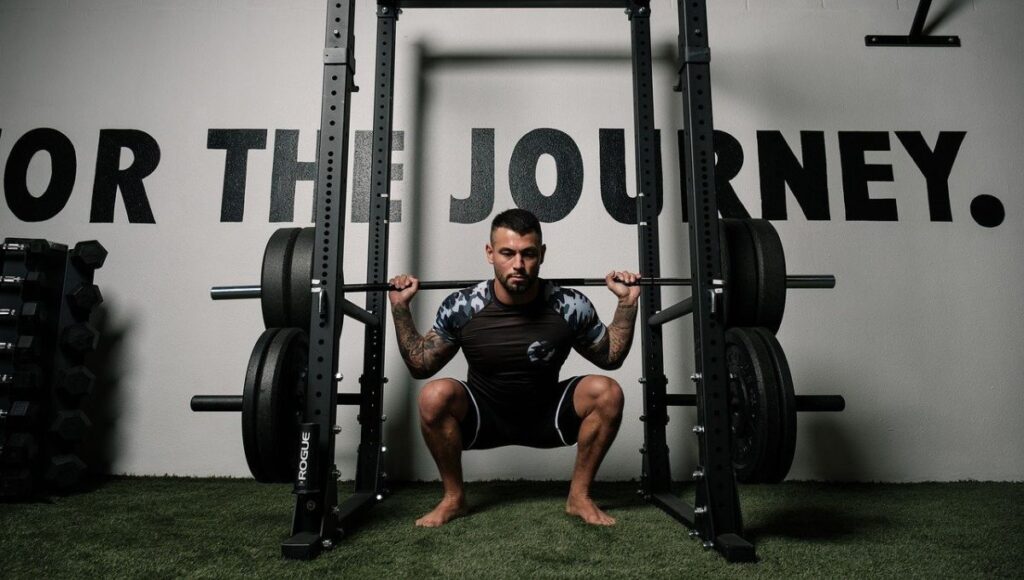


Barbell back squats have long been treated as the king of lower body exercises. They are effective for building strength and muscle, but they are far from the only path to bigger quadriceps. Many lifters struggle with barbell squats because of mobility limitations, lower back pain, previous injuries, or simply because they do not feel their quads doing much of the work. Others train in home gyms or commercial gyms where they want to avoid waiting for a squat rack.
The good news is that your quads do not know whether you are holding a barbell across your shoulders. They respond to mechanical tension, sufficient training volume, progressive overload, and adequate recovery. Research over the past decade has consistently shown that muscle growth depends far more on these principles than on any single exercise.



If your goal is bigger thighs, you can absolutely build impressive quads without ever performing a traditional barbell back squat. In some cases, alternative exercises may even allow you to place more stress directly on the quadriceps while reducing stress on the spine.
Here is exactly how to do it.
Understanding How the Quadriceps Grow
Before choosing exercises, it helps to understand what the quadriceps actually do. The quadriceps consist of four muscles.
Rectus Femoris
This muscle crosses both the hip and knee. It helps extend the knee while also assisting with hip flexion.
Vastus Lateralis
Located on the outside of the thigh, this is the largest quadriceps muscle and contributes significantly to overall leg size.
Vastus Medialis
Often recognized by the teardrop appearance near the knee, this muscle plays an important role in knee stability and extension.
Vastus Intermedius
Situated beneath the rectus femoris, this muscle also produces knee extension. All four muscles are primarily responsible for extending the knee. Exercises that require high levels of knee extension under load are therefore excellent choices for maximizing quadriceps hypertrophy.
Scientific evidence shows that muscle growth is primarily driven by mechanical tension, especially when exercises are performed through a large range of motion and close to muscular failure. While metabolic stress and muscle damage may contribute, mechanical tension remains the dominant stimulus for hypertrophy.
Why You Do Not Need Barbell Squats
Barbell squats are a compound exercise that trains multiple muscle groups at once, including the glutes, hamstrings, adductors, spinal erectors, and quadriceps.
That sounds ideal, but there are several reasons why they are not always the best option for quad development. Some people have body proportions that naturally shift more work toward the hips than the knees. Long femurs often encourage a forward lean, increasing hip involvement while reducing quadriceps loading.
Others experience lower back fatigue before their quads are fully challenged. In this situation, the limiting factor becomes spinal endurance rather than leg strength.
Research comparing different lower body exercises has shown that exercises producing greater knee flexion and higher quadriceps activation can be equally effective for muscle growth when total training volume is matched. If your goal is simply larger quads, you do not need to force yourself into an exercise that does not suit your body.
The Best Exercises for Bigger Quads
Leg Press
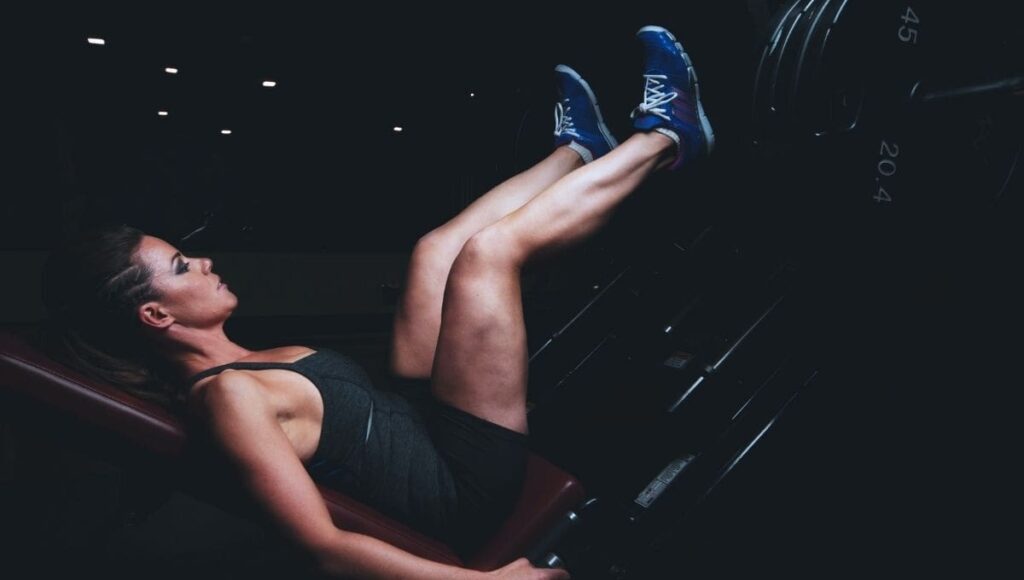
The leg press is arguably the closest substitute for heavy squats when hypertrophy is the goal. Unlike barbell squats, the machine stabilizes your body, allowing you to focus almost entirely on producing force with the legs.
Placing your feet lower on the platform increases knee flexion and emphasizes the quadriceps. Working through the deepest comfortable range of motion also increases muscle length under tension, which appears particularly beneficial for hypertrophy.
Because balance is less demanding, many people can safely push closer to muscular failure on the leg press than they can with free weight squats. High repetition sets between ten and twenty repetitions often produce an excellent quadriceps stimulus.
Bulgarian Split Squats
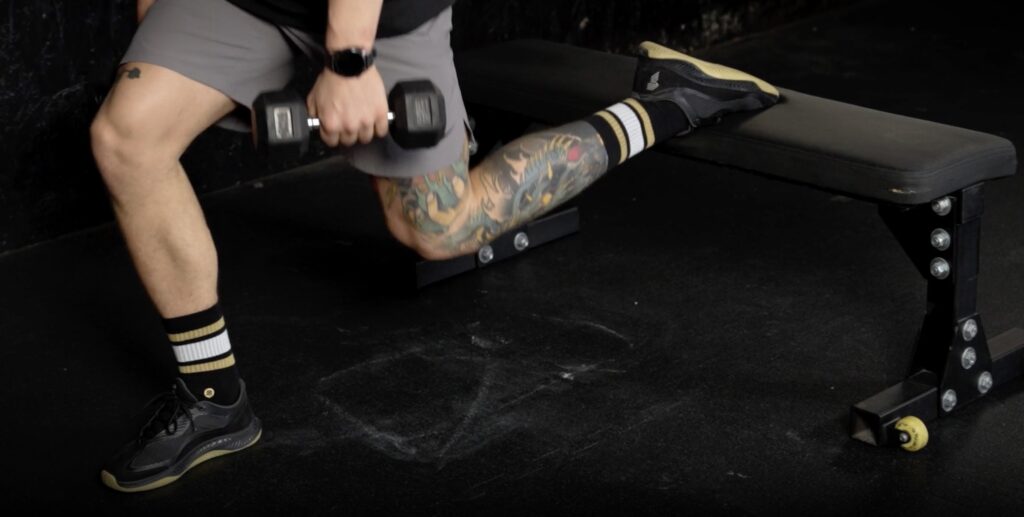
Single leg training has become increasingly popular for good reason. Bulgarian split squats create enormous quadriceps tension while also improving balance and correcting side to side strength imbalances.
Keeping the torso relatively upright and allowing the front knee to travel forward shifts much more of the workload onto the quadriceps. Many lifters discover that relatively light dumbbells produce an extremely challenging training effect due to the long range of motion and unilateral loading.
Studies comparing unilateral and bilateral lower body exercises have shown similar improvements in muscle size when training volume is matched.
Hack Squat Machine
The hack squat machine combines many of the benefits of traditional squats with increased stability. The fixed movement path reduces technical demands while allowing very deep knee flexion.
Many bodybuilders favor hack squats because they consistently create a strong quadriceps pump and allow progressive overload without placing excessive stress on the lower back. If available in your gym, this should be one of your primary exercises for building larger thighs.
Front Foot Elevated Split Squats
Raising the front foot on a small platform increases knee travel and range of motion. This simple modification increases quadriceps loading substantially compared to standard split squats. The greater stretch near the bottom position may further enhance muscle growth, as growing evidence suggests that training muscles at longer lengths produces superior hypertrophy.
Walking Lunges
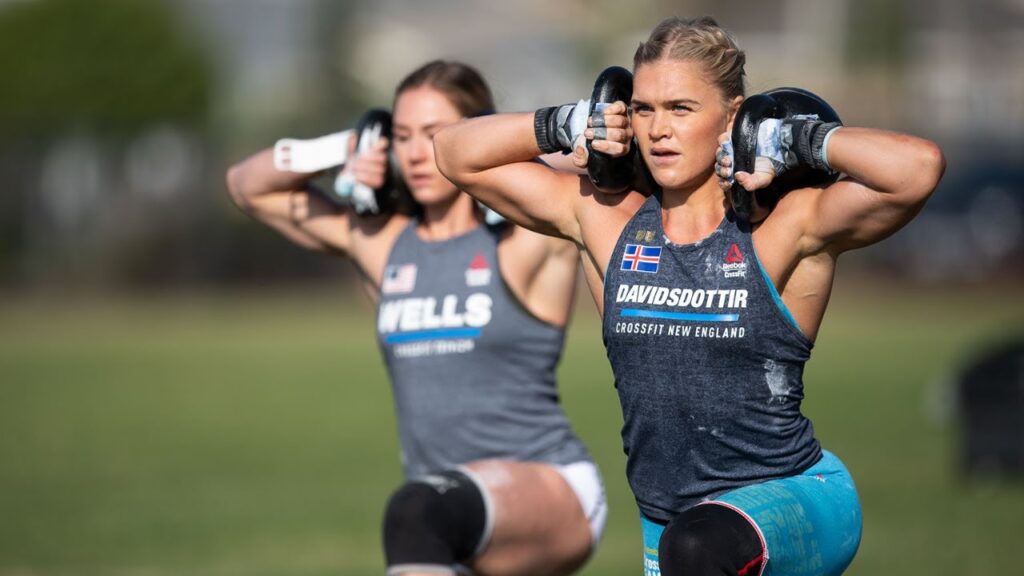
Walking lunges combine strength, coordination, and muscular endurance. Longer steps increase glute involvement, while shorter steps with greater knee travel place more emphasis on the quadriceps.
Walking lunges also generate high levels of metabolic stress while accumulating significant training volume. Because each leg works independently, they provide an excellent opportunity to eliminate muscular imbalances.
Step Ups
Step ups are often overlooked, but they are highly effective. Using a box that places the working thigh at or slightly above parallel encourages substantial quadriceps recruitment.
Focus on driving through the working leg rather than pushing off aggressively with the trailing foot. Controlled lowering increases time under tension and improves overall training quality.
Leg Extensions
Isolation exercises often receive unnecessary criticism. Leg extensions directly train knee extension, making them one of the few exercises capable of isolating the quadriceps.
Research consistently demonstrates high quadriceps activation during leg extensions. They are particularly useful at the end of workouts after heavier compound exercises. Performing controlled repetitions through a full range of motion and approaching muscular failure produces an outstanding hypertrophy stimulus.
Train Through a Full Range of Motion
One of the biggest developments in hypertrophy research has been the importance of training muscles at longer lengths. For the quadriceps, this means allowing deep knee flexion whenever mobility and joint health permit.
Partial repetitions certainly have their place, but consistently performing deep repetitions appears to stimulate greater muscle growth than limiting depth. This principle applies to leg presses, split squats, hack squats, and lunges. Only reduce range of motion if pain or injury requires it.
Use Enough Weekly Volume
Training volume remains one of the strongest predictors of muscle growth. Most evidence suggests that approximately ten to twenty challenging sets per muscle group each week is an effective target for experienced lifters.
Beginners usually make excellent progress with lower volumes. Intermediate and advanced trainees often require more weekly work, provided recovery remains adequate. Rather than cramming all your quad training into one session, spreading the volume across two or three weekly workouts typically produces better performance and higher quality sets.
Common Mistakes That Limit Quad Growth
One common mistake is relying exclusively on low repetition strength training. While heavy loads certainly build muscle, moderate and even higher repetition ranges are equally effective when sets are performed close to failure.
Another mistake is stopping every set too early. Many people underestimate how many repetitions they have left before true muscular failure. Poor exercise selection can also slow progress. If every movement primarily targets the hips and glutes, the quadriceps may never receive sufficient stimulus.
Finally, neglecting recovery often limits results more than exercise selection. High quality sleep, adequate nutrition, and intelligent programming allow your muscles to actually adapt to hard training.
Final Thoughts
Barbell back squats are an outstanding exercise, but they are not mandatory for building massive quadriceps. Modern hypertrophy research consistently demonstrates that muscle growth depends on training quality rather than allegiance to a particular lift.
Exercises such as hack squats, leg presses, Bulgarian split squats, walking lunges, front foot elevated split squats, step ups, and leg extensions can all produce exceptional quadriceps development when performed through a full range of motion with sufficient effort and progressive overload.
If barbell squats do not fit your body, your goals, or your injury history, there is no reason to force them into your routine. Focus instead on consistently challenging your quadriceps with exercises that allow hard work, excellent technique, and long term progression. Your thighs will not know the difference.
Key Takeaways
| Principle | Why It Matters | Practical Application |
|---|---|---|
| Mechanical tension drives growth | The primary stimulus for hypertrophy | Train hard with controlled technique and progressive overload |
| Full range of motion is beneficial | Greater muscle length under tension supports growth | Use deep repetitions whenever pain free |
| Machines are highly effective | Stability allows greater quad focus | Include leg press, hack squat, and leg extensions |
| Single leg exercises build size | They improve balance while heavily loading the quadriceps | Use Bulgarian split squats, lunges, and step ups |
| Weekly volume matters | More quality sets generally produce greater hypertrophy | Aim for ten to twenty challenging weekly sets |
| Train close to failure | High effort recruits more muscle fibers | Finish most sets with one to three repetitions in reserve |
| Nutrition supports muscle growth | Protein and calories are essential for recovery | Consume 1.6 to 2.2 grams of protein per kilogram daily |
| Sleep enhances adaptation | Recovery is essential for growth | Aim for seven to nine hours every night |
References
- American College of Sports Medicine (2009) ‘Progression models in resistance training for healthy adults’, Medicine & Science in Sports & Exercise, 41(3), pp. 687 to 708.
- Brad Schoenfeld, B., Ogborn, D. and Krieger, J.W. (2017) ‘Dose response relationship between weekly resistance training volume and increases in muscle mass’, Journal of Sports Sciences, 35(11), pp. 1073 to 1082.
- Grgic, J., Schoenfeld, B.J., Orazem, J. and Sabol, F. (2022) ‘Effects of resistance training performed to repetition failure or non failure on muscular strength and hypertrophy’, Journal of Sport and Health Science, 11(2), pp. 202 to 211.
- Maeo, S., Ando, Y., Takahashi, T. and Kanehisa, H. (2021) ‘Muscle hypertrophy induced by lengthened position resistance training’, Scandinavian Journal of Medicine & Science in Sports, 31(7), pp. 1399 to 1409.
- Morton, R.W., Murphy, K.T., McKellar, S.R., Schoenfeld, B.J., Henselmans, M., Helms, E., Aragon, A.A., Devries, M.C., Banfield, L., Krieger, J.W. and Phillips, S.M. (2018) ‘A systematic review, meta analysis and meta regression of protein supplementation on resistance training induced gains in muscle mass and strength’, British Journal of Sports Medicine, 52(6), pp. 376 to 384.
- Schoenfeld, B.J. (2010) ‘The mechanisms of muscle hypertrophy and their application to resistance training’, Journal of Strength and Conditioning Research, 24(10), pp. 2857 to 2872.