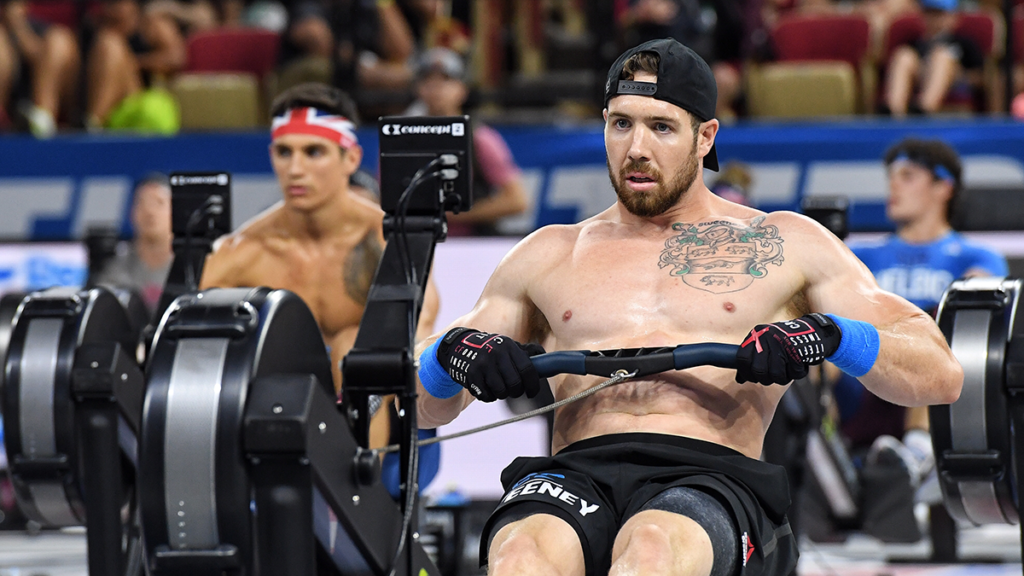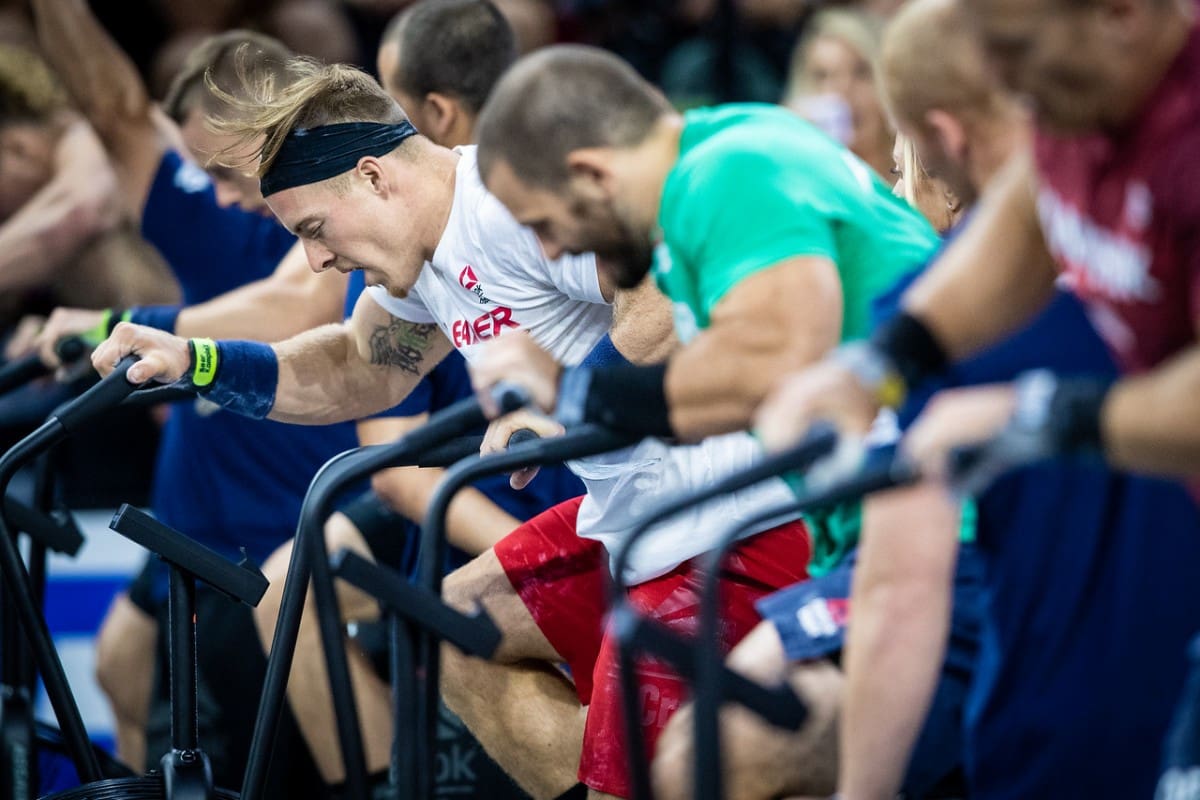


Many people believe cardio is the key to fat loss. Running, cycling, rowing, and long sessions on the treadmill are often seen as essential if your goal is to get lean. While cardiovascular exercise certainly has health benefits and can help increase calorie expenditure, it is not a requirement for losing body fat.
The simple truth is that fat loss depends primarily on energy balance. If you consistently consume fewer calories than your body uses, you will lose body fat over time. Cardio is just one of many tools that can help create that calorie deficit.



That does not mean all approaches are equally effective. The best long term fat loss strategy combines smart nutrition, resistance training, daily movement, quality sleep, and sustainable habits. Cardio can fit into that plan, but it does not have to. Here is what the science says.
What Actually Causes Fat Loss?
Body fat is stored energy. When your body needs more energy than it receives from food, it begins breaking down stored fat to meet those demands. This process happens when you are in a calorie deficit. Whether that deficit comes from eating fewer calories, moving more, or a combination of both does not fundamentally change the biology of fat loss.
Research consistently shows that calorie intake is the primary driver of weight loss, while exercise plays a supporting role by increasing energy expenditure, preserving lean muscle, and improving health outcomes. Many people assume they must burn hundreds of calories through cardio every day. In reality, reducing calorie intake by a modest amount often produces the same energy deficit with much less time and effort.
That does not mean exercise is unimportant. Exercise improves body composition, cardiovascular health, insulin sensitivity, mood, and long term weight maintenance. However, cardio itself is not mandatory for reducing body fat.
The Importance of Nutrition
If you remove cardio from your routine, nutrition becomes even more important. A calorie deficit remains the foundation of fat loss. That deficit should be moderate rather than extreme because severe calorie restriction increases hunger, reduces training performance, and raises the risk of losing muscle mass.

Protein deserves special attention. Higher protein diets help preserve muscle during weight loss while also improving satiety. Protein digestion also requires more energy than carbohydrates or fat, producing a slightly greater thermic effect of food. Whole foods that are rich in fiber, lean protein, vegetables, fruits, and minimally processed carbohydrates generally make maintaining a calorie deficit easier than relying on highly processed foods.
Consistency matters far more than perfection. A nutritional approach you can maintain for months will almost always outperform an aggressive diet that only lasts a few weeks.
Why Resistance Training May Be More Important Than Cardio
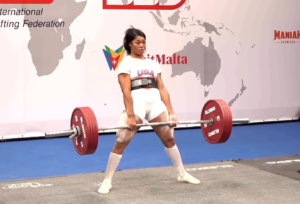
If you want to lose fat without cardio, resistance training becomes one of your most valuable tools. Strength training does not burn as many calories during the workout as long distance running or cycling. However, it offers benefits that cardio alone cannot match.
Preserving Lean Muscle
When people lose weight without resistance training, they often lose muscle alongside fat. Muscle tissue is metabolically active and contributes to daily energy expenditure. More importantly, maintaining muscle helps create the lean, athletic appearance that most people are actually pursuing.
Research consistently shows that combining resistance training with adequate protein significantly reduces muscle loss during calorie restriction.
Improving Body Composition
The scale only tells part of the story. Two people can lose the same amount of weight while ending up with very different physiques. The person who strength trains is more likely to preserve muscle while losing fat, resulting in a lower body fat percentage and a firmer appearance. This explains why many people look dramatically different at the same body weight depending on whether they include resistance training.
Increasing Post Exercise Energy Expenditure
Strength workouts continue to elevate calorie expenditure after training through a process known as excess post exercise oxygen consumption. The total calorie increase is smaller than many fitness myths claim, but it does contribute to overall energy expenditure while supporting muscle retention.
Daily Movement Can Replace Formal Cardio
You do not need scheduled cardio sessions to stay active. One of the biggest contributors to daily calorie expenditure is non exercise activity thermogenesis, often shortened to NEAT.
NEAT includes everything that is not formal exercise. Walking around the office, climbing stairs, cleaning the house, gardening, carrying groceries, standing instead of sitting, and even fidgeting all contribute. Research suggests differences in NEAT between individuals can account for hundreds of calories each day.
Someone who regularly walks throughout the day may burn as many additional calories as someone performing a short cardio workout. This is one reason step counts have become so popular. Increasing daily movement through walking is simple, sustainable, and places less stress on the body than repeated high intensity cardio sessions.
Walking Is Not Traditional Cardio, But It Works
Walking deserves special attention because many people do not think of it as cardio. Brisk walking increases energy expenditure, improves cardiovascular fitness, supports recovery from strength training, and can be sustained for long periods without excessive fatigue.

Unlike hard interval training, walking does not significantly increase appetite in most people, making it easier to maintain a calorie deficit. Walking also produces minimal joint stress, making it appropriate for beginners, older adults, and people recovering from injuries. For many people, consistently walking eight thousand to twelve thousand steps per day provides enough additional activity to support fat loss without requiring traditional cardio workouts.
Can You Lose Fat With Strength Training Alone?
Yes. Numerous studies show resistance training combined with dietary calorie restriction produces meaningful reductions in body fat. Although resistance training burns fewer calories during exercise compared with endurance training, it helps preserve lean mass, improves insulin sensitivity, and increases functional strength.
In some studies, resistance training alone has produced significant reductions in body fat percentage, particularly among beginners who are new to lifting. People who combine strength training with a well structured nutrition plan often achieve better body composition than those relying primarily on cardio.
Does Cardio Burn More Calories?
In most cases, yes. Running, cycling, rowing, and swimming generally burn more calories during the activity than lifting weights. That does not automatically make cardio superior for fat loss. The number of calories burned during exercise represents only one piece of the equation. Hunger, recovery, muscle retention, adherence, and total daily activity all influence long term success.
Some people compensate for hard cardio sessions by eating more afterward or becoming less active during the rest of the day because they feel tired. Others enjoy cardio, recover well, and use it successfully to increase calorie expenditure. The best exercise is the one you can perform consistently while supporting your overall lifestyle.
What Happens If You Skip Cardio Completely?
Skipping cardio does not prevent fat loss. However, removing cardio entirely may reduce some important health benefits if nothing replaces it. Cardiovascular exercise improves heart health, aerobic capacity, blood pressure, cholesterol levels, and overall endurance.
Fortunately, resistance training and regular walking also improve many markers of health. Current physical activity guidelines recommend combining muscle strengthening activities with regular moderate intensity physical activity throughout the week. If your daily lifestyle already includes plenty of walking and you lift weights consistently, you may still meet many health recommendations without traditional cardio sessions.
Common Mistakes When Avoiding Cardio
Many people misunderstand what it means to lose fat without cardio. One common mistake is assuming that lifting weights alone automatically creates a calorie deficit. Exercise burns calories, but poor eating habits can easily erase that benefit. Another mistake is becoming too sedentary outside the gym. Someone who lifts weights four times per week but sits for the remaining waking hours may burn fewer total calories than someone who never enters a gym but stays physically active all day.
Some people also underestimate portion sizes after strength workouts because they believe lifting burns enormous numbers of calories. In reality, nutrition still determines whether fat loss occurs. Ignoring protein intake is another frequent problem. Without sufficient protein, maintaining muscle during weight loss becomes much more difficult.
Finally, many people focus exclusively on the number on the scale. Strength training often improves body composition while producing slower changes in body weight because lean tissue is preserved.
The Bottom Line
Yes, you can absolutely lose fat without doing traditional cardio. The key requirement is maintaining a sustainable calorie deficit through nutrition, daily movement, or resistance training, or ideally a combination of all three.
Strength training helps preserve muscle, improves body composition, and supports long term metabolic health. Walking and other forms of daily movement can substantially increase calorie expenditure without requiring formal cardio workouts. Cardio remains an excellent tool for improving cardiovascular health and increasing daily calorie burn, but it is not biologically necessary for fat loss.
The most effective plan is one you can follow consistently for months rather than weeks. For many people, that means prioritizing nutrition, lifting weights regularly, staying physically active throughout the day, sleeping well, and adding cardio only if it fits their preferences and goals.
Key Takeaways
| Key Point | What It Means |
|---|---|
| Calorie deficit is essential | Fat loss occurs when you consistently burn more calories than you consume. |
| Cardio is optional | Traditional cardio can help but is not required to lose body fat. |
| Nutrition matters most | Diet quality and calorie intake have the biggest influence on fat loss. |
| Strength training is valuable | Resistance training preserves muscle and improves body composition during weight loss. |
| Daily movement counts | Walking and other everyday activities can significantly increase calorie expenditure. |
| Protein supports results | Higher protein intake helps preserve muscle and improves fullness during dieting. |
| Sleep affects fat loss | Good sleep improves appetite regulation, recovery, and long term consistency. |
| Cardio still has benefits | Cardiovascular exercise improves heart health and endurance even if it is not required for fat loss. |
References
- American College of Sports Medicine, 2022. ACSM’s Guidelines for Exercise Testing and Prescription. 11th ed. Philadelphia: Wolters Kluwer.
- Donnelly, J.E., Blair, S.N., Jakicic, J.M., Manore, M.M., Rankin, J.W. and Smith, B.K., 2009. Appropriate physical activity intervention strategies for weight loss and prevention of weight regain for adults. Medicine & Science in Sports & Exercise, 41(2), pp.459 to 471.
- Hall, K.D., Ayuketah, A., Brychta, R., Cai, H., Cassimatis, T., Chen, K.Y., Chung, S.T., Costa, E., Courville, A., Darcey, V. and Fletcher, L.A., 2019. Ultra processed diets cause excess calorie intake and weight gain. Cell Metabolism, 30(1), pp.67 to 77.
- Hill, J.O., Wyatt, H.R. and Peters, J.C., 2012. Energy balance and obesity. Circulation, 126(1), pp.126 to 132.
- Jäger, R., Kerksick, C.M., Campbell, B.I., Cribb, P.J., Wells, S.D., Skwiat, T.M., Purpura, M., Ziegenfuss, T.N., Ferrando, A.A., Arent, S.M. and Smith Ryan, A.E., 2017. International Society of Sports Nutrition position stand: protein and exercise. Journal of the International Society of Sports Nutrition, 14(20).
- Levine, J.A., 2002. Non exercise activity thermogenesis. Arquivos Brasileiros de Endocrinologia & Metabologia, 46(3), pp.273 to 285.
- Morton, R.W., Murphy, K.T., McKellar, S.R., Schoenfeld, B.J., Henselmans, M., Helms, E., Aragon, A.A., Devries, M.C., Banfield, L., Krieger, J.W. and Phillips, S.M., 2018. A systematic review, meta analysis and meta regression of protein supplementation on resistance training induced gains in muscle mass and strength in healthy adults. British Journal of Sports Medicine, 52(6), pp.376 to 384.
- Schoenfeld, B.J., Aragon, A.A. and Krieger, J.W., 2014. Effects of meal frequency on weight loss and body composition. Nutrition Reviews, 73(2), pp.69 to 82.