

The Svend press is one of the most debated chest exercises in the gym. Some lifters swear it creates an incredible chest contraction that no bench press can match. Others dismiss it as nothing more than a light finishing movement that cannot build serious muscle or strength.
The truth sits somewhere in the middle. The Svend press offers a unique stimulus that differs from traditional pressing exercises. It challenges the chest muscles in a way that combines horizontal pressing with continuous isometric tension. That combination makes it valuable in certain situations, but it also comes with limitations that should not be ignored.


If your goal is to build bigger and stronger pecs, understanding where the Svend press fits into your training is much more important than deciding whether it is good or bad. Scientific research on muscle activation, mechanical tension, resistance training, and hypertrophy helps explain exactly what this exercise can and cannot do.
What Is the Svend Press?
The Svend press is an isolation focused chest exercise that was popularized by former World’s Strongest Man Svend Karlsen. Unlike a traditional dumbbell or barbell press, the movement requires squeezing two weight plates together throughout the entire repetition while pressing them away from the chest.
The exercise begins by holding two plates together between your palms at chest height. Instead of gripping the plates with your fingers, you create inward pressure by squeezing them together with your hands. You then press the plates straight forward until your arms are nearly extended before slowly returning them to your chest.

The key feature is the constant inward squeezing force. The chest muscles must continue producing force even when the arms are not moving, creating an isometric contraction throughout the exercise. This constant muscular tension is what makes the Svend press feel very different from conventional pressing movements.
Which Muscles Does the Svend Press Work?
The primary muscle involved is the pectoralis major. Both the clavicular and sternocostal portions contribute to the pressing motion and the squeezing action. Several secondary muscles assist during the movement.
The anterior deltoids help flex the shoulder as the arms move forward. The triceps brachii extend the elbows during the press. The serratus anterior contributes to scapular movement and shoulder stability. The rotator cuff muscles stabilize the shoulder joint throughout the exercise.
Perhaps the most unique feature is that the chest remains under continuous tension because the lifter must actively squeeze the plates together during every phase of the movement.
Research on chest muscle function has consistently shown that the pectoralis major plays a major role in horizontal adduction of the shoulder. Since the Svend press combines pressing with sustained horizontal adduction, it creates a contraction pattern that feels intense despite the relatively light loads used.
Why Does the Svend Press Feel So Hard?
Many people are surprised that pressing only two relatively light plates can produce such an intense burn. This happens because of several physiological factors working together.
Continuous muscular contraction reduces opportunities for the muscles to relax between repetitions. Blood flow becomes partially restricted during prolonged contractions, allowing metabolites such as hydrogen ions and lactate to accumulate. These metabolites stimulate sensory nerves and contribute to the familiar burning sensation experienced during high effort resistance exercise.
At the same time, maintaining constant inward pressure recruits additional motor units to sustain force production throughout the movement. The exercise often produces high levels of perceived effort even though the external load remains modest. That sensation, however, should not be confused with superior muscle building potential.
Does the Svend Press Build Muscle?
The answer is yes, but with important limitations. Scientific evidence consistently shows that muscle hypertrophy can occur across a wide range of loading conditions provided the sets are performed close to muscular failure. Both heavy and lighter resistance can stimulate muscle growth when enough effort is applied.
The Svend press certainly allows high effort sets that generate substantial muscular fatigue. However, muscle growth depends on more than simply feeling a strong contraction.
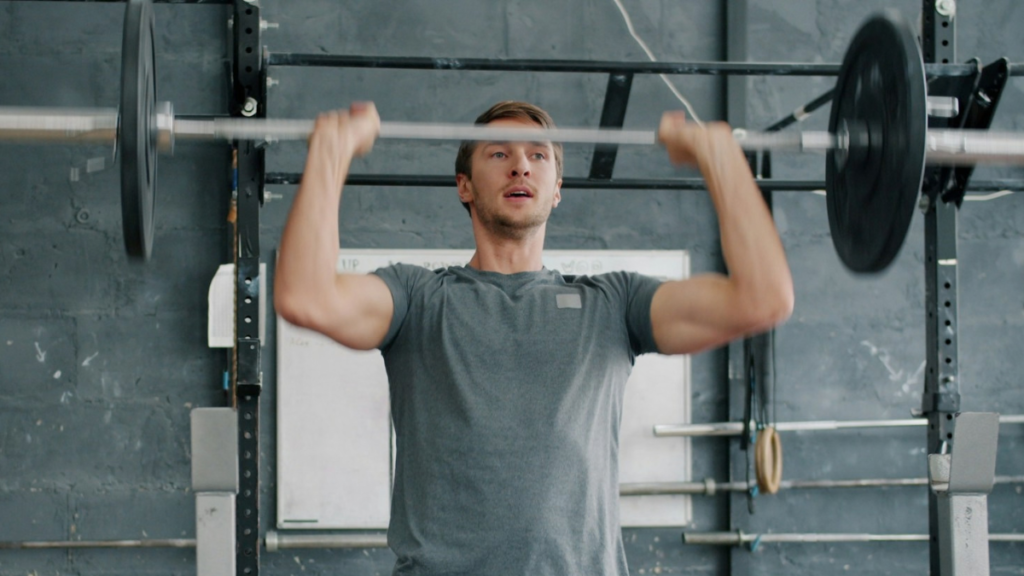
Mechanical tension remains one of the primary drivers of hypertrophy. Mechanical tension refers to the force experienced by muscle fibers while producing movement under load. Because the Svend press cannot typically be loaded very heavily without losing the ability to squeeze the plates together, it provides lower overall mechanical tension than exercises such as the bench press, dumbbell press, or weighted dips.

That means the Svend press is unlikely to outperform traditional compound chest exercises for maximizing muscle growth. Instead, it serves better as an accessory exercise that adds training volume and provides a novel stimulus after heavier pressing work has already been completed.
Can the Svend Press Increase Strength?
If your definition of strength is increasing your one repetition maximum on the bench press, the answer is probably not by itself.
Strength adaptations are highly specific to the movement patterns, joint angles, and loading conditions used during training. Heavy compound lifts remain the gold standard for improving maximal pressing strength because they allow progressive overload with substantial external resistance. The Svend press cannot usually be progressed to similarly heavy loads without compromising technique.
However, it may improve certain qualities that support pressing performance. The exercise can improve mind muscle connection, increase muscular endurance in the chest, reinforce pressing mechanics, and strengthen the ability to maintain tension throughout a movement. These qualities may indirectly benefit compound pressing exercises, especially for beginners learning to activate their chest effectively.
What Does Research Say About Muscle Activation?
Electromyography studies consistently show high pectoralis major activation during traditional pressing exercises, including the flat bench press, incline bench press, push ups, and dumbbell presses.
Research also shows that exercises involving horizontal shoulder adduction produce substantial chest activation because that movement closely matches one of the primary anatomical functions of the pectoralis major. Although relatively little scientific research has specifically examined the Svend press using electromyography, its mechanics strongly suggest significant chest involvement because it combines horizontal pressing with continuous adduction. Still, muscle activation alone should not be interpreted as proof of superior hypertrophy.
High electromyographic activity indicates that muscles are working, but long term muscle growth depends on progressive overload, sufficient training volume, recovery, nutrition, and consistency.
The Advantages of the Svend Press
The biggest strength of the Svend press is constant muscular tension. Unlike many pressing movements where tension fluctuates throughout the range of motion, the chest never fully relaxes because the squeezing action continues from beginning to end.
Many lifters also report improved awareness of chest activation after incorporating the exercise into their workouts. This improved mind muscle connection may help beginners learn to recruit their chest more effectively during heavier compound lifts.
The movement also places relatively low compressive loading on the shoulders compared with heavy barbell pressing. Lifters managing mild shoulder discomfort may find the Svend press comfortable because lighter loads are used while still producing significant muscular effort. Equipment requirements are minimal. Two weight plates are all that is needed, making the exercise practical in almost any gym.
Finally, the Svend press works well as a finishing exercise after heavy pressing because it creates additional training volume without requiring heavy external loads.
The Limitations of the Svend Press
Despite its benefits, the exercise has several important weaknesses.
- The inability to use heavy resistance limits its capacity for progressive overload over long periods.
- Grip fatigue may become the limiting factor before the chest muscles reach complete fatigue, especially when larger plates are used.
- The exercise also lacks the stability and loading potential of dumbbells, barbells, or machines. This makes precise progression more difficult.
- For athletes focused on maximal strength development, the Svend press cannot replace foundational compound exercises.
It should also not become the only chest exercise in a training program because balanced development requires multiple movement patterns and loading strategies.
How to Perform the Svend Press Correctly
Good technique maximizes chest involvement while reducing unnecessary stress on the shoulders.
- Stand upright with your feet about shoulder width apart.
- Hold two weight plates pressed tightly together between your palms at chest height.
- Retract your shoulder blades gently and maintain a neutral spine throughout the movement.
- Begin pressing the plates straight forward while continuing to squeeze them together as hard as possible.
- Pause briefly when your arms are almost fully extended. Avoid locking the elbows aggressively.
- Slowly return the plates to your chest while maintaining constant inward pressure.
- The quality of the squeeze matters more than the amount of weight being used.
Most people achieve better results using relatively light plates that allow continuous pressure throughout every repetition.
Common Mistakes
One of the most common errors is choosing plates that are too heavy. When the plates become difficult to hold together, lifters reduce squeezing force and the unique benefit of the exercise disappears.
Another mistake is allowing the shoulders to roll forward excessively. This shifts more work toward the front deltoids and may increase shoulder discomfort. Many people also rush through repetitions.
Using a controlled tempo increases time under tension and allows better chest engagement throughout each repetition. Finally, some lifters forget to breathe naturally during the exercise. Controlled breathing helps maintain stability without excessive neck tension.
Is the Svend Press the Perfect Chest Exercise?
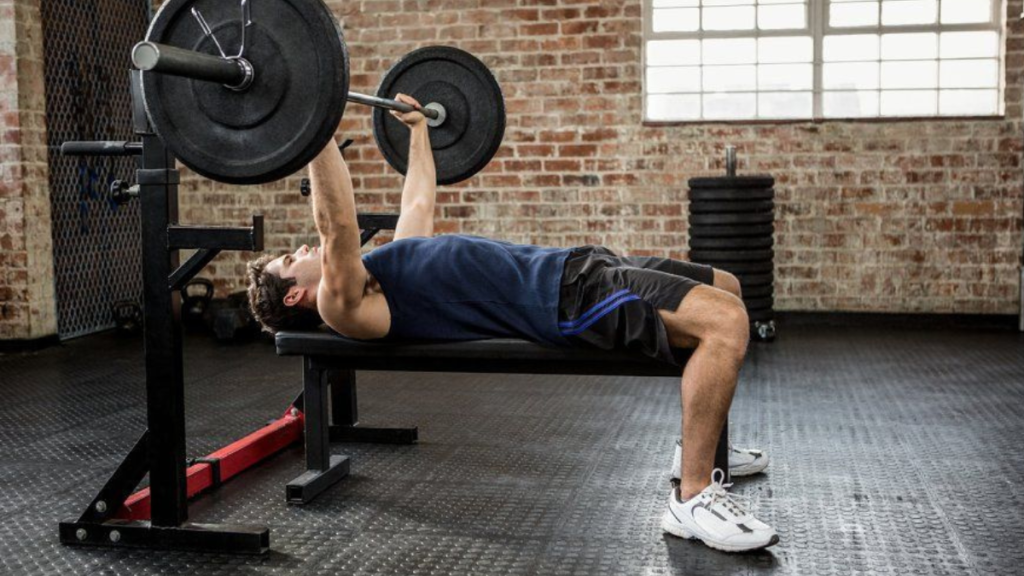
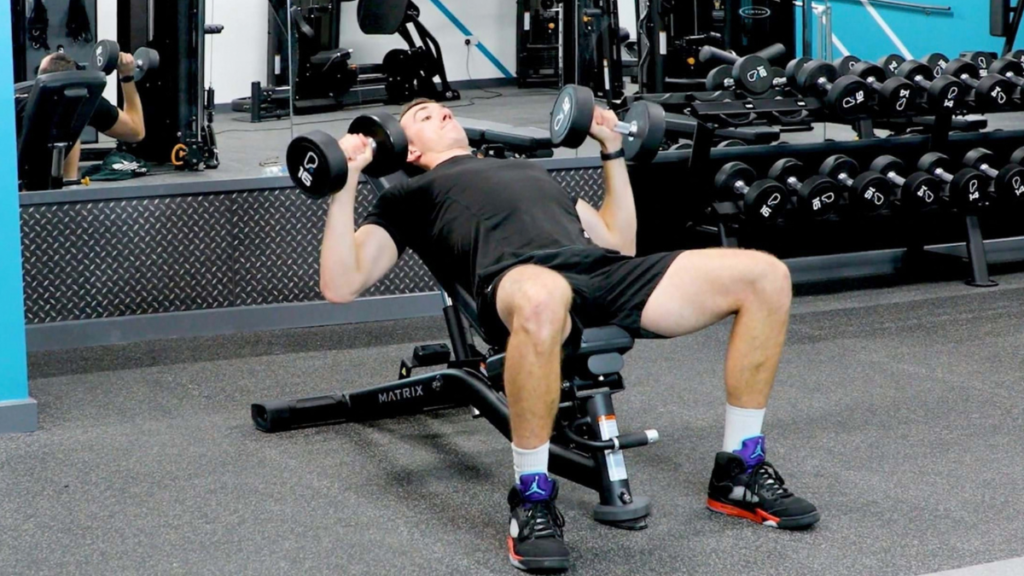
No single exercise deserves the title of perfect. The bench press excels at developing maximal strength and allows consistent progressive overload. Dumbbell presses improve stability and range of motion. Cable flyes provide constant tension through a different movement pattern.
The Svend press offers something unique by combining pressing with continuous isometric squeezing that keeps the chest under tension throughout every repetition.
Scientific evidence supports the value of high effort resistance training across many loading ranges, but it also consistently highlights the importance of sufficient mechanical tension and progressive overload for maximizing muscle growth and strength.
Viewed through that lens, the Svend press is best understood as a valuable accessory exercise rather than a replacement for traditional compound presses.
If your goal is bigger, stronger pecs, use the Svend press to supplement your training, improve chest awareness, and finish workouts with intense muscular fatigue. Build your foundation around heavy compound exercises, progressively increase your loads over time, recover well, and eat enough protein. That combination remains the most evidence based path toward stronger chest muscles.
Key Takeaways
| Topic | Summary |
|---|---|
| Primary purpose | The Svend press is an accessory chest exercise that combines pressing with continuous squeezing for constant muscular tension. |
| Main muscles | The pectoralis major is the primary muscle, assisted by the anterior deltoids, triceps, serratus anterior, and shoulder stabilizers. |
| Muscle growth | It can contribute to hypertrophy when performed with sufficient effort, but heavy compound presses remain superior for maximizing growth. |
| Strength development | It is not an ideal primary exercise for building maximal pressing strength because loading potential is limited. |
| Best use | Perform it near the end of chest workouts to increase training volume and improve chest activation. |
| Biggest advantage | Continuous tension creates an intense chest contraction with relatively light weights. |
| Biggest limitation | Limited progressive overload reduces its effectiveness as a standalone chest builder. |
References
- American College of Sports Medicine. (2009) ‘Progression models in resistance training for healthy adults’, Medicine & Science in Sports & Exercise, 41(3), pp. 687 to 708.
- Gentil, P., Fisher, J. and Steele, J. (2017) ‘A review of the acute effects and long term adaptations of single and multi joint exercises during resistance training’, Sports Medicine, 47(5), pp. 843 to 855.
- Kubo, K., Ikebukuro, T. and Yata, H. (2021) ‘Effects of resistance training with different loads on muscle hypertrophy and strength’, Journal of Strength and Conditioning Research, 35(1), pp. 1 to 9.
- Morton, R.W., Oikawa, S.Y., Wavell, C.G., Mazara, N., McGlory, C., Quadrilatero, J., Baechler, B.L., Baker, S.K. and Phillips, S.M. (2016) ‘Neither load nor systemic hormones determine resistance training mediated hypertrophy or strength gains in resistance trained young men’, Journal of Applied Physiology, 121(1), pp. 129 to 138.
- Schoenfeld, B.J. (2010) ‘The mechanisms of muscle hypertrophy and their application to resistance training’, Journal of Strength and Conditioning Research, 24(10), pp. 2857 to 2872.
- Schoenfeld, B.J. (2013) ‘Potential mechanisms for a role of metabolic stress in hypertrophic adaptations to resistance training’, Sports Medicine, 43(3), pp. 179 to 194.
- Schoenfeld, B.J., Grgic, J., Ogborn, D. and Krieger, J.W. (2017) ‘Strength and hypertrophy adaptations between low load and high load resistance training’, Journal of Strength and Conditioning Research, 31(12), pp. 3508 to 3523.
- Signorile, J.F., Zink, A.J. and Szwed, S.P. (2002) ‘A comparative electromyographical investigation of muscle utilization patterns using various hand positions during the bench press’, Journal of Strength and Conditioning Research, 16(1), pp. 65 to 71.
- Wakahara, T., Fukutani, A., Kawakami, Y. and Yanai, T. (2013) ‘Nonuniform muscle hypertrophy following resistance training’, Medicine & Science in Sports & Exercise, 45(11), pp. 2151 to 2159.