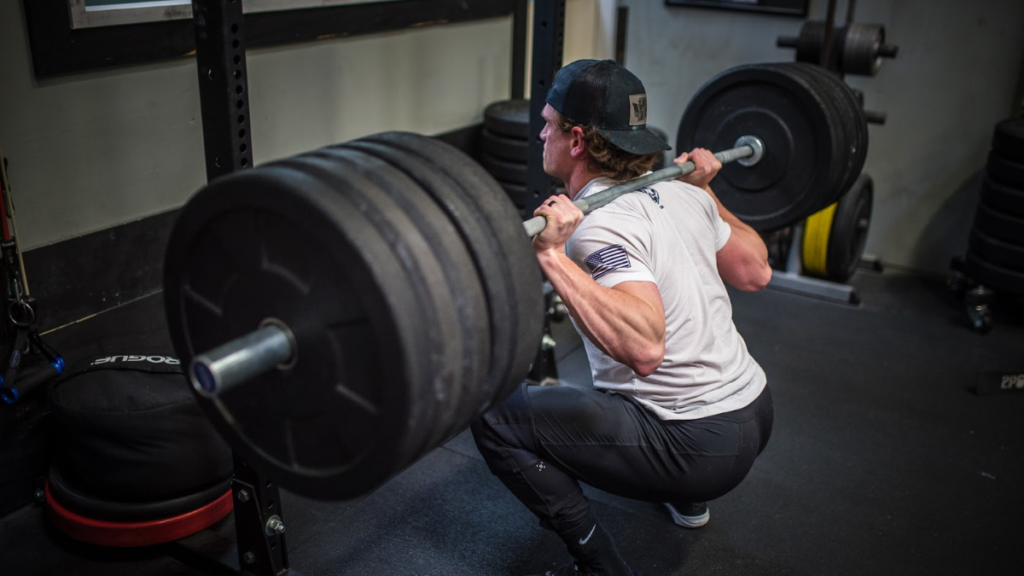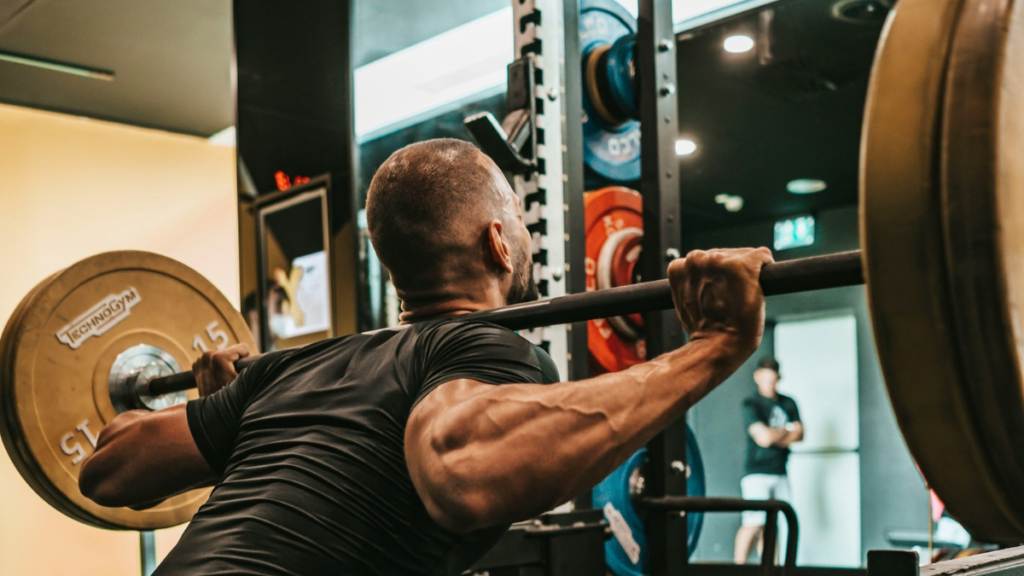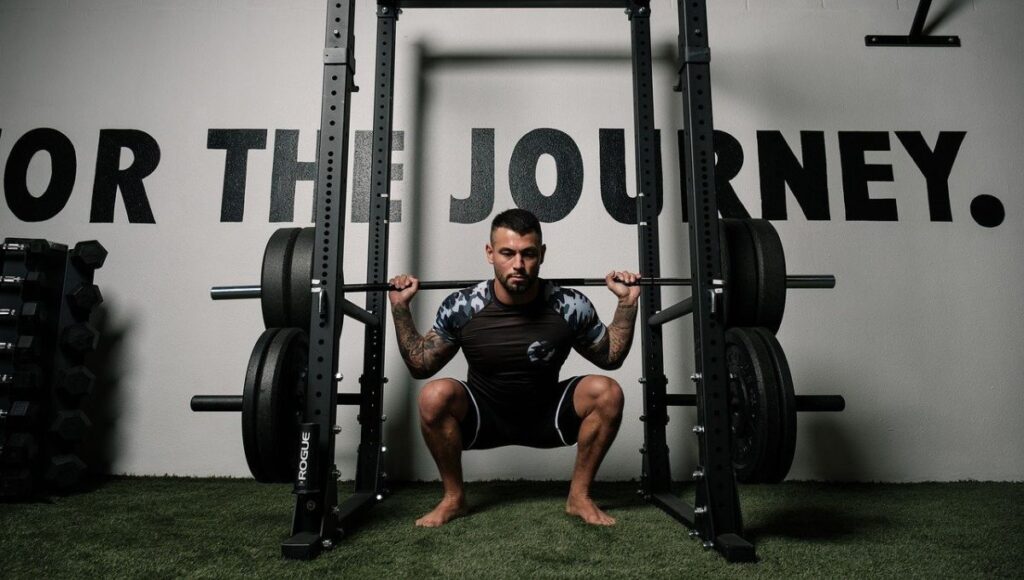


The back squat is one of the most respected exercises in strength training, and for good reason. It develops lower body strength, improves athletic performance, supports bone health, and teaches the body to produce force efficiently. Whether your goal is building muscle, improving sports performance, or simply staying strong as you age, the back squat remains one of the most valuable exercises you can perform.
One of the most common questions people ask is simple: how much should you be able to back squat?


The answer depends on several factors, including your training experience, body weight, age, sex, and goals. There is no single number that applies to everyone. A recreational lifter who trains for general fitness has different expectations than a competitive powerlifter or Olympic weightlifter.
Instead of chasing arbitrary numbers, it is more useful to understand what constitutes beginner, intermediate, advanced, and elite strength levels while also appreciating the many health and performance benefits that come from progressively increasing your squat strength.
Why the Back Squat Matters
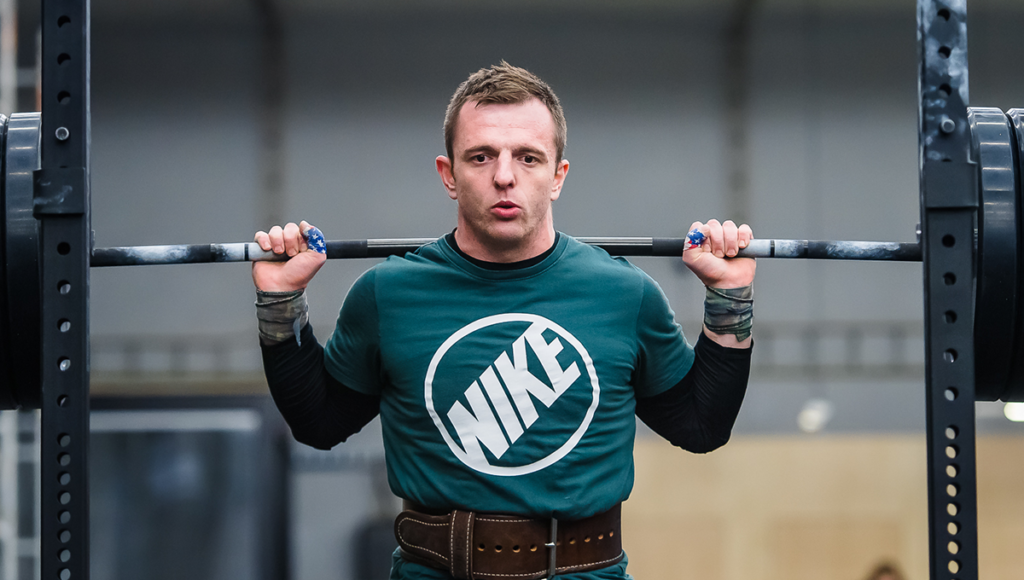
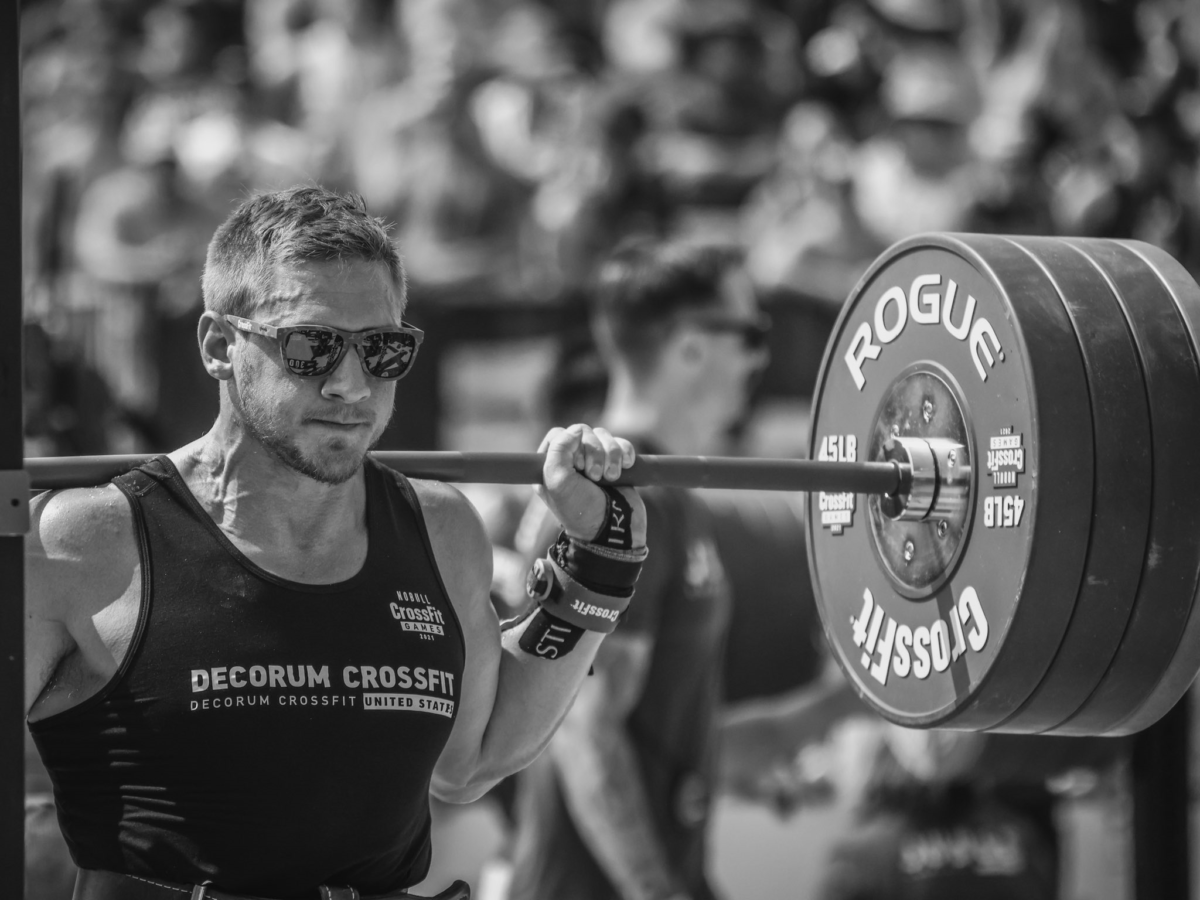
The back squat is a compound exercise that involves coordinated movement at the hips, knees, and ankles while placing significant demands on the muscles of the lower body and trunk. The quadriceps, gluteus maximus, adductors, hamstrings, calves, and spinal stabilizers all contribute to a successful lift.
Because so many muscles work together, the squat allows people to lift heavier loads than almost any other lower body exercise. This makes it highly effective for developing maximal strength and muscle mass.
How Much Should You Be Able to Bench Press?
Research consistently shows that multi joint resistance exercises performed with progressive overload increase muscular strength, improve lean body mass, and enhance functional performance across a wide range of populations. Heavy compound lifts such as the squat also stimulate hormonal and neuromuscular adaptations that contribute to long term improvements in strength.
What Determines How Much You Should Squat?
There is no universal standard because strength is influenced by many variables.
Training Experience
Training age is one of the biggest predictors of squat strength. Someone who has trained consistently for five years should naturally lift much more than someone who started six months ago.
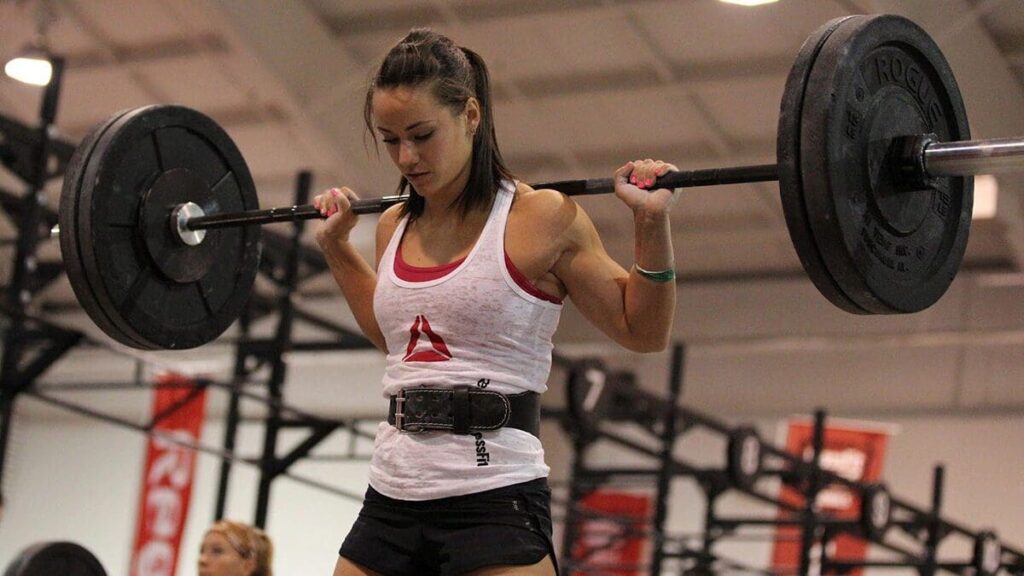
Strength improvements occur rapidly during the first year because of neural adaptations. The nervous system becomes more efficient at recruiting muscle fibers and coordinating movement. Later gains rely increasingly on muscle growth and years of consistent practice.
Body Weight
Heavier individuals generally squat more absolute weight because they tend to have greater muscle mass. This is why strength standards are often expressed relative to body weight. For example, squatting 315 pounds is a remarkable achievement for a person weighing 165 pounds but is less exceptional for someone weighing 275 pounds. Relative strength is often a better indicator of athletic ability than absolute weight on the bar.
Sex
Men generally possess more lean muscle mass than women because of hormonal differences, particularly higher testosterone levels. As a result, average squat numbers are typically higher in men.
However, when strength is expressed relative to lean muscle mass rather than body weight, the differences become much smaller. Women respond extremely well to resistance training and can achieve impressive levels of squat strength.
Age
Peak muscular strength usually occurs between the late twenties and early forties. Aging naturally leads to reductions in muscle mass and force production, but resistance training dramatically slows this decline.
Older adults who continue squatting regularly maintain greater functional independence, balance, and bone density compared to sedentary individuals.
Technique
Not every squat looks the same. Differences in stance width, squat depth, bar position, limb length, and mobility all influence how much weight someone can lift.
A competition legal powerlifting squat performed below parallel differs significantly from a shallow gym squat. Comparing numbers only makes sense when movement standards are similar.
Strength Standards for the Back Squat
Several organizations and large strength databases have compiled standards based on millions of lifting performances. While exact numbers vary slightly, the following relative strength guidelines provide useful benchmarks for healthy adults.
For men, beginners often squat approximately 0.75 times body weight. Novice lifters commonly reach body weight within their first year of structured training. Intermediate lifters frequently squat about 1.5 times body weight. Advanced lifters often achieve around twice their body weight, while elite strength athletes may exceed 2.5 times body weight.
For women, beginners commonly squat about half of body weight. Novice lifters frequently reach around 0.75 times body weight. Intermediate athletes often squat their body weight. Advanced lifters commonly achieve about 1.5 times body weight, while elite competitors may approach or exceed twice body weight.
These standards are not requirements for good health. They simply provide context for comparing strength levels among recreational and competitive lifters.
Is Squatting Twice Your Body Weight Impressive?
Yes. A double body weight squat represents years of consistent training, effective programming, quality nutrition, and good recovery. It also requires solid technique and healthy joints.
Very few recreational gym members ever reach this milestone. Among competitive strength athletes, it is more common, but even there it remains an accomplishment that reflects substantial dedication.
For most people interested in health and longevity, there is no need to pursue this level if it does not align with their goals. The health benefits of resistance training occur long before reaching elite strength levels.
How Squat Strength Improves Athletic Performance
The squat is closely associated with improved performance in many sports because it develops force production through the hips and knees. Research has shown that greater maximal squat strength correlates with higher sprint speed, improved vertical jump height, and enhanced change of direction ability. Athletes with stronger squats generally produce more power during explosive movements because maximal strength provides the foundation for rapid force production.
This relationship is especially important in sports such as football, rugby, basketball, track and field, CrossFit, and Olympic weightlifting. That does not mean athletes should only squat. Sport specific skills, plyometric training, sprint work, and technical practice remain essential. However, stronger legs create greater potential for athletic performance.
The Health Benefits of Getting Stronger
Many people associate squats with athletic performance, but the exercise offers equally important health benefits. Regular resistance training increases bone mineral density, helping reduce the risk of osteoporosis and fractures later in life. Mechanical loading from heavy squats stimulates bone remodeling, particularly around the hips and spine.

Building muscle also improves glucose regulation by increasing insulin sensitivity. This makes resistance training an effective strategy for reducing the risk of type 2 diabetes and improving metabolic health. Stronger leg muscles improve balance, mobility, and the ability to perform everyday activities such as climbing stairs, standing from a chair, and carrying groceries.
Perhaps most importantly, maintaining muscle mass throughout adulthood is strongly associated with reduced risk of disability and improved quality of life during aging.
How Fast Can You Increase Your Squat?
Progress depends on training experience. Beginners often add weight almost every workout during the first several months. Linear progression programs commonly increase the squat by five to ten pounds each session while technique improves. Intermediate lifters usually require weekly progression because adaptations occur more slowly.
Advanced athletes often spend months working toward a five or ten pound increase in their one repetition maximum. At this stage, improvements require carefully planned programming that balances training intensity, recovery, fatigue management, and exercise variation. Patience becomes increasingly important as strength levels rise.
The Best Ways to Improve Your Back Squat
Prioritize Progressive Overload
Strength improves when muscles are challenged with gradually increasing demands. This usually means adding weight over time, increasing repetitions, performing additional training volume, or improving movement quality. Without progressive overload, strength gains eventually plateau.
Master Technique
Efficient technique allows greater force production while reducing unnecessary stress on the joints. A stable trunk, controlled descent, proper depth, balanced foot pressure, and consistent bar path all contribute to stronger and safer squats. Recording lifts or working with an experienced coach can accelerate technical improvements.
Train Consistently
Long term consistency matters far more than occasional periods of intense motivation. Most successful lifters squat between one and three times each week depending on their training program, recovery capacity, and overall goals. Years of uninterrupted training almost always outperform short bursts of excessive effort.
Eat Enough Protein
Muscle growth requires adequate dietary protein. Current evidence suggests that physically active individuals seeking to maximize muscle growth and recovery benefit from consuming approximately 1.4 to 2.2 grams of protein per kilogram of body weight each day. Adequate total calorie intake is equally important when attempting to increase strength.
Sleep and Recovery
Strength adaptations occur during recovery rather than during training itself. Sleep restriction has been shown to impair muscle recovery, reduce strength performance, and negatively affect training quality. Most adults should aim for seven to nine hours of quality sleep each night to support optimal recovery.
Common Mistakes That Limit Squat Progress
Many lifters struggle because they consistently repeat the same errors. One common mistake is increasing weight before mastering technique. Poor movement patterns become harder to correct as loads become heavier. Another mistake is avoiding full range of motion. Squatting to appropriate depth recruits more muscle mass and generally produces greater strength adaptations than consistently performing partial repetitions.
Some lifters also underestimate recovery. Excessive training volume without sufficient nutrition or sleep limits progress regardless of program quality. Finally, many people compare themselves with elite athletes on social media rather than focusing on their own long term progression. Sustainable strength develops gradually through years of disciplined training.
Should Everyone Back Squat?
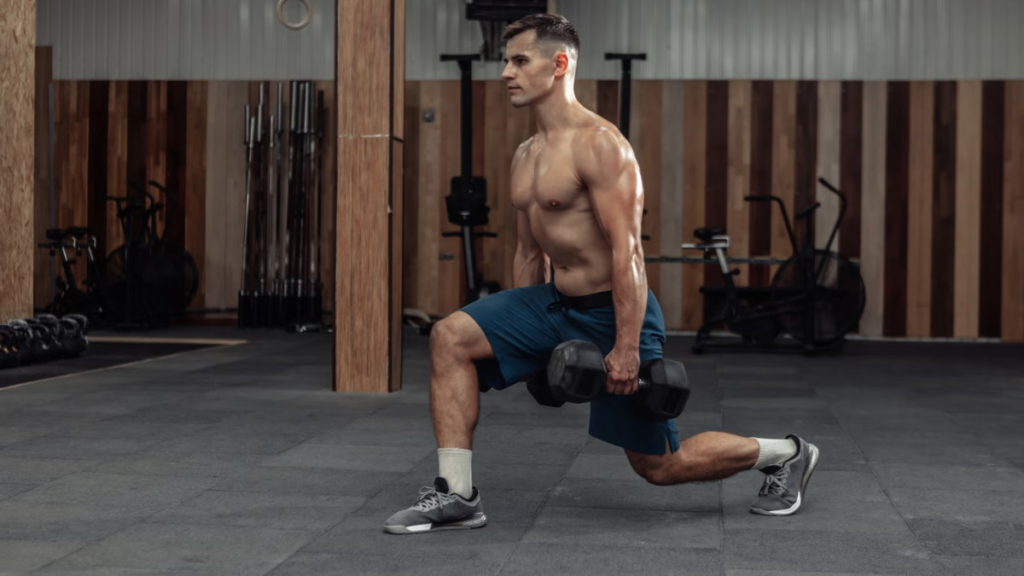
Although the back squat is highly effective, it is not mandatory. Individuals with certain injuries, mobility limitations, or orthopedic conditions may benefit from alternative exercises such as front squats, goblet squats, safety bar squats, split squats, or leg presses.
The best exercise is always the one that can be performed safely, consistently, and progressively. Most healthy adults, however, can learn to back squat effectively with appropriate coaching, individualized programming, and gradual progression.
Final Thoughts
The question of how much you should be able to back squat has no single answer because strength depends on body size, experience, age, sex, technique, and training goals.
Rather than comparing yourself with elite athletes, focus on steady improvement over time. Reaching a body weight squat demonstrates a solid foundation of strength for most recreational lifters. Squatting one and a half to two times your body weight represents an advanced level that reflects years of consistent work.
More important than the number itself is what stronger squats provide. Greater muscle mass, healthier bones, improved athletic performance, better metabolic health, and increased physical independence all make strength training one of the most valuable long term investments you can make.
Key Takeaways
| Topic | Key Point |
|---|---|
| What determines squat strength? | Training experience, body weight, sex, age, technique, and consistency all influence squat performance. |
| Good benchmark | Squatting your own body weight is a solid goal for most recreational lifters. |
| Advanced benchmark | Squatting twice your body weight is an advanced achievement requiring years of training. |
| Health benefits | Squats improve muscle mass, bone density, metabolic health, balance, and functional capacity. |
| Athletic benefits | Greater squat strength is associated with improved sprinting, jumping, and power production. |
| Best way to improve | Progressive overload, quality technique, adequate protein, recovery, and long term consistency drive strength gains. |
References
- American College of Sports Medicine (2009) ‘Progression models in resistance training for healthy adults’, Medicine & Science in Sports & Exercise, 41(3), pp. 687 to 708.
- Borde, R., Hortobágyi, T. and Granacher, U. (2015) ‘Dose response relationships of resistance training in healthy old adults’, Sports Medicine, 45(12), pp. 1693 to 1720.
- Cormie, P., McGuigan, M.R. and Newton, R.U. (2011) ‘Developing maximal neuromuscular power’, Sports Medicine, 41(1), pp. 17 to 38.
- Faigenbaum, A.D., Kraemer, W.J., Blimkie, C.J.R., Jeffreys, I., Micheli, L.J., Nitka, M. and Rowland, T.W. (2009) ‘Youth resistance training’, Medicine & Science in Sports & Exercise, 41(3), pp. 687 to 708.
- Grgic, J., Schoenfeld, B.J., Orazem, J. and Sabol, F. (2022) ‘Effects of resistance training performed to repetition failure or non failure on muscular strength and hypertrophy’, Journal of Sport and Health Science, 11(2), pp. 202 to 211.
- Hartmann, H., Wirth, K. and Klusemann, M. (2013) ‘Analysis of the load on the knee joint and vertebral column with changes in squatting depth and weight load’, Sports Medicine, 43(10), pp. 993 to 1008.
- Kraemer, W.J. and Ratamess, N.A. (2004) ‘Fundamentals of resistance training: Progression and exercise prescription’, Medicine & Science in Sports & Exercise, 36(4), pp. 674 to 688.
- Lasevicius, T., Ugrinowitsch, C., Schoenfeld, B.J., Roschel, H. and Tavares, L.D. (2019) ‘Effects of different intensities of resistance training with equated volume load on muscle strength and hypertrophy’, Journal of Strength and Conditioning Research, 33(Suppl 1), pp. S120 to S129.