The deadlift has earned legendary status in strength training. It is one of the three powerlifting competition lifts, a staple in athletic performance programs, and a favorite among people who want to build a bigger and stronger physique. Few exercises allow you to move as much weight while challenging nearly every major muscle group in the body.
That reputation has also created plenty of myths. Some people believe the deadlift is the ultimate back exercise and that nothing else comes close for building muscle. Others argue that it is too fatiguing, too risky, or simply overrated for hypertrophy. So, is the deadlift really the perfect back exercise for massive strength and muscle gains?


The scientific evidence suggests a more balanced answer. The deadlift is one of the best exercises ever created for developing whole body strength and improving the muscles responsible for pulling heavy loads from the floor. It is outstanding for building the posterior chain and improving athletic performance. However, if your only goal is maximizing back muscle size, relying exclusively on deadlifts is unlikely to produce the best results.
Why the Deadlift Is So Effective
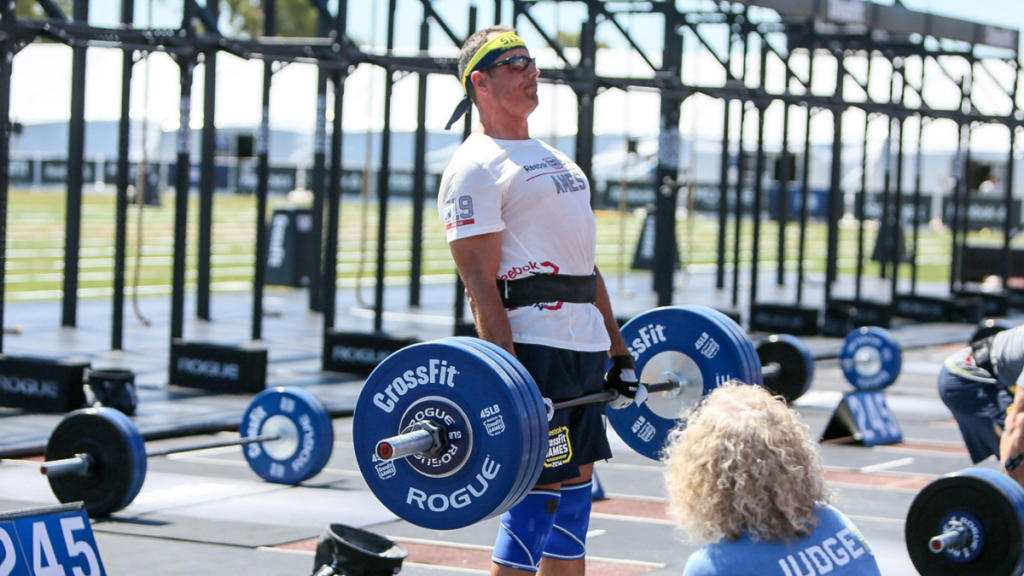
The conventional deadlift is a compound movement that requires coordinated effort from multiple joints and muscle groups. As the bar travels from the floor to lockout, nearly every major muscle in the posterior chain contributes to the lift.
The primary movers include the glutes, hamstrings, quadriceps, and spinal erectors. The lats, traps, rhomboids, rear deltoids, forearms, and core muscles play major supporting roles by stabilizing the spine and controlling the bar path.
Unlike many isolation exercises, the deadlift develops the ability to produce force across the entire body. This makes it highly valuable for athletes and recreational lifters alike. Research consistently shows that multi joint exercises like the deadlift produce large increases in maximal strength because they allow heavier loading and involve substantial muscle mass. Heavy resistance training also stimulates neuromuscular adaptations that improve force production and coordination.
How Long Should You Be Able to Dead Hang For?
Another advantage is mechanical tension. Mechanical tension is widely recognized as one of the primary drivers of muscle growth. Because the deadlift permits exceptionally heavy loads, it creates high levels of tension throughout the posterior chain.
Which Back Muscles Does the Deadlift Actually Train?
Many people refer to the deadlift as a back exercise, but the back is made up of several different muscles that perform different functions.
Erector Spinae
The spinal erectors are among the hardest working muscles during the deadlift. These muscles maintain spinal stability throughout the lift while resisting flexion under heavy loads. Electromyography research consistently shows very high activation of the erector spinae during conventional deadlifts. This helps explain why experienced deadlifters often develop thick lower backs.
Trapezius
The upper and middle trapezius contribute significantly by stabilizing the shoulder girdle and supporting heavy loads. As the weight increases, the traps must generate substantial force to prevent the shoulders from collapsing forward. This is one reason why heavy deadlifters frequently display impressive upper trap development.
Latissimus Dorsi
The lats play an important role, although not exactly as many people imagine. Rather than pulling the weight upward, the lats primarily stabilize the bar against the body while helping maintain proper shoulder position throughout the movement. This means the lats work hard isometrically, but they do not experience the same amount of shortening and lengthening that occurs during rows or pull ups.
Rhomboids and Rear Deltoids
These muscles help stabilize the scapula throughout the lift. They contribute to posture and shoulder control but receive less dynamic loading compared to rowing movements.
Is the Deadlift Enough for Building a Big Back?
This is where the science becomes particularly interesting. The deadlift certainly builds muscle throughout the back. Beginners often experience dramatic increases in back size after adding deadlifts to their training. However, experienced lifters usually require additional exercises to maximize muscular development. The reason comes down to muscle function.
The lats, rhomboids, and much of the upper back are designed to move the shoulder and shoulder blade through a large range of motion. During deadlifts, these muscles primarily contract isometrically to stabilize the body rather than actively moving through their full function.
Research comparing muscle activation across different pulling exercises has shown that rows and pull downs often produce greater activation of the latissimus dorsi than conventional deadlifts.
For hypertrophy, muscles generally benefit from being trained through meaningful ranges of motion while experiencing sufficient mechanical tension close to muscular failure. That is why bodybuilders almost always combine deadlifts with rows, pull ups, pull downs, and machine rowing variations.
Strength Benefits Go Far Beyond the Back
While the deadlift may not be the perfect standalone back builder, it remains one of the most effective exercises for increasing total body strength. Heavy deadlifts improve force production across multiple joints simultaneously. This has important carryover into sports and physically demanding activities.
Athletes who sprint, jump, wrestle, play football, rugby, or participate in many field sports often benefit from improved posterior chain strength developed through deadlifting. Research has linked maximal strength development with improved sprinting performance, jumping ability, and overall athletic performance.
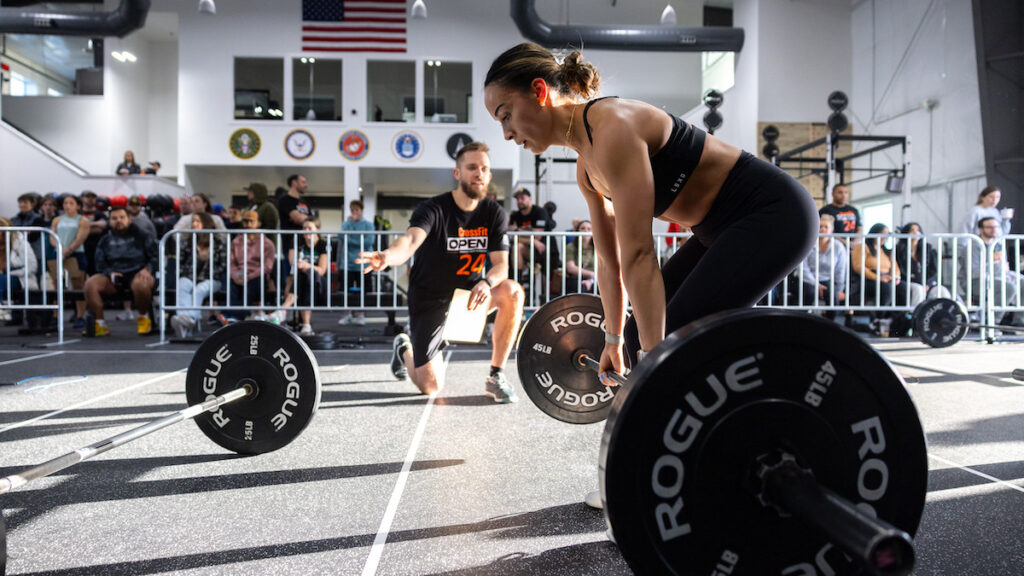
The deadlift also teaches proper force transfer from the legs through the trunk into the upper body. This coordinated movement pattern is difficult to replicate using isolation exercises.
Can Deadlifts Build Muscle as Well as Other Exercises?
Muscle growth depends primarily on training volume, effort, progressive overload, and recovery. The deadlift certainly contributes to hypertrophy, especially in the glutes, hamstrings, spinal erectors, and traps. However, several factors limit its effectiveness as a primary muscle building exercise.
Heavy deadlifts generate substantial systemic fatigue. Your nervous system, cardiovascular system, grip, and lower back all experience significant stress during demanding sessions. Because fatigue accumulates quickly, performing enough high quality deadlift volume to maximize hypertrophy can become challenging.
In contrast, exercises such as chest supported rows or cable rows create less overall fatigue while allowing high quality work for the target muscles. Recent research suggests that muscle growth can be achieved effectively using many different exercises, provided sufficient effort and training volume are accumulated.
This means the deadlift remains an excellent tool, but it should usually be one component of a complete back training program rather than the entire program.
The Role of Progressive Overload
One reason deadlifts remain so valuable is that they are easy to progressively overload. Progressive overload means gradually increasing the demands placed on the muscles over time. This can involve adding weight, increasing repetitions, improving technique, or increasing total training volume.
Because the deadlift allows relatively large weight increases over months and years, it provides a clear pathway for long term strength development. Even modest increases in deadlift performance often reflect meaningful improvements in overall posterior chain strength.
Deadlift Variations and Their Benefits
Not every deadlift variation emphasizes the body in exactly the same way.
Conventional Deadlift
This remains the gold standard for overall strength development. It places high demands on the spinal erectors, glutes, hamstrings, traps, and grip while requiring excellent coordination.
Romanian Deadlift
The Romanian deadlift emphasizes the hip hinge while maintaining only a slight bend in the knees. This variation increases loading of the hamstrings and glutes while also producing significant activation of the spinal erectors. Many coaches consider it one of the best exercises for posterior chain hypertrophy.
Trap Bar Deadlift
The trap bar deadlift shifts the load closer to the body’s center of mass. Research has shown that this variation often allows higher power production while reducing stress on the lumbar spine compared to conventional deadlifts. It may be an excellent option for athletes and individuals with certain mobility limitations.
Sumo Deadlift
The sumo deadlift uses a wider stance and more upright torso position. This variation generally places greater emphasis on the quadriceps while slightly reducing demands on the lower back. Individual body proportions often determine which style feels strongest and most comfortable.
Who Should Prioritize Deadlifts?
The answer depends on your training goals. Powerlifters should absolutely prioritize deadlifts because competition performance depends directly on maximal strength in the lift. Athletes in many sports benefit from the strength, power, and posterior chain development that deadlifts provide.
General fitness enthusiasts can use deadlifts to improve functional strength, maintain muscle mass, and increase overall physical capacity. Bodybuilders may still include deadlifts, but they often perform fewer heavy sets than strength athletes while relying more heavily on rows, pull downs, and machine work for hypertrophy.
Final Verdict
The deadlift is not the perfect back exercise if your only goal is maximizing muscle size across every back muscle. It is, however, one of the most effective strength exercises ever developed. Few movements build total body strength, posterior chain power, lower back thickness, grip strength, and athletic capacity as efficiently.
For complete back development, the evidence strongly supports combining heavy deadlifts with horizontal and vertical pulling exercises that move the shoulder through a full range of motion.
Think of the deadlift as the foundation of a powerful back rather than the entire blueprint. Build around it with intelligent exercise selection, progressive overload, sufficient recovery, and consistent effort, and you will develop both impressive strength and outstanding muscular development.
Key Takeaways
| Topic | Key Point |
|---|---|
| Deadlift effectiveness | The deadlift is one of the best exercises for total body strength and posterior chain development. |
| Lower back | It strongly develops the spinal erectors through high mechanical tension. |
| Upper back | The traps and upper back receive significant stimulation during heavy lifting. |
| Lats | The lats work primarily as stabilizers and generally receive greater hypertrophy stimulus from rows and pull ups. |
| Muscle growth | Deadlifts build muscle effectively but should be combined with other pulling exercises for complete back development. |
| Athletic performance | Improved deadlift strength supports force production, sprinting, jumping, and overall athletic ability. |
| Safety | Proper technique, progressive overload, and sensible programming make deadlifts a safe exercise for most healthy individuals. |
| Best approach | Combine heavy deadlifts with rows, pull ups, and pull downs for maximum strength and muscle gains. |
References
- Aasa, U., Berglund, L., Michaelson, P. and Aasa, B. (2015) ‘Individualized low load motor control exercises and education versus a high load lifting exercise and education to improve activity, pain intensity, and physical performance in patients with mechanical low back pain’, Journal of Orthopaedic & Sports Physical Therapy, 45(2), pp. 77 to 85.
- Bird, S.P., Tarpenning, K.M. and Marino, F.E. (2005) ‘Designing resistance training programmes to enhance muscular fitness’, Sports Medicine, 35(10), pp. 841 to 851.
- Escamilla, R.F. (2001) ‘Biomechanics of the squat exercise using traditional and modified techniques’, Medicine & Science in Sports & Exercise, 33(1), pp. 127 to 141.
- Gentil, P., Fisher, J. and Steele, J. (2017) ‘A review of the acute effects and long term adaptations of single and multi joint exercises during resistance training’, Sports Medicine, 47(5), pp. 843 to 855.
- Hales, M.E. (2010) ‘Improving the deadlift: Understanding biomechanical constraints and physiological adaptations’, Strength and Conditioning Journal, 32(2), pp. 44 to 51.
- McGill, S.M. (2007) Low Back Disorders: Evidence Based Prevention and Rehabilitation. 2nd edn. Champaign: Human Kinetics.
- Schoenfeld, B.J. (2010) ‘The mechanisms of muscle hypertrophy and their application to resistance training’, Journal of Strength and Conditioning Research, 24(10), pp. 2857 to 2872.
- Schoenfeld, B.J. (2016) ‘Science and development of muscle hypertrophy’, Human Kinetics.