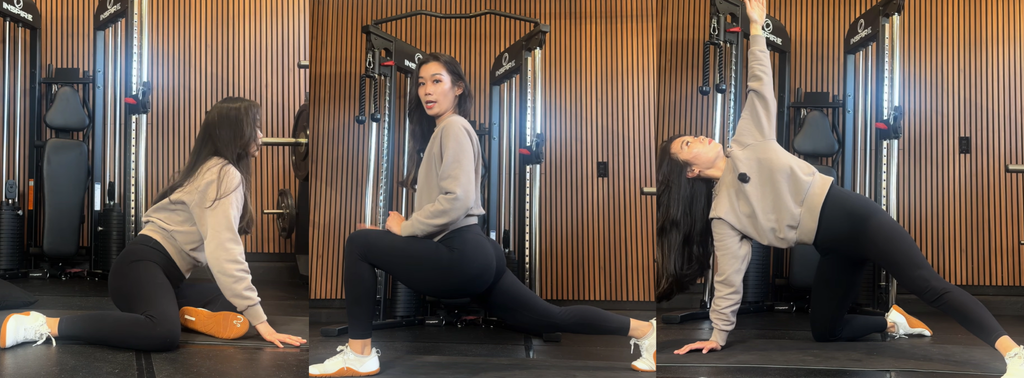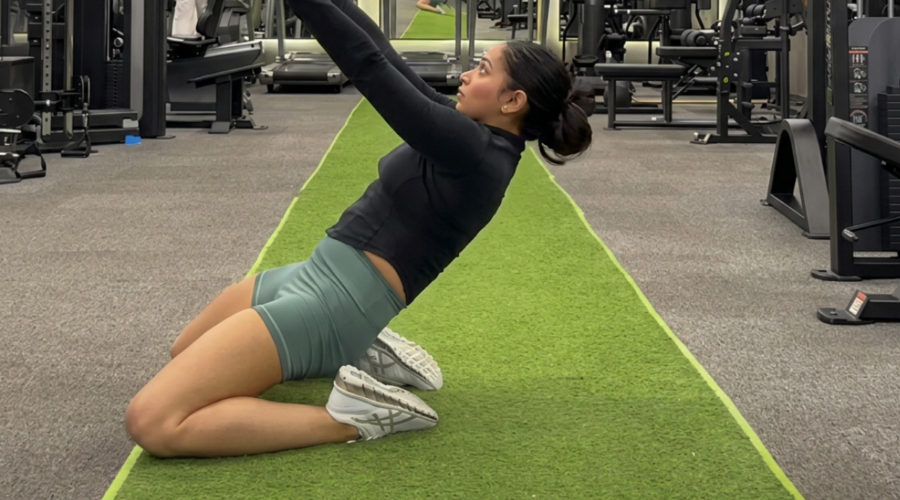


Kal Kaur posted this mobility challenge, and reckons that only 1% of people can do it. Give it a go and see how you get on.
Share it with someone that you think should try it!


This exercise is a great indicator for healthy mobility.
Here are five of the most important benefits of good mobility for the human body:
- Reduces the Risk of Injury
Good mobility allows your joints to move through their full range of motion under control. This reduces excessive stress on muscles, tendons, and ligaments, helping lower the risk of strains, sprains, and overuse injuries during exercise and everyday activities. - Improves Strength and Athletic Performance
Greater mobility enables better movement mechanics. You can squat deeper, press overhead more efficiently, and generate more force in movements such as jumping, sprinting, and lifting weights. Better joint positioning also improves power transfer throughout the body. - Decreases Pain and Stiffness
Restricted joints often force other areas of the body to compensate, contributing to discomfort in the knees, hips, shoulders, or lower back. Improving mobility can restore more natural movement patterns and reduce unnecessary stress on surrounding tissues. - Supports Healthy Aging and Independence
Maintaining mobility helps preserve balance, coordination, and the ability to perform everyday tasks such as getting out of a chair, climbing stairs, reaching overhead, or picking objects up from the floor. This is essential for maintaining independence as people age. - Enhances Posture and Movement Efficiency
Good mobility allows the body to adopt better alignment during standing, walking, and exercise. This improves posture, makes movements more energy efficient, and reduces the likelihood of compensatory movement patterns that can lead to fatigue or chronic aches.
Together, these benefits contribute to better physical function, improved exercise performance, and a higher quality of life across all ages.
3 Best Cable Exercises for Beginners to Build a Muscular Upper Body
Tags:
challenge