

VO2 max describes the maximum amount of oxygen your body can take in and use during intense exercise. It is usually reported in milliliters of oxygen per kilogram of body weight per minute, written as mL/kg/min. It reflects how well your heart, lungs, blood, and working muscles support exercise.
It is a useful measure of cardiorespiratory fitness, but it is only one part of health and athletic ability.


What Counts as a Good VO2 Max?
For a simple comparison, a score around the 50th percentile is close to the middle of the reference group for your age and sex. A score above the 50th percentile is higher than that of at least half of the people in the group. A score around the 75th percentile is higher than that of about three quarters of the group.
These percentiles are reference points, not pass or fail grades. They come from adults who completed maximal exercise tests at US laboratories, and the results depend on the test method. The figures below use treadmill testing. Values from a cycling test are generally lower, so comparisons are fairest when the testing method is the same.
| Table 1. Treadmill VO2 peak reference points by age and sex, in mL/kg/min | Men: 50th percentile | Men: 75th percentile | Women: 50th percentile | Women: 75th percentile |
|---|---|---|---|---|
| Age 20 to 29 | 46.5 | 53.6 | 36.6 | 43.0 |
| Age 30 to 39 | 39.7 | 47.0 | 28.3 | 35.2 |
| Age 40 to 49 | 35.3 | 42.5 | 25.7 | 31.6 |
| Age 50 to 59 | 29.2 | 36.0 | 22.9 | 28.0 |
| Age 60 to 69 | 24.6 | 30.5 | 19.6 | 23.7 |
| Age 70 to 79 | 20.6 | 25.3 | 17.2 | 20.3 |
| Age 80 to 89 | 17.6 | 21.0 | 15.4 | 17.8 |
The median and 75th percentile are useful starting points when you want to understand where your result sits. For example, a treadmill score of 40 mL/kg/min for a man in his 30s is close to the median in this reference data. For a woman in her 30s, a score around 35 is close to the 75th percentile. These comparisons describe the reference group, rather than setting a score that every person should reach.
The data include both VO2 max and VO2 peak results. In practice, a test may report VO2 peak when the person reaches their highest measured oxygen uptake without meeting every formal criterion for a true maximum. The distinction matters in exercise testing, but for most readers the key point is to compare their result with standards collected using a similar test.
Why Do VO2 Max Scores Change With Age?
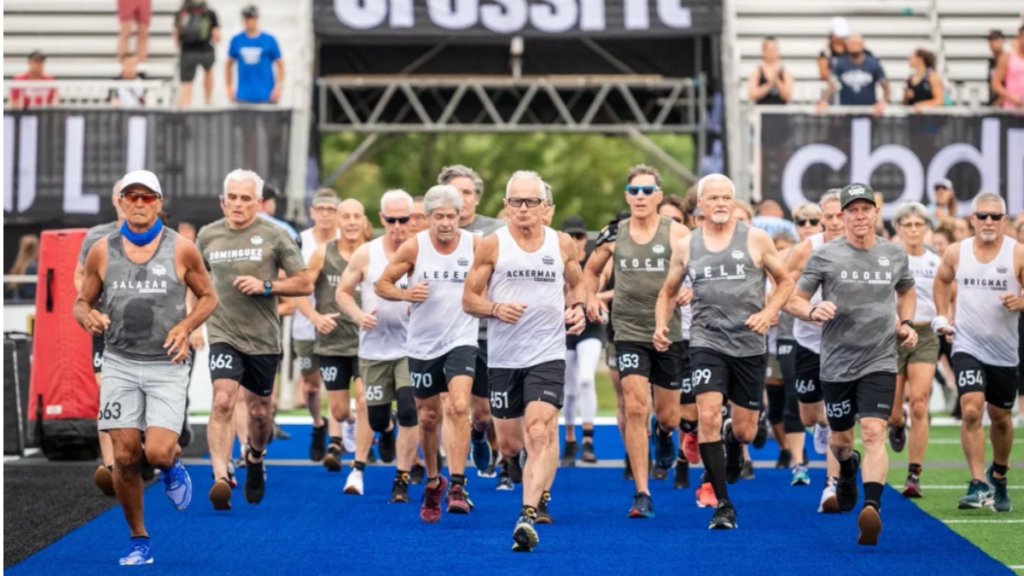
Reference scores tend to fall with age. In the FRIEND registry data, the median treadmill result was lower in each older adult age group for both men and women. That pattern reflects population averages, not an inevitable path for every individual. A person’s score is also affected by their training history, health, body size, and test performance.
Biceps Curls vs Chin Ups: Which Builds More Muscular Arms for Beginners?
Sex differences also appear in the reference data, with higher median scores for men across the age groups shown. These are population averages. They do not tell you what one individual can achieve, or whether their fitness is good for their personal circumstances.
A relative VO2 max score is calculated against body weight. This makes it useful for comparing the oxygen cost of moving a kilogram of body mass, but it also means weight changes can affect the score. If absolute oxygen uptake stays the same while body weight changes, the relative value can change even without a change in the body’s total oxygen use.
What Does VO2 Max Tell You About Health and Fitness?
VO2 max is one way to assess cardiorespiratory fitness. The American Heart Association has described cardiorespiratory fitness as an important marker of health, because lower fitness is associated with a higher risk of cardiovascular disease and death from all causes. That relationship does not mean a single VO2 max result diagnoses a health problem or predicts exactly what will happen to an individual.

For sport and exercise, VO2 max can help describe aerobic capacity, but it does not determine performance on its own. Two runners with similar scores may race at different speeds because they differ in how efficiently they use oxygen, how long they can sustain a hard effort, and how they pace themselves. Strength, technique, experience, motivation, and the specific demands of the event also matter.
For everyday life, your score can provide one snapshot of your aerobic fitness. It can be useful when comparing your own results over time, especially if the tests use the same equipment and protocol. It is less helpful to treat a single number as a full summary of your health or potential.
How Is VO2 Max Measured?
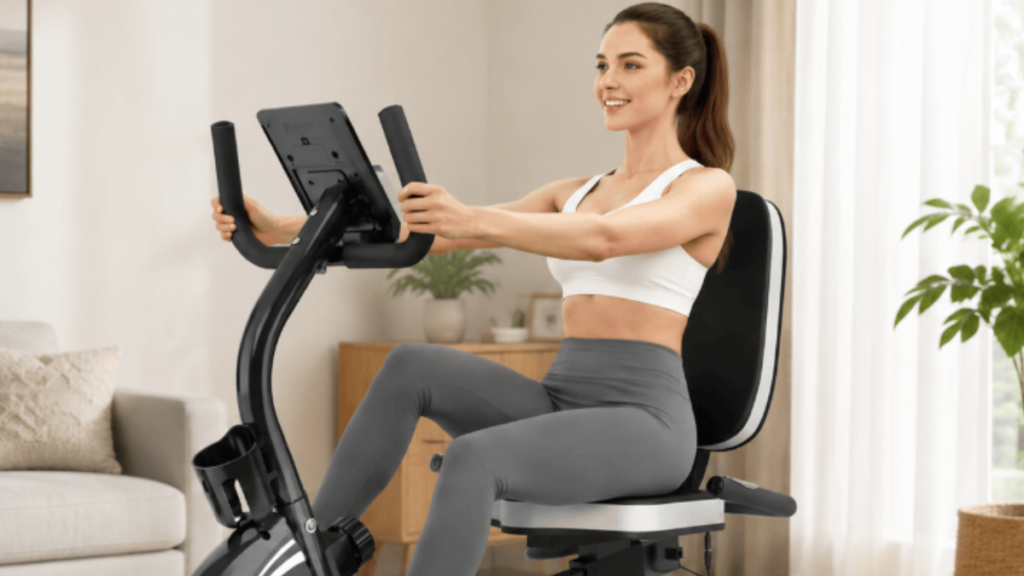
The most direct method is a supervised cardiopulmonary exercise test. You exercise on a treadmill or stationary bike while wearing a mask that measures the oxygen you inhale and the carbon dioxide you exhale. The test becomes progressively harder until you reach your limit. The result is based on the gases you breathe, rather than being calculated from your pace or heart rate alone.
A lab result can still vary with the exercise mode and protocol. Someone who is more accustomed to running may perform better on a treadmill than on a bike, and vice versa. This is one reason it is best to compare results from the same type of test.
Fitness watches and other devices usually estimate VO2 max using information such as pace and heart rate during exercise. These estimates can be helpful for following a trend, but they are not direct measurements of oxygen use. If your watch shows a small change, it may reflect a change in the estimate rather than a clear change in your fitness. For a meaningful comparison, look at repeated results taken under similar conditions.
Can You Improve Your VO2 Max?
Yes. Exercise training can improve VO2 max. Reviews of training research report improvements from both lower intensity and higher intensity exercise. Some analyses find a small advantage for higher intensity training, but the size of the benefit depends on factors such as workout volume, interval length, training duration, and a person’s starting fitness.
You do not need to begin with all out intervals. Regular walking, jogging, cycling, swimming, or another aerobic activity can build a base. As your fitness and confidence improve, you can add harder efforts with easier recovery periods. The right starting point depends on your current activity level, health, and experience.
Give your training enough time and compare your progress over several weeks or months. You may improve your ability to sustain a pace or recover between efforts even when your estimated VO2 max changes only slightly. If you have a medical condition or have been inactive for a long time, speak with a health professional before starting vigorous exercise.
How Should You Use Your Number?
Use your VO2 max as context, not a verdict. Compare it with an age and sex reference range only when the testing method is reasonably similar. If you are tracking change, use the same device or test when possible, and pay attention to the longer term pattern rather than one reading.
A score above the median can be a useful sign that your cardiorespiratory fitness is higher than that of many people in the reference group. A score below it does not automatically mean something is wrong. Your health, symptoms, goals, and ability to do the activities you care about matter too.
| Table 2. Key takeaways | What to remember |
|---|---|
| There is no universal good score | Compare VO2 max with reference values for your age, sex, and test method. |
| The median is a practical benchmark | A value near the 50th percentile is close to the middle of the reference group. |
| Test methods affect results | Treadmill and cycling results are not directly interchangeable. |
| Wearables estimate VO2 max | Use them to follow broad trends, not as a laboratory measurement. |
| VO2 max can improve | Consistent aerobic exercise, with appropriately introduced harder efforts, can raise cardiorespiratory fitness. |
| The number is only one measure | It does not diagnose health or describe every part of athletic performance. |
References
- Kaminsky, L.A., Arena, R., Myers, J., Peterman, J.E., Bonikowske, A.R., Harber, M.P., Inojosa, J.R.M., Lavie, C.J. and Squires, R.W. (2022) ‘Updated Reference Standards for Cardiorespiratory Fitness Measured with Cardiopulmonary Exercise Testing: Data from the Fitness Registry and the Importance of Exercise National Database (FRIEND)’, Mayo Clinic Proceedings, 97(2), pp. 285–293.
- Ross, R., Blair, S.N., Arena, R., Church, T.S., Després, J.P., Franklin, B.A., Haskell, W.L., Kaminsky, L.A., Levine, B.D., Lavie, C.J., Myers, J., Niebauer, J., Sallis, R., Sawada, S.S., Sui, X. and Wisløff, U. (2016) ‘Importance of Assessing Cardiorespiratory Fitness in Clinical Practice: A Case for Fitness as a Clinical Vital Sign’, Circulation, 134(24), pp. e653–e699.
- Crowley, E., Powell, C., Carson, B.P. and Davies, R.W. (2022) ‘The Effect of Exercise Training Intensity on VO2max in Healthy Adults: An Overview of Systematic Reviews and Meta-Analyses’, Translational Sports Medicine, 2022, article 9310710.