

Fitness progress can stall even when you are training regularly. The problem is often not a lack of effort, but habits that make recovery harder or reduce the quality of each session.
From sleep and food to hydration and everyday choices such as Alt vape pods, it helps to look at the complete routine rather than judging progress by workouts alone. Small adjustments can restore momentum.Nicotine-free Alt vape pods are one example of a product choice that should be considered as a healthier alternative for smokers


1. Training without enough recovery
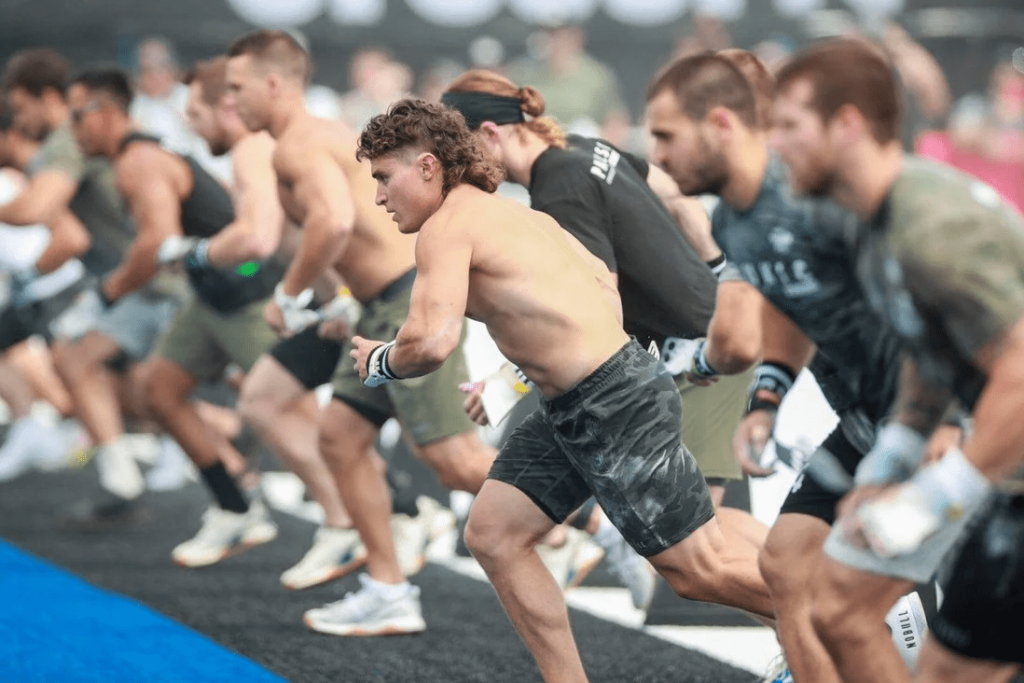
Exercise provides a useful challenge, but the body needs time to repair and adapt. Training hard every day can leave you carrying fatigue from one session into the next. Schedule easier days, vary intensity and pay attention to persistent soreness, poor sleep or declining performance. Recovery is not wasted time. It is part of the process that allows training to produce results.
2. Treating sleep as optional
Sleep supports physical repair, energy, concentration and appetite regulation. The American College of Sports Medicine notes that adequate sleep helps the body recover from exercise. If you regularly sleep too little, workouts may feel harder and motivation may fall. Set a consistent bedtime, reduce late stimulation and create a room that is dark, cool and comfortable.

3. Eating too little overall
A goal such as losing fat can lead some people to cut food too aggressively. A large energy deficit may make training feel flat and can make it harder to preserve muscle. Build meals around protein, carbohydrates, vegetables, fruit and healthy fats. If your weight, energy or performance changes quickly, review the plan with a qualified professional rather than making another drastic cut.
4. Neglecting protein
Protein supplies amino acids that support muscle repair and maintenance. You do not need to rely on expensive products to get enough. Include protein rich foods across the day, such as eggs, dairy, fish, lean meat, tofu, beans or lentils. Spreading intake over several meals can be more practical than trying to consume most of it at one sitting.
5. Forgetting carbohydrates
Carbohydrates are a useful fuel source for many types of training. Avoiding them completely can leave you low on energy, especially during longer or higher effort sessions. Choose sources such as oats, rice, potatoes, fruit, beans and whole grain breads according to your needs. Pairing carbohydrates with protein can also create a balanced meal after exercise.
6. Starting sessions without preparation
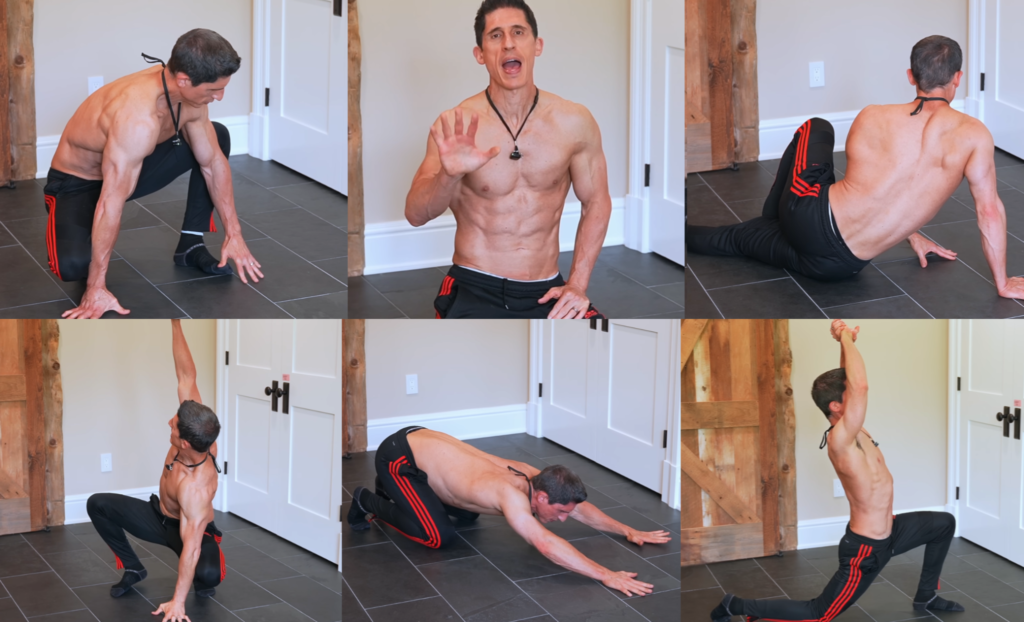
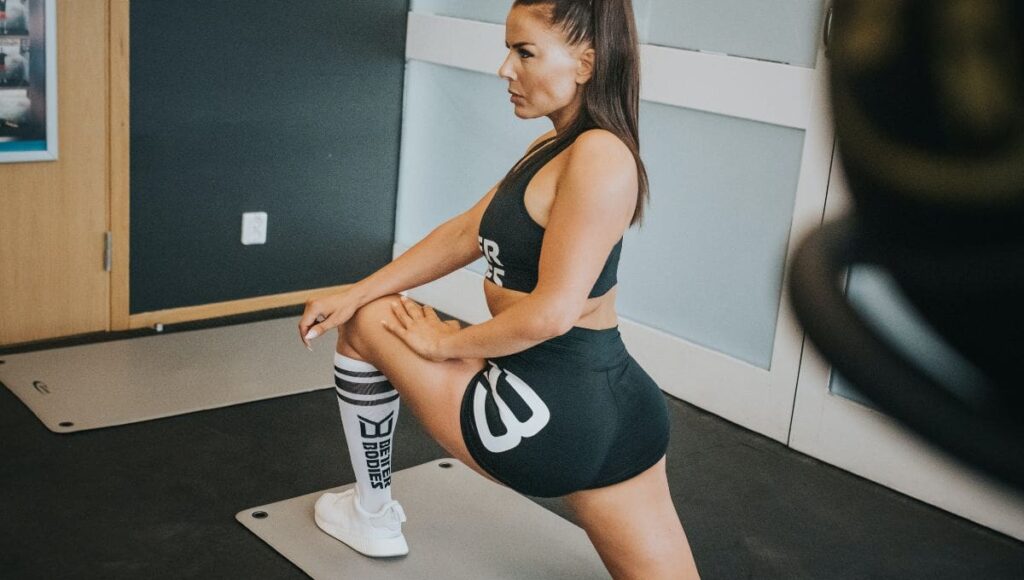
A rushed workout can reduce movement quality and make the first part of the session feel unnecessarily difficult. A short warm up can raise body temperature and help you practise the movements you plan to perform. Begin with easy activity, then use lighter sets before heavier work. The exact warm up depends on the session, but it should prepare rather than exhaust you.
7. Ignoring hydration
Even mild dehydration can affect how a session feels, particularly in heat or during longer activity. Drink regularly through the day and take more care when you are sweating heavily. Water is often enough for ordinary sessions, while longer activity may require a drink containing electrolytes and carbohydrates. Use thirst, sweat and conditions as practical guides rather than following a rigid number.
8. Changing the plan too often
Progress requires enough repetition to see whether a programme is working. Changing exercises, sets and goals every week makes comparison difficult. Keep a simple training record and follow a plan long enough to evaluate it. You can still adjust when pain, schedule changes or clear signs of excessive fatigue appear, but avoid confusing novelty with progress.
9. Using poor technique to lift more
Adding weight is not useful if the movement becomes unsafe or loses the intended purpose. Use a range of motion that you can control, keep the tempo appropriate and stop a set when technique breaks down. If you are unsure, ask a qualified trainer to review your form. Stronger training is built on repeatable movement, not on chasing a number at any cost.
10. Measuring only the scale
Body weight can change because of water, food, hormones and other factors. It does not show every improvement. Track strength, repetitions, walking pace, energy, waist measurements, photos or how clothing fits. A broader set of measures can reveal progress that a single daily number hides. It also reduces the temptation to make extreme changes after a normal fluctuation.
Build a recovery-friendly routine
Mayo Clinic guidance on workout recovery highlights the value of food, hydration, gradual cool down and rest. Put those ideas into a routine that fits your life. Prepare a meal, keep water nearby, protect your sleep window and plan at least one easier period each week. Consistency becomes easier when recovery is planned before fatigue forces you to stop.

Review the week, not just one session
A weekly review can show patterns that are invisible after a single workout. Note how often you trained, how you slept, whether meals supported your schedule and how your energy changed. Look for connections rather than perfection. A missed session may not matter, but repeated late nights or under eating can explain why several sessions feel harder. Use the review to choose one adjustment for the coming week. You might move a hard workout, prepare breakfast in advance or add an easier day. Small changes are easier to test and maintain than a complete overhaul of your routine.
Respect gradual progress
Strength and fitness usually improve through steady work, not sudden extremes. Give your plan enough time to show a trend and celebrate improvements in control, stamina and confidence. A routine that fits your schedule will usually outperform a perfect plan that you cannot repeat.
Final thoughts
Fitness gains are created by the combination of training and the habits that support it. Lack of sleep, poor fuelling, dehydration, rushed sessions, weak technique and constant programme changes can all limit progress. Review one habit at a time, choose a realistic adjustment and track what happens. Sustainable progress is rarely dramatic from one day to the next, but it becomes clear when good habits are repeated.