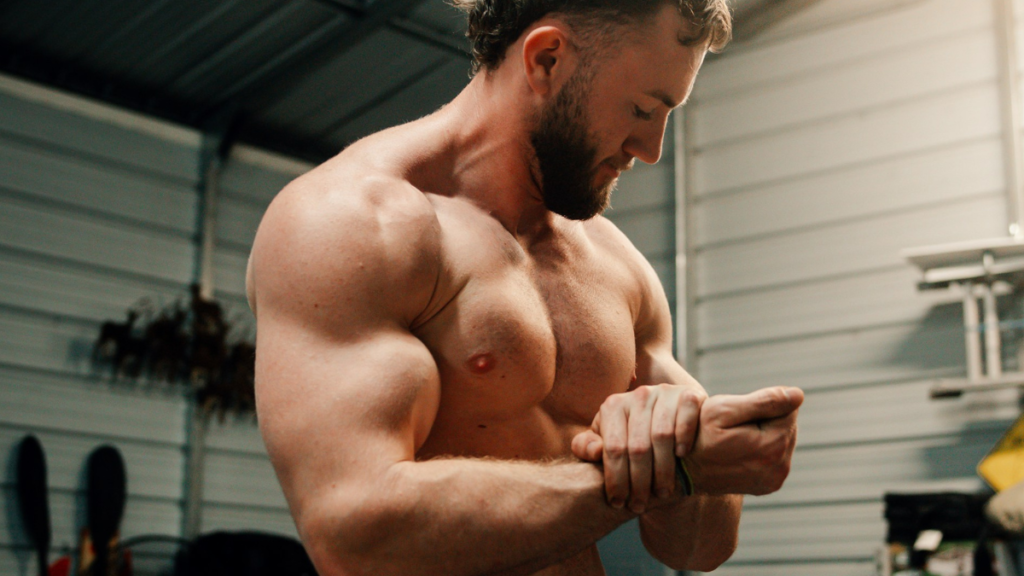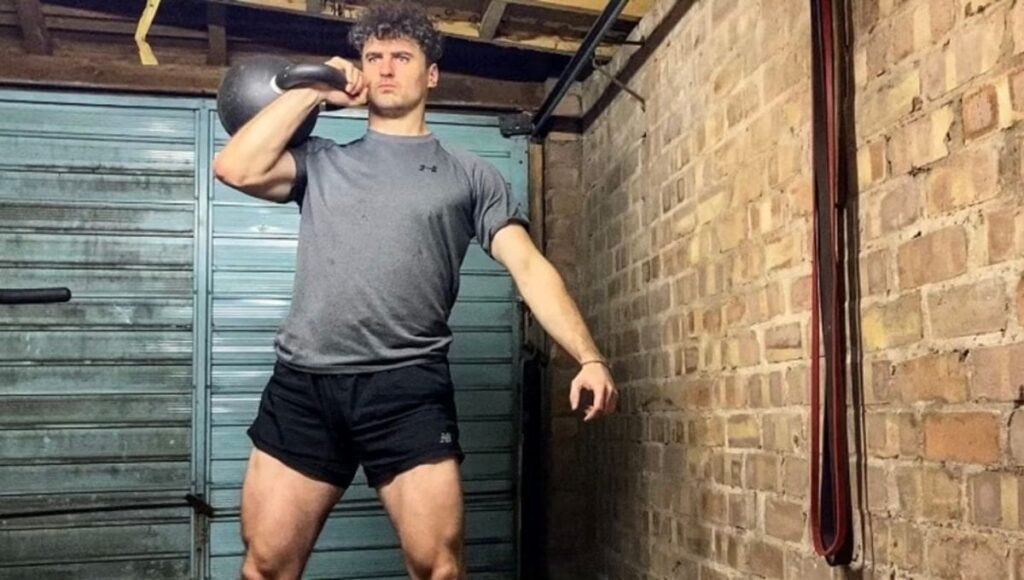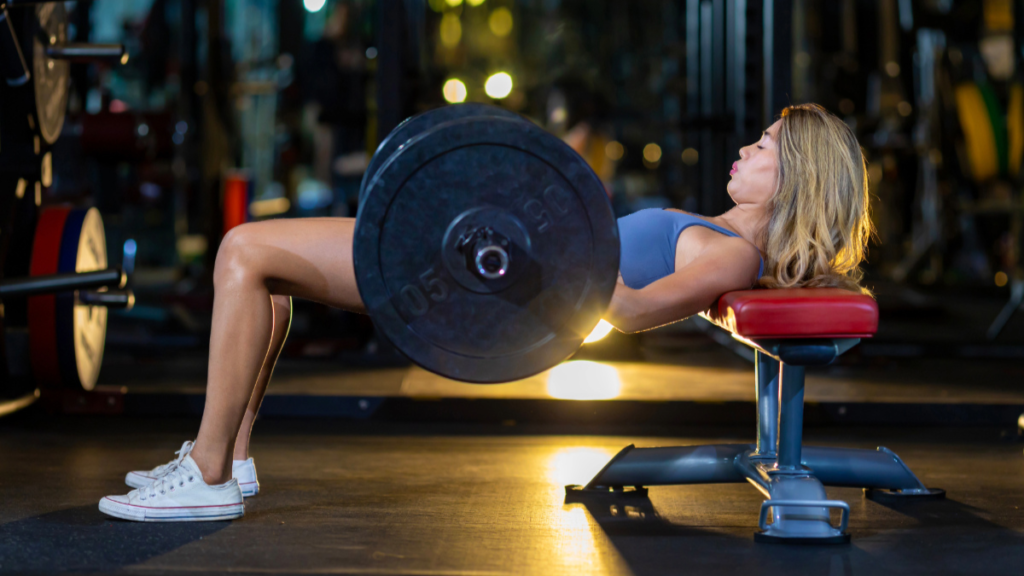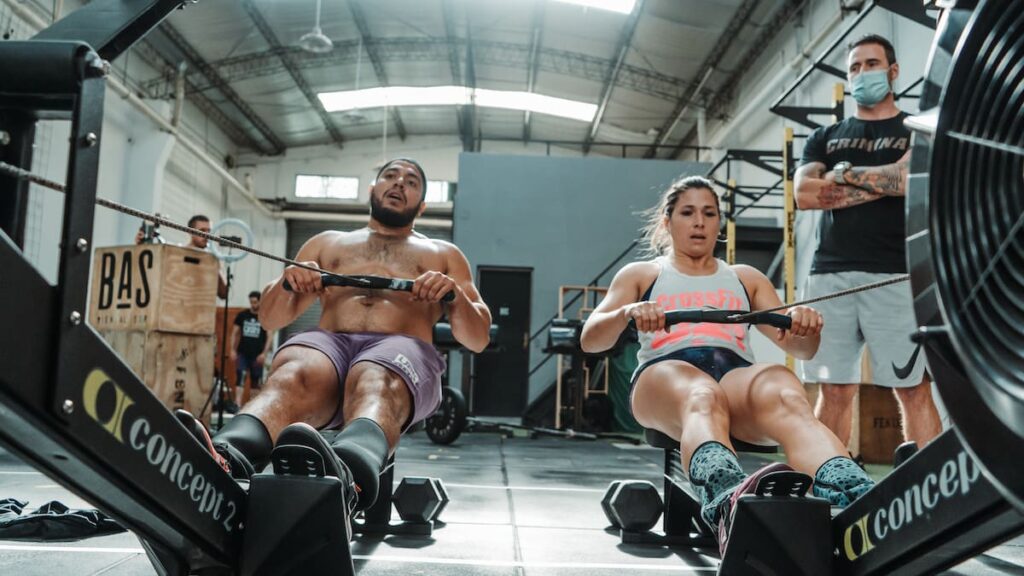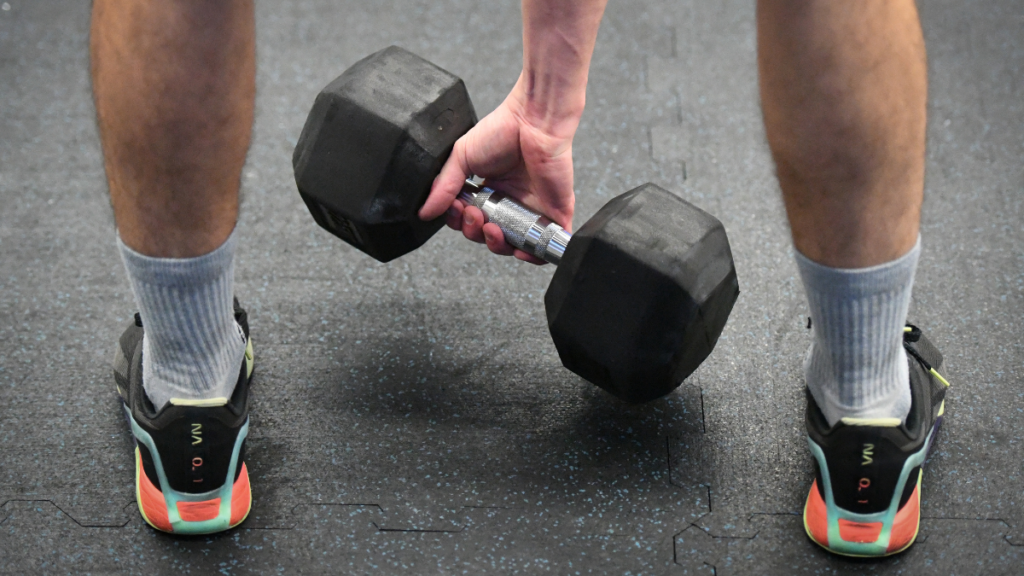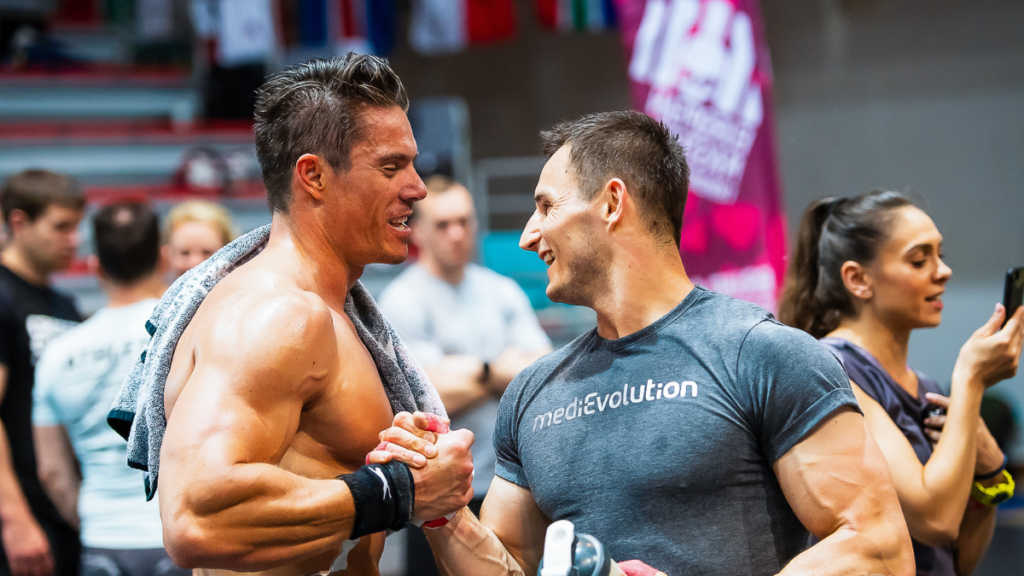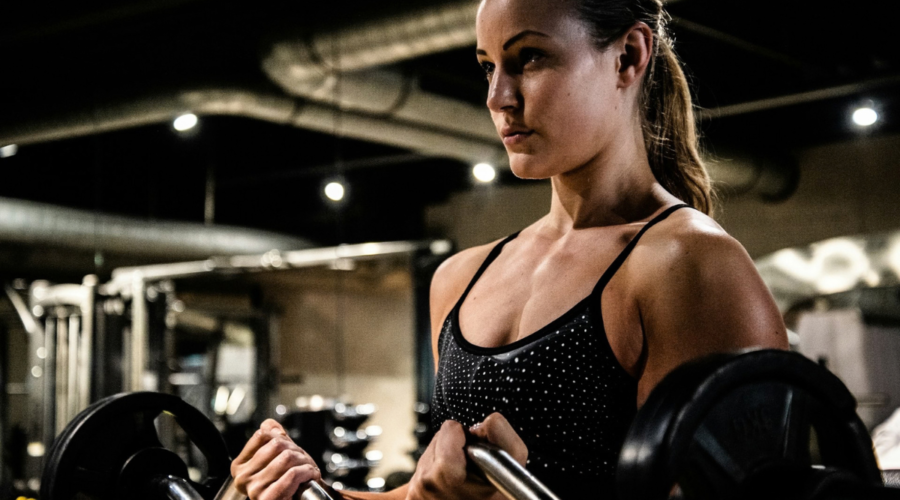


Looking younger is not about trying to erase every line from your face or chasing the body you had at 21. It is more about preserving the things that tend to make people look energetic, capable, and well such as healthy looking skin, enough muscle to fill out your frame, an upright posture, and the confidence to move with purpose.
Weightlifting, also called resistance training, cannot stop the passage of time. It also cannot replace sleep, a nutritious diet, sun protection, medical care, or sensible stress management. What it can do is help address several physical changes that are commonly associated with aging. The evidence is especially compelling for muscle strength, lean mass, body composition, physical function, and bone health. There is even early direct evidence that regular resistance training can improve some markers of skin aging.


That makes lifting one of the most useful long term habits you can build. You do not need to train like a competitive powerlifter. A consistent program built around challenging movements that you can perform safely can make a meaningful difference.
1. It Can Improve Markers of Skin Health
Stronger muscles are not the only tissue that responds
Skin aging is influenced by many factors, including sun exposure, smoking, sleep, nutrition, genetics, and normal changes in collagen, elastin, blood vessels, and the skin’s supporting structure. Exercise is not a cosmetic procedure, and it would be misleading to promise that it will remove wrinkles. However, research suggests that resistance training may have a genuine effect on the biology of aging skin.
In a 16 week intervention involving previously sedentary middle aged women, both aerobic and resistance training improved measures linked with skin health. Resistance training was associated with an increase in dermal thickness, which matters because the dermis is the deeper skin layer that provides much of the skin’s structure and resilience. The researchers also found changes in circulating factors that may help explain how training influences the skin.

This is an important finding, but it needs to be interpreted sensibly. It does not mean every workout creates instant visible changes, and one study does not establish a guaranteed result for every person. The participants were middle aged women who were previously sedentary, and individual responses will vary. Still, it provides a plausible, direct reason to view lifting as part of an overall healthy aging routine rather than a habit that only changes your biceps.
The practical lesson is simple. Train consistently enough for the body to adapt. Pair that training with the basics that have an enormous influence on how skin ages: regular sunscreen use, not smoking, adequate sleep, sufficient calories and protein, and a diet that contains plenty of minimally processed foods. Weightlifting adds to that foundation. It does not replace it.
2. It Helps You Keep the Muscle That Makes a Body Look Capable
Muscle is a visual and functional asset
One of the most noticeable physical changes with aging is the gradual loss of muscle mass and strength. This process can begin earlier than many people expect and becomes more relevant with every decade if it is not challenged. Less muscle can change the outline of the shoulders, arms, glutes, thighs, and back. It can also make everyday movement look slower and more tentative.
Resistance training gives muscle a reason to stay. It provides mechanical tension, which signals the body to maintain and build muscle tissue. Meta analyses in healthy older adults and in older adults with sarcopenia consistently show that resistance training improves muscle strength and measures of muscle mass or morphology. These changes are not just useful in a clinical chart. They can help maintain a firmer, more athletic appearance while supporting the strength needed for daily life.

This point matters for people who only focus on the scale. Losing body weight without preserving muscle can leave someone smaller but not necessarily healthier, stronger, or happier with how they look. A well designed lifting routine aims for a better balance: enough muscle to create shape, enough strength to use that muscle confidently, and habits that support a body composition you can sustain.
For beginners, the most productive approach is usually not a complicated split. Start with movements that train the major patterns: a squat or leg press, a hip hinge or hip thrust, a press, a row, a vertical pull, and a loaded carry or trunk exercise. Use a weight that feels challenging while allowing controlled technique. Over time, add a little weight, a repetition, or a set when your current work becomes manageable. That gradual progression is the part that tells your body it still needs to adapt.
The goal is not to become huge
Many people, particularly beginners, worry that lifting will make them bulky. In reality, substantial muscle gain takes time, progressive training, adequate food intake, and usually a very deliberate goal. For most adults, lifting twice or three times per week helps create a more balanced frame rather than an extreme physique. It can add useful shape to the upper back and shoulders, strengthen the legs and glutes, and preserve the tissue that supports a youthful looking body composition.
3. It Can Improve Body Composition Without Treating Food as the Enemy
A leaner waist is not the only outcome that matters
How you look is influenced by the relationship between fat mass and lean mass, not simply by body weight. Resistance training is not a magic fat loss tool, and it does not exempt anyone from the basic effect of overall energy balance. Yet systematic reviews show that resistance training can reduce body fat percentage, fat mass, and visceral fat in healthy adults. It can be particularly valuable during a fat loss phase because it helps preserve or build lean tissue while you work toward a calorie deficit.
Visceral fat is stored around internal organs rather than directly beneath the skin. It is not something you can judge perfectly in the mirror, but lowering excessive amounts is important for health. Some evidence suggests that resistance training can reduce it, although responses differ between individuals and programs. Combining lifting with regular walking, aerobic work you enjoy, and a sustainable nutrition plan is often a more reliable strategy than relying on one training method alone.
The visible benefit of resistance training is often body recomposition. Your body weight may change slowly, but your waist, clothing fit, and overall shape can change because you are improving the ratio of muscle to fat. That is why photos, waist measurements, gym performance, and how clothes fit can sometimes be more informative than obsessively checking a scale.
Avoid the temptation to turn this into a punishment. Aggressive dieting can make training harder and may undermine recovery. Aim for meals that include protein, fruit and vegetables, fiber rich carbohydrates, and fats that support satisfaction. The best plan is one you can repeat for months, not one you can endure for ten days.
4. It Helps You Stand, Walk, and Move With More Youthful Energy
Movement quality changes first impressions
People do not only judge age from skin or body shape. They also notice how someone walks, rises from a chair, climbs stairs, carries groceries, and holds themselves in a room. Strength does not guarantee perfect posture, but it can support the muscles and movement capacity needed to stand taller, control your body, and move with less effort.
Research in older adults shows that resistance training can improve measures of gait and functional performance, including walking speed, sit to stand ability, and timed up and go performance. Those outcomes may sound technical, but they describe real life tasks. The ability to get up strongly, walk at a good pace, and remain steady while changing direction contributes to the impression of vitality.
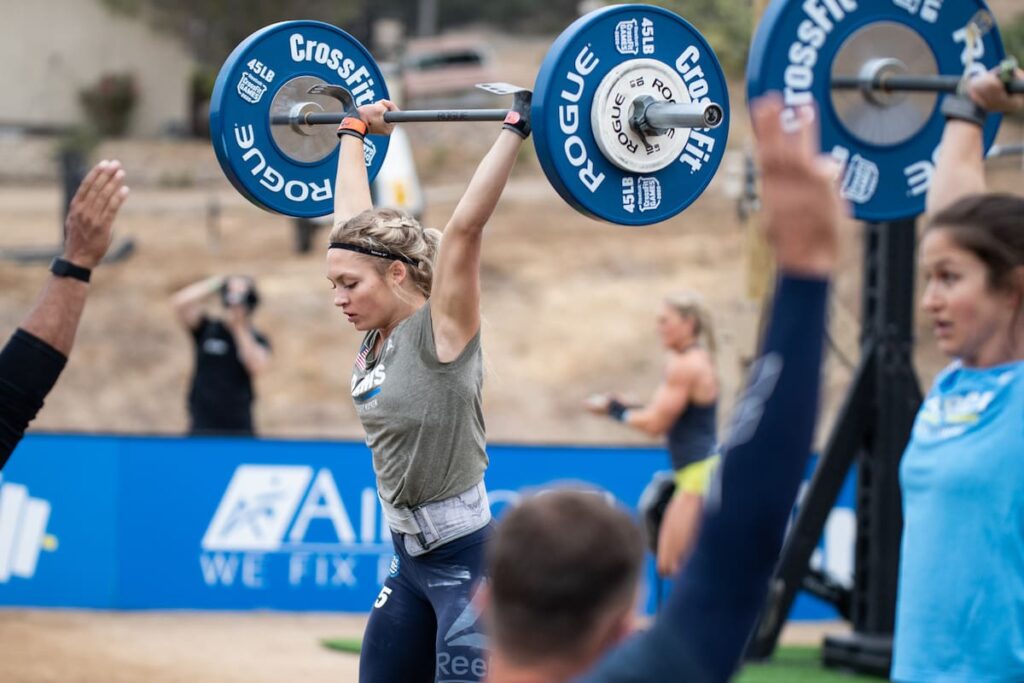
Lifting also gives you a direct opportunity to practice body position. Rows, pulldowns, deadlift variations, split squats, presses, and carries all demand some degree of trunk control and coordination. That does not mean you should force your shoulders backward all day or chase a rigid military posture. A better goal is to build the strength and awareness to access comfortable, varied positions instead of collapsing into the same tired shape for hours.
If your work involves long periods at a desk, lifting is most effective when it is paired with more daily movement. Take walking breaks, change positions, and use your newly developed strength in ordinary life. A two hour workout cannot fully compensate for every other hour spent completely still.
5. It Supports Bone Health, Confidence, and a More Positive Presence
Bone and muscle work together
Bone loss is not always visible until it becomes serious, but it can affect posture, independence, and the way the body carries itself. Bones respond to loading, and resistance training provides a useful stimulus when it is planned appropriately. Systematic reviews and meta analyses report benefits of dynamic resistance exercise for bone mineral density in postmenopausal women, especially when programs are appropriately progressive. The research does not suggest that one type of exercise alone solves every bone health concern, but it strongly supports resistance exercise as part of a broader strategy.
For people with osteoporosis, a history of fracture, persistent pain, or a medical condition that affects bone health, exercise selection needs to be individualized. That is a reason to seek guidance from a qualified clinician or exercise professional, not a reason to avoid movement altogether. A safe plan may begin with machines, bodyweight exercises, supported variations, and careful technique before adding heavier loads.
Feeling better can change how you present yourself
Looking younger also has a psychological dimension. When you feel physically capable, you are more likely to move freely, wear the clothes you enjoy, take part in social plans, and carry yourself with confidence. Resistance training is not a treatment for every mental health problem, but systematic reviews in older adults report improvements in depressive symptoms and some quality of life outcomes. That can matter because mood, energy, and self perception all influence the signals you project.
3 Best Cable Back Exercises for a More Attractive V Shaped Torso
There is a valuable feedback loop here. You train, become more capable, notice progress, and feel encouraged to keep looking after yourself. Over time, that consistency can show up in the way you stand, move, and engage with life. It is not vanity. It is the visible result of maintaining physical capacity.
How to Start Lifting for Healthy Aging
You do not need a perfect program to get started. Two full body sessions per week is a strong entry point for many beginners. Choose exercises you can perform confidently, train the whole body, and leave at least a day between sessions. Begin with a manageable amount of work, then progress gradually as your technique and recovery improve.

A practical session might include a leg exercise such as a goblet squat or leg press, a hip exercise such as a Romanian deadlift or hip thrust, a pushing exercise, a rowing exercise, a pulling exercise, and a simple trunk movement or carry. Most people can begin with one to three controlled sets per movement. The final repetitions should feel demanding, but your technique should remain solid.
Warm up with a few easy sets and do not rush to prove how strong you are. The durable results come from training regularly for years. If you are returning after time away, have a health condition, or are unsure how to lift safely, an experienced coach or physical therapist can help you choose suitable starting variations.
Weightlifting will not freeze time, and it should not become another pressure to look a certain way. Its value is bigger than that. It helps you preserve muscle, build strength, improve body composition, support bone and skin health, and move through life with more capability. Those are qualities that tend to read as youthful at any age.
References
- Chen, Z., Liu, S., Zhang, D. and Li, W. (2021) ‘Effect of resistance training with and without caloric restriction on visceral fat: A systematic review and meta analysis’, Obesity Reviews, 22(9), e13275.
- Choi, M., et al. (2020) ‘Effects of dynamic resistance exercise on bone mineral density in postmenopausal women: A systematic review and meta analysis with special emphasis on exercise parameters’, Osteoporosis International, 31, pp. 1493 to 1511.
- Kikuchi, N., et al. (2023) ‘Resistance training rejuvenates aging skin by reducing circulating inflammatory factors and enhancing dermal extracellular matrices’, Scientific Reports, 13, 10717.
- López, P., et al. (2018) ‘Benefits of resistance training in physically frail elderly: A systematic review’, Aging Clinical and Experimental Research, 30, pp. 889 to 899.
- Martins, W.R., et al. (2021) ‘The effect of resistance training in healthy adults on body fat percentage, fat mass and visceral fat: A systematic review and meta analysis’, Sports Medicine, 51, pp. 287 to 303.
- Oliveira, J.S., et al. (2023) ‘Are dose response relationships of resistance training reliable to improve functional performance in frail and pre frail older adults? A systematic review with meta analysis and meta regression of randomized controlled trials’, Ageing Research Reviews, 90, 102016.
Key Takeaways
| Area | What weightlifting can help with | What to remember |
|---|---|---|
| Skin | It may improve markers linked with healthier skin, including dermal thickness | It complements rather than replaces sun protection, sleep, and nutrition |
| Muscle | It preserves and builds muscle that supports a capable, athletic appearance | Results require regular progressive training |
| Body composition | It can improve lean mass and help reduce fat mass | Sustainable nutrition and daily activity still matter |
| Movement | It improves strength and functional tasks such as standing and walking | Use full range movements with sound technique |
| Bones and wellbeing | It supports bone health and can improve mood and quality of life | Seek individual guidance if you have medical or bone health concerns |