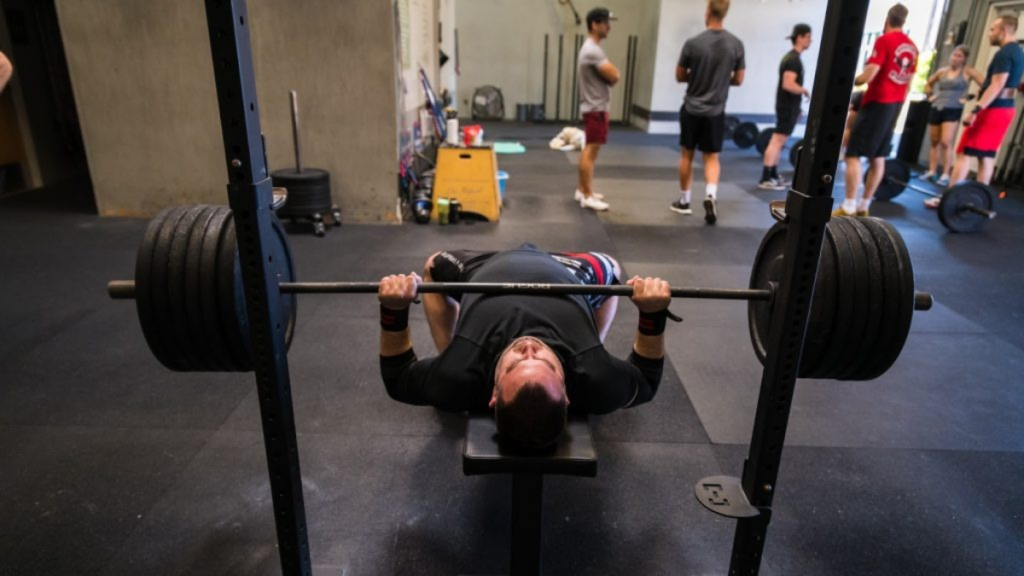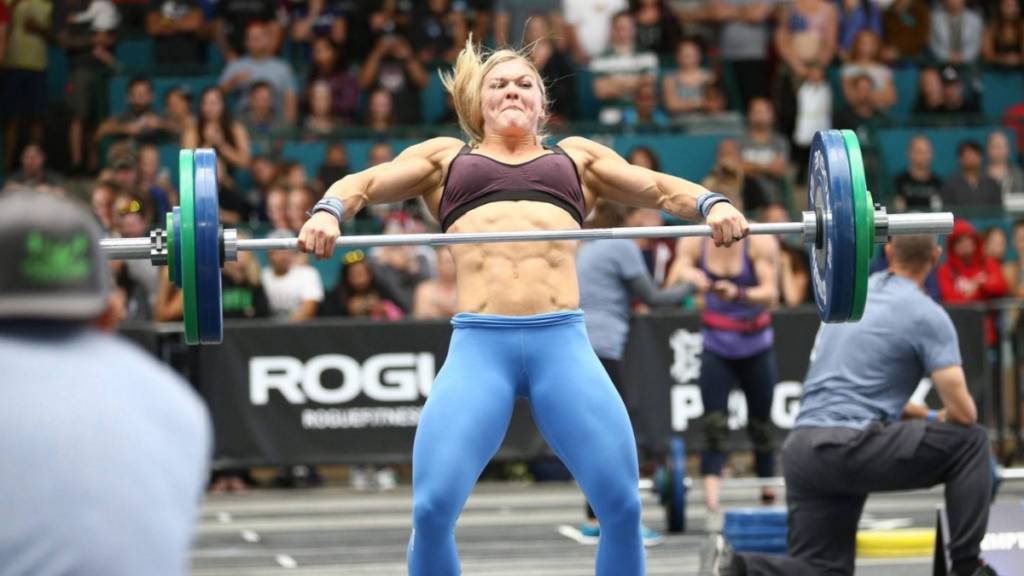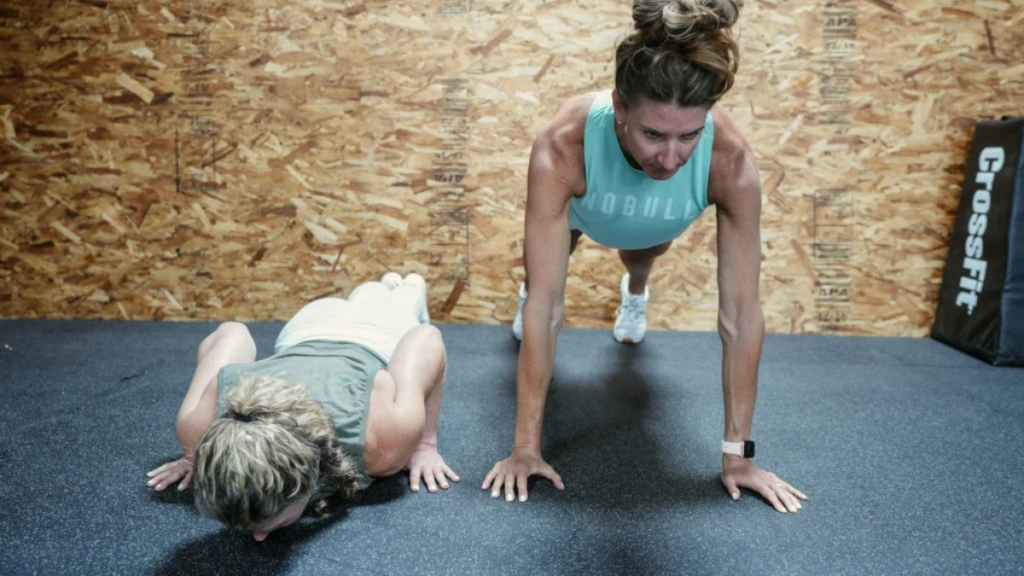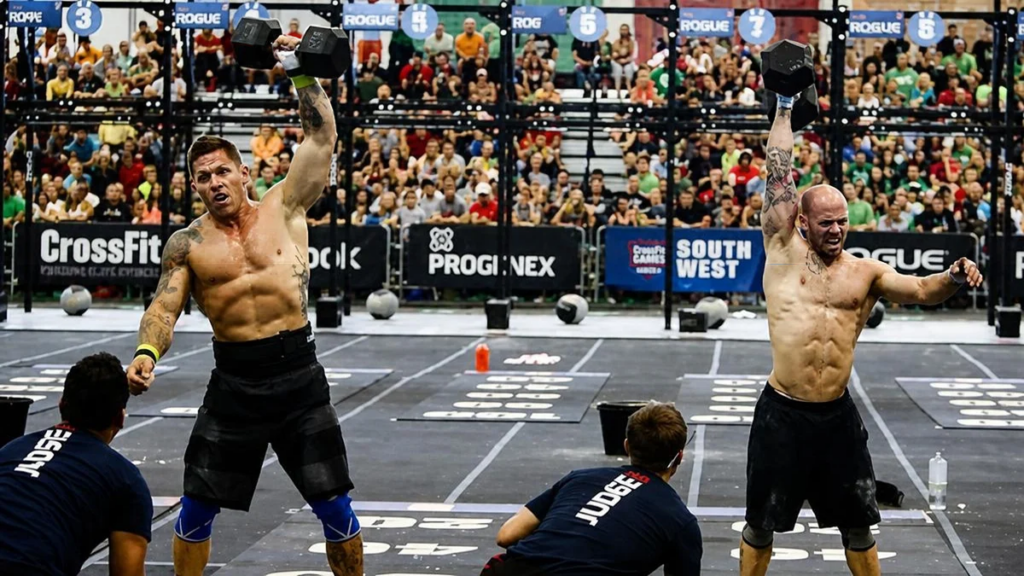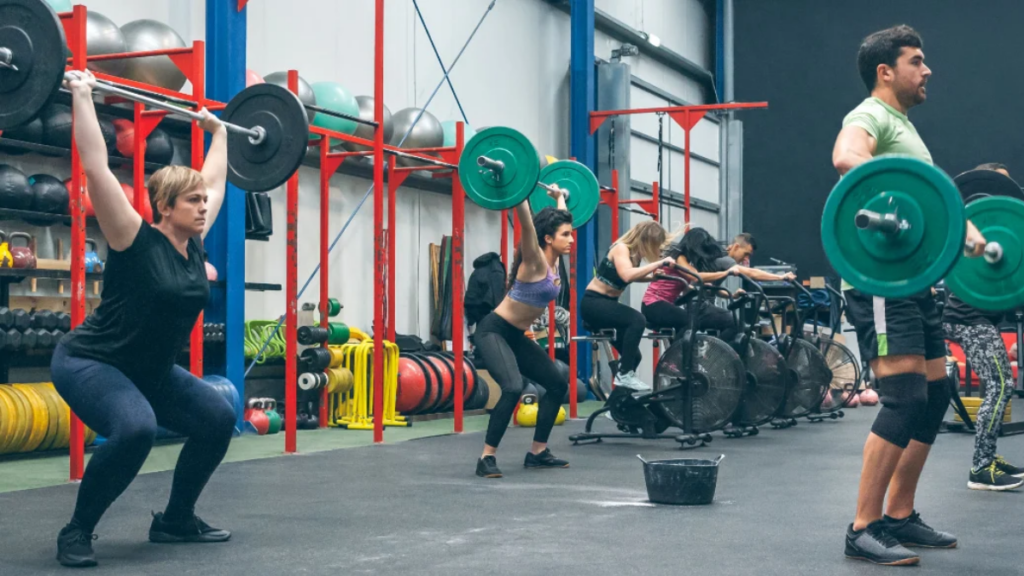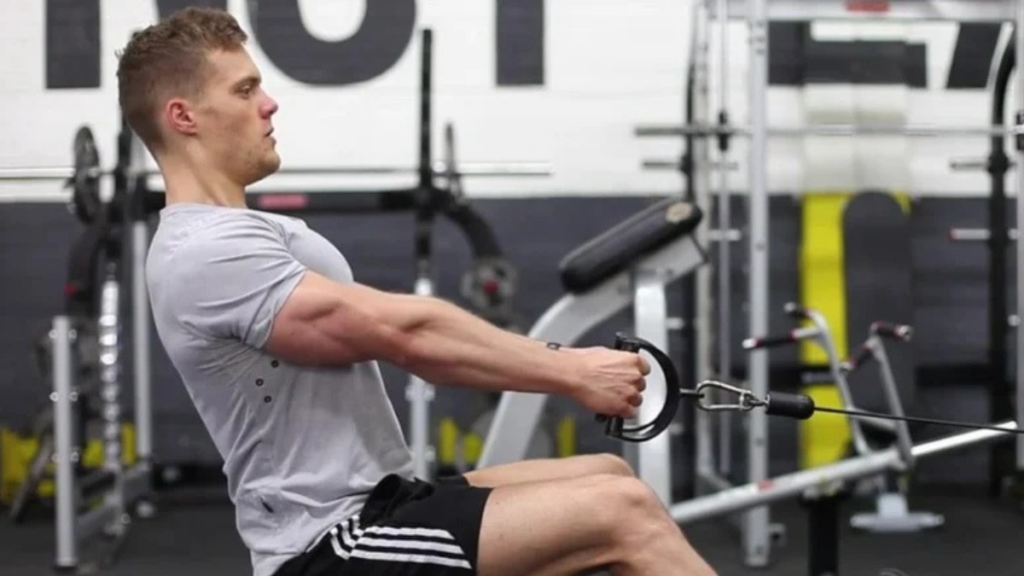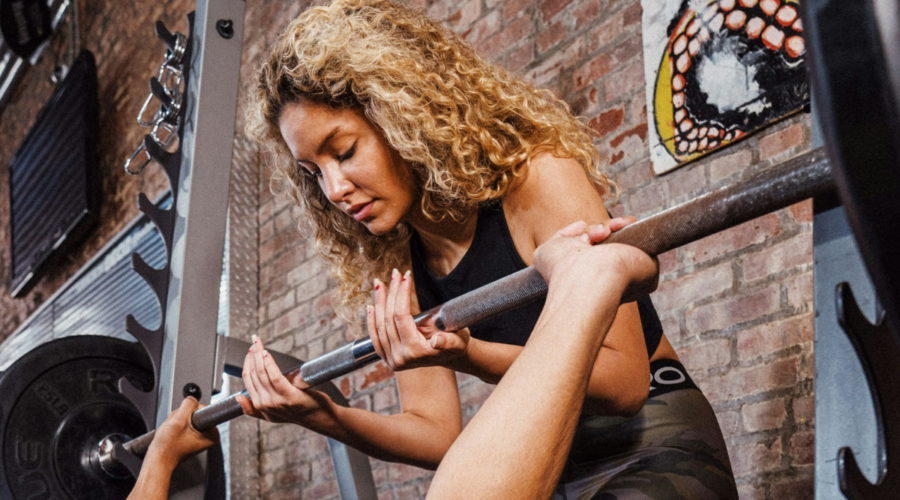


Compound exercises involve movement at more than one joint and use several muscle groups at once. A squat, for example, uses the hips and knees, while a bench press involves the shoulders and elbows. Single joint exercises, such as biceps curls and leg extensions, focus on moving one main joint.
Both types of exercise can help build muscle and strength. Research does not show that compound movements are automatically better for every muscle or every goal. Their value comes from how much useful training they can pack into a workout, how closely they match many strength goals, and how easy they are to progress over time.


Here are 10 reasons compound exercises deserve a place in almost every gym routine.
1. They train several muscle groups in one movement
A squat is not just a thigh exercise. It also asks the glutes and trunk muscles to contribute. A row works the muscles of the upper back while the arms help move the weight. A pressing movement trains the chest, shoulders and triceps together.
This does not mean every muscle works equally hard. The muscles that contribute most depend on the exercise, your technique, your range of motion and your body proportions. Still, a well chosen compound exercise can train several related muscles within a single movement.
For gym goers who want a practical foundation, this makes it easier to cover major areas of the body without building a program around a long list of separate exercises. A balanced routine can include a squat or leg press, a hip hinge, an upper body push and an upper body pull.
2. They can make limited workout time go further
If you have only 30 or 45 minutes to train, exercises that involve more than one joint can help you work several muscles in fewer movements. A set of presses, rows and squats covers a lot of ground. A routine based only on single joint exercises might need more movements to train the same broad areas.
That does not guarantee a shorter workout. Compound exercises can require longer rests, especially when you use heavy loads or want to maintain good technique. A workout with many hard sets can still take a long time. The advantage is that compound exercises give you an efficient starting point when you need to keep your exercise list focused.
A time efficient plan should also allow enough recovery between demanding sets. Rushing from one heavy lift to another can reduce the quality of your work. Compound exercises help you use your training time well, but they do not remove the need to plan the session.
3. They help you build strength in the movements you practice
Strength is specific to the task you train. If you want to improve your squat, practicing a squat pattern is more directly relevant than doing only leg extensions. If your goal is to get stronger at pressing, regular practice with a press gives you experience coordinating the muscles and joints involved.
That is one reason compound exercises are common in strength training. They let you practice movements such as squatting, hinging, pushing and pulling while progressively challenging the muscles that produce them. You can track changes in load, repetitions or control over time.
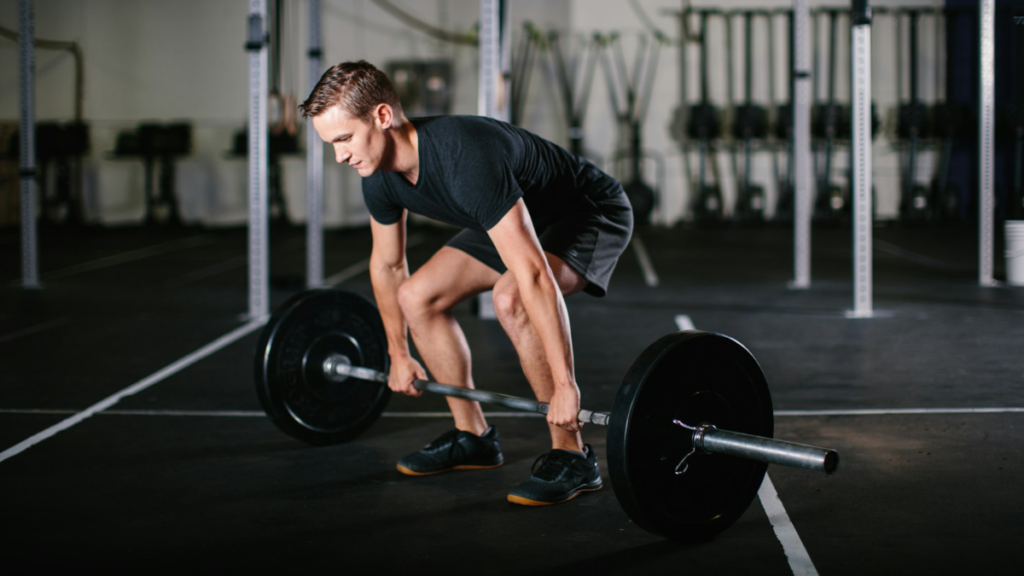
Specificity does not mean you must use a barbell. A dumbbell press, machine chest press, goblet squat or cable row can all provide useful practice. Choose a version that matches your ability, equipment and goal, then build skill and strength through consistent training.
4. They make progressive overload easier to measure
Progressive overload means gradually asking your body to do more work over time. That might mean lifting a little more weight, completing more repetitions with the same weight, or performing the movement with better control and range.
Compound exercises are often straightforward to track. If you can perform more repetitions with the same load while keeping your technique consistent, that is measurable progress. The same is true if you gradually add weight while maintaining the planned number of repetitions.
Progress does not need to happen every workout. Training performance can vary with sleep, stress, nutrition and recovery. The useful comparison is the pattern across several weeks, not whether every session sets a new record. A training log can help you see that pattern.
5. They build coordination as well as muscle strength
A multi joint lift asks different muscles to contribute at the right time. During a deadlift, for example, you need to coordinate your legs, hips, trunk and upper body to move the load. This coordination is part of performing the exercise, rather than an extra benefit that occurs separately from strength training.
That makes compound exercises useful for people who want to practice controlling their body and external loads through common movement patterns. Learning a movement takes time, so beginners should start with a variation they can perform comfortably and use a load they can control.
Coordination is not a reason to choose the most complicated exercise in the gym. A movement is only useful if you can perform it safely and repeat it consistently. Machines, dumbbells and body weight options can all provide a manageable way to learn a pattern.
6. They help you practice movements used in everyday life
Many daily tasks involve several joints working together. Standing up from a chair uses the hips and knees. Picking up an object involves the hips, legs and trunk. Pushing a heavy door or moving a loaded cart calls on muscles in the upper body and torso.
Compound exercises can let you train movements that resemble parts of these everyday tasks. A squat variation can practice rising from a seated position, while a hip hinge can help you rehearse lifting an object from the floor. The movements are not identical to daily activities, but practicing them under controlled conditions can build relevant strength.
The exercise should match the person doing it. Someone with pain, limited mobility or a recent injury may need a different range of motion or a less demanding variation. Everyday usefulness depends on choosing a movement that fits your body and current ability.
7. They can support muscle growth across several areas
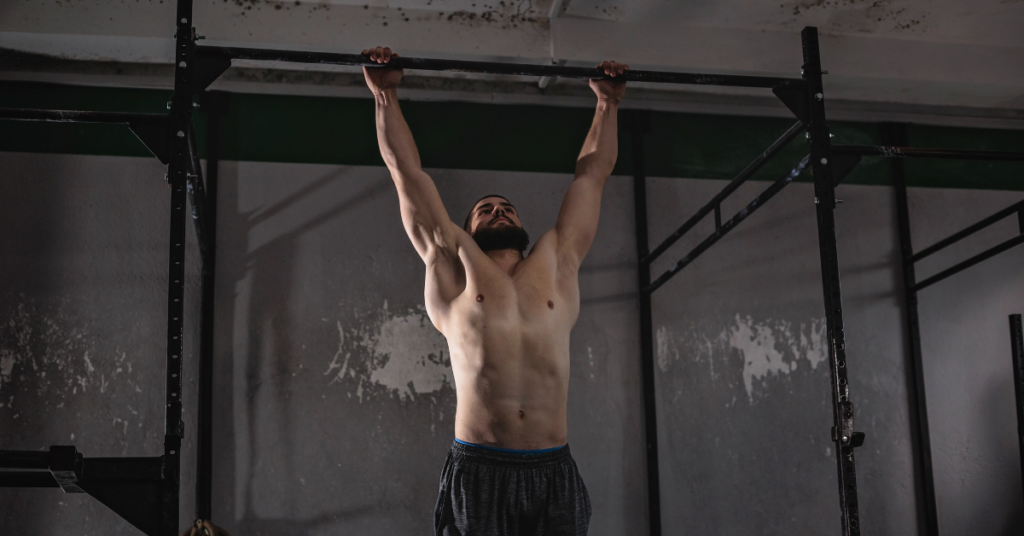
Compound exercises can provide a strong stimulus to the muscles that contribute to the movement. A chest press trains the chest along with the front of the shoulders and triceps. A pull up or pulldown involves the back and elbow flexors. Over time, challenging resistance training can increase muscle size.
However, compound exercises do not guarantee complete development of every muscle. Some muscles may receive less direct work, and individual responses vary. A review comparing single joint and multi joint exercise found that both approaches can support muscle growth, with results depending on the muscle and exercise selection.
For many people, compound movements can provide the main work in a muscle building routine. Single joint exercises can be added when a particular muscle needs more focused training or when a person wants to train it without asking other muscles to contribute as much.
8. They offer options for different equipment and experience levels
A compound movement is a pattern, not one specific piece of equipment. You can train a squat pattern with a barbell, dumbbells, a machine or just your body weight. You can perform a pressing movement with a bench press, push ups, dumbbells or a machine.
This flexibility is helpful when equipment is limited or when a particular version does not feel comfortable. A beginner might start with a box squat or machine press, then move to a more challenging variation when ready. An experienced lifter might choose a barbell lift because it suits their goals and training experience.
Push-Ups vs Dumbbell Press: Which Builds a Bigger Chest?
A variation should be chosen for a reason. The best option is one you can perform with control, progress over time and fit into your routine. A complicated lift is not automatically more effective than a simple one.
9. They help prioritize the lifts that matter most to your goal
Training sessions usually have a limited amount of energy and time. If improving a particular compound lift is your priority, doing it earlier in the workout can help you give it more attention. A review of exercise order found that strength gains tended to be greatest in exercises performed near the beginning of a session.
This is useful when you have a clear goal. If you want to improve your squat, perform your squat variation before exercises that fatigue the legs. If your main goal is pressing strength, do your press before tiring out the chest and triceps with accessory work.
Exercise order is less important if your goal is general fitness or muscle growth across a broad program. The key is to place your highest priority exercises where you can perform them with good effort and technique.
10. They give you a strong foundation for a balanced program
A well planned routine does not need dozens of exercises. Compound movements can form its backbone by covering lower body, upper body pushing and upper body pulling patterns. You can then add smaller exercises based on your goals, preferences, equipment or any muscles that need extra attention.
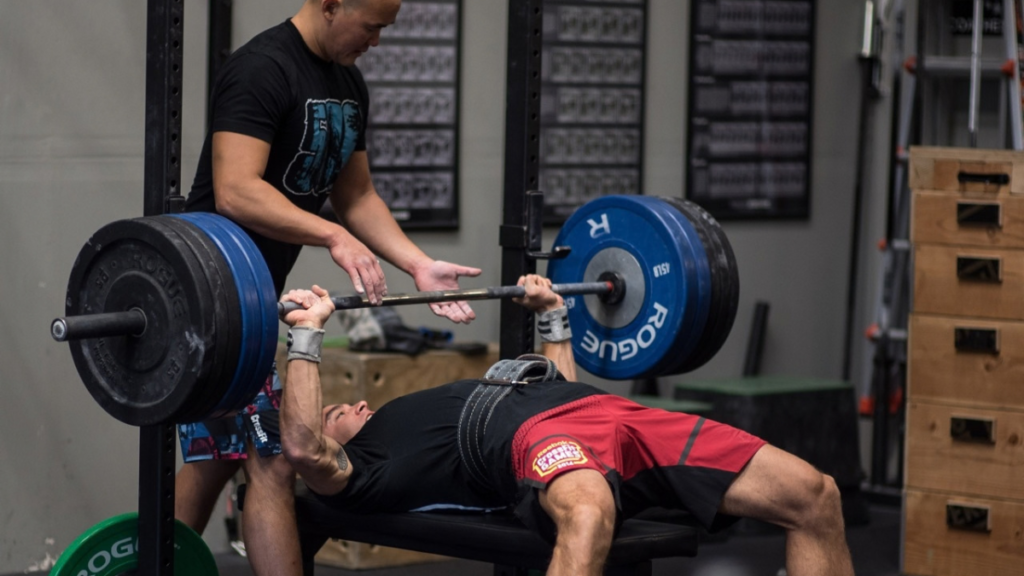
For example, a routine might include a squat variation, a hip hinge, a press and a row. Someone who wants more arm training could add curls and triceps extensions. Someone who wants to focus on shoulder health might include a suitable lighter exercise for the upper back or rotator cuff.
This approach keeps the program organized without claiming that compound exercises are the only movements worth doing. Current resistance training guidance includes both single joint and multiple joint exercises, and the right mix depends on the person and the outcome they want.
How to use compound exercises in your routine
Start with a version of each movement that you can perform comfortably and consistently. Use a manageable load and learn the movement before adding weight. Keep your repetitions controlled, and stop a set if you cannot maintain the technique you intended.
Build your routine around a few main movements, then add single joint exercises when they help you reach a specific goal. You do not need to max out on every lift or use the same variation forever. Progress can come from a small increase in load, an extra repetition, or better control across the range of motion.
Compound exercises are essential because they offer a practical way to develop strength and train several muscles through useful movement patterns. They are most effective when they fit your goals, your ability and a program you can follow consistently.
References
- American College of Sports Medicine (2009) ‘Progression models in resistance training for healthy adults’, Medicine & Science in Sports & Exercise, 41(3), pp. 687–708.
- Currier, B.S., McLeod, J.C., Banfield, L., et al. (2023) ‘Resistance training prescription for muscle strength and hypertrophy in healthy adults: a systematic review and Bayesian network meta-analysis’, British Journal of Sports Medicine, 57(18), pp. 1211–1220.
- Gentil, P., Soares, S. and Bottaro, M. (2015) ‘Single vs. multi-joint resistance exercises: effects on muscle strength and hypertrophy’, Asian Journal of Sports Medicine, 6(2), e24057.
- Iversen, V.M., Norum, M., Schoenfeld, B.J. and Fimland, M.S. (2021) ‘No time to lift? Designing time-efficient training programs for strength and hypertrophy: a narrative review’, Sports Medicine, 51, pp. 2079–2095.
- Nunes, J.P., Grgic, J., Cunha, P.M., Ribeiro, A.S., Schoenfeld, B.J., de Salles, B.F. and Cyrino, E.S. (2021) ‘What influence does resistance exercise order have on muscular strength gains and muscle hypertrophy? A systematic review and meta-analysis’, European Journal of Sport Science, 21(2), pp. 149–157.
- Rosa, A., Vazquez, G., Grgic, J., Balachandran, A.T., Orazem, J. and Schoenfeld, B.J. (2023) ‘Hypertrophic effects of single- versus multi-joint exercise of the limb muscles: a systematic review and meta-analysis’, Strength and Conditioning Journal, 45(1), pp. 49–57.
Key Takeaways
| Reason | Takeaway |
|---|---|
| Train more muscles | Compound exercises involve several muscles and joints in one movement. |
| Use workout time well | A focused selection can cover broad movement patterns with fewer exercises. |
| Build specific strength | Practicing a movement supports strength in that movement. |
| Track progress | Load, repetitions and control offer practical ways to measure improvement. |
| Add coordination | Compound lifts require muscles and joints to work together. |
| Support daily movement | Squats, hinges, pushes and pulls resemble parts of common tasks. |
| Stimulate muscle growth | Compound exercises can build muscle, while isolation work can target specific areas. |
| Adapt to your level | Many movement patterns have beginner friendly and advanced variations. |
| Prioritize key lifts | Perform goal focused movements early while you are fresher. |
| Build a balanced plan | Use compound movements as a foundation and add focused exercises as needed. |