

Strength is one of the simplest ways to measure how well your body is aging. It influences how easily you carry groceries, climb stairs, lift your children, perform at work, and stay independent later in life. It is also one of the strongest predictors of long term health, disability risk, and even lifespan.
The surprising part is that many people have no idea how strong they actually are compared to others their age. They may feel fit because they exercise regularly, or they may assume they are weak simply because they are getting older. Neither assumption is always correct.



Modern research shows that muscular strength follows predictable patterns across the lifespan. It generally peaks in early adulthood, remains relatively stable for several decades if maintained through resistance training, and gradually declines with age. The rate of decline depends far more on lifestyle than on birthdays alone. So, how do you know where you stand?
The answer is not based on appearance or body weight. Scientists and strength coaches rely on measurable performance. Grip strength, relative strength in major lifts, and the ability to move your own body are all reliable indicators. Here is how to determine whether you are stronger than the average person your age and what science says about why it matters.
Why Strength Matters More Than You Think
Many people focus on body weight, body fat percentage, or cardiovascular fitness. Those are all valuable health markers, but muscular strength deserves equal attention.
Large population studies have consistently shown that stronger individuals experience lower rates of cardiovascular disease, metabolic disorders, falls, fractures, disability, and premature death. This relationship remains significant even after accounting for physical activity and body composition.
3 Best Exercises for Men Over 35 That Want a Wider Back
Strength also improves daily function. Tasks that feel physically demanding for one person may require only a small percentage of another person’s maximum strength. That difference means less fatigue, lower injury risk, and greater confidence during everyday activities.
Researchers have also found that maintaining muscle strength into older age helps preserve independence by reducing the likelihood of mobility limitations and frailty.
How Strength Changes Throughout Life
Muscle mass and strength typically increase throughout childhood and adolescence before reaching their highest levels during the twenties and early thirties.
From that point onward, most adults begin losing muscle mass and strength at a slow rate. The decline accelerates after about age 60 and becomes even more pronounced after age 75.
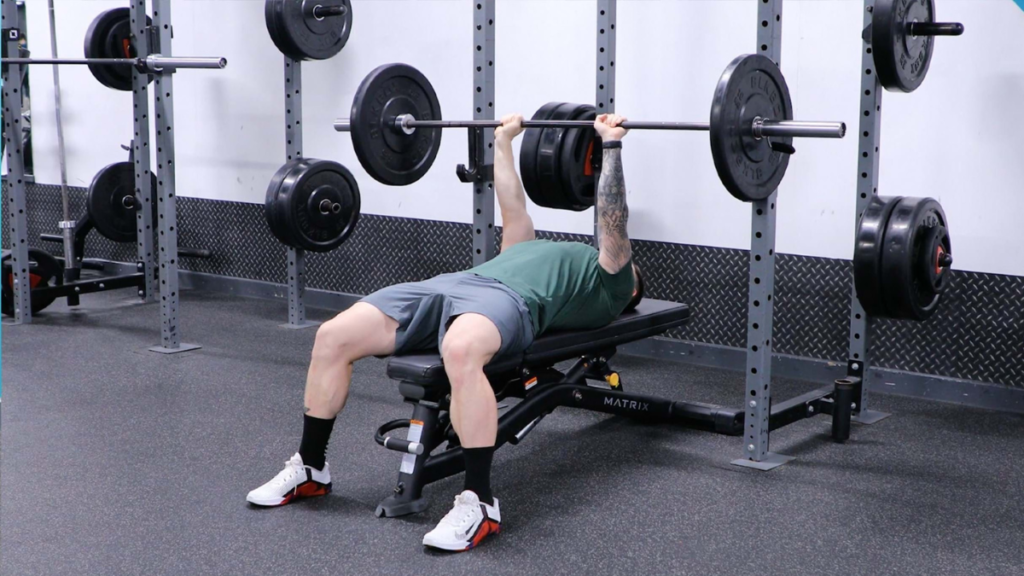
Fortunately, these averages are heavily influenced by inactivity. Adults who consistently perform resistance training retain significantly more muscle mass and strength than sedentary individuals. In many cases, trained adults in their sixties outperform inactive people decades younger.
Researchers studying healthy aging have repeatedly demonstrated that regular strength training slows age related muscle loss, improves bone density, enhances balance, and preserves physical function well into old age.
The Best Ways to Measure Your Strength
Strength can be evaluated in several ways. Some tests require gym equipment while others can be performed almost anywhere.
Grip Strength
Grip strength has become one of the most widely used measurements in medical research. A simple hand dynamometer measures the amount of force your hand can produce. While it sounds like a narrow measurement, grip strength closely reflects overall muscular strength and predicts future health outcomes remarkably well.
Lower grip strength has been linked with higher risks of cardiovascular disease, disability, hospitalization, and all cause mortality.
Average grip strength varies by age and sex, but researchers have established broad reference ranges for healthy adults.
For healthy men between ages 20 and 39, grip strength commonly falls around 46 to 52 kilograms. Women in the same age range generally average between 27 and 32 kilograms. Values gradually decrease with advancing age. Grip strength alone does not tell the whole story, but it provides an excellent snapshot of overall physical capability.
Relative Strength
Raw strength matters less than strength relative to your own body weight. A 180 pound individual who deadlifts 360 pounds demonstrates better relative strength than someone weighing 300 pounds who lifts 450 pounds.
Relative strength reflects both muscular development and body control. It also translates more directly into sports performance and daily movement. Strength coaches often evaluate the following benchmarks for recreational lifters.
An average healthy man who has trained consistently for one to two years should eventually squat approximately 1.5 times body weight, deadlift about twice body weight, and bench press roughly 1.25 times body weight.
For women, strong recreational benchmarks commonly include squatting around 1.25 times body weight, deadlifting approximately 1.5 to 1.75 times body weight, and bench pressing close to 0.75 to one times body weight.
These are not elite standards. They simply indicate above average strength for adults who train regularly.
Body Weight Exercises
Your ability to move your own body also provides valuable information.
Pull ups, push ups, dips, and single leg squats require coordination, stability, and muscular strength.
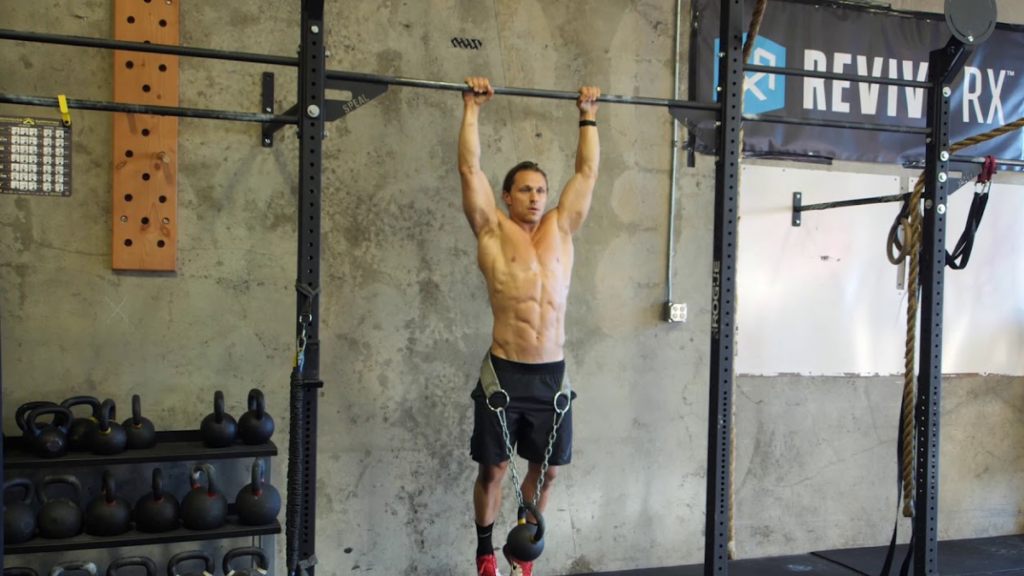
For example, research suggests that middle aged adults capable of performing higher numbers of push ups demonstrate lower future cardiovascular risk compared with individuals who can perform only a few repetitions. While body weight performance depends partly on body composition, these exercises remain useful indicators of functional strength.
Are You Stronger Than Average?
The average adult is significantly weaker than most people assume. Large portions of the population perform little or no resistance training. According to international physical activity surveys, only a minority of adults meet recommended muscle strengthening guidelines.
That means someone who consistently lifts weights two or three times per week for several years will often exceed average strength levels, even without competitive ambitions. Being stronger than average does not require lifting extraordinary weights.
For many adults, reaching the ability to squat their own body weight, deadlift one and a half times body weight, perform multiple pull ups, and carry heavy loads comfortably already places them above population averages.
Age Specific Strength Expectations
In Your Twenties
- Most healthy adults reach their greatest natural strength during this decade.
- Recovery is generally faster, hormone levels support muscle growth, and training adaptations occur rapidly.
- This is the ideal time to build a large reserve of muscle and strength that will benefit you later in life.
In Your Thirties
- Contrary to popular belief, most people can maintain peak strength throughout their thirties with consistent resistance training.
- Many powerlifters actually achieve their best performances during this decade because years of technical practice compensate for small physiological changes.
- If strength begins declining in your thirties, lifestyle factors are usually more responsible than age itself.
In Your Forties and Fifties
- Muscle loss begins becoming more noticeable in inactive adults, but resistance training remains highly effective.
- Research consistently shows that adults beginning strength training during middle age still experience significant gains in muscle mass, strength, bone density, and metabolic health.
- Many recreational lifters continue setting personal records well into their fifties.
After Age Sixty
- Strength naturally declines more rapidly, but regular training dramatically slows this process.
- Studies involving older adults show that resistance exercise improves walking speed, balance, independence, and quality of life while reducing fall risk.
- The body remains remarkably responsive to strength training, even in people over eighty years old.
Why Strength Declines
Several biological factors contribute to age related strength loss. Muscle fibers gradually shrink, especially fast twitch fibers responsible for producing high force. Hormonal changes reduce the body’s ability to build new muscle tissue. Motor neurons decline with age, making muscle activation less efficient. Physical inactivity accelerates all of these processes.
Nutrition also plays a role. Many older adults consume less protein than recommended for maintaining muscle mass, making it harder to preserve strength. The encouraging news is that resistance training directly targets nearly every one of these factors by stimulating muscle protein synthesis, improving nervous system efficiency, and preserving muscle quality.
Can You Become Stronger at Any Age?
Absolutely. One of the most consistent findings in exercise science is that humans retain the ability to gain strength throughout life. Even adults in their seventies, eighties, and nineties have demonstrated significant improvements after structured resistance training programs.
The largest gains usually occur during the first several months because the nervous system rapidly becomes more efficient at recruiting muscle fibers. Continued training then produces increases in muscle size that further improve strength. The exact rate of progress varies between individuals, but age alone is rarely the limiting factor.
How to Improve Your Strength
The foundation of strength development is progressive overload. Your muscles must gradually experience greater demands over time. That may involve lifting heavier weights, performing additional repetitions, increasing training volume, or improving exercise technique. Most adults benefit from training major muscle groups two or three times each week while focusing on compound exercises such as squats, deadlifts, presses, rows, and pull ups.
Protein intake also matters. Current evidence suggests that active adults seeking to maximize muscle growth and recovery generally benefit from consuming approximately 1.2 to 2.0 grams of protein per kilogram of body weight each day, depending on training intensity and individual goals.
Sleep, stress management, and adequate recovery further support long term strength gains by allowing muscles and the nervous system to adapt between training sessions.
Strength Is More Than Numbers
It is easy to become obsessed with personal records, but strength is ultimately about improving your quality of life. Being stronger means everyday tasks become easier. It reduces injury risk during physical work and recreational activities. It supports healthier aging, greater confidence, and better long term health.
Comparing yourself with the average person can be motivating, but your most important comparison is with your past self. If you are stronger today than you were last year, you are moving in the right direction. If you are consistently training, eating well, and challenging your muscles, you are already doing something that much of the population never does. That investment pays dividends for decades.
Final Thoughts
Being stronger than the average person your age is less about genetics than consistent habits.
Most adults lose strength because they stop challenging their muscles, not because aging makes strength impossible. Scientific evidence repeatedly shows that resistance training remains one of the most effective interventions for maintaining health, preserving independence, and extending both lifespan and healthspan. Whether you are twenty five or seventy five, measuring your strength, tracking your progress, and continuing to improve may be one of the smartest health decisions you ever make.
Key Takeaways
| Topic | Main Point |
|---|---|
| Why strength matters | Higher muscular strength is associated with lower risks of chronic disease, disability, falls, and premature death. |
| Peak strength | Most adults reach peak strength in their twenties and early thirties, but consistent training can maintain it for decades. |
| Best measurements | Grip strength, relative strength, and body weight exercise performance are reliable indicators of overall strength. |
| Average vs above average | Regular resistance training often places people above average because relatively few adults consistently perform strength training. |
| Aging | Strength naturally declines with age, but resistance training greatly slows the process. |
| Building strength | Progressive overload, adequate protein intake, sufficient recovery, and regular resistance training are the keys to long term improvement. |
| Main message | Your strength is one of the best indicators of healthy aging, and it can improve at almost any age. |
References
- Bohannon, R.W. (2019) ‘Grip strength: An indispensable biomarker for older adults’, Clinical Interventions in Aging, 14, pp. 1681 to 1691.
- Cruz Jentoft, A.J., Bahat, G., Bauer, J., Boirie, Y., Bruyère, O., Cederholm, T., Cooper, C., Landi, F., Rolland, Y., Sayer, A.A., Schneider, S.M., Sieber, C.C., Topinkova, E., Vandewoude, M. and Visser, M. (2019) ‘Sarcopenia: Revised European consensus on definition and diagnosis’, Age and Ageing, 48(1), pp. 16 to 31.
- Garcia Hermoso, A., Cavero Redondo, I., Ramirez Vélez, R., Ruiz, J.R., Ortega, F.B. and Lee, D.C. (2018) ‘Muscular strength as a predictor of all cause mortality in an apparently healthy population: A systematic review and meta analysis’, Journal of Sports Medicine and Physical Fitness, 58(4), pp. 470 to 476.
- Grgic, J., Garofolini, A., Orazem, J., Sabol, F., Schoenfeld, B.J. and Pedisic, Z. (2020) ‘Effects of resistance training on muscle strength and hypertrophy in older adults: A systematic review and meta analysis’, Sports Medicine, 50(11), pp. 1983 to 1999.
- Leong, D.P., Teo, K.K., Rangarajan, S., Lopez Jaramillo, P., Avezum, A. and colleagues (2015) ‘Prognostic value of grip strength: Findings from the Prospective Urban Rural Epidemiology study’, The Lancet, 386(9990), pp. 266 to 273.
- McLeod, J.C., Stokes, T. and Phillips, S.M. (2019) ‘Resistance exercise training as a primary countermeasure to age related chronic disease’, Frontiers in Physiology, 10, Article 645.
- Peterson, M.D., Rhea, M.R. and Sen, A. (2010) ‘Resistance exercise for muscular strength in older adults: A meta analysis’, Ageing Research Reviews, 9(3), pp. 226 to 237.
- Phillips, S.M. and Winett, R.A. (2010) ‘Uncomplicated resistance training and health related outcomes: Evidence for a public health mandate’, Current Sports Medicine Reports, 9(4), pp. 208 to 213.
- Peterson, M.D., Zhang, P. and Gordon, P.M. (2017) ‘Low muscle strength thresholds for the detection of cardiometabolic risk in adolescents’, American Journal of Preventive Medicine, 52(5), pp. 593 to 599.
- Morton, R.W., Murphy, K.T., McKellar, S.R., Schoenfeld, B.J., Henselmans, M., Helms, E., Aragon, A.A., Devries, M.C., Banfield, L., Krieger, J.W. and Phillips, S.M. (2018) ‘A systematic review, meta analysis and meta regression of the effect of protein supplementation on resistance training induced gains in muscle mass and strength in healthy adults’, British Journal of Sports Medicine, 52(6), pp. 376 to 384.
- Yang, J., Christophi, C.A., Farioli, A., Baur, D.M., Moffatt, S. and Kales, S.N. (2019) ‘Association between push up exercise capacity and future cardiovascular events among active adult men’, JAMA Network Open, 2(2), e188341.