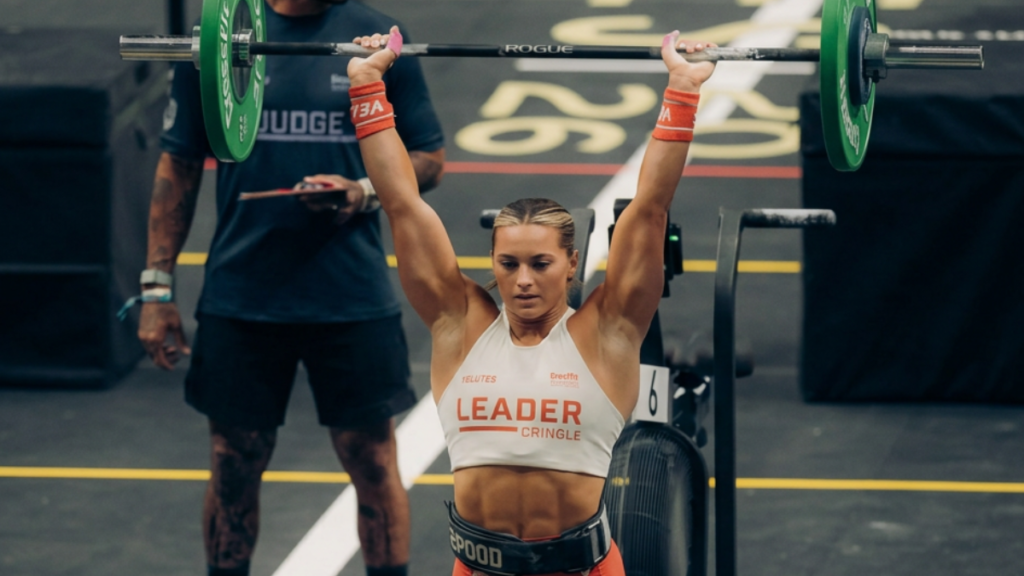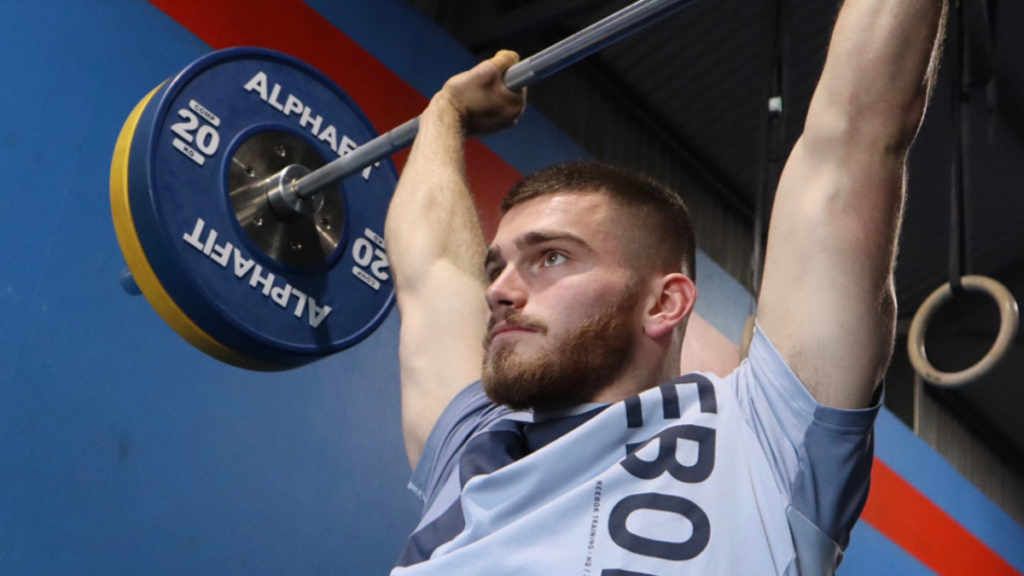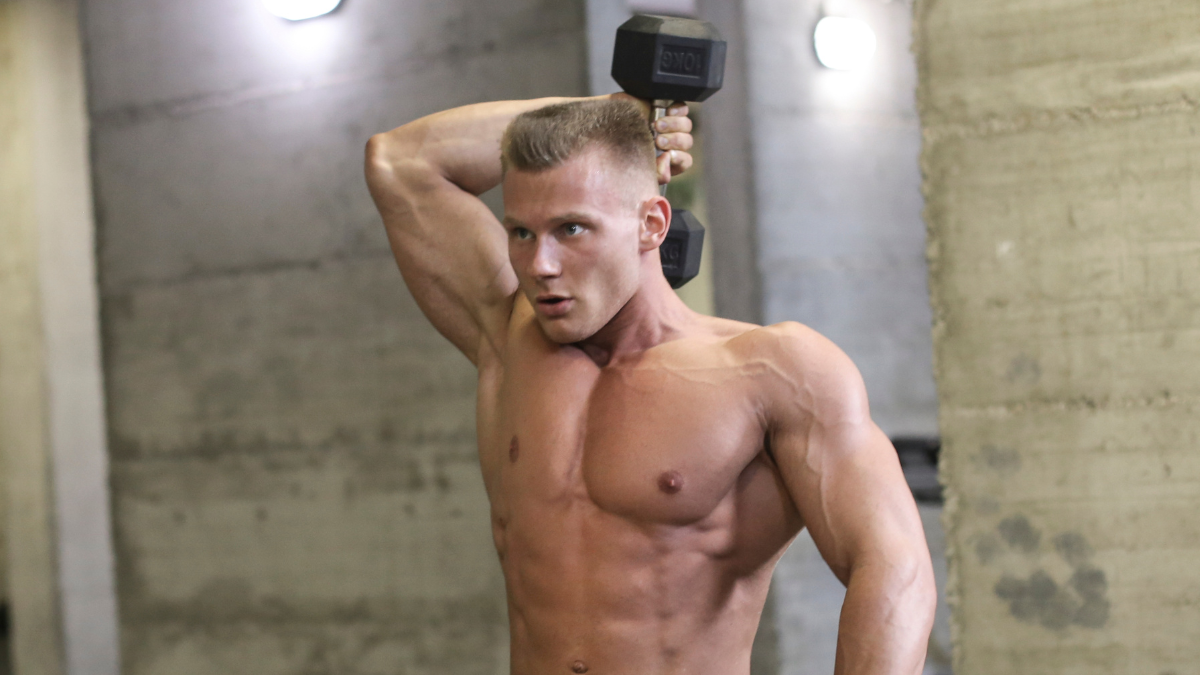


Dumbbells and barbells can both build plenty of muscle for beginners. Neither tool has a built in advantage that guarantees better growth. The method that works best is the one you can perform safely, progress consistently, and train hard enough with over time.
Dumbbells are usually easier to use when learning movements, especially presses, rows, split squats, and Romanian deadlifts. They allow each arm to move independently and make it easier to use a load that suits your current ability. Barbells are often better for adding larger amounts of total load, particularly on squats, deadlifts, presses, and rows.


For most beginners, the smartest answer is to use both. Dumbbells can help you learn control and train muscles through comfortable ranges of motion. Barbells can provide efficient strength progression as your technique improves. If you have access to only one, you can still build significant muscle with either.
The Short Answer
Dumbbells are usually the better starting point for beginners who are learning resistance training. They are versatile, simple to scale, and let each side of the body work independently. This can make it easier to identify and address differences in control or strength between your right and left sides.
Barbells are often better for building maximum strength because you can usually lift more total weight with a barbell than with two dumbbells. They also make it easier to increase the load in small, measurable steps over time.
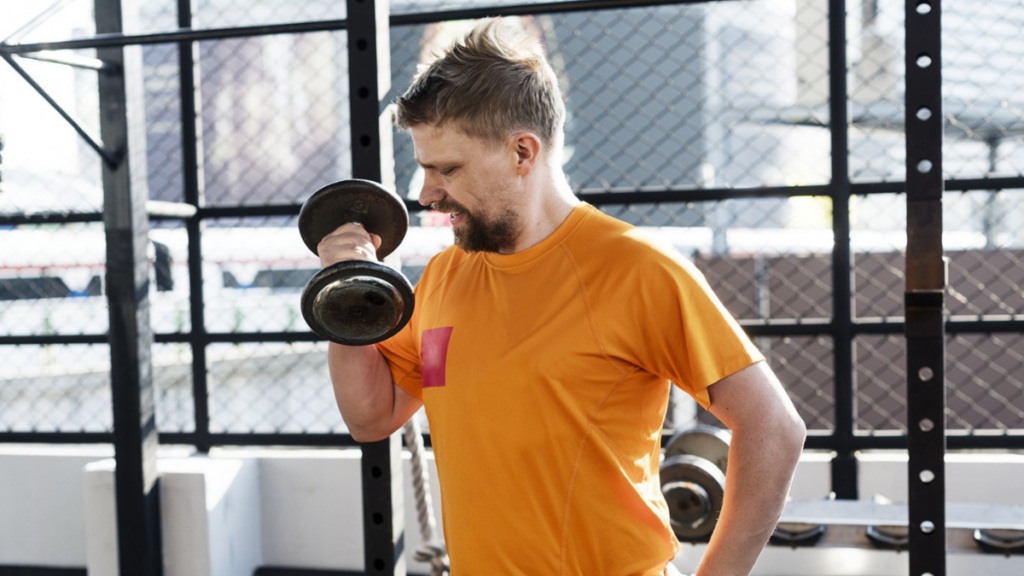
However, muscle growth is not determined by the type of equipment alone. Research shows that hypertrophy can occur with different resistance training methods when the exercises are performed with sufficient effort, training volume, and progressive overload. Your ability to train consistently matters more than whether the weight is attached to a bar or held in each hand.
What Actually Builds Muscle?
Muscle growth occurs when repeated training creates enough tension and fatigue for the body to adapt. Over time, the muscle becomes better able to handle the work by increasing its size and strength.
You do not need to use only heavy weights to build muscle. Research shows that lighter and heavier resistance can both support hypertrophy when sets are taken sufficiently close to muscular failure. Heavier loads are generally more useful for maximizing strength, while lighter loads can be effective for muscle growth when they are challenging enough.
Training volume matters too. Performing multiple challenging sets for a muscle each week generally produces more growth than performing only a very small amount of work. Beginners do not need extreme volume. They need a manageable program they can repeat, recover from, and gradually make harder.
How Many Press Ups Should Guys Over 30 Be Able to Do in 1 Minute?
This means dumbbells and barbells are simply tools. The important question is which tool helps you perform quality repetitions, create a progressive challenge, and stay consistent.
The Case for Dumbbells
Dumbbells have a major beginner advantage. Each hand holds its own weight, so each side has to produce force and maintain control. A stronger side cannot take over as easily as it can during some barbell exercises.
Dumbbells also allow the hands to move independently. During a dumbbell bench press, for example, each arm can follow a slightly different path. This may feel more comfortable for people whose shoulders do not move in exactly the same way from side to side.
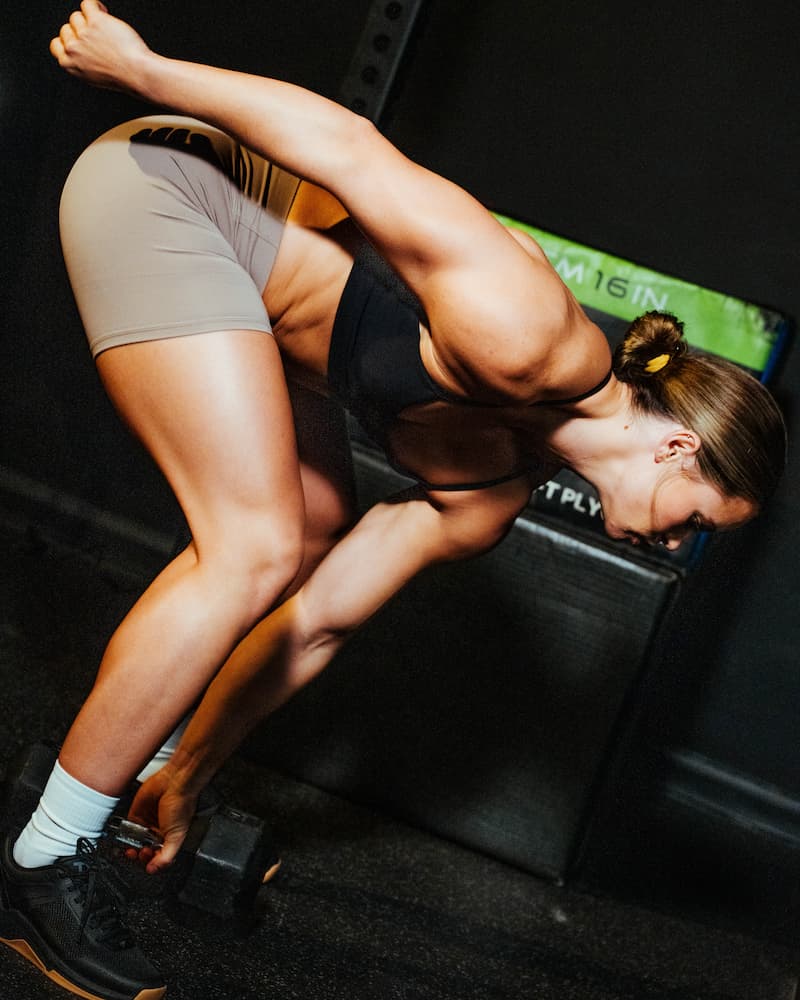
Research comparing dumbbell and barbell chest pressing has found that lifters can generally produce more maximum force with a barbell. However, dumbbell pressing can still create substantial activity in the chest, shoulders, and arm muscles. The lower absolute load does not make dumbbells ineffective for muscle growth.
Dumbbells Make Load Selection Simple
Many beginners make the mistake of using weights that are too heavy before they have learned the movement. Dumbbells provide an easy way to choose a manageable load and focus on control.
For example, a beginner can use light dumbbells for a goblet squat, dumbbell bench press, row, Romanian deadlift, and shoulder press. The load can be increased gradually as technique improves. Adjustable dumbbells are especially useful at home because they allow small changes in resistance without needing multiple pairs.
Dumbbells also make unilateral training simple. One arm rows, split squats, lunges, and one arm presses can help you notice whether one side is less stable or weaker. This does not mean every beginner must train one side at a time. It means dumbbells provide the option when it is useful.
Dumbbells Can Support a Comfortable Range of Motion
Range of motion is an important part of resistance training. Performing an exercise through a controlled and comfortable range can provide a useful stimulus to the working muscles.
Dumbbells can make it easier to adjust your grip, arm angle, and depth within a movement. During a dumbbell press, you can use a neutral grip, with palms facing each other, if a fully overhand grip is uncomfortable. During a dumbbell row, each arm can travel independently without being attached to a fixed bar.
Comfort does not mean avoiding all effort or shortening every repetition. It means using a range that lets you train the target muscles without pain or loss of control. If a movement hurts, reducing the load, adjusting the range, or choosing another exercise may be more appropriate than forcing the repetition.
The Case for Barbells
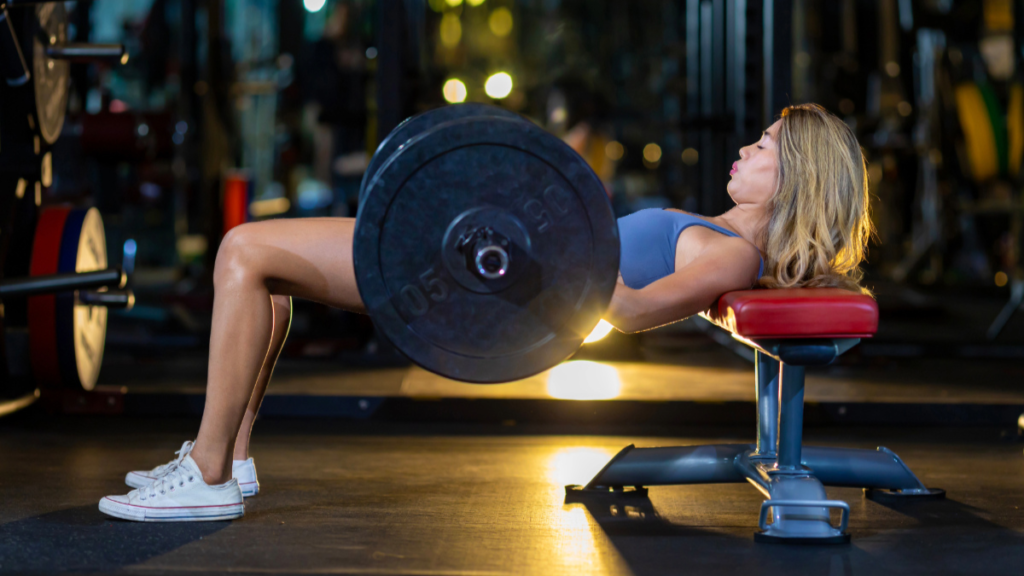
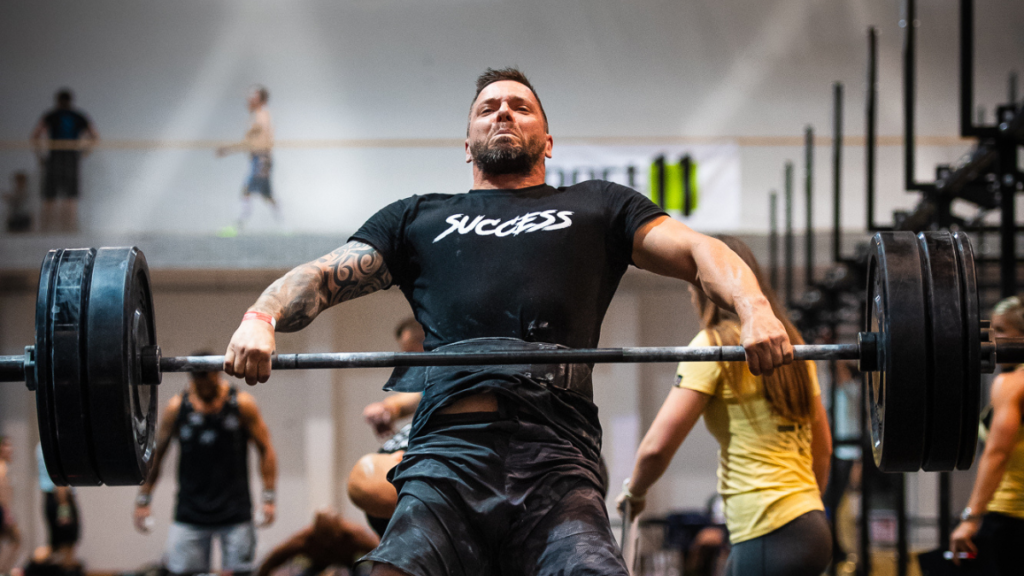
Barbells are highly effective because they let you load big compound exercises efficiently. A single bar distributes the weight across both hands, making it possible to use more total load than you can usually manage with dumbbells.
This makes barbells particularly useful for movements such as squats, deadlifts, bench presses, overhead presses, and rows. These exercises can train several large muscle groups at once and provide a clear way to track strength progress.
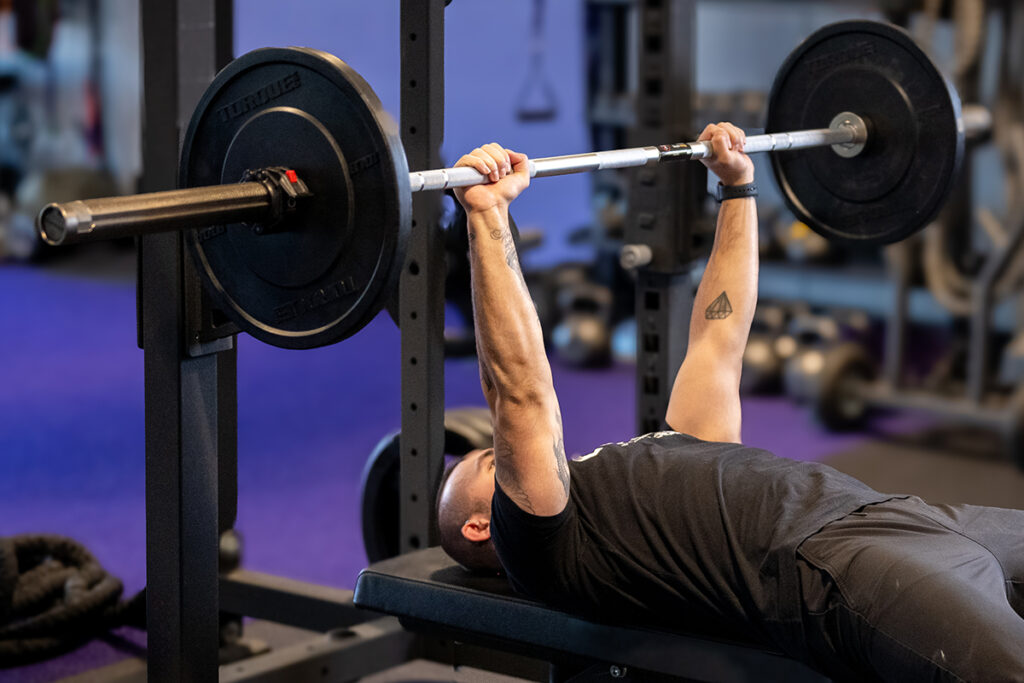
A beginner does not need to lift maximal weights with a barbell. The benefit is not proving strength on day one. The benefit is having a stable way to practice compound movements and increase the challenge gradually.
Barbells Make Progressive Overload Easy to Track
Progressive overload means gradually asking your muscles to do more work. You might add weight, repetitions, sets, or improve the quality of the repetition at the same weight.
Barbells are useful here because many gyms have small plates that allow precise load increases. Adding a small amount of weight to a barbell squat or bench press can be easier than moving to the next available dumbbell pair, which may represent a much larger jump.
This does not mean dumbbells cannot be progressed. You can add repetitions, slow the lowering phase, increase sets, or use a heavier pair when available. Barbells simply provide an efficient route for small loading changes on many compound movements.
Barbells Build Specific Strength
Strength gains have a degree of specificity. If you want to become stronger at barbell squats, practicing barbell squats is useful. If you want to become stronger at dumbbell presses, practicing dumbbell presses is useful.
Research comparing free weight and machine training has shown that both approaches can improve muscle growth and general strength. Strength improvements tend to be larger in the specific exercises that people train. The same principle applies to dumbbells and barbells.
This means a barbell is a good choice if your goal includes barbell lifting. It is also a practical choice for beginners who enjoy the movements and have access to appropriate coaching, safety equipment, and a manageable starting load.
Which Is Safer for Beginners?
Neither dumbbells nor barbells are automatically safe or unsafe. Safety depends on exercise selection, technique, load, supervision, the training environment, and the lifter’s ability to control the movement.
Dumbbells can be easier to escape from during some exercises. If you fail a dumbbell bench press, you can lower the dumbbells to the sides with control if the load is manageable. This differs from a heavy barbell bench press, where safety pins or a trained spotter may be important.
On the other hand, dumbbells can be awkward to get into position when they become heavy. Kicking large dumbbells into place for a bench press or shoulder press requires skill and can become more difficult as the load increases.
Barbells can be very safe when used with proper setup. A squat rack with safety arms, a bench with safety pins, and a sensible starting load make barbell training more controlled. Beginners should avoid copying advanced lifters who use maximal loads or poorly controlled repetitions.
The best choice is the movement you can perform with stable technique. If you are unsure, start lighter, learn the exercise, and seek coaching from a qualified professional when possible.
Dumbbells vs Barbells for Major Muscle Groups
For the chest, both dumbbell and barbell bench presses can build muscle. Dumbbells may allow more freedom of movement, while barbells usually allow more total loading. A beginner can use either, but dumbbell pressing is often easier to learn with manageable weights.
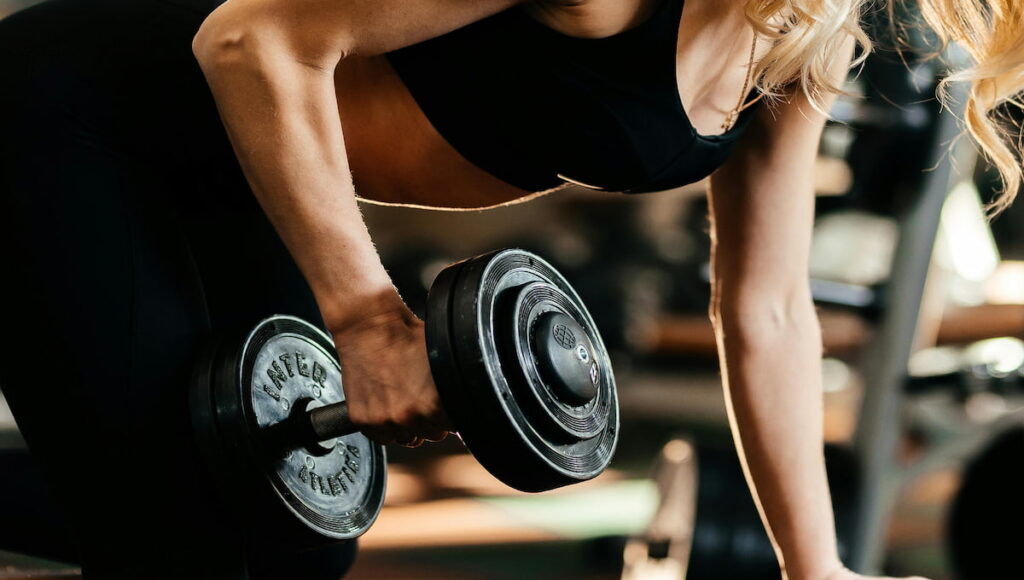
For the back, dumbbell rows are a strong beginner option because they allow support from a bench and make it easier to focus on one side at a time. Barbell rows can also be effective, but they require more trunk control and can be limited by lower back fatigue.
For the shoulders, dumbbell presses and lateral raises are useful because the arms move independently. Barbell overhead presses are also valuable but demand more coordination and shoulder mobility. Use a variation that allows you to press without pain and maintain a stable trunk.
For the legs, barbells can eventually provide more loading potential for squats and deadlifts. Dumbbells remain highly effective for goblet squats, split squats, lunges, step ups, Romanian deadlifts, and single leg work. A beginner can build substantial leg muscle with dumbbells before needing a barbell.
The Best Choice for Home Training
Dumbbells are often the more practical option for a home gym. They take up less space than a barbell, plates, bench, squat rack, and safety equipment. Adjustable dumbbells can cover a broad range of exercises with limited space.
A barbell setup becomes more useful when you want to train heavier squats, deadlifts, and presses over the long term. However, a proper barbell setup requires enough room and equipment to train safely.
If you train at home with dumbbells only, focus on exercises that make the most of the equipment. Use dumbbell presses, rows, Romanian deadlifts, split squats, goblet squats, lunges, curls, triceps extensions, and lateral raises. Progress by adding repetitions, using slower controlled repetitions, increasing sets gradually, and moving to heavier dumbbells when possible.
A Simple Beginner Strategy
Use dumbbells for movements that help you learn control, train each side independently, or work around limited equipment. Use barbells for compound lifts you want to learn and progressively load.
A simple beginner program could include dumbbell bench presses, one arm dumbbell rows, goblet squats, and dumbbell Romanian deadlifts. As your confidence increases, you could add barbell squats, bench presses, deadlifts, or overhead presses if they fit your goals and you have the necessary equipment.
Train each major muscle group at least twice each week when possible. Start with two or three working sets per exercise and leave one or two controlled repetitions in reserve on most sets. Track your weights and repetitions so you can see progress over time.
The tool you choose matters less than the quality of the work. Your program should feel challenging, controlled, and repeatable.
The Verdict
Dumbbells and barbells can both build muscle for beginners. Dumbbells are often easier to learn, provide independent loading for each side, and work well in small spaces. Barbells make it easier to load compound lifts heavily and increase the weight in small increments.
For beginners, dumbbells may be the better place to start. For long term strength and muscle development, barbells are a valuable addition. The best approach is to use both when possible, while prioritizing progressive training, good technique, and consistency.
References
- Grgic, J., Schoenfeld, B.J., Skrepnik, M. and Davies, T.B. (2023) ‘Effect of free weight versus machine based strength training on maximal strength, hypertrophy and jump performance: A systematic review and meta analysis’, BMC Sports Science, Medicine and Rehabilitation, 15, article 130.
- Saeterbakken, A.H., van den Tillaar, R. and Fimland, M.S. (2011) ‘A comparison of muscle activity and one repetition maximum strength of three chest press exercises with different stability requirements’, Journal of Sports Sciences, 29(5), pp. 533–538.
- Schoenfeld, B.J., Grgic, J., Ogborn, D. and Krieger, J.W. (2017) ‘Strength and hypertrophy adaptations between low versus high load resistance training: A systematic review and meta analysis’, Journal of Strength and Conditioning Research, 31(12), pp. 3508–3523.
- Wolf, M., Hecksteden, A., Morsch, A., Hessel, M., Shuster, I., Hasenfuss, G., Graf, C. and Meyer, T. (2023) ‘Resistance training prescription for muscle strength and hypertrophy in healthy adults: A systematic review and Bayesian network meta analysis’, British Journal of Sports Medicine, 57(18), pp. 1211–1220.
Key Takeaways
| Question | Practical answer |
|---|---|
| Which builds more muscle? | Both can build muscle when training is progressive and challenging |
| Which is easier for beginners? | Dumbbells are often easier to control and scale |
| Which builds more maximum strength? | Barbells usually allow more total loading |
| Which is better for a home gym? | Dumbbells are usually more space efficient and versatile |
| Should beginners use both? | Yes, when equipment and confidence allow |
| What matters most? | Consistent training, sound technique, sufficient effort, and gradual progression |