

Press ups remain one of the simplest and most effective ways to measure upper body strength and muscular endurance. They require no equipment, take only a few minutes to perform, and provide valuable insight into your overall fitness. Once you reach your thirties, however, the question becomes more interesting. Should you still be able to perform dozens of repetitions, or is it normal for performance to decline with age?
The good news is that healthy adults can maintain excellent press up performance well into middle age. While muscle mass and strength naturally decline over time, these changes are surprisingly small in physically active people. Regular resistance training and maintaining a healthy body weight allow many adults in their forties, fifties, and beyond to outperform sedentary people who are decades younger.



Knowing how many press ups you should be able to perform provides an objective benchmark for your current fitness. It can also help identify weaknesses in muscular endurance, body composition, or overall health that deserve attention.
Why Press Ups Matter After 30
Many people associate press ups with military fitness tests or school physical education classes, but researchers have increasingly recognized them as a practical measure of health.
A press up requires coordinated movement of multiple muscle groups, including the chest, shoulders, triceps, core, glutes, and even the muscles surrounding the shoulder blades. Unlike isolated strength exercises, press ups demand full body stability and neuromuscular coordination.
Research has also linked higher muscular strength and endurance with lower risks of chronic disease, better physical function during aging, improved metabolic health, and reduced all cause mortality.
3 Best Beginner Exercises for Bigger and More Defined Shoulders
One particularly interesting study involving active firefighters found that individuals capable of completing more than 40 press ups had a dramatically lower risk of future cardiovascular events compared to those who could perform fewer than 10 repetitions. While this study focused on a specific occupational group rather than the general population, it demonstrated that upper body endurance can reflect overall cardiovascular health. Press ups therefore measure much more than chest strength. They provide insight into overall physical capacity.
What Happens to Strength After Age 30?
Many people assume strength declines rapidly after turning 30, but this is not entirely true. Muscle mass generally remains relatively stable throughout the thirties in active adults. Most research suggests significant losses begin later in life, particularly after age 50, although inactivity accelerates the process considerably.
Several biological changes gradually influence performance.
- Protein synthesis becomes slightly less efficient.
- Recovery takes longer after hard exercise.
- Hormonal changes slowly reduce the body’s ability to build muscle.
- Joint stiffness may increase without regular mobility work.
These changes occur gradually rather than suddenly. Someone who trains consistently through their thirties can often become stronger than they were in their twenties. This means your press up performance depends far more on your lifestyle than your birthday.
Factors That Affect Press Up Performance
Age is only one variable. Body weight has a major influence because every repetition involves lifting approximately 60 to 70 percent of your body weight. Training experience also matters. Someone who regularly performs resistance training or calisthenics will almost always outperform someone who rarely exercises.
Other important factors include:
- Regular physical activity.
- Body fat percentage.
- Shoulder mobility.
- Core strength.
- Previous injuries.
- Sleep quality.
- Protein intake.
Because of these differences, there is no single perfect number for everyone.
Press Up Standards for Adults Over 30
Based on normative fitness data from organizations including the American College of Sports Medicine, military fitness testing, and population studies of muscular endurance, the following standards represent reasonable performance goals for healthy adults.
Men
| Performance | Press Ups |
|---|---|
| Poor | Under 10 |
| Below Average | 10 to 19 |
| Average | 20 to 29 |
| Good | 30 to 39 |
| Excellent | 40 to 49 |
| Elite | 50 or more |
Women
| Performance | Press Ups |
|---|---|
| Poor | Under 5 |
| Below Average | 5 to 11 |
| Average | 12 to 20 |
| Good | 21 to 30 |
| Excellent | 31 to 40 |
| Elite | More than 40 |
These numbers assume strict technique using full range of motion.
Modified knee press ups should not be compared directly with these standards because they reduce the percentage of body weight lifted.
Press Up Standards by Age
Performance naturally changes as people move through adulthood, although the decline is usually smaller than many expect.
Ages 30 to 39
Healthy adults in this age group should generally aim for:
- Men: 25 to 40 repetitions.
- Women: 15 to 30 repetitions.
Individuals who train regularly may comfortably exceed these numbers.
Ages 40 to 49
Most healthy adults should still achieve:
- Men: 20 to 35 repetitions.
- Women: 12 to 25 repetitions.
Losses are often minimal among those who continue resistance training.

Ages 50 to 59
Reasonable goals include:
- Men: 15 to 30 repetitions.
- Women: 10 to 20 repetitions.
Maintaining these numbers reflects strong muscular endurance.
Ages 60 and Beyond
Many older adults remain highly capable.
Healthy targets include:
- Men: 10 to 25 repetitions.
- Women: 8 to 18 repetitions.
Research consistently shows that regular strength training greatly slows age related declines.
Why Technique Matters
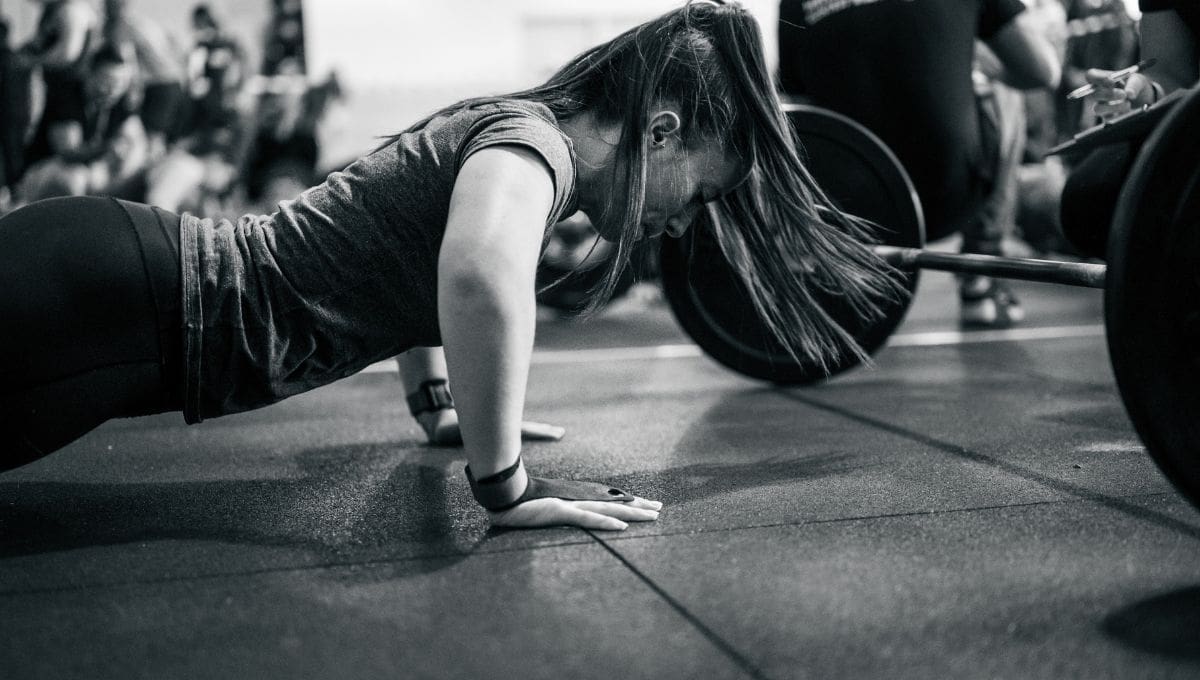
A high repetition count only matters if every repetition meets proper standards. A strict press up begins in a straight plank position with the hands slightly wider than shoulder width. The chest lowers until it approaches the floor while maintaining a neutral spine.
The elbows should generally travel about 45 degrees away from the torso. The body then returns to full elbow extension without sagging through the hips. Poor technique often allows people to perform significantly more repetitions than they could using strict form. Quality always matters more than quantity.
Can Press Ups Build Muscle After 30?
Absolutely. Muscle growth depends primarily on training close to muscular failure rather than the specific exercise used.
Studies comparing press ups with traditional bench pressing have found similar improvements in muscle size when resistance levels are matched. This means body weight exercises remain highly effective for building muscle, particularly for beginners and intermediate trainees.
If standard press ups become too easy, progression options include:
- Elevated feet.
- Weighted vests.
- Resistance bands.
- Ring press ups.
- Tempo repetitions.
- Paused repetitions.
Each progression increases muscular demand while preserving movement quality.
How to Improve Your Press Up Score
The fastest improvements usually come from practicing press ups consistently rather than testing maximum repetitions every day. Training two to three times each week produces substantial improvements for most people.
One effective strategy is to perform several sets while stopping one or two repetitions before failure. For example, if your maximum is 20 repetitions, perform four sets of 15. Gradually increase repetitions each week before progressing to more difficult variations.
Supporting exercises also improve performance.
- Bench presses increase maximal pushing strength.
- Rows strengthen the upper back.
- Planks improve core stability.
- Triceps extensions build elbow extension strength.
- Shoulder mobility exercises improve movement efficiency.
- Adequate protein intake also supports muscle maintenance after age 30.
Research suggests active adults benefit from approximately 1.2 to 1.6 grams of protein per kilogram of body weight each day, with higher intakes proving particularly valuable during strength training programs.
The Bottom Line
Press ups remain one of the most useful fitness tests available after age 30 because they combine muscular strength, endurance, coordination, and body control into a single movement.
For most healthy adults, completing around 20 to 30 strict press ups represents solid fitness. Reaching 40 or more places you in excellent condition, while exceeding 50 demonstrates exceptional upper body endurance.
Perhaps the most encouraging finding from decades of exercise science is that age alone does not determine performance. Consistent strength training, good nutrition, and maintaining a healthy body weight have a much greater influence on your ability than the number of candles on your birthday cake.
If you can perform strict press ups comfortably today, continue building on that foundation. If you cannot yet complete one repetition, remember that every strong athlete started somewhere. Progressive training works remarkably well at every age.
Key Takeaways
| Topic | Key Point |
|---|---|
| Why press ups matter | They measure upper body strength, muscular endurance, core stability, and overall fitness. |
| Good target after 30 | Around 20 to 30 strict repetitions represents solid fitness for most healthy adults. |
| Excellent performance | Forty or more repetitions indicates excellent muscular endurance. |
| Biggest influences | Training consistency, body weight, muscle mass, and technique matter more than age alone. |
| Muscle building | Press ups can effectively build muscle when performed close to muscular failure. |
| Improving performance | Train two to three times weekly with progressive overload and strict technique. |
| Beginners | Incline press ups and eccentric repetitions provide an effective path to a first full repetition. |
| Long term outlook | Regular resistance training greatly slows age related declines in strength and endurance. |
References
- American College of Sports Medicine, 2022. ACSM’s Guidelines for Exercise Testing and Prescription. 11th ed. Philadelphia: Wolters Kluwer.
- Bohannon, R.W., 2006. Reference values for the timed up and go test. Journal of Geriatric Physical Therapy, 29(2), pp.64 to 68.
- Calatayud, J., Borreani, S., Colado, J.C., Martin, F., Rogers, M.E., Behm, D.G. and Andersen, L.L., 2015. Bench press and push up at comparable levels of muscle activity results in similar strength gains. Journal of Strength and Conditioning Research, 29(1), pp.246 to 253.
- Church, T.S., Cheng, Y.J., Earnest, C.P., Barlow, C.E., Gibbons, L.W., Priest, E.L. and Blair, S.N., 2004. Exercise capacity and body composition as predictors of mortality among men with diabetes. Diabetes Care, 27(1), pp.83 to 88.
- Coyle, E.F., 2016. Physical activity as a metabolic stressor. Comprehensive Physiology, 6(2), pp.663 to 699.
- Edwards, M.K. and Loprinzi, P.D., 2018. Muscular strength, exercise, and health outcomes. American Journal of Lifestyle Medicine, 12(1), pp.48 to 57.
- Harrell, J.S., Trappe, S.W. and Dudley, G.A., 1997. Electromyographic analysis of push up variations. Journal of Strength and Conditioning Research, 11(3), pp.146 to 151.