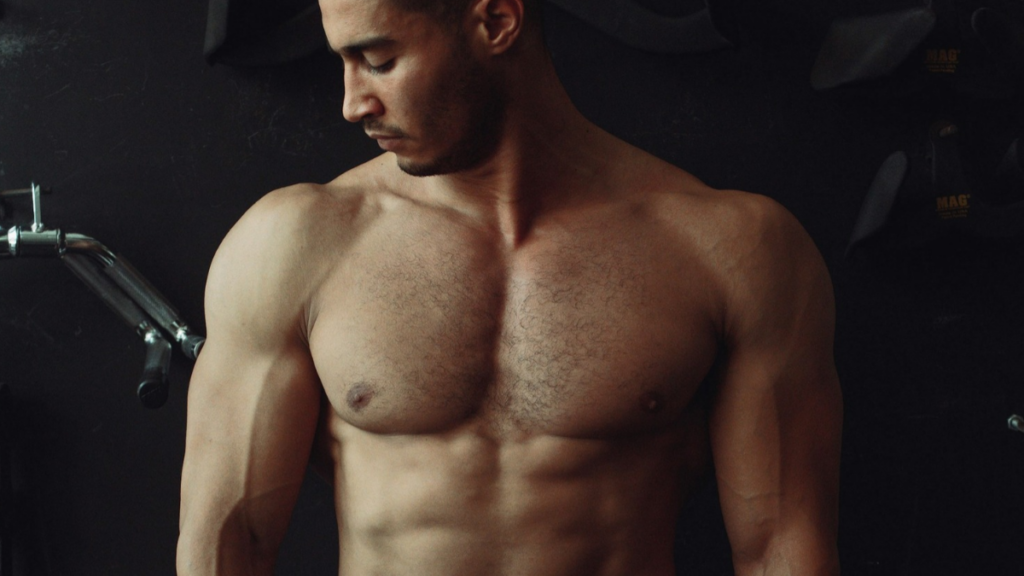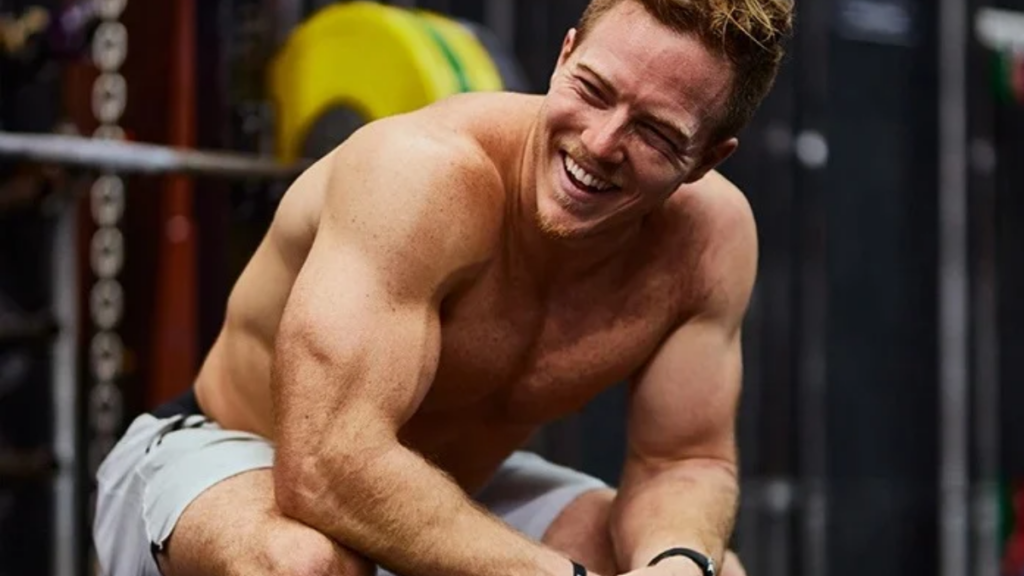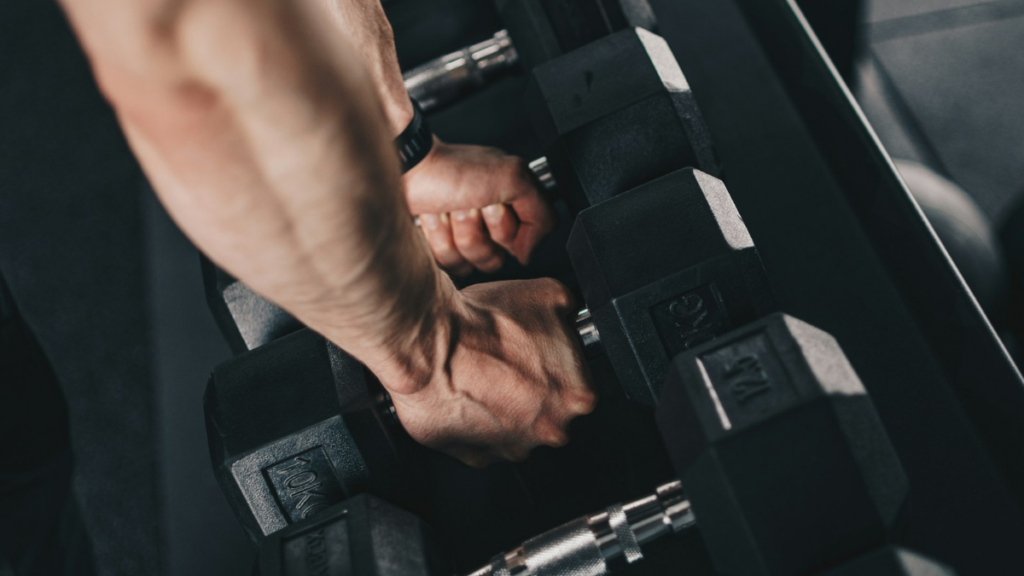


Building a more muscular upper body does not require a complicated routine or a long list of exercises. A few well chosen movements can train your chest, back, shoulders, and arms while giving you a clear way to improve over time.
These five familiar exercises are a useful place to start: push-ups, the bench press, the lat pulldown or pull-up, the dumbbell row, and the overhead press. They cover pushing and pulling movements, and each one can be adjusted to suit your current strength. Do them consistently, use a weight or variation you can control, and gradually make the work more challenging.


What beginners need to know about building muscle
Muscle growth comes from giving your muscles a challenging resistance training stimulus and repeating that work consistently. The resistance can come from body weight, dumbbells, a barbell, or a machine. Research supports a range of loads for building muscle, so you do not need to lift the heaviest weight in the gym. You do need to choose a challenge that makes the last few repetitions feel difficult while allowing you to keep good form.
Start with a manageable amount of training. Two sets of each exercise in a workout can be enough to help you learn the movements and build a routine. As you get stronger and recover well between sessions, you can add repetitions, weight, or sets. Higher weekly training volume can support greater muscle growth, but more is not automatically better if it leaves you too sore or makes you skip workouts.
A practical starting point is to train your upper body twice a week, leaving at least a day between sessions. You might do two sets of each exercise for 8 to 12 controlled repetitions. For push-ups or pull-ups, use a version that lets you work within a similar range. Stop a set when you feel you could complete only a few more good repetitions. You do not have to push every set until you cannot move the weight.
1. Push-up
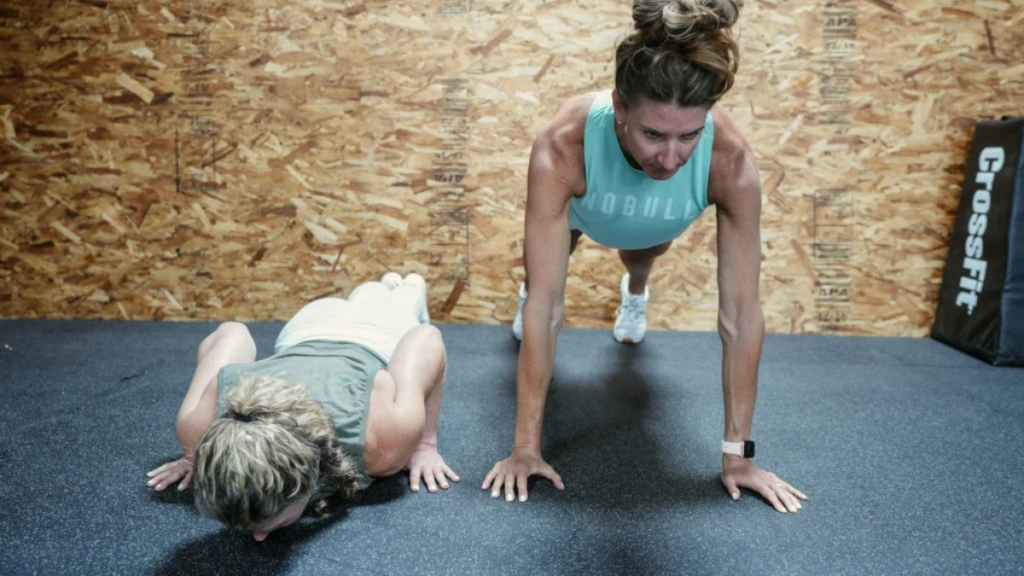
The push-up is a classic bodyweight exercise that trains the chest, shoulders, and triceps. It also asks your trunk muscles to help keep your body steady. Since you can change the difficulty without special equipment, it is a useful way to practice pressing before moving to heavier weights.
Start with your hands slightly wider than shoulder width and your body in a straight line from head to heels. Lower your chest toward the floor while keeping your elbows at a comfortable angle from your body. Press the floor away to return to the starting position. Keep your hips from sagging, and avoid shortening the movement just to reach a higher repetition count.
If a full push-up is too difficult, place your hands on a sturdy bench, table, or wall. The higher your hands are, the easier the movement will generally feel. When you can complete your target repetitions with control, lower the hand position gradually until you can do push-ups from the floor. If standard push-ups become easy, you can slow the lowering phase or use a small amount of added resistance, provided your form remains steady.
2. Bench press
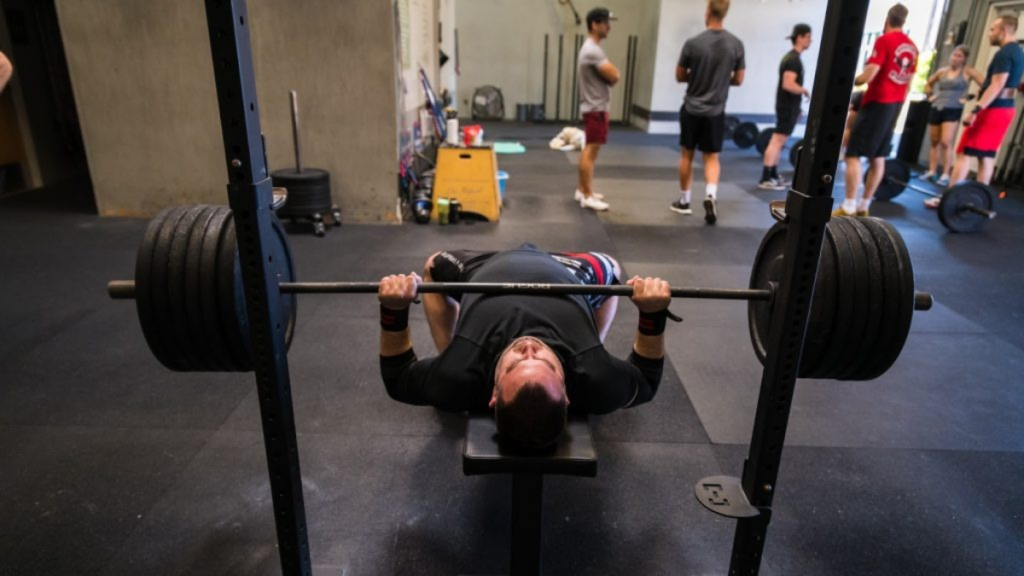
The bench press is one of the best known upper body lifts. It trains the chest, with help from the shoulders and triceps. Beginners can use dumbbells or a barbell. Dumbbells allow each arm to move independently, while a barbell makes it easier to add small amounts of weight over time.
Lie on the bench with your feet planted on the floor. Hold the bar or dumbbells above your chest with your wrists stacked over your forearms. Lower the weight under control toward the middle of your chest, then press it back up without bouncing or locking your body into an uncomfortable position. Keep your shoulders supported by the bench and avoid forcing an excessive arch in your lower back.
Begin with a light weight so you can practice the movement safely. If you use a barbell, ask a spotter for help or use a rack with correctly positioned safety bars. Dumbbell floor presses can be a useful option if you do not have a bench. When you can perform all your planned repetitions cleanly, increase the load by a small amount. A few extra pounds are enough to keep making progress.
3. Lat pulldown or pull-up
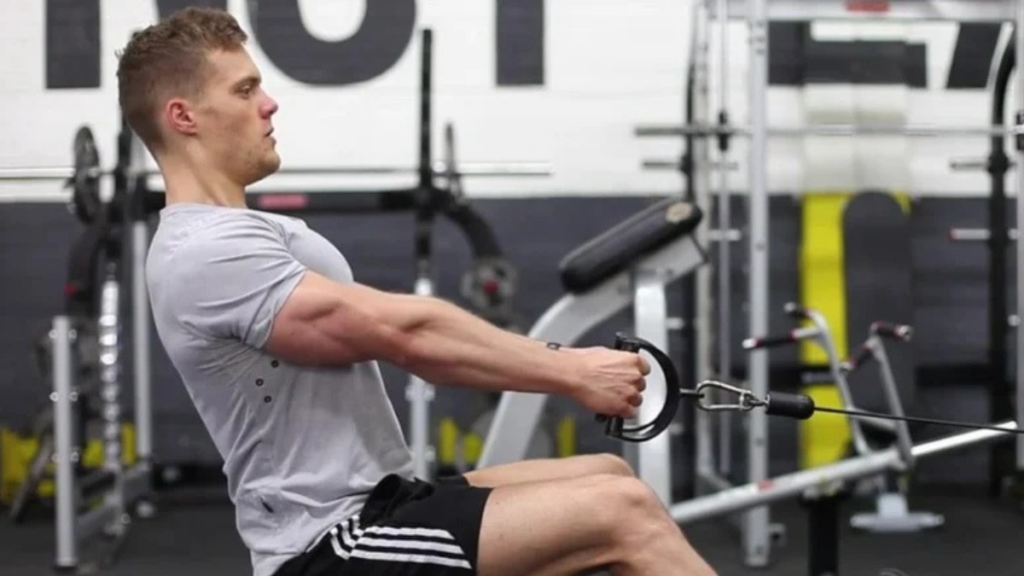
A muscular upper body needs pulling exercises as well as pressing exercises. The lat pulldown is a beginner friendly way to train the muscles of the back and arms. Pull-ups train a similar pulling pattern using your body weight, but they can be demanding when you are new to training.
For a lat pulldown, sit with your thighs secured under the pads and take a grip slightly wider than shoulder width. Pull the bar toward your upper chest while keeping your torso stable. Let your arms straighten again under control, without allowing the weight stack to crash down. Think about bringing your elbows down toward your sides rather than leaning far backward to move the weight.
If you want to work toward pull-ups, use an assisted pull-up machine or a resistance band to reduce the amount of body weight you have to lift. You can also practice controlled hangs and assisted repetitions. Start with a version that lets you move through a comfortable range without swinging. As your strength improves, use less assistance or add repetitions. Do not force painful shoulder positions in pursuit of a full repetition.
4. Dumbbell row
The dumbbell row adds a horizontal pulling movement to your routine. It trains the back and involves the arm muscles as you pull the weight toward your torso. Rows also give beginners a chance to practice controlling a weight with one side at a time.
Place one hand and one knee on a bench, with your other foot on the floor. Hold a dumbbell in your free hand and let your arm extend toward the floor. Pull the dumbbell toward your hip while keeping your torso steady, then lower it slowly. Avoid twisting your body to lift a heavier weight. The goal is to move your arm through a comfortable range while keeping the rest of your body controlled.
Running vs Swimming: Which Is Better for Overall Fitness?
Choose a dumbbell that allows you to complete every repetition without jerking or shrugging your shoulder toward your ear. If you do not have a bench, brace one hand on a sturdy surface and use a staggered stance. Train both sides for the same number of repetitions. When the target repetitions feel controlled, increase the weight slightly or add a repetition to each set.
5. Overhead press
The overhead press trains the shoulders and triceps while challenging your trunk to keep you stable. You can use dumbbells, a barbell, or a machine. A seated dumbbell press may feel easier to control when you are learning, while a standing version asks you to stabilize your body as well.
Begin with the weights around shoulder height and your forearms close to vertical. Press upward until your arms are extended comfortably, then lower the weights back to the starting position with control. Keep your ribs from flaring and avoid leaning backward to get the weights overhead. If you feel pinching or pain in your shoulder, shorten the range or try a different variation.
Use a load that lets you maintain a steady path without using your legs to drive the weight upward. Increase the weight only when your repetitions are smooth and repeatable. You can also use a machine press while you build confidence with the movement.
How to put the five exercises into a routine
You can perform these five movements in one workout, then repeat the session later in the week. Start with two sets per exercise and choose a version or weight that lets you complete around 8 to 12 controlled repetitions. For push-ups and pull-ups, adjust the difficulty so the set ends with a similar level of effort. Rest long enough between sets to regain control and perform the next set with good technique.
Keep a simple record of your exercises, weights, and repetitions. When you can complete the top of your target range for every set with steady form, increase the weight slightly or choose a harder variation. Then let the repetition count build again. This gradual approach gives you a clear way to progress without testing your maximum strength every workout.
The five exercises focus on the upper body, but a balanced training plan should also include exercises for your legs and hips. Muscle growth also depends on recovery, enough food, and adequate protein. You do not need to make every session exhausting. A routine you can repeat week after week is more useful than a punishing workout you abandon after a few days.
References
- Currier, B.S., D’Souza, A.C., Fiatarone Singh, M.A., Lowisz, C.V., Rawson, E.S., Schoenfeld, B.J., Smith-Ryan, A.E., Steen, J.P., Thomas, G.A., Triplett, N.T., Washington, T.A., Werner, T.J. and Phillips, S.M. (2026) ‘American College of Sports Medicine Position Stand. Resistance Training Prescription for Muscle Function, Hypertrophy, and Physical Performance in Healthy Adults: An Overview of Reviews’, Medicine & Science in Sports & Exercise, 58(4), pp. 851–872.
- Schoenfeld, B.J., Ogborn, D. and Krieger, J.W. (2017) ‘Dose-response relationship between weekly resistance training volume and increases in muscle mass: a systematic review and meta-analysis’, Journal of Sports Sciences, 35(11), pp. 1073–1082.
- Schoenfeld, B.J., Grgic, J. and Krieger, J. (2019) ‘How many times per week should a muscle be trained to maximize muscle hypertrophy? A systematic review and meta-analysis of studies examining the effects of resistance training frequency’, Journal of Sports Sciences, 37(11), pp. 1286–1295.
Key Takeaways
| Topic | Takeaway |
|---|---|
| Exercise selection | Push-ups, bench presses, pulldowns or pull-ups, dumbbell rows, and overhead presses cover major upper body pushing and pulling patterns. |
| Beginner starting point | Begin with two sets per exercise and choose a resistance you can control. |
| Progress | Add repetitions or a small amount of resistance when all planned repetitions feel steady. |
| Training effort | Make the final repetitions challenging while keeping good form. |
| Consistency | Train regularly and leave time to recover between upper body sessions. |